

We may earn a commission when you buy through links on this page, at no extra cost to you. Learn more.
Is j lohr wine good? Yes, J. Lohr is a good California wine brand, particularly for approachable Cabernet Sauvignon, Chardonnay, and well-structured wines with recognizable regional character. Its portfolio covers affordable everyday bottles as well as more ambitious vineyard-designated and premium selections. The strongest reason to consider the winery is its combination of established Central Coast vineyards, consistent varietal focus, and a broad selection that gives different wine drinkers several options.
However, not every J. Lohr bottle delivers the same experience. A fruit-forward Paso Robles Cabernet Sauvignon tastes very different from a cooler-climate Monterey Chardonnay, and the winery’s higher-tier wines have different goals from its everyday Estates range. Understanding those differences makes it easier to choose a bottle that suits your preferences rather than buying solely because you recognize the label.
Who Should Consider J. Lohr Wine?
J. Lohr is particularly appealing to people who enjoy recognizable California grape varieties, generous fruit flavors, and wines that work comfortably with familiar meals. Its Cabernet Sauvignon, Chardonnay, and Merlot selections are useful starting points for shoppers who want established styles without having to explore unfamiliar grapes or regions.
The winery was founded by Jerry Lohr, who began developing vineyards in Monterey County during the early 1970s. His decision to establish vineyards in both Monterey and Paso Robles helped shape the brand’s identity. The two locations offer different growing conditions: Monterey provides cooler coastal influences, while Paso Robles offers warmer days and cooler nights. J. Lohr also farms vineyards in Napa Valley, adding another source of California Cabernet Sauvignon to its portfolio.
That regional variety is important because it explains why the brand can offer several distinct styles under one name. Someone who likes ripe, substantial red wines might gravitate toward Seven Oaks Cabernet Sauvignon, while someone who prefers fresher whites could choose Riverstone Chardonnay or Flume Crossing Sauvignon Blanc. The range also includes Merlot, Pinot Noir, Syrah, Riesling, and less familiar varieties.
J. Lohr is especially worth considering for three types of shoppers:
- Everyday wine drinkers: People who want approachable California wines for weeknight meals, casual entertaining, and regular dinners.
- Cabernet Sauvignon enthusiasts: Drinkers who enjoy black cherry, dark fruit, vanilla, and noticeable but manageable tannins.
- Exploratory shoppers: People who want to compare different California regions and grapes without switching between several producers.
It may be less suitable for someone who consistently prefers extremely light-bodied reds, delicate European wines, or highly restrained flavors. J. Lohr has some fresher, lighter options, but its familiar Cabernet Sauvignon style tends toward ripe fruit and a more substantial structure.
For additional background on its different offerings, the Wine Brands category provides a useful starting point for comparing producers and understanding how regional identity influences wine styles.
Key Factors to Compare Before Buying
The most useful way to evaluate J. Lohr is to compare grape variety, growing region, wine structure, and the collection name. These factors reveal more about the bottle than the winery name alone and help explain why two J. Lohr wines can appeal to very different drinkers.
Start with the grape variety. Cabernet Sauvignon generally offers higher tannin and a fuller structure, while Merlot usually has softer tannins and a rounder feel. Pinot Noir is typically lighter in body, with low-to-medium tannin and relatively high acidity. Chardonnay offers a different experience, with its texture and flavor depending on growing conditions and winemaking choices.
Region matters just as much. J. Lohr’s Monterey wines benefit from coastal influences that help preserve freshness in grapes such as Chardonnay and Pinot Noir. Its Paso Robles red wines generally offer riper fruit character and more substantial structure. Napa Valley contributes a more specialized selection, including Carol’s Vineyard Cabernet Sauvignon.
| Comparison factor | J. Lohr example | Typical characteristics | Best suited to |
|---|---|---|---|
| Grape variety | Seven Oaks Cabernet Sauvignon | High tannin, dark fruit, fuller body | Steak and hearty meals |
| Grape variety | Los Osos Merlot | Medium tannin, softer texture | Roasted poultry and burgers |
| Grape variety | Falcon’s Perch Pinot Noir | Low-to-medium tannin, higher acidity | Mushrooms and roast chicken |
| Grape variety | Riverstone Chardonnay | Medium acidity, rounded white-wine profile | Chicken and creamy pasta |
| Growing region | Monterey / Arroyo Seco | Cool coastal influence | Fresh whites and lighter reds |
| Growing region | Paso Robles | Ripe fruit and substantial red-wine styles | Grilled meats and barbecue |
Another consideration is the collection. J. Lohr Estates is a practical entry point for exploring the winery’s established wines. The Vineyard Series focuses on particular vineyard sites, while the Cuvée Series emphasizes Bordeaux-inspired blends. Signature Cabernet Sauvignon is positioned as a more distinctive expression of the winery’s Paso Robles red-wine production.
For shoppers comparing different bottles, the J. Lohr wine selection is a useful place to begin. Look at the specific grape and regional designation before choosing, especially if you are buying a bottle for someone whose preferences are already established.
Tip: If you are uncertain which J. Lohr wine to try first, start with Seven Oaks Cabernet Sauvignon for a fuller red or Riverstone Chardonnay for a versatile white. These recognizable Estates wines offer a straightforward introduction to the winery’s two major regional strengths.
Step-by-Step: How to Choose a J. Lohr Bottle
Choosing a suitable J. Lohr wine becomes easier when you start with your preferred flavor profile and then narrow the selection by occasion. A few deliberate comparisons can prevent you from buying a wine that is technically well made but poorly matched to your taste.
-
Decide between red and white.
Begin with the type of wine you usually enjoy. Choose Cabernet Sauvignon, Merlot, or Pinot Noir if you prefer red wine. Consider Chardonnay, Sauvignon Blanc, or Riesling if you prefer white wine. This first decision eliminates much of the portfolio.
-
Choose your preferred body.
For a fuller red, consider Seven Oaks Cabernet Sauvignon. For a softer red, consider Los Osos Merlot. Falcon’s Perch Pinot Noir is a better direction for someone who likes a lighter-bodied wine with more noticeable acidity. Chardonnay drinkers can compare the winery’s Riverstone and unoaked Paperwhite selections.
-
Consider the occasion.
A casual dinner with burgers or roasted chicken may call for an Estates bottle. A special dinner or wine-focused gathering may justify exploring Vineyard Series, Cuvée Series, or Signature selections. The most expensive or specialized wine is not automatically the best choice for every meal.
-
Match the region to your preferred style.
Look for Monterey or Arroyo Seco when you want cooler-climate Chardonnay and Pinot Noir. Paso Robles is a natural starting point for Cabernet Sauvignon, Merlot, and Rhône-inspired wines. Napa Valley is particularly relevant if you are considering Carol’s Vineyard Cabernet Sauvignon.
-
Check the individual wine description.
Look for references to black cherry, currant, vanilla, citrus, floral aromas, oak, and acidity. These descriptions provide useful clues about the experience. A wine described as ripe, full-bodied, and oak-influenced will generally feel different from one emphasizing citrus, freshness, and mineral character.
-
Plan the food pairing.
Match the wine’s structure with the meal. Cabernet Sauvignon works well with grilled beef, Merlot with roasted meats, and Chardonnay with poultry or richer seafood preparations. A crisp Sauvignon Blanc is useful with fresh vegetables, herbs, and lighter dishes.
-
Consider drinking time.
If you intend to open the bottle soon, choose a wine described as balanced and fruit-forward upon release. For a bottle intended for further cellaring, investigate its specific vintage and the winery’s aging guidance rather than assuming every red will improve indefinitely.
These steps also help when buying for someone else. If you know the person likes California Cabernet Sauvignon, Seven Oaks is a more informed choice than selecting a random bottle from the portfolio. If they normally drink unoaked white wines, Paperwhite may be a more appropriate introduction than a richer Chardonnay.
Types of J. Lohr Wines Explained
J. Lohr’s portfolio is divided into several collections, with the Estates range providing recognizable everyday varieties and other collections exploring more specialized vineyard expressions and blends. Understanding the main categories is essential because the label communicates both the wine’s identity and its intended place in the portfolio.
J. Lohr Estates
The Estates collection is one of the easiest places to start. It includes Riverstone Chardonnay, Seven Oaks Cabernet Sauvignon, Los Osos Merlot, Falcon’s Perch Pinot Noir, and South Ridge Syrah. These wines give shoppers access to familiar varieties from Monterey and Paso Robles.
Seven Oaks is particularly recognizable. Its Paso Robles Cabernet Sauvignon emphasizes ripe black fruit, with the winery describing black cherry and currant aromas alongside toasted pastry, hazelnut, and vanilla. Its American oak maturation contributes additional flavor and structure. The winery’s Seven Oaks Cabernet Sauvignon wine page provides further details about its production, tasting profile, and suggested cellaring potential.
J. Lohr Signature and Vineyard Series
The Signature collection centers on Jerry Lohr’s statement Paso Robles Cabernet Sauvignon. It is intended for drinkers looking for a more distinctive expression of the winery’s Cabernet-focused production rather than simply an everyday varietal wine.
The Vineyard Series emphasizes individual growing sites and smaller-scale winemaking. Carol’s Vineyard Cabernet Sauvignon is another important name in the wider portfolio, drawing on the winery’s Napa Valley vineyards. These wines are particularly interesting for people who want to explore differences between California growing locations.
Cuvée Series and Pure Paso
The Cuvée Series focuses on Bordeaux-inspired blends from Paso Robles. Rather than concentrating exclusively on one grape, these wines use blending to build complexity and structure. They are worth considering if you enjoy Cabernet Sauvignon but also appreciate the contributions of other Bordeaux varieties.
Pure Paso is a proprietary red wine that combines Cabernet Sauvignon and Petite Sirah. It provides another route into the winery’s warmer-region red-wine production, with a blend-based approach rather than a straightforward single-varietal Cabernet.
Gesture and Monterey Roots
Gesture explores Rhône varieties and blends, offering a different direction from the winery’s Bordeaux-focused reds. The range includes wines such as Syrah and GSM blends, bringing Grenache, Syrah, and Mourvèdre together in selected bottlings.
Monterey Roots takes a more approachable, cool-climate direction. Its wines include Bay Mist White Riesling and Wildflower Valdiguié. These bottles can be particularly interesting for people who want to explore something beyond the standard Chardonnay and Cabernet Sauvignon choices.
For a closer look at the winery’s red selections, the J. Lohr red wine range helps narrow the choices by grape variety and style. Chardonnay drinkers can also compare individual bottles through the J. Lohr Chardonnay selection.
Common Mistakes When Buying J. Lohr
The biggest buying mistake is treating every bottle from the winery as if it has the same flavor profile. J. Lohr produces wines from several regions and grape varieties, so the difference between a Monterey Chardonnay and a Paso Robles Cabernet Sauvignon can be substantial.
Another common mistake is assuming that a familiar label guarantees a particular degree of sweetness. Most Cabernet Sauvignon and Merlot wines are dry, even when their ripe fruit and vanilla aromas create an impression of sweetness. Aromas of chocolate, cherry, and vanilla do not necessarily mean that sugar has been added or that the wine is sweet.
Confusing fruit intensity with quality is another problem. A bold red wine can be enjoyable without being especially complex, while a more restrained wine can offer excellent balance. Consider acidity, tannin, body, and finish together rather than judging a bottle solely by how powerful its fruit flavors sound.
It is also easy to overlook the difference between the winery’s collections. A bottle from J. Lohr Estates and a bottle from the Vineyard Series may share a producer but have different vineyard sources and winemaking objectives. Choosing only by the brand name ignores some of the most useful information on the label.
Finally, avoid choosing Cabernet Sauvignon automatically for every meat dish. Its tannins can work particularly well with protein-rich and fatty foods, but its structure may overwhelm delicate fish or lightly seasoned vegetable dishes. Pinot Noir or Chardonnay may be better options for those meals.
There is also little reason to assume that every bottle needs extended aging. Many J. Lohr wines are designed to be approachable upon release. Seven Oaks has winery guidance indicating a potential cellaring period of seven years or longer, but that recommendation should not be applied to every wine in the portfolio.
Serving and Storage Tips for Better Results
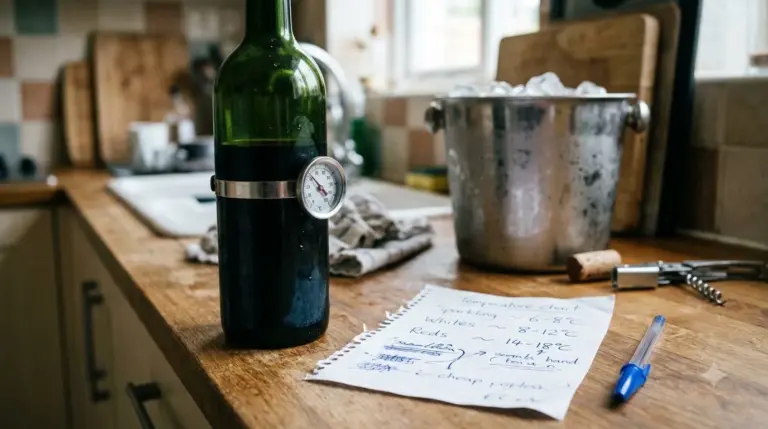
Correct serving temperature and storage conditions make a noticeable difference to the way J. Lohr wines show their flavors. Fuller reds benefit from slightly cooler serving conditions than many people expect, while whites generally become more expressive when they are not served excessively cold.
For Cabernet Sauvignon and other fuller-bodied reds, aim for approximately 60 to 65 degrees Fahrenheit. This range helps preserve freshness while allowing the wine’s fruit, oak, and tannin to show. If a bottle has been stored in a warm room, a short period of refrigeration before serving can help bring it closer to the preferred temperature.
For lighter reds such as Pinot Noir, aim for approximately 55 to 60 degrees Fahrenheit. Chardonnay and other fuller-bodied whites generally work well around 50 to 55 degrees Fahrenheit, while Sauvignon Blanc and lighter whites are usually best around 45 to 50 degrees Fahrenheit.
Decanting can be useful for young, full-bodied Cabernet Sauvignon. Allow approximately 30 to 60 minutes for a young red that seems particularly firm or closed. However, decanting is not a requirement for every bottle, and lighter wines may not benefit from the same treatment.
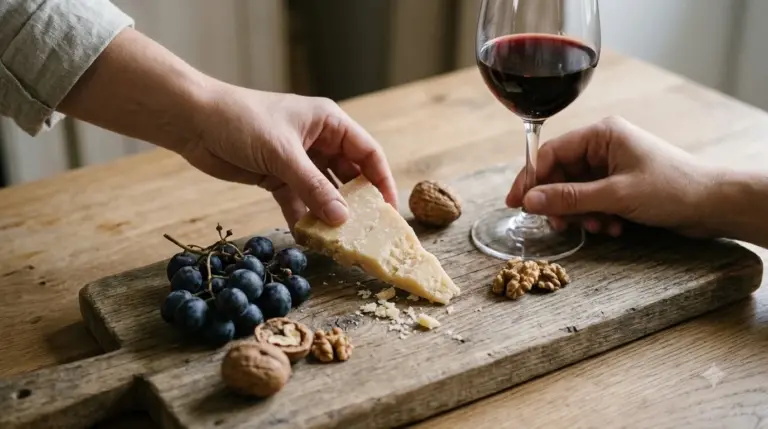
Food pairing is another opportunity to improve the experience. Cabernet Sauvignon’s higher tannin works particularly well with grilled beef, lamb, and dishes containing fat. Merlot’s softer, medium tannin makes it a practical choice for roasted chicken, meatloaf, and burgers. Pinot Noir can accompany mushrooms, duck, and roasted poultry because its acidity and moderate structure are less imposing.
For whites, Chardonnay can complement roast chicken, creamy pasta, and richer seafood dishes. Sauvignon Blanc works with salads, green vegetables, goat cheese, and herb-driven meals. Riesling can be useful when a dish includes sweetness or spice, provided the wine’s sweetness is matched appropriately to the food.
Storage matters if you are keeping bottles for later. Store wine in a cool, dark location near 55 degrees Fahrenheit, with minimal temperature changes and vibration. Bottles sealed with traditional corks should generally be stored on their sides to keep the cork from drying out.
Once opened, reseal the bottle and refrigerate it, including red wines. Most still wines remain in reasonable drinking condition for approximately three to five days, although freshness depends on the wine and how much oxygen has entered the bottle. For longer-term storage, follow the winery’s guidance for the particular wine instead of assuming that every J. Lohr bottle will improve with age.
Frequently Asked Questions
Is J. Lohr considered a luxury wine brand?
J. Lohr is primarily known as an established California producer with wines spanning several levels of its portfolio. Its Estates wines provide accessible entry points, while its Signature and specialized vineyard selections offer more distinctive expressions. The brand is better understood as a broad portfolio producer than as an exclusively luxury winery.
Does J. Lohr make organic wine?
J. Lohr emphasizes sustainable vineyard practices and has received recognition for its sustainability efforts. Sustainable certification and organic certification are different standards, however. Shoppers specifically seeking certified-organic wine should look for an explicit organic certification rather than assuming that sustainable farming means organic production.
Is J. Lohr wine suitable for a dinner party?
Yes. Its selection of familiar grapes makes it practical for gatherings with different food preferences. A mixed selection of Cabernet Sauvignon, Chardonnay, Pinot Noir, and Sauvignon Blanc provides several distinct styles without requiring guests to become familiar with unusual grape varieties.
Does J. Lohr produce alcohol-removed wine?
Yes. J. Lohr has a separate ARIEL range of alcohol-removed wines. The range uses a different production approach from its conventional bottled wines and provides an additional option for shoppers specifically interested in alcohol-removed products.
Where can visitors taste J. Lohr wines in California?
J. Lohr operates wine centers in Paso Robles and San Jose, California. These locations provide opportunities to explore the winery’s wines in person and learn more about its Central Coast history. Visitors should consult the winery’s official tasting information for current reservations, opening hours, and available experiences.
Overall, J. Lohr is a worthwhile California wine brand for shoppers who appreciate recognizable varieties, regional character, and a choice of approachable and more specialized wines. Seven Oaks Cabernet Sauvignon and Riverstone Chardonnay are sensible starting points, while the Vineyard Series, Signature, and Cuvée collections offer interesting alternatives for more experienced wine drinkers. The best bottle depends on the grape, region, and style you enjoy rather than the brand name alone.
More in Wine Brands
 Is Stella Rosa Red Good? A Practical Guide to Taste and ValueUpdated Nov 21, 2026
 Is Sterling Wine Good? How to Choose a Bottle Worth BuyingUpdated Nov 21, 2026
 Is Mateus Rose Good? Taste, Sweetness and Food Pairing ExplainedUpdated Nov 21, 2026
 Is Orin Swift Wine Good? How to Choose the Right BottleUpdated Nov 21, 2026
 Is Penfolds Wine Good? How to Choose the Right BottleUpdated Nov 21, 2026
 Is Hardys Wine Good? How to Choose the Right BottleUpdated Nov 21, 2026