

We may earn a commission when you buy through links on this page, at no extra cost to you. Learn more.
J Lohr chardonnay is a range of California Chardonnays from J. Lohr Vineyards & Wines, a family-owned winery that sources fruit from Paso Robles, Monterey and other Central Coast vineyards. The winery’s website lists several Chardonnay bottlings, including the Arroyo Vista Chardonnay from its Vineyard Series, and some bottlings show a clear oak character. Its best-known Chardonnay, Riverstone, dates back to the late 1980s and helped launch the estate tier of the brand.
This guide explains what J Lohr chardonnay is, where the fruit comes from, how the wines are made, how they taste, and how to serve and pair them. The facts come from the winery’s website, from reference material on the company, and from general guidance on the grape, so you can decide which bottle suits your table.
What J Lohr Chardonnay Is
J. Lohr is a California winery founded by Jerry Lohr in the 1970s, and its official website lists its current collections. The company is headquartered in San Jose, and its estate vineyards cover roughly 4,000 acres across four American Viticultural Areas, including Paso Robles in San Luis Obispo County and Arroyo Seco and Santa Lucia Highlands in Monterey County. The winery’s own site describes its sustainability efforts as rooted in Jerry Lohr’s long experience in farming, and it is a family business in its second generation.
Chardonnay is one of the core whites in that portfolio. The winery’s website mentions a 2024 Arroyo Vista Chardonnay, and reference material notes that the first Riverstone Chardonnay came from Arroyo Seco in 1987. Those two bottlings show how the brand moves from a single-vineyard Monterey style to a Paso Robles white with a softer, riper profile. Buyers who search for J Lohr chardonnay are usually comparing a few names on a shelf, so the sections below explain how to tell them apart.
Where the Fruit Comes From
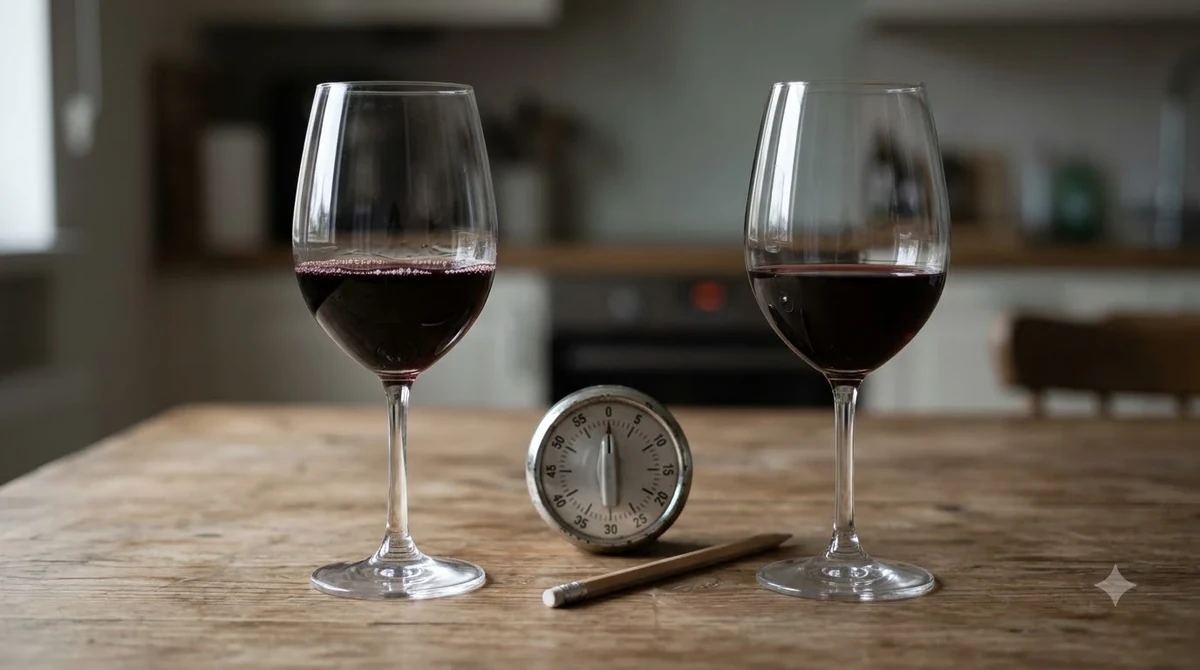
The brand draws its Chardonnay from several regions, and the origin of the grapes shapes the wine more than any other single decision. Monterey’s Arroyo Seco and Santa Lucia Highlands have cool breezes from the Pacific, which keep the grapes fresh and the acidity bright. Paso Robles is warmer and further inland, so its Chardonnays tend to show riper fruit and a fuller texture.
The winery’s Paso Robles Wine Center sits at 6169 Airport Road and offers vineyard views, and the website also mentions Shotwell Vineyard in Paso Robles. Those details help explain why the brand’s collections are named by place and series, rather than by a single house style. When you choose a bottle, the region on the label is the first clue to the weight and freshness you will find.
How the Wines Are Made and Aged
Chardonnay can be made in a crisp, unoaked style or in a richer style with barrel ageing and malolactic fermentation, which softens the acidity and adds buttery notes. Reference material on the grape describes oaked versions as fuller and creamier, with vanilla, spice and toast from the barrels. J. Lohr’s website does not publish a detailed barrel regime for each wine, so the most useful guidance is to read the back label for the oak treatment of the bottle you are buying.
The company’s history includes a strong focus on water and energy. Reference material notes that since 2003 the winery has reduced its water use per gallon of wine from 3.5 gallons to 1.6, and that solar power supplies an estimated 75 to 85 percent of the energy at its Paso Robles winery. That work is not a flavour claim, but it does show how the brand approaches production over the long term.
How J Lohr Chardonnay Tastes
Chardonnay from a warm to moderate climate typically shows peach, mango, lemon and ripe apple, with a vanilla and butter note when the wine has seen oak. Reference material on the grape lists these as the typical oaked flavours, and notes that bottle age can bring hazelnut and honey notes over time. The fuller oaked styles feel creamy on the palate, with medium body and moderate acidity.
The exact balance changes with the bottling. A Monterey Chardonnay from a cool site is usually leaner and crisper, while a Paso Robles bottle can be riper and rounder. If you prefer a fresh, citrus-led white, look for a bottling that emphasises the cooler region. If you want a fuller, creamier wine, a barrel-aged Paso Robles Chardonnay will suit better.
| Style | Typical character | Serving temperature | Best food match |
|---|---|---|---|
| Lean, unoaked | Green apple, citrus, mineral notes, high acidity | About 45 degrees Fahrenheit (7 degrees Celsius) | Oysters, sushi, sautéed fish |
| Oaked, creamy | Peach, mango, vanilla, butter, toast | About 55 degrees Fahrenheit (12 degrees Celsius) | Crab cakes, halibut, pork tenderloin with apples |
| Vegetarian | Depends on the oak and ripeness | Between 45 and 55 degrees Fahrenheit | Corn, squash, mushrooms |
How to Serve and Pair J Lohr Chardonnay
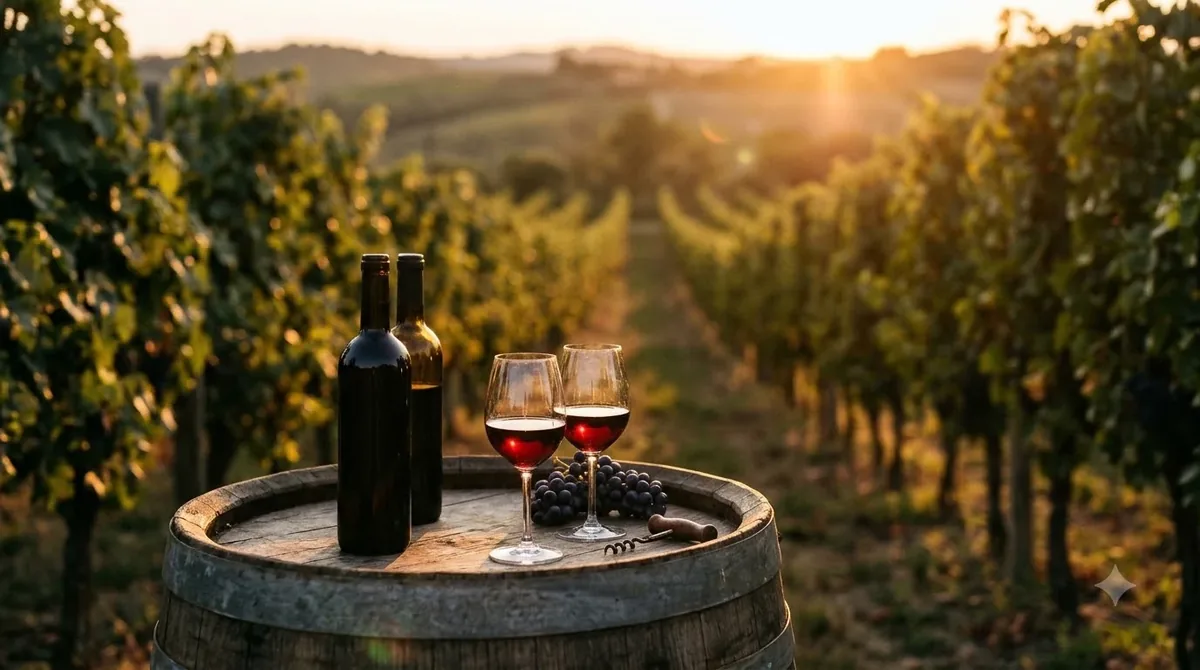
Serve the wine chilled, but not ice cold. For a lean, crisp bottling, a cooler temperature helps the acidity show. For an oaked, creamy style, let the glass warm a little, so the fruit and vanilla notes come forward. Pour a generous glass, since Chardonnay opens as it warms in the glass.
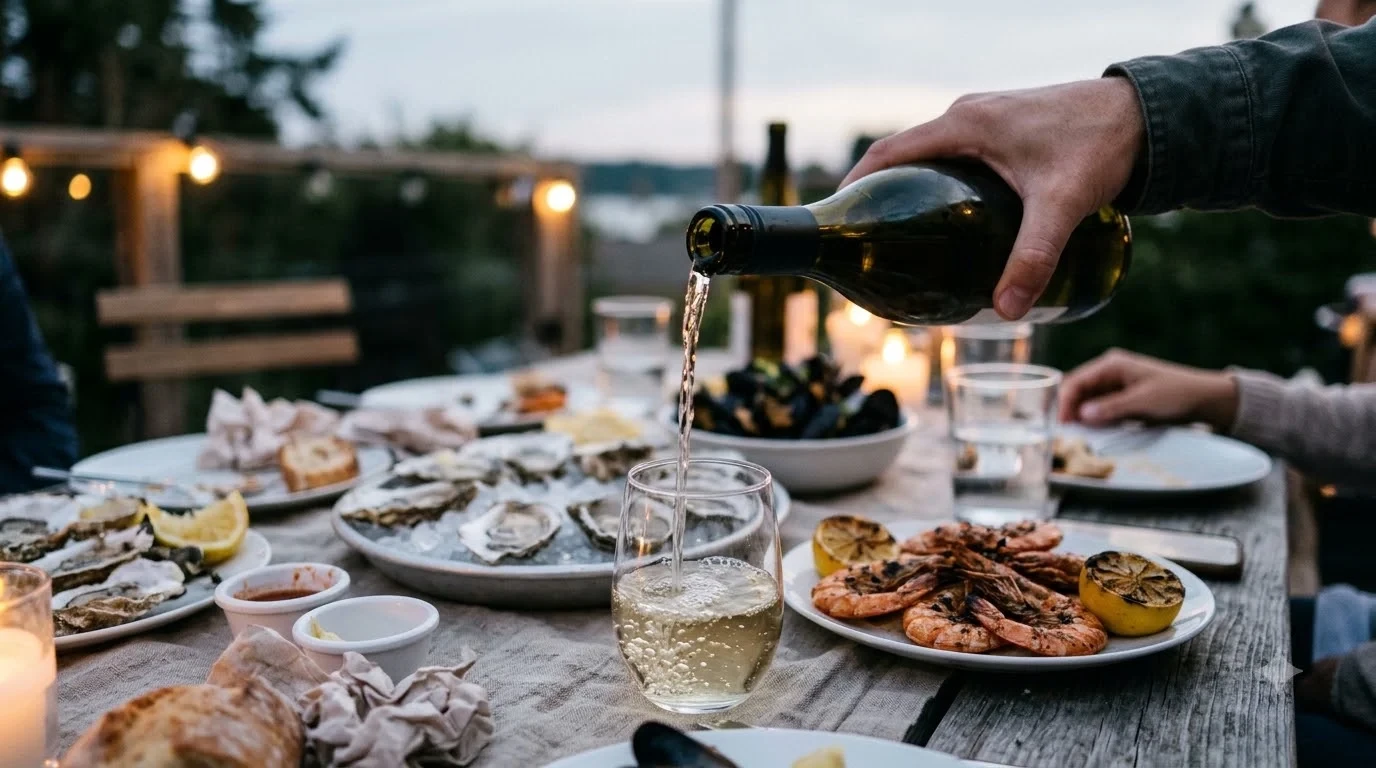
Food pairings follow the style. Lean Chardonnays suit oysters, sushi and sautéed white fish, where the acidity cuts through the richness of the dish. Oaked Chardonnays are better with crab cakes, roast chicken with a cream sauce, and pork tenderloin with apples or a fruit glaze. Vegetarian dishes with corn, squash or mushrooms also match the creamy texture well.
Tip: If a guest asks for a wine with dinner but the meal is spicy, choose the leaner Chardonnay. Its acidity keeps the wine refreshing next to heat and chilli.
Who J Lohr Chardonnay Suits and Who Might Skip It
J Lohr Chardonnay suits people who enjoy a clear, balanced white with a bit of richness, and it is a practical choice for dinner parties where guests have different tastes. It also suits drinkers who like to compare the same grape across regions, since the brand’s range makes that easy.
Shoppers who want an extremely lean, mineral Chablis-style white may find the riper Paso Robles bottlings too rounded. Anyone who wants a wine with no oak at all should read the label carefully before buying. If you are comparing this brand with other popular Chardonnays, our guides to meiomi chardonnay, chateau ste michelle chardonnay and woodbridge chardonnay cover other styles at a similar everyday level.
For a wider view of how producers and brands are grouped, the wine brands guide is a useful next step after you narrow your choice.
Frequently Asked Questions
Is J Lohr Chardonnay oaked?
Some bottlings are barrel-aged and some are lighter. The winery does not publish a full barrel regime for every wine on its website, so check the back label for the oak treatment of the specific bottle you are buying.
Where does J Lohr get its Chardonnay grapes?
The winery has estate vineyards in Paso Robles and Monterey County, including the Arroyo Seco and Santa Lucia Highlands.
What is the best way to serve J Lohr Chardonnay?
Serve the lean styles cool, around 45 degrees Fahrenheit, and the oaked styles a little warmer, around 55 degrees. Pour a generous glass so the aromas open as the wine warms.
What food goes with J Lohr Chardonnay?
Lean styles suit oysters, sushi and sautéed fish. Oaked styles match crab cakes, roast chicken with cream sauce and pork tenderloin with apples.
J. Lohr Chardonnay offers a clear way into the California Chardonnay style, with a choice between lean and creamy bottlings. Start with the region on the label, match the wine’s weight to your meal, and check the winery’s website for current releases. A single bottle served at the right temperature will show you quickly whether the style suits you.
More in Wine Brands
 Underwood Wine Price: Compare Bottles, Cans, and Pack SizesUpdated Nov 21, 2026
 Zenato Wine Price: Compare Styles and Choose the Right BottleUpdated Nov 21, 2026
 Zuccardi Wine Price: Compare Bottles and Find the Right RangeUpdated Nov 21, 2026
 Yellow Tail Moscato Review: Taste, Sweetness and Serving TipsUpdated Nov 21, 2026
 Wolf Blass Yellow Label Review: Choose Your Best StyleUpdated Nov 21, 2026
 Wolffer Estate Rose Review: Choose the Right Bottle for Your TableUpdated Nov 21, 2026