

We may earn a commission when you buy through links on this page, at no extra cost to you. Learn more.
This wolffer estate rose review finds that Wölffer makes approachable, dry, fruit-forward rosés that suit summer entertaining, seafood, and everyday meals. The winery’s Estate Rosé and Summer in a Bottle Long Island Rosé are particularly useful starting points, offering different expressions of Long Island fruit and coastal freshness. Choose Estate Rosé for a more understated, versatile dinner wine, or Summer in a Bottle for a more expressive fruit profile and a recognizable bottle for entertaining.
Wölffer Estate has become closely associated with the Hamptons rosé scene, but its wines are not simply decorative summer bottles. Their dry finishes, refreshing acidity, and moderate alcohol levels make them practical options for food as well as casual sipping. Understanding the differences between the Estate and Summer in a Bottle labels makes it easier to select a bottle that suits your preferences, occasion, and menu.
Who This Wölffer Rosé Guide Is For
Wölffer Rosé is a strong option for drinkers who prefer refreshing, fruit-led wines with a dry finish rather than noticeably sweet pink wines. Its Long Island bottlings offer approachable fruit flavors, while their acidity and restrained tannin structure help them work at the dinner table.
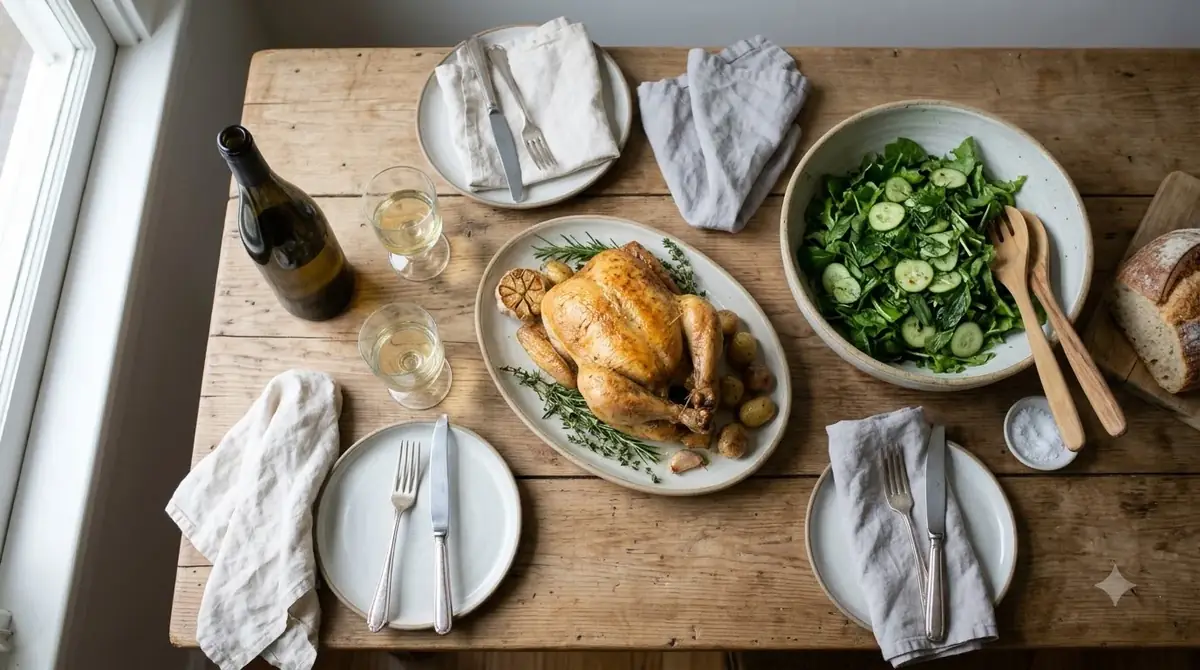
This guide is especially useful if you are choosing between the winery’s Estate Rosé and Summer in a Bottle Long Island Rosé. Both come from Long Island, New York, but their presentation and flavor emphasis differ. Estate Rosé belongs to the Gold Label Collection, while Summer in a Bottle has a more recognizable seasonal identity associated with the Hamptons.
The wines also suit different buying situations. Estate Rosé makes sense for someone looking for an uncomplicated bottle to serve with seafood, chicken, or light appetizers. Summer in a Bottle is a natural consideration for a summer gathering, outdoor lunch, or occasion where the bottle itself is part of the presentation.
There is also a useful distinction between someone who enjoys fruit-forward rosé and someone who prefers a particularly restrained, mineral-driven style. Wölffer offers freshness and fruit, but its wines can have a more generous fruit character than the leanest examples of Provence rosé. If you enjoy ripe strawberry, citrus, peach, and red currant notes, the winery’s range is worth exploring.
However, Wölffer is not necessarily the right choice for every palate. Someone seeking a noticeably sweet pink wine should not assume that fruity aromas indicate residual sugar. Likewise, drinkers who want an extremely austere, almost neutral rosé may prefer a more restrained alternative. Understanding that distinction before purchasing makes the choice considerably easier.
For a broader introduction to producers and the differences between their portfolios, the Wine Brands resource provides useful background for comparing wineries rather than choosing solely by label design.
Key Factors to Compare Before Choosing a Bottle
The most useful comparison points are sweetness, acidity, fruit character, alcohol, and the intended occasion. These characteristics determine whether Estate Rosé or Summer in a Bottle is likely to work better with your preferences and food.
| Comparison factor | Estate Rosé 2025 | Summer in a Bottle 2025 |
|---|---|---|
| Origin | Long Island, New York | Long Island, New York |
| Collection | Gold Label | Summer in a Bottle |
| Alcohol by volume | 12.5% | 12.8% |
| Bottle size | 750 ml | 750 ml |
| Producer’s color description | Medium copper | Pale salmon |
| Fruit character | Ripe fresh fruit | Cranberry and red currant |
| Additional aromatic notes | Honeysuckle and violets | Rose petals and herbs |
| Palate emphasis | Concentrated fruit and savory finish | Red berries and coastal freshness |
| Food direction | Shellfish, poultry, pork, and soft cheeses | Seafood, appetizers, fish, and turkey |
The alcohol figures are particularly helpful because they demonstrate that these wines occupy a similar general category. The 2025 Estate Rosé has 12.5% ABV, while Summer in a Bottle has 12.8%. Neither is an especially high-alcohol rosé, and both can comfortably accompany a meal without dominating delicate flavors.
Sweetness deserves separate attention. Both wines are presented as dry styles, even though their fruit aromas can suggest ripe peaches, strawberries, or red berries. Aromatic fruitiness and actual sweetness are different characteristics. A wine can smell distinctly fruity while finishing dry, especially when refreshing acidity balances the fruit impression.
Acidity is another important consideration. Wölffer describes vibrant or refreshing acidity in both bottlings. This quality helps the wines remain refreshing alongside seafood, salads, and moderately rich dishes. A wine with sufficient acidity can also work better with tomato-based food than a soft, low-acid alternative.
For a more detailed comparison of rosé styles, consider how Wölffer’s Long Island approach differs from the familiar Whispering Angel rosé. The comparison is useful because regional origin, grape selection, fruit expression, and winemaking choices can produce noticeably different experiences even when both wines are dry and pale pink.
Tip: Do not choose a rosé based on its color alone. A pale salmon wine is not automatically drier or more delicate than a copper-colored one. Compare the producer’s tasting description, alcohol level, acidity, and intended food pairings instead.
Step-by-Step: How to Choose Wölffer Estate Rosé
Choosing a Wölffer bottle becomes easier when you start with the occasion and work backward toward the wine style. These five steps help narrow the selection without relying on packaging or reputation alone.
-
Decide whether you prefer subtle or expressive fruit.
Start with the Estate Rosé if you want a versatile wine described by the producer through floral aromas, ripe fruit, minerality, and a savory finish. Consider Summer in a Bottle if red currant, cranberry, rose petal, and herbal notes sound more appealing.
-
Determine whether you want a dinner wine or an entertaining bottle.
Estate Rosé is a sensible choice for a regular dinner featuring roast chicken, seafood, or pork. Summer in a Bottle has a distinctive seasonal identity that suits outdoor gatherings, picnics, and summer celebrations. Both can serve either purpose, but the distinction helps guide the decision.
-
Consider the food before selecting the wine.
For shellfish, shrimp, smoked salmon, and light fish dishes, both wines are suitable candidates. For a richer meal involving roasted pork, turkey, or chicken, Estate Rosé offers a particularly practical pairing direction based on the producer’s recommendations.
-
Compare the alcohol levels.
The 2025 Estate Rosé contains 12.5% ABV, compared with 12.8% for Summer in a Bottle. The difference is small, so it should not be the deciding factor for most buyers. Still, the figures provide a useful reference when comparing other bottles.
-
Choose the appropriate regional expression.
If you specifically want a Long Island rosé, select one of the two New York bottlings. If you want a French rosé instead, explore Wölffer’s separate Summer in a Bottle Côtes de Provence release. It offers a different regional identity and grape blend.
One final buying consideration is vintage availability. Rosé is often associated with the most recent growing season, and individual releases can differ in fruit expression and balance. Wine Enthusiast’s assessment of the 2024 Wölffer Rosé, for example, describes orange blossom, apricot, and citrus, while the producer’s 2025 Estate description emphasizes honeysuckle, violets, ripe fruit, and minerality.
That difference illustrates why a previous vintage’s description should be treated as guidance rather than a guarantee of the next release. If you already know you enjoy Wölffer, the newer vintage is a sensible starting point, but its individual characteristics still deserve attention.
Wölffer Rosé Styles Explained
Wölffer offers more than one way to experience rosé, and the regional distinction is important. The Long Island Estate and Summer in a Bottle wines are different from the winery’s Côtes de Provence expression, even though the labels share a recognizable seasonal identity.
Estate Rosé: The Versatile Long Island Choice
Estate Rosé belongs to Wölffer’s Gold Label Collection. The producer describes its 2025 release as medium copper in color, with honeysuckle, violet, ripe fruit, and a delicate creamy-yeast impression. The palate combines concentrated fruit with lively acidity, fine tannins, minerality, and a savory finish.
This combination makes Estate Rosé a useful all-purpose bottle. It has enough fruit to remain enjoyable on its own, but the acidity and savory elements give it a place alongside food. Smoked salmon, poached lobster, raw shellfish, soft cheeses, turkey, and grilled chicken are all reasonable pairing choices.
Wine Enthusiast’s description of the 2024 bottling provides another perspective on the style. The publication identifies orange blossom, apricot, and citrus aromas, with a dry, light, crisp palate. That review suggests a refreshing wine with a relatively approachable texture rather than an intensely structured rosé.
Summer in a Bottle Long Island: Fruit and Seasonal Character
Summer in a Bottle Long Island Rosé is the winery’s better-known seasonal expression. Wölffer says the original wine was introduced in 2013 to capture the character of summer in the Hamptons. Its original blend drew on eight grape varieties, including Merlot, Cabernet Sauvignon, Chardonnay, Cabernet Franc, Gewürztraminer, Sauvignon Blanc, Pinot Meunier, and Pinot Blanc.
The 2025 version is described by the producer as pale salmon in color, with rose petal, cranberry, red currant, and herbal aromas. Its refreshing acidity, fine tannins, and mineral character give it a combination of fruit and structure that works well at social gatherings and meals.
Wine Enthusiast’s 2025 review describes ripe strawberry, peaches and cream, and stone fruit, alongside a dry palate and tangy freshness. This offers a useful independent perspective on the wine’s more expressive fruit character. Its review of the 2025 Summer in a Bottle Long Island Rosé provides additional tasting context for buyers comparing vintages.
The wine is particularly suitable for people who want a rosé that can move between appetizers and main courses. Smoked salmon, shrimp, lobster, soft cheeses, fish, pork, and turkey are among the producer’s suggested companions.
Summer in a Bottle Côtes de Provence: The French Alternative
The Côtes de Provence bottling is a separate wine rather than simply another label for the Long Island release. Wölffer describes it as a partnership with a winery in France’s Côtes de Provence, using Grenache, Cinsault, Syrah, and Vermentino.
The producer’s description emphasizes citrus, peach, tangerine, floral aromas, freshness, and a distinctive saline character. Its combination of fruit and minerality makes it an appealing alternative for someone who enjoys the general style of French Mediterranean rosé.
The distinction matters because regional origin and grape varieties affect the finished wine. The Long Island versions draw on a broader collection of varieties associated with the winery’s local program, while the Provence blend uses a different set of grapes and reflects a different regional tradition.
Buyers interested in the broader Hamptons rosé category may also compare Hampton Water rosé. Both names are associated with the region’s summer drinking culture, but the individual wine, blend, and producer should remain the deciding factors.
Common Mistakes When Buying and Serving Wölffer Rosé
The most common mistakes involve confusing fruit aromas with sweetness, serving rosé too warm, and assuming all Wölffer bottles taste alike. A few simple adjustments can make a noticeable difference to the drinking experience.
Assuming Fruity Means Sweet
Strawberry, peach, cranberry, and red currant aromas can make rosé seem sweet even when the wine is dry. Wölffer’s Long Island wines are positioned as dry expressions, with acidity providing freshness and balance.
This distinction is particularly important for people who usually avoid sweet wines. If you enjoy ripe fruit flavors but dislike sugary finishes, Wölffer’s dry rosé styles may be a better match than their aromas initially suggest.
Serving the Wine Too Warm
Rosé loses some of its refreshing character when served too warm. Light-bodied whites and rosés are generally best served around 45 to 50 degrees Fahrenheit. This temperature preserves freshness without suppressing every aromatic detail.
A wine served directly from a warm kitchen or outdoor table may feel softer and less lively than intended. Chilling the bottle in advance helps maintain its crisp character throughout the meal.
Choosing Food Without Considering Acidity
Acidity is one of the reasons dry rosé works well with food. Dishes containing lemon, vinaigrette, tomatoes, or other acidic ingredients generally benefit from wines with comparable acidity. A low-acid wine can seem flat beside a sharply acidic dish.
Wölffer’s rosé is particularly suitable for shellfish, grilled seafood, and fresh salads because its refreshing character complements rather than overwhelms these foods. Salt and fat can also soften the perception of tannin, which helps explain why rosé with some structure can work with richer appetizers.
Expecting One Bottle to Suit Every Menu
Although rosé is versatile, pairing still matters. Estate Rosé and Summer in a Bottle can accompany many similar dishes, but neither is automatically ideal for every ingredient. Delicate white fish, heavily spiced meat, and rich tomato dishes create different demands.
For example, a heavily tannic red can clash with oily fish, while a refreshing rosé is generally a more accommodating choice. However, spicy dishes require attention to alcohol and heat. Higher alcohol and tannin can amplify chili heat, so moderately spicy food is a safer match than extremely hot preparations.
Ignoring the Occasion
A bottle selected for an outdoor party does not necessarily need the same characteristics as one intended for a formal dinner. Summer in a Bottle has a strong seasonal association, while Estate Rosé provides a straightforward alternative for regular meals.
Thinking about the menu, serving conditions, and guests’ preferences is more useful than selecting a bottle based on popularity alone.
Care and Storage Tips for Better Rosé
Wölffer Rosé is best enjoyed with freshness in mind, so temperature control and sensible storage are more important than extended cellaring. Keeping the bottle cool, protecting it from light, and refrigerating leftovers helps preserve its aromatic character.
Chill Before Serving
A temperature of 45 to 50 degrees Fahrenheit is a useful target for light-bodied rosé. Put the bottle in the refrigerator ahead of serving rather than relying on a few minutes in an ice bucket at the table.
If the bottle becomes too cold, allow it to warm slightly in the glass. This gradual change helps reveal fruit and floral aromas. Very cold wine can make its acidity feel sharper and mute some of its aromatic detail.
Use Appropriate Glassware
A standard white-wine glass is an excellent choice for Wölffer Rosé. Its bowl provides enough space for floral and fruit aromas to develop, while the narrower opening helps maintain freshness.
There is no requirement to use specialized rosé glassware. A clean, medium-sized wine glass is sufficient for both Estate and Summer in a Bottle. For informal gatherings, smaller glasses can also help keep servings cool and manageable.
Store Unopened Bottles Properly
For longer storage, keep wine away from direct sunlight, strong temperature fluctuations, and heat-producing appliances. A cool environment near 55 degrees Fahrenheit is a useful general target for wine storage.
Bottles sealed with natural cork are generally stored on their sides to help keep the cork from drying out. For rosé intended for relatively early consumption, avoiding excessive heat and light is more important than attempting to age it for an extended period.
Preserve an Opened Bottle
Once opened, reseal the bottle and place it in the refrigerator. Most still wines remain reasonably enjoyable for approximately three to five days when stored properly, although delicate aromas and fresh fruit character can gradually fade.
Pouring smaller servings rather than leaving the bottle open on the table also helps maintain quality. If the wine develops an unpleasant stale aroma or loses its freshness, it is no longer showing its best characteristics.
For a typical 750 ml bottle, a standard 5-ounce pour produces approximately five glasses. This makes it easy to estimate how many bottles are needed for a dinner or small gathering without overpouring.
For entertaining, keep the next bottle refrigerated until needed rather than placing every bottle on the table at once. This is particularly useful during outdoor meals, where warm air and sunlight can quickly affect the wine’s serving temperature.
Frequently Asked Questions
Is Wölffer Estate Rosé vegan?
The producer’s product descriptions cited here do not establish whether every Wölffer rosé is vegan. Wine clarification can involve processing aids that are not obvious from the ingredient list. Buyers following a strict vegan diet should request confirmation about the specific bottling and vintage from the winery.
Does Wölffer Estate make sparkling rosé?
Wölffer has a broader portfolio that includes sparkling wines as well as still wines. A sparkling rosé should be treated as a different purchase from the Estate or Summer in a Bottle still rosé. Check the specific product description for carbonation, production method, and sweetness designation before selecting a bottle.
Where is Wölffer Estate Vineyard located?
The winery’s published address is 139 Sagg Road, Sagaponack, New York 11962. Sagaponack is part of Long Island’s South Fork, an area associated with the Hamptons. Visitors should check the winery’s reservation information before planning a tasting-room visit.
Can Wölffer Rosé be used in a wine cocktail?
Yes. A dry rosé can provide a fruity, refreshing base for simple wine cocktails. It can be combined with chilled sparkling water, citrus, or fresh berries, although adding sweet mixers will change the finished drink’s sweetness and balance. Avoid using an expensive or particularly expressive bottle if the recipe contains strongly flavored ingredients.
How many calories are in a glass of Wölffer Estate Rosé?
The product descriptions discussed in this guide do not provide a verified calorie count for each bottling. Calorie content depends partly on alcohol and residual sugar, so figures from another rosé should not automatically be applied to Wölffer. For an exact nutritional figure, consult the producer’s current product information for the specific vintage.
Wölffer Estate Rosé is a worthwhile choice for drinkers who enjoy dry, refreshing wines with recognizable fruit character and food-friendly acidity. Estate Rosé is the versatile starting point, while Summer in a Bottle Long Island offers a more expressive seasonal identity; the Côtes de Provence version provides a separate French alternative. Choose according to your preferred fruit profile and menu, serve the wine properly chilled, and either bottle can make a welcome addition to a summer meal or casual dinner.
More in Wine Brands
 Underwood Wine Price: Compare Bottles, Cans, and Pack SizesUpdated Nov 21, 2026
 Zenato Wine Price: Compare Styles and Choose the Right BottleUpdated Nov 21, 2026
 Zuccardi Wine Price: Compare Bottles and Find the Right RangeUpdated Nov 21, 2026
 Yellow Tail Moscato Review: Taste, Sweetness and Serving TipsUpdated Nov 21, 2026
 Wolf Blass Yellow Label Review: Choose Your Best StyleUpdated Nov 21, 2026
 Wolf Blass Yellow Label Price: What to Expect for Each BottleUpdated Nov 21, 2026