

We may earn a commission when you buy through links on this page, at no extra cost to you. Learn more.
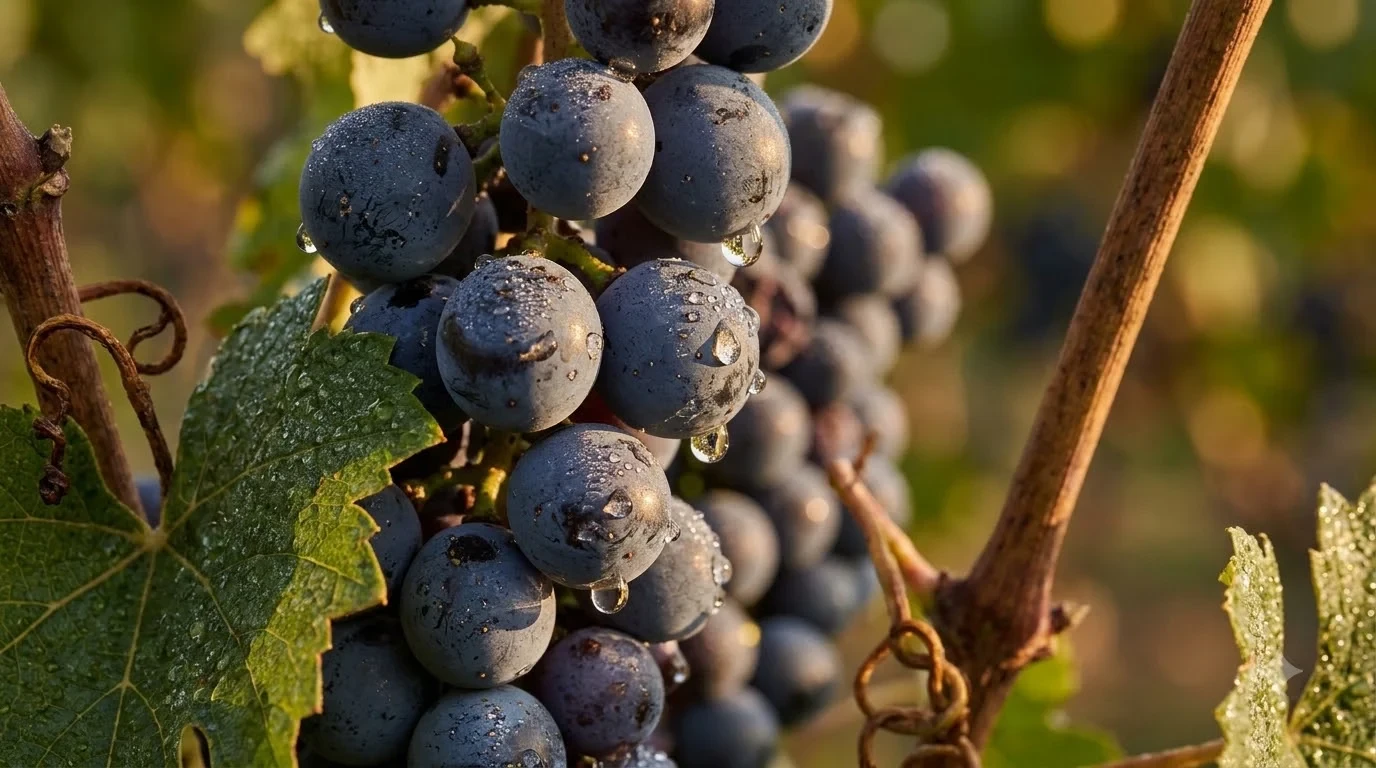
Long Island wine is mostly made on the North Fork, where Bordeaux grape varieties such as Merlot and Cabernet Franc ripen in a cool maritime climate and give fresh, savory reds, crisp whites, and some of the state’s most serious sparkling wine. The region is small compared with California or Bordeaux, but its wineries have built a clear identity around balance, freshness, and lower alcohol.
If you have seen “Long Island wine” on a bottle or a wine list and wondered what sets it apart, this guide covers where the vineyards are, how the climate shapes the flavor, which grapes do best, and how to choose and serve a bottle. It also explains how the region differs from other places in the eastern United States, so you know what to expect before you open it.
Where Long Island wine comes from
The Long Island American Viticultural Area (AVA) covers the whole island, but most of the vineyards sit in two sub-regions. The North Fork is the long eastern finger of land that reaches toward Shelter Island, and it holds the large majority of the vines. The Hamptons AVA sits on the South Fork, closer to the Atlantic, and is better known for rosé and zesty white wines. Both sub-regions were recognized as AVAs before the island-wide appellation was created in 2001.
The North Fork is the warmer of the two. Its vineyards are sheltered by Peconic Bay, which tends to produce riper fruit, fuller bodies, and somewhat higher alcohol. The Hamptons are cooler because of their Atlantic exposure, so their wines usually show more acidity and lighter bodies. When someone talks about the “classic” Long Island style, they usually mean North Fork reds.
A short history of the region
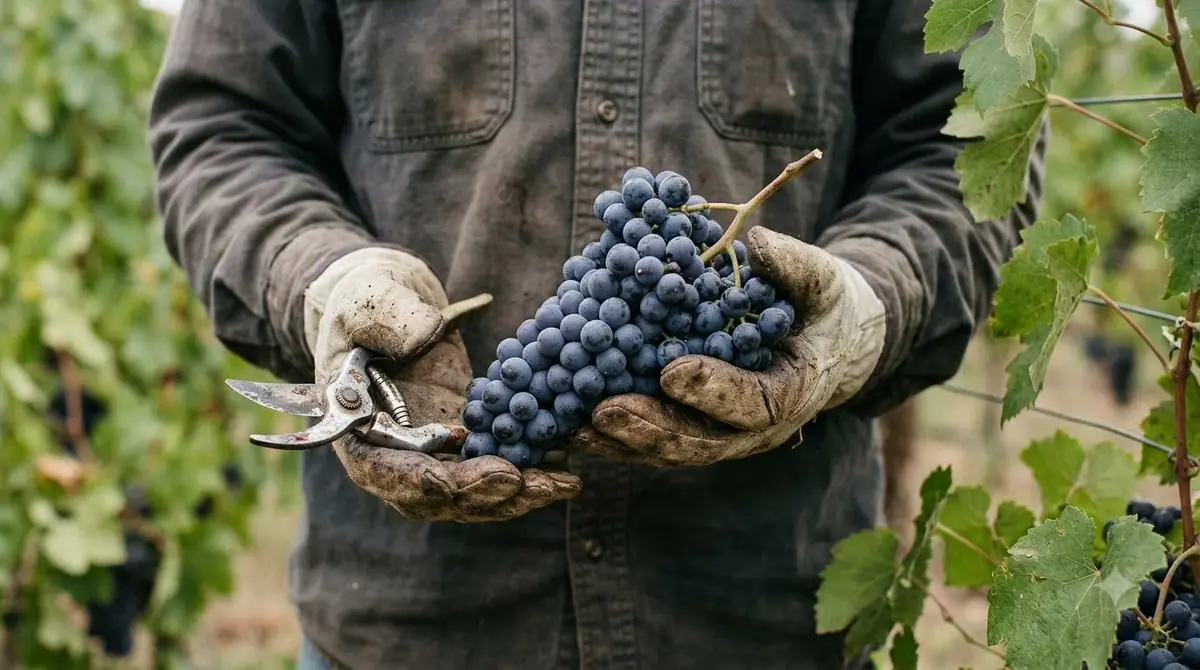
Grapes were grown on Long Island in the 1820s, but those early plantings were wiped out by disease and the effort faded. The modern industry started in 1973, when Louisa and Alex Hargrave planted vinifera vines by hand on an abandoned potato farm in Cutchogue. Potatoes had been the island’s main crop for generations, and many of those farms were already empty by the 1970s.
The early years were not easy. The cold, sandy soil and the threat of severe hurricanes worked against new growers, and the maritime climate was the main thing in their favor. The Hargraves’ Cabernet Sauvignon and Pinot Noir had encouraging results, and other growers followed. New York’s Farm Winery Act in 1976 allowed small wineries to sell directly to the public, which helped the region grow quickly through the late 1970s and 1980s.
Early growers mostly planted what they liked to drink, including Cabernet Sauvignon and Sauvignon Blanc. Chardonnay was added in the 1980s. Over time, Merlot proved to be the most dependable crop, and it became the most planted variety on the island. The Long Island AVA itself was created in 2001, after the North Fork (1986) and the Hamptons (1985) had already been established. You can read more about the region’s development in this history of Long Island wine from the regional wine council’s materials.
Grapes and styles you will see
Bordeaux varieties define the region. Merlot leads the plantings, while Cabernet Franc, Cabernet Sauvignon, Malbec, and Petit Verdot fill out the red side. The white side is led by Chardonnay, with Sauvignon Blanc and other aromatic varieties in smaller amounts. The region also makes traditional-method sparkling wine from Chardonnay and Pinot Noir, and a growing number of producers experiment with pét-nat and orange wine.
Most reds are blended, and many carry the Meritage label, which is used for Bordeaux-style blends. Merlot is often paired with Cabernet Franc, and the result is what many people think of as the region’s signature. Cabernet Franc is also made as a varietal wine and as a dry rosé with red currant and raspberry notes.
| Style | Typical grapes | What to expect |
|---|---|---|
| Red blends and Meritage | Merlot, Cabernet Franc, Cabernet Sauvignon | Fresh black fruit, savory notes, a saline edge, and ripe but grippy tannins |
| Single-variety Cabernet Franc | Cabernet Franc | Red fruit, herbal lift, and a lighter body than many California reds |
| Chardonnay | Chardonnay | Restrained and salty, usually with less oak than California styles |
| Dry rosé | Cabernet Franc, Merlot | Red currant and raspberry aromas with a crisp, dry finish |
| Sparkling | Chardonnay, Pinot Noir | Brioche, lemon curd, and toast notes from traditional-method aging |
How the climate shapes the flavor
The island’s maritime climate is often compared to Bordeaux, though it runs a little warmer. Growing degree days and sunshine totals on the North Fork are higher than in many parts of Bordeaux, so the grapes ripen fully. The cold Atlantic and the bays that surround the vineyards keep the fruit from becoming overripe or jammy, which is why the wines often hold on to acidity and freshness.
Soils are mostly sandy and free-draining, and glacial deposits help move excess water away from the vines. Rainfall is moderate, but good drainage keeps the vineyards from staying wet. Wineries have also worked to reduce their environmental footprint, and more than half of the planted acreage is in the Long Island Sustainable Winegrowing program.
In practice, that climate means many Long Island wines land in the 11 to 12.5 percent alcohol range. For drinkers used to big, heavy California reds, these wines can feel lighter on the palate and more structured by acidity, even when the fruit is very ripe.
Tip: If you want to understand the region quickly, start with one Merlot-based red and one Cabernet Franc. Tasting them side by side shows how the same vineyards can produce different textures and aromas.
How to serve and pair Long Island wine
Serve the whites chilled but not ice cold, so the salty, citrus character comes through. Reds do best slightly cooler than room temperature, which keeps their fresh fruit lively and softens the tannins. Rosé and sparkling wine should be served well chilled. A short rest in the glass helps reds open up, and a decanter is not necessary for most bottles at this price range.
The region’s food pairings follow its climate. Briny Chardonnay and high-acid whites go well with oysters and clams, which are close to the local shellfish tradition. Merlot-based reds suit roast chicken, duck, and mushroom dishes, while Cabernet Franc works with herb-driven foods such as grilled vegetables and lamb. Sparkling wine is a practical choice for almost any meal, from fried foods to dessert.
How to choose a bottle and where to start
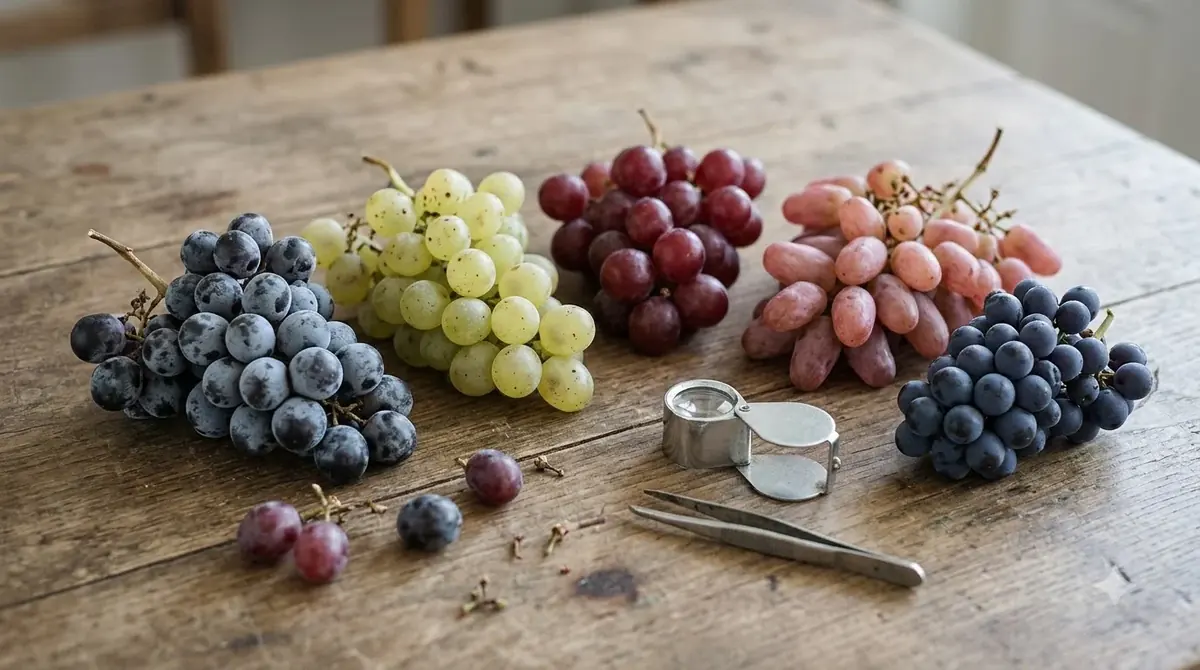
When you shop, look for the appellation on the label. A bottle labeled “Long Island” can come from either the North Fork or the Hamptons, while a “North Fork of Long Island” label tells you the grapes come from the warmer sub-region. The varietal name matters too. A Merlot-Cabernet Franc blend will taste different from a single-variety Cabernet Franc, even from the same producer.
For a first bottle, pick a dry rosé or an unoaked Chardonnay to see how the local style fits your palate. If you enjoy reds, move on to a Meritage-style blend. Many wineries also offer flights, and the tasting room is often the best place to compare styles without buying full bottles. If you plan a trip, the Long Island wineries guide describes which estates are worth a visit.
Frequently Asked Questions
Is Long Island wine any good?
Yes, many wineries make well-regarded wines, especially Merlot-based reds, Cabernet Franc, dry rosé, and sparkling wine. Quality varies by producer, so it helps to read reviews from established wine publications and taste several bottles before deciding.
What grape is Long Island known for?
Merlot is the most planted variety, and it is usually blended with Cabernet Franc to make the region’s best-known red. Chardonnay is the leading white, and Cabernet Franc is also made as a varietal and as a dry rosé.
How is Long Island wine different from wine from California?
Long Island wines are generally fresher and more acidic, with lower alcohol and less oak. California wines often show riper, fuller fruit and more pronounced oak. The maritime climate of the island is the main reason for the difference.
Should I decant Long Island red wine?
Most Long Island reds do not need decanting, but a short rest in the glass helps them open up. Older or more structured Meritage blends can benefit from a decanter for about an hour before serving.
Long Island wine rewards curiosity. Start with a rosé or a Merlot blend, compare a few producers, and then explore the sub-regions. For a broader look at how wine regions around the world compare, visit the Wine Regions section and build your own tasting list from there.
More in Wine Regions
 Willcox Wine Trail: Discover Arizona’s High-Elevation Wine CountryUpdated Nov 20, 2026
 Yakima Valley Wine Region: Find the Best Styles to TryUpdated Nov 20, 2026
 Vosne Romanee Wine Tasting: Identify Aromas and Choose Better PairingsUpdated Nov 20, 2026
 Yakima Valley Wine Festival: Find the Best Seasonal Wine EventsUpdated Nov 20, 2026
 Wales Vineyards: Discover Cool-Climate Wines and Where to VisitUpdated Nov 20, 2026
 Yountville Wine Festival: Discover Napa Wines and Local FoodUpdated Nov 20, 2026