

We may earn a commission when you buy through links on this page, at no extra cost to you. Learn more.
The willcox wine trail is a collection of wineries, vineyards, and tasting rooms in southeastern Arizona’s Willcox wine region, where visitors can discover distinctive high-desert wines and explore one of the state’s most important grape-growing areas. Located primarily in Cochise and Graham counties, the region combines elevations above 4,000 feet, warm growing seasons, cool nights, and diverse soils. Visitors can enjoy downtown tasting rooms in Willcox, travel to vineyard properties near Pearce and McNeal, and sample wines made from both familiar international grapes and less common varieties.
Arizona might not be the first place that comes to mind when planning a wine-country trip, but Willcox offers a compelling reason to reconsider. Its mountain-framed valleys, agricultural communities, and growing collection of independent wineries provide a different experience from the better-known wine destinations of California and Oregon. Whether you are interested in Cabernet Sauvignon, Rhône-inspired blends, unusual white grapes, or simply a scenic afternoon of wine tasting, Willcox offers plenty to explore.
Where the Willcox Wine Trail Is Located
The Willcox wine trail runs through southeastern Arizona, centered on the agricultural community of Willcox and extending into nearby vineyard areas in Cochise and Graham counties. Its wineries are spread across a broad landscape rather than concentrated along one continuous road, so planning a route is an important part of the experience.
The Willcox American Viticultural Area (AVA) was officially established in September 2016. According to the University of Arizona Cooperative Extension, it covers approximately 833 square miles along the northern portion of Sulphur Springs Valley. The designated area includes portions of northern Cochise County and southern Graham County, making it a substantial wine-growing district rather than a small collection of vineyards immediately surrounding the town.
Willcox is the natural starting point for most visitors. It has several downtown tasting rooms, making it possible to sample wines from different producers without driving between separate vineyard properties for every stop. Railroad Avenue and Haskell Avenue are useful reference points when planning a walk between downtown establishments.
The broader region includes communities and agricultural areas such as Kansas Settlement, Pearce, and Turkey Creek. Vineyard destinations outside the town provide a more rural experience, with open farmland, mountain views, and greater distances between stops.
Three mountain ranges help define the area’s geography: the Chiricahua Mountains to the east, the Dos Cabezas Mountains, and the Dragoon Mountains to the west. These surroundings contribute to the region’s dramatic scenery and help distinguish Willcox from Arizona’s lower-elevation desert landscapes.
The Willcox AVA is also part of a larger Arizona wine industry that includes Sonoita and Verde Valley. Travelers interested in comparing the state’s different growing regions can explore our overview of Wine Regions to understand how geography influences regional wine styles.
Climate, Elevation, and Soil: What Makes Willcox Different
Willcox’s high-desert growing environment is one of its defining advantages, combining elevations generally between 4,000 and 4,750 feet with warm days, cool nights, and varied soils. These conditions create a growing environment that differs considerably from the hot, low-elevation desert areas commonly associated with Arizona.

Elevation plays an important role in the region’s identity. Willcox Wine Country reports that local vineyards are typically planted at approximately 4,200 feet and above. Higher elevations moderate temperatures compared with the surrounding low desert, while the daily temperature difference can help grapes develop flavor as they ripen.
According to the University of Arizona Cooperative Extension, much of the AVA has an average growing-season temperature between 66°F and 70°F. This measurement covers April 1 through October 31. Some southwestern areas are warmer, with growing-season averages between 70°F and 75°F.
The difference between daytime and nighttime temperatures is another important feature. The Arizona Wine Growers Association reports that vineyards in the area can experience daily temperature fluctuations of up to 50°F during the growing season. Such variation influences vine development and gives growers a distinctive set of conditions to manage.
Rainfall is relatively limited compared with many established wine regions. The Arizona Wine Growers Association describes annual precipitation of approximately 13 to 18 inches, with much of it arriving during heavy monsoon storms in July and August. This seasonal pattern makes vineyard water management particularly important.
Soils vary considerably across the AVA. Some vineyard sites have alluvial and volcanic mixtures associated with the surrounding mountains. In Kansas Settlement, the Arizona Wine Growers Association identifies deeper loams and clay-loams interspersed with cobbles. These differences influence drainage, water availability, and vineyard management from one property to another.
Growers must also account for the region’s frost calendar. University of Arizona climate information places the average last spring freeze in much of the central AVA during the second half of April. The first fall freeze commonly arrives during the second half of October. These dates help explain why vineyard location and harvest timing matter so much in this high-elevation environment.
The combination of elevation, temperature variation, seasonal rainfall, and soil diversity gives Willcox a recognizable regional identity. Rather than producing one uniform wine style, its growing conditions allow wineries to work with a broad selection of grape varieties and winemaking approaches.
Grape Varieties and Wine Styles to Look For
Willcox produces a varied selection of wines, including structured reds, aromatic whites, rosés, and blends inspired by European wine traditions. Visitors should look beyond familiar Cabernet Sauvignon and Chardonnay bottlings because the region also offers interesting expressions of varieties such as Tempranillo, Sangiovese, Picpoul Blanc, and Lemberger.
Red wine drinkers will find several recognizable international varieties. Cabernet Sauvignon, Syrah, and Zinfandel are among the grapes represented by local producers. Depending on the producer and vintage, these wines can offer dark fruit, spice, herbal notes, and different levels of tannin and acidity.
Golden Rule Vineyards, for example, grows Zinfandel, Sangiovese, Cabernet Sauvignon, and Shiraz. Its selection provides an opportunity to compare grapes associated with different wine traditions. Cabernet Sauvignon generally produces firmer tannins, while Sangiovese is known for its lively acidity and food-friendly character.
Tempranillo is another variety worth seeking out. Traditionally associated with Spain, it can produce wines with red and dark fruit, savory character, and moderate to substantial structure. Petit Verdot is also planted in the region and can contribute color, tannin, and dark-fruit character to blends or varietal wines.
White wine enthusiasts have plenty of reasons to pay attention as well. Chardonnay and Riesling are among the grapes grown by Birds and Barrels Vineyards, alongside Petit Verdot and Tempranillo. The combination of familiar and less common grapes makes its selection particularly interesting for visitors who want to compare red and white varieties from the region.
Two more unusual varieties are Lemberger and Picpoul Blanc. High Lonesome Vineyard grows both, providing an opportunity to discover grapes that may be less familiar to many American wine drinkers. Lemberger, also known as Blaufränkisch in some wine-producing countries, generally produces a medium-bodied red with dark berries and spice. Picpoul Blanc is an aromatic white grape that can produce refreshing wines with pronounced acidity.
Here are some of the varieties worth recognizing during a visit:
| Grape variety | Wine type | Typical characteristics | Regional example |
|---|---|---|---|
| Cabernet Sauvignon | Red | Dark fruit, firm tannins | Golden Rule Vineyards |
| Syrah / Shiraz | Red | Blackberry, pepper, savory spice | Golden Rule Vineyards |
| Sangiovese | Red | Red cherry, herbs, lively acidity | Golden Rule Vineyards |
| Zinfandel | Red | Ripe berry, spice, generous fruit | Golden Rule Vineyards |
| Tempranillo | Red | Red fruit, earth, savory notes | Birds and Barrels Vineyards |
| Petit Verdot | Red | Dark fruit, color, firm structure | Birds and Barrels Vineyards |
| Chardonnay | White | Apple, citrus, possible creamy texture | Birds and Barrels Vineyards |
| Riesling | White | Citrus, floral aromas, bright acidity | Birds and Barrels Vineyards |
| Picpoul Blanc | White | Citrus, freshness, pronounced acidity | High Lonesome Vineyard |
| Lemberger | Red | Dark berries, pepper, moderate body | High Lonesome Vineyard |
These examples are useful starting points rather than a guarantee that every wine will be available at every tasting room. Individual wineries select different grapes, blends, and winemaking techniques, and their tasting selections can change.
For visitors who enjoy discovering unfamiliar wines, Willcox is particularly rewarding because its producers do not all follow the same varietal formula. A tasting flight that includes a familiar Cabernet Sauvignon, a Sangiovese, and an unusual white such as Picpoul Blanc can reveal just how diverse the region’s wine production has become.
Wineries and Tasting Rooms Worth Visiting
The Willcox wine trail offers two main types of tasting experience: convenient tasting rooms in downtown Willcox and vineyard properties scattered throughout the surrounding countryside. A combination of both gives visitors a better understanding of the area’s producers and landscape.
Downtown Willcox is the easiest place to begin. Several tasting rooms are located along or close to North Railroad Avenue, allowing visitors to explore multiple producers without making a long countryside drive between every glass.
Downtown Willcox tasting rooms
Aridus Wine Company has a tasting room at 145 N. Railview Avenue. It is a useful starting point for visitors who want to explore Arizona wines in town before heading toward the surrounding vineyards.
Birds and Barrels Vineyards operates a downtown tasting room at 100 N. Railroad Avenue. Its vineyard selection includes 12 grape varieties, among them Petit Verdot, Tempranillo, Chardonnay, and Riesling. This makes it an appealing stop for anyone interested in comparing red and white varieties from the region.
Copper Horse Vineyard is located at 180 N. Railroad Avenue, Suite B. Its tasting location inside the Willcox Commercial building provides another convenient downtown stop.
Keeling Schaefer Vineyards has a tasting room at 154 N. Railroad Avenue. Its location makes it a natural addition to a walking-oriented downtown itinerary.
Golden Rule Vineyards has a downtown tasting room at 469 S. Haskell Avenue. Visitors interested in Zinfandel, Sangiovese, Cabernet Sauvignon, and Shiraz can use this stop to explore several established red grape varieties.
Soaring Wines and Strive Vineyards also appear in the official City of Willcox wine-tasting directory. Both have listed tasting locations at 180 N. Railroad Avenue, with Strive occupying Suite C.
Vineyard experiences outside town
For a more rural experience, consider visiting 1764 Vineyards at 357 W. Treasure Road in Pearce. The winery’s vineyard setting provides a different atmosphere from the downtown tasting rooms, with views toward the surrounding countryside and the Dragoon Mountains.
High Lonesome Vineyard offers another distinctive countryside stop. Located approximately 15 miles east of Tombstone, its vineyard grows varieties including Lemberger and Picpoul Blanc. Its outdoor tasting area provides mountain views and a setting that makes the drive part of the experience.
Zarpara Vineyards, at 6777 S. Zarpara Lane, is another destination listed by the local tourism directory. Its location south of central Willcox makes it a useful option for visitors building a countryside-focused route.
Tirrito Farm offers a broader agricultural destination, combining wine tasting with a restaurant, brewery, farm store, and accommodation options. It is particularly useful for travelers who prefer to spend more time at one property rather than moving between several tasting rooms.
The regional winery selection is not limited to these examples. The City of Willcox tourism directory also lists Bodega Pierce, Carlson Creek Vineyard, Four Tails Vineyards, Laramita Cellars, Passion Cellars, Pillsbury Wine Company, Rhumb Line Vineyard, and Sándor Vineyards. Their locations and offerings give visitors plenty of additional possibilities.
For current producer information, the City of Willcox wine-tasting directory is a useful starting point for checking tasting locations and contacting individual wineries.
How to Plan a Willcox Wine-Tasting Route
A successful Willcox wine trip starts with choosing a manageable group of tasting stops rather than trying to visit every winery in one day. Because downtown tasting rooms and rural vineyard properties are spread across the region, a little advance planning makes the experience more relaxed.
For a first visit, begin in downtown Willcox. The concentration of tasting rooms around Railroad Avenue and Haskell Avenue makes it possible to sample several producers without spending the entire day driving. Aridus, Birds and Barrels, Copper Horse, and Keeling Schaefer are useful names to include when researching a downtown itinerary.
After exploring downtown, choose one or two vineyard destinations outside town. A visit to 1764 Vineyards in Pearce or High Lonesome Vineyard near Tombstone provides a change of scenery and a better sense of the agricultural landscape behind the wines.
Do not assume that every tasting room operates on the same schedule. Some wineries offer regular public hours, while others may require advance appointments. Seasonal changes, private events, staffing, and harvest activities can also affect availability.
Before setting out, check each winery’s official website or contact the tasting room directly. This is especially important if you are traveling with a group, visiting a vineyard outside town, or planning to arrive late in the afternoon.
Allow approximately 45 to 75 minutes at each tasting stop as a practical planning estimate. This provides time to sample a flight, discuss the wines, browse available bottles, and enjoy the setting without rushing. Longer visits may be appropriate at properties that also offer food or other activities.
For a relaxed first-time visit, three or four wineries in one day is a sensible target. Two downtown tasting rooms in the morning, a lunch break, and one or two countryside destinations in the afternoon create a varied itinerary without requiring an overly ambitious schedule.
Transportation deserves particular attention. Tasting rooms are spread across rural roads, and some vineyard destinations are a considerable distance from downtown. Arrange a designated driver or another suitable transportation option before starting the day. Visitors should never plan to drive after drinking.
Tip: Build your route around confirmed opening hours rather than simply choosing wineries that appear close together on a map. Contact appointment-only properties before leaving downtown, and leave enough time for rural drives between Pearce, McNeal, and Willcox.
A useful planning resource is the Willcox Wine Country touring information, which describes the combination of downtown tasting rooms and countryside vineyard experiences. Its listings also provide details about additional local attractions, restaurants, and accommodations that can help turn a tasting trip into a longer stay.
If you are comparing regional wine trails in other parts of the country, the Traverse City wine trail offers a useful contrast. Its lakeside Michigan setting differs significantly from Willcox’s high-desert climate and mountain-framed agricultural landscape.
Best Time to Visit and What to Expect
Willcox can be visited throughout the year, but spring and fall are particularly attractive seasons for exploring its vineyards and tasting rooms. These periods offer opportunities to enjoy the high-desert scenery while avoiding some of the more challenging conditions associated with summer heat and winter nights.
Spring is an appealing time to visit because daytime conditions are often comfortable for sightseeing and countryside drives. However, frost remains an important consideration for local growers. The University of Arizona identifies the second half of April as the average last spring freeze period across much of the central AVA, so the growing season does not follow exactly the same calendar as warmer wine regions.
Summer brings the monsoon season, with much of the region’s annual rainfall arriving during July and August. These storms are part of the area’s agricultural identity, but they can also affect travel plans. Visitors should allow flexibility in their schedules and be prepared for changing weather during rural excursions.
Fall is especially interesting for wine enthusiasts because it coincides with the traditional harvest period. Grapes are harvested according to variety, vineyard conditions, and ripeness rather than a single fixed regional date. Visitors may encounter increased winery activity, special events, or opportunities to learn more about the winemaking process.
The first fall freeze typically occurs during the second half of October in much of the central AVA, according to the University of Arizona’s climate information. This seasonal boundary is one reason harvest timing and vineyard management are important considerations for local producers.
Winter can also be rewarding for visitors who prefer a quieter experience. Sunny daytime conditions may be pleasant, but nighttime temperatures can fall below freezing. Bring layers if you plan to spend time outdoors at a vineyard, particularly during morning or evening visits.
Before planning a trip around a particular winery, check its event calendar. The local wine community organizes opportunities to meet producers and discover regional wines, and special tasting events can provide a different experience from a standard tasting-room visit.
Visitors interested in comparing Arizona’s different wine destinations might also consider the Applegate Valley wine trail in Oregon. Its cooler Pacific Northwest setting provides an interesting contrast to Willcox’s high-elevation desert growing environment.
Whatever season you choose, plan around the wineries’ actual opening schedules rather than assuming that all locations are open every day. Rural tasting rooms may have more limited hours than downtown establishments, and some require appointments.
Food Pairings and Practical Wine-Tasting Tips
Food is an enjoyable part of exploring Willcox wines, particularly because the region produces a mixture of reds, whites, rosés, and blends with different levels of acidity and tannin. Choosing dishes that complement each wine makes it easier to appreciate the differences between grape varieties and winemaking styles.
For Cabernet Sauvignon and other structured reds, look for grilled beef, lamb, or hearty dishes with enough protein and fat to soften the wine’s tannins. A medium-bodied Sangiovese can work particularly well with tomato-based dishes, roasted vegetables, and herb-seasoned meats.
Syrah and Shiraz are good candidates for grilled lamb, barbecue, and dishes with black pepper or smoky seasonings. Their savory characteristics can complement these foods, although very hot chili dishes may make alcohol and tannin seem more pronounced.
For lighter reds such as Lemberger, try roasted chicken, pork, mushrooms, or charcuterie. These foods can support the wine’s fruit and spice without overwhelming its structure.
White wines offer a different range of possibilities. Riesling and Picpoul Blanc can complement seafood, fresh salads, and dishes with citrus-based sauces. Their acidity helps balance richer ingredients and cuts through some of the weight of creamy or oily foods.
Chardonnay is versatile with roast chicken, grilled vegetables, and seafood. Its pairing possibilities depend partly on its winemaking style: a fresher version may suit lighter dishes, while a richer, oak-influenced version can work with more substantial preparations.
One useful rule is to match the wine’s acidity with the food. A highly acidic white generally works better with acidic sauces than a soft, low-acid wine. For dessert, choose a wine that is at least as sweet as the dish so the wine does not taste thin or sour by comparison.
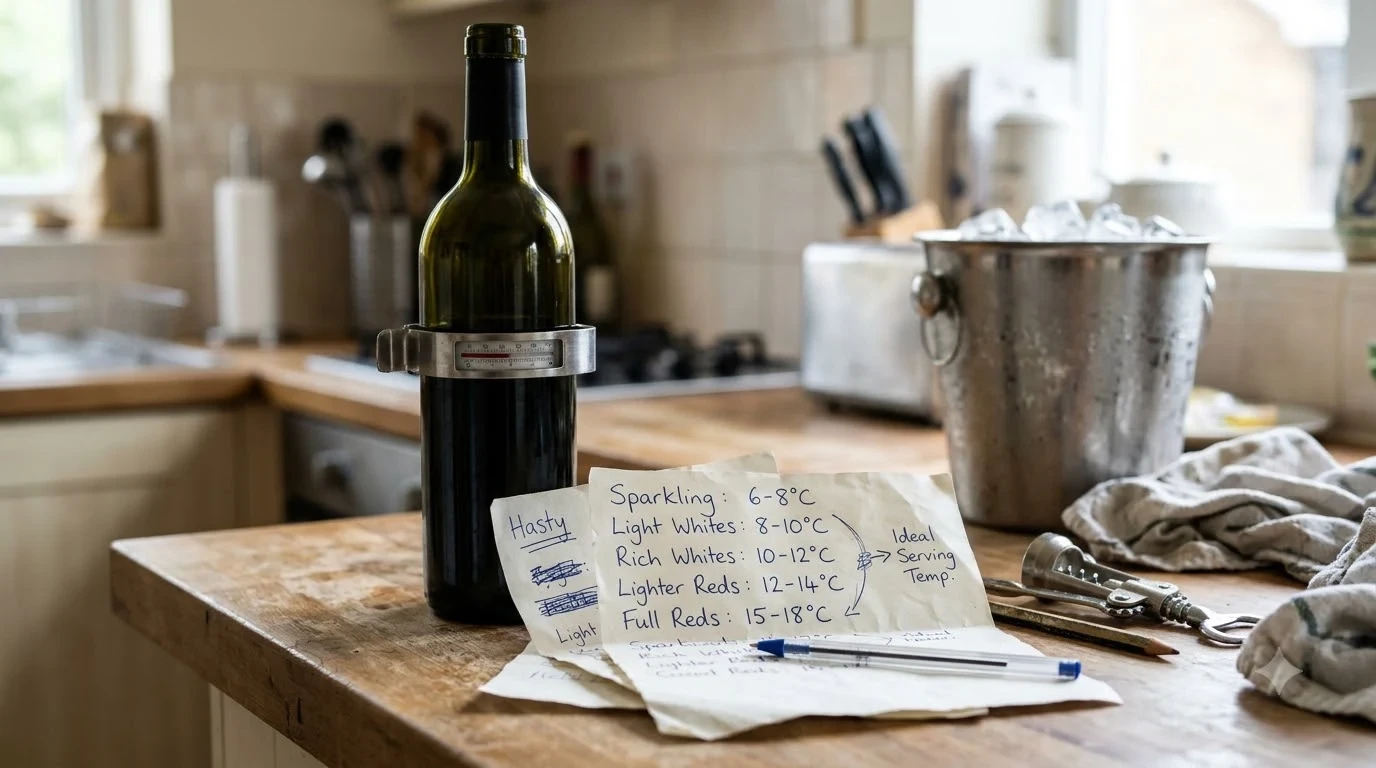
Serving temperature also matters. Light whites and rosés are generally best around 45°F to 50°F, while fuller-bodied whites can be served closer to 50°F to 55°F. Light reds often show well at 55°F to 60°F, and fuller reds at 60°F to 65°F.
During a tasting, avoid drinking every sample too quickly. A typical tasting pour is smaller than a restaurant glass, giving you the opportunity to compare several wines without committing to a full serving. Take notes about the grape variety, acidity, tannin, body, and aromas that stand out to you.
If you find a bottle you particularly enjoy, ask about its production, vineyard source, and food-pairing suggestions. Local producers can often explain why they selected a particular variety and how the area’s growing conditions influence the finished wine.
For visitors interested in making tasting the main focus of their trip, our separate Willcox wine tasting resource provides another useful starting point for exploring the local tasting-room experience.
Frequently Asked Questions
Is the Willcox wine trail suitable for beginners?
Yes. Many of the region’s tasting rooms offer flights that allow visitors to compare different grape varieties without needing advanced wine knowledge. A good first flight might include a familiar Cabernet Sauvignon, a Sangiovese, and an aromatic white such as Riesling.
Can visitors buy wine directly from Willcox wineries?
Many local wineries sell their own bottles through their tasting rooms, giving visitors an opportunity to take home wines that may be difficult to find elsewhere. Some producers also provide mailing-list or direct-shipping information, although shipping eligibility and destination restrictions depend on applicable state laws.
Is the Willcox wine region close to Tombstone?
Yes. Willcox and Tombstone are both in southeastern Arizona, making it possible to combine wine-country exploration with a visit to the historic Old West town. High Lonesome Vineyard is particularly relevant to this itinerary because its location is approximately 15 miles east of Tombstone.
Does Willcox have a formal wine-trail membership program?
Willcox Wine Country operates as a regional consortium representing Arizona farm wineries and promoting local wine tourism. Its website provides winery information, touring resources, and event details that help visitors connect with participating producers.
What is the difference between the Willcox region and the Willcox AVA?
The Willcox wine region is a broader tourism and agricultural description, while the Willcox AVA is a federally recognized geographic wine appellation with defined boundaries. Under U.S. labeling rules, a wine using an AVA name generally must contain at least 85% grapes grown within that designated area and meet applicable production requirements.
The Willcox wine trail is an excellent introduction to Arizona’s distinctive wine culture, combining high-elevation vineyards, independent producers, and an appealing mix of familiar and unusual grape varieties. Start with the downtown tasting rooms, add a countryside vineyard visit, and leave enough time to appreciate the mountains and agricultural communities that make this region distinctive.
Whether you are planning a dedicated wine weekend or adding a few tasting stops to a southeastern Arizona road trip, Willcox offers a rewarding opportunity to discover wines with a genuine sense of place.
More in Wine Regions
 Yakima Valley Wine Region: Find the Best Styles to TryUpdated Nov 20, 2026
 Vosne Romanee Wine Tasting: Identify Aromas and Choose Better PairingsUpdated Nov 20, 2026
 Yakima Valley Wine Festival: Find the Best Seasonal Wine EventsUpdated Nov 20, 2026
 Wales Vineyards: Discover Cool-Climate Wines and Where to VisitUpdated Nov 20, 2026
 Yountville Wine Festival: Discover Napa Wines and Local FoodUpdated Nov 20, 2026
 Wales Wine: Discover the Grapes, Styles, and VineyardsUpdated Nov 20, 2026