


We may earn a commission when you buy through links on this page, at no extra cost to you. Learn more.
The applegate valley wine trail is a scenic Southern Oregon tasting route that follows the Applegate River through small wineries near Grants Pass and Jacksonville. It suits visitors who enjoy family-run tasting rooms, Rhône- and Bordeaux-inspired reds, varied grape styles, and rural landscapes rather than a crowded wine-country hub. Plan a few focused stops, leave time for the two-lane drive, and confirm each winery’s hours before setting out.
Applegate Valley is best approached as a countryside route, not a tight cluster of tasting rooms. This guide covers the geography, the wines to seek out, useful first stops, and ways to build a day around food and outdoor breaks.
Where the Applegate Valley Wine Trail Runs and How the AVA Fits In
The Applegate Valley wine trail follows a roughly 50-mile north–south corridor along the Applegate River, from the California border toward the Rogue River west of Grants Pass. It sits inside the Rogue Valley AVA, itself part of the larger Southern Oregon AVA, so the trail is both a local itinerary and a way to explore one of Oregon’s nested wine regions.
State Highway 238 is the main route, linking the Jacksonville and Grants Pass areas with smaller roads that branch toward vineyards, farms, and river access. This is not a walkable village where visitors can leave the car and move between tasting rooms: wineries are spread along rural roads, and a designated driver or planned ride is essential. The Oregon Wine Board records the AVA as established in 2000, with 278,190 acres in total and about 750 planted vineyard acres. Vineyards reach elevations of up to 2,000 feet, so allow time for the drive as well as the tastings.
| Regional detail | Figure or description | What it means for visitors |
|---|---|---|
| AVA established | 2000 | A formally recognized winegrowing area |
| Total AVA area | 278,190 acres | A broad valley and mountain landscape |
| Planted vineyard area | 750 acres | Vines occupy a small share of the appellation |
| Vineyard elevation | Up to 2,000 feet | Sites vary in exposure and growing conditions |
| Valley length | About 50 miles | Allow time between stops |
For wider context on Oregon appellations, the Wine Regions overview is a useful companion. The Oregon Wine Board’s Applegate Valley AVA profile provides the region’s boundaries, vineyard figures, and leading grapes.
What Makes Applegate Valley Wines Distinctive
Applegate Valley is known for variety rather than one signature grape, with warm days, cool nights, mountain-influenced microclimates, and well-drained river-formed soils supporting both familiar varieties and less common choices. Visitors can compare full-bodied reds with aromatic whites, rosé, and small-lot bottlings from individual vineyard sites.
The Applegate River shaped much of the vineyard terrain. Many vines grow on stream terraces and alluvial fans, where deep, well-drained soils support grape production. The Siskiyou Mountains shelter the valley from some cooling marine influence, while elevation, slope, and aspect create differences between vineyard sites. Hot afternoons help grapes ripen; cooler nights can preserve freshness as the fruit matures.
Merlot, Cabernet Sauvignon, Chardonnay, Syrah, Tempranillo, and Pinot Noir are among the predominant varieties. That list offers a familiar starting point, but local portfolios also include Viognier, Mourvèdre, Vermentino, Grenache, Malbec, and Sauvignon Blanc. Some producers work with Rhône grapes, others lean toward Bordeaux-style blends, and still others favor Mediterranean varieties that are less common in better-known Oregon destinations.
A tasting flight can vary significantly from one winery to the next. Syrah often brings dark berry and pepper notes; Tempranillo can show red or black fruit with earthy detail; and Viognier is typically more aromatic, with stone-fruit and floral character. Farming also varies: some wineries use organic, regenerative, or biodynamic methods, sometimes incorporating sheep, goats, and pollinator gardens. Ask each producer about its own approach rather than applying one winery’s practices to the entire AVA.
Wineries to Put on a First Applegate Valley Route
A first visit is easier when it centers on three or four wineries with different experiences instead of trying to cover every name on the trail. Dwell Wines, Plaisance Ranch, Wooldridge Creek, Troon Vineyard, Wanderlust, Red Lily, Quady North, LongSword, and Valley View offer a useful cross-section of styles and settings.
Coming south from Grants Pass, Dwell Wines is a practical opening stop for Pinot Noir and Pinot Gris, with a build-your-own charcuterie board described by Travel Oregon. The state guide places Plaisance Ranch about 10 miles farther south in the Williams Valley. Plaisance is known for Sauvignon Blanc and a red Iberian blend made with grapes from Spain and Portugal, making it a useful contrast to Oregon’s more familiar varieties. Its ranch setting also connects the tasting with the valley’s agricultural character.
Wooldridge Creek Winery and Creamery is a natural next stop for wine with food. Travel Oregon places it about 15 miles beyond Plaisance Ranch, across the Applegate River, and notes that it grows 56 acres of wine grapes, including Syrah, Malbec, and Viognier. House-made cheese and charcuterie give visitors a reason to stay for a snack. Nearby Troon Vineyard is a good choice for visitors interested in biodynamic and regenerative organic farming, while Wanderlust makes small-batch wines from grapes on its 12-acre property, including rosé, Grenache, and Viognier; a 30-minute paired tasting is available by reservation.
For a scenic setting, Red Lily Vineyards is known for Tempranillo and riverside sipping, with summer concerts in its historic barn from June through September. Quady North offers wines inspired by the Rhône and Loire valleys, while LongSword focuses on fruit-forward Italian-style wines and is described as a weekend option. Valley View adds a historic note: Peter Britt opened Oregon’s first official winery there in 1873. The trail directory also lists Augustino Estate, Cowhorn Vineyard and Winery, Devitt Winery, John Michael Champagne Cellars, Schmidt Family Vineyards, and Walport Family Cellars. For bottle-focused background, see this site’s overview of Applegate Valley wine.
How to Plan a Tasting Day, From Driving to Reservations
The valley’s long, rural layout makes a measured schedule more enjoyable than a marathon tasting crawl. Three wineries is a sensible target for a first day, with a fourth stop only when locations line up and the group has a designated driver or prearranged transportation.
Choose a direction and cluster wineries on the same stretch of road. A route from Grants Pass toward Williams can include Dwell Wines and Plaisance Ranch before continuing to Wooldridge Creek; a North Applegate outing can focus on Wooldridge Creek, Troon, and Wanderlust. Allow about 60 to 90 minutes at each tasting room for a flight and conversation, then add time for food and the drive. A sample three-stop day might begin around 11 a.m., include lunch after the second tasting, and finish mid-afternoon. Check the map rather than relying on straight-line distances, since rural roads can make short-looking gaps take longer.
Many Applegate tasting rooms are relaxed and some accept walk-ins, but opening days, seasonal schedules, and appointment rules vary. The trail’s itinerary advice recommends calling ahead, especially for large groups, tours, meals, or special events. Confirm opening hours, reservation needs, food service, outdoor seating, and any dog policy directly with each business. Transportation matters too: the tasting rooms are not close enough together for a safe walk, and narrow roads, bends, and elevation changes make a wine-focused bike day different from a short ride between urban tasting rooms. Grants Pass, Jacksonville, and Medford can all work as lodging bases; choose one that keeps the final drive manageable.
Tip: Choose no more than three main tasting stops, confirm each one directly, and save the winery phone numbers and addresses before leaving town. Rural cell service can vary, and a little preparation makes it easier to stay on the intended route.
Food, Outdoor Stops, and the Best Time to Visit
Wine is only one part of an Applegate Valley visit, and a planned food or outdoor break can make the drive more rewarding. The area combines winery gardens and farm products with river access, covered-bridge history, markets, and mountain scenery.
Dwell’s charcuterie board and Wooldridge Creek’s cheese offerings are convenient options alongside a tasting. Plaisance Ranch adds an agricultural connection through its ranch setting, while the broader valley supports farm stands, lavender businesses, and local food producers. Dining choices are more limited than in a city, so confirm whether a tasting room serves food or bring picnic supplies in a cooler. Not every winery functions as a full-service restaurant.
McKee Bridge is a historic covered bridge and a useful scenic pause. Applegate Lake offers another outdoor option: Travel Southern Oregon describes it as a 988-acre recreation area with a 17.5-mile shoreline trail, picnic areas, campgrounds, and places to swim. Spring brings green hillsides and wildflowers; summer suits outdoor seating, river stops, and winery concerts; fall pairs harvest activity with changing foliage and cooler evenings. Travel Oregon highlights Red Lily’s barn concerts from June through September, while the Applegate Evening Market at Lindsay Lodge runs on Wednesdays from May through September with food trucks, produce, meat, cheese, crafts, and live music. Confirm event dates before planning around them.
Winter can be quieter, but some rural businesses shorten their hours or operate by appointment. Check winery schedules and road conditions before setting off, particularly if the plan involves side roads or a higher-elevation property. Keep one confirmed tasting as the anchor and treat any extra stop as a bonus if it is open.
How to Taste, Pair, and Choose Bottles From the Valley
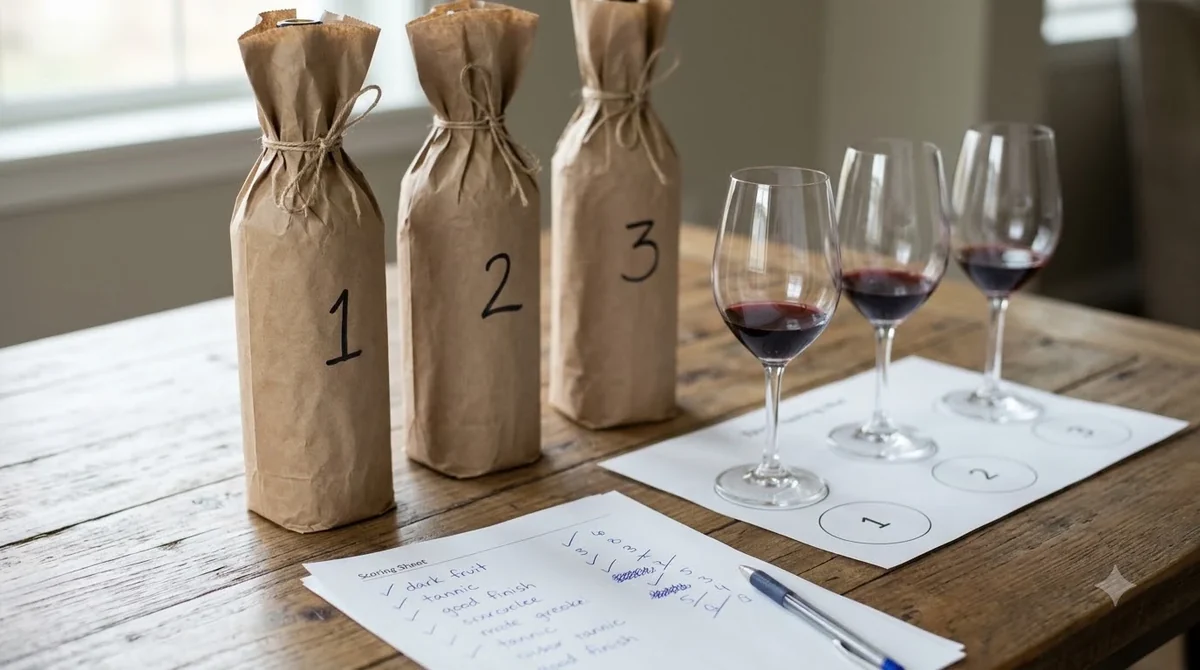
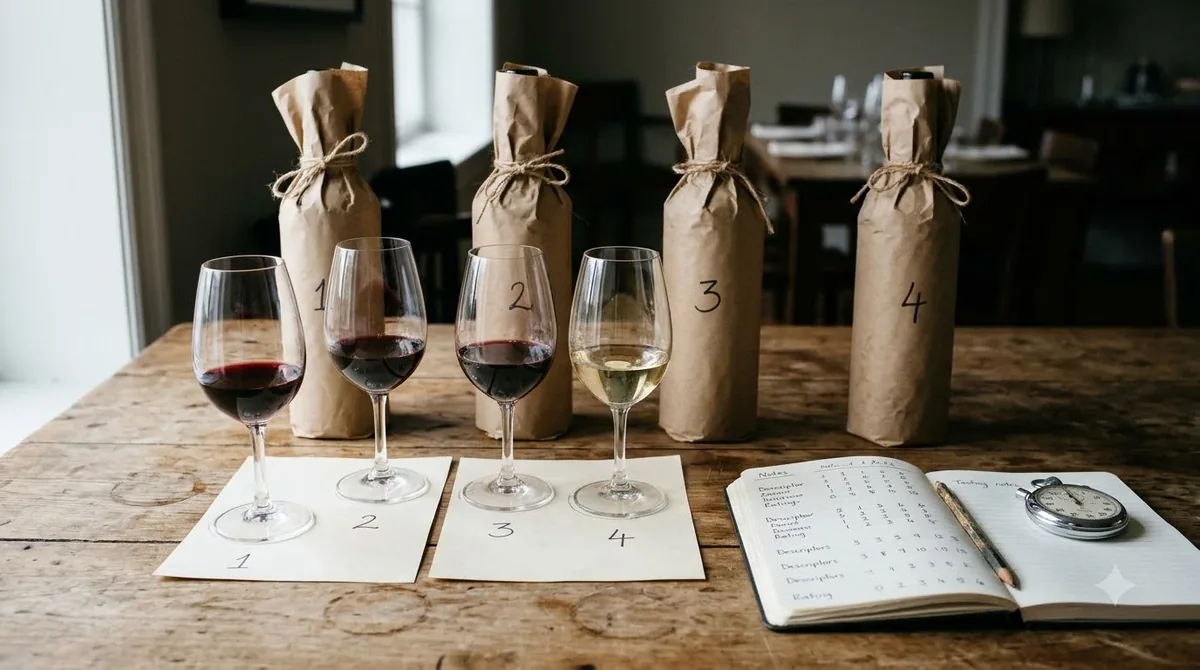
The best way to understand Applegate Valley is to compare grapes and winemaking styles in a deliberate order. Begin with a white or rosé, move to lighter reds, and finish with fuller reds or blends, asking tasting-room staff how each wine expresses its vineyard site.
Try Sauvignon Blanc or Viognier before a richer Chardonnay, then compare Pinot Noir with Syrah, Tempranillo, or a Bordeaux-style blend. Pinot Noir is generally lighter in tannin and higher in acidity, while Syrah tends to have more tannin and darker-fruited weight. Cabernet Sauvignon usually feels firmer and more structured; Merlot is generally softer. These are broad patterns, and climate, vintage, oak, and producer choices can change the impression in the glass.
Food changes how wine tastes. Sauvignon Blanc and other crisp whites work with fresh goat cheese, herbs, and lighter dishes; Chardonnay can suit roast chicken or creamier foods. Pinot Noir is a flexible match for mushrooms, salmon, and roast poultry, while Syrah or a Cabernet-based blend can stand up to grilled beef, lamb, and smoky flavors. Salt and fat soften the perception of tannin, while very spicy food can make high-alcohol or tannic wines seem hotter. The valley’s charcuterie, cheeses, and ranch products provide practical pairing opportunities during the trip.
Think about a bottle’s role before buying. A bright white or rosé may suit a near-term meal, while a structured Syrah or Cabernet blend may work for a richer dinner or a short cellar rest. Ask which wines are made for early drinking and which benefit from time in the bottle; producers can explain the vintage and blend more accurately than a generic regional rule. If carrying bottles in a warm car, keep them out of direct sun and avoid leaving them in a parked vehicle for hours.
Frequently Asked Questions
These extra details help shape the day beyond the main winery route, from unusual local wines to short walks and seasonal farm visits.
How many grape varieties are grown in the Applegate Valley?
The Applegate Wine Trail’s climate and varietals page says the region grows more than 70 wine varieties. That diversity includes less familiar grapes such as Tannat and Mondeuse, so ask for a taste outside the usual Pinot Noir, Cabernet Sauvignon, or Chardonnay lineup.
Can I add a hike to a wine-tasting visit?
Yes. The East Applegate Ridge Trail offers an approximately 4.5-mile out-and-back option from the Sterling Creek Road side, while a full point-to-point hike is about 5.6 miles and includes a steep grade. Plan the hike separately from tastings and do not drive after drinking.
Are there farm tours outside the wineries?
Oshala Farm’s tour schedule is described as the second Wednesday of each month from April through September. The visit focuses on an organic herb farm and its products, offering a different perspective on the valley’s agricultural community than a standard wine tasting.
Is there a short riverside walk near the wineries?
The Provolt Recreation Area has a flat River Walk Trail that runs about one mile end to end. The site is also a salmon-spawning area, with Chinook salmon arriving in October, making it an interesting stop for visitors who want a brief nature break.
What can I find at the historic farm stops?
Whistling Duck Farm’s store is housed in a curved-beam barn built in 1947. Its shelves and freezers feature local food products, including grass-fed beef, organic vegetables, house-made ferments, dressings, dips, and cheeses, giving visitors another way to bring regional flavors home.
The Applegate Valley wine trail is most rewarding when the day balances a few thoughtful tastings with the scenery, food, and local farms that make the region distinct. Choose a manageable route, confirm opening details, and leave room for an unhurried stop beside the river or among the vineyards.
More in Wine Regions
 Willcox Wine Trail: Discover Arizona’s High-Elevation Wine CountryUpdated Nov 20, 2026
 Yakima Valley Wine Region: Find the Best Styles to TryUpdated Nov 20, 2026
 Vosne Romanee Wine Tasting: Identify Aromas and Choose Better PairingsUpdated Nov 20, 2026
 Yakima Valley Wine Festival: Find the Best Seasonal Wine EventsUpdated Nov 20, 2026
 Wales Vineyards: Discover Cool-Climate Wines and Where to VisitUpdated Nov 20, 2026
 Yountville Wine Festival: Discover Napa Wines and Local FoodUpdated Nov 20, 2026