

We may earn a commission when you buy through links on this page, at no extra cost to you. Learn more.
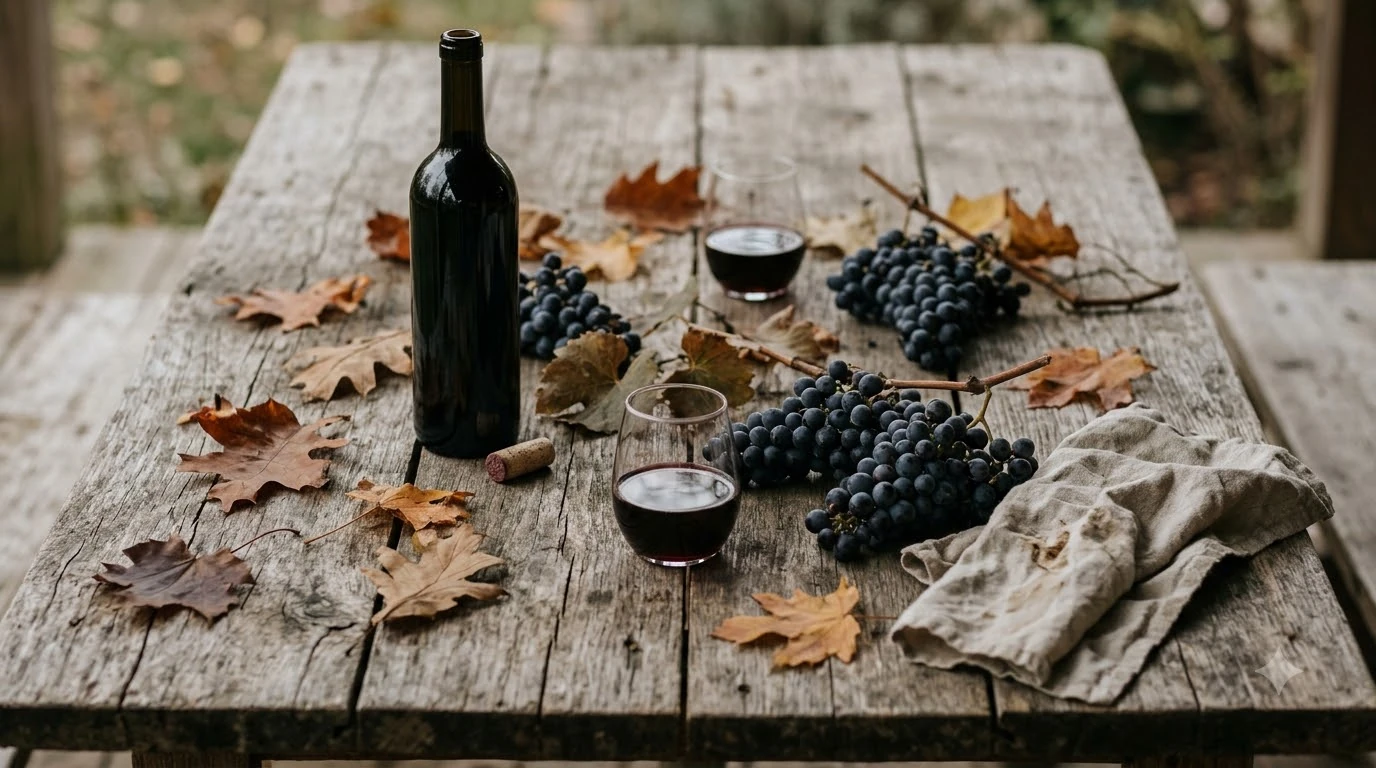
Applegate Valley wine comes from a warm, Mediterranean-influenced wine region in Southern Oregon, known for expressive Syrah, Merlot, Tempranillo, Cabernet Sauvignon, and distinctive Rhône-style blends. Located within the Rogue Valley AVA, the Applegate Valley benefits from sunny summers, cool nights, mountain-influenced growing conditions, and well-drained river soils. Its wineries produce an unusually broad selection of reds, whites, and rosés, making the region an interesting destination for wine enthusiasts who want to explore something beyond Oregon’s better-known Pinot Noir country.
Oregon has several distinctive winegrowing regions, and the Applegate Valley stands out for its warmer climate, diverse grape varieties, and independent winemaking character. The valley follows the Applegate River through the Siskiyou Mountains, creating a landscape of vineyards, wooded hills, small farms, and rural communities. Understanding its geography, climate, grapes, and wine styles makes it easier to recognize what distinguishes bottles from this corner of Southern Oregon.
Where the Applegate Valley Wine Region Is Located
The Applegate Valley is a Southern Oregon wine region located within the larger Rogue Valley American Viticultural Area (AVA). Its approximately 50-mile stretch follows the Applegate River from near the California border north toward the Rogue River, just west of Grants Pass. This geography places its vineyards among the mountain valleys and agricultural communities of Jackson and Josephine counties.
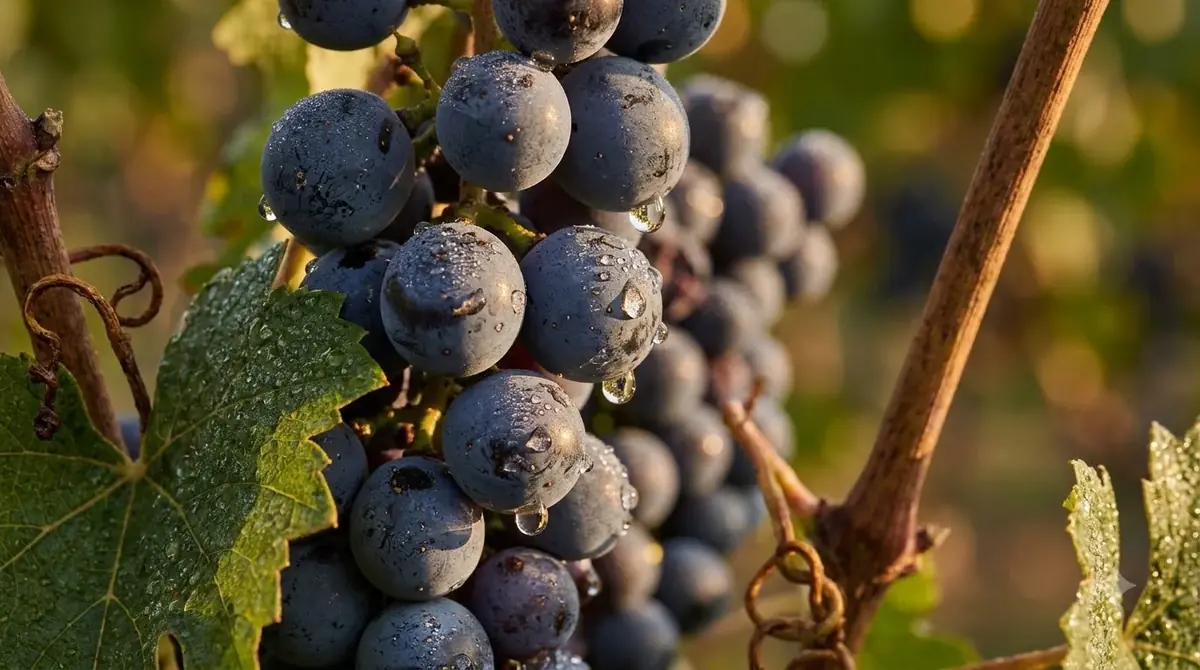
The Applegate Valley AVA was officially established in 2000. According to the Oregon Wine Board, its total geographical area covers approximately 278,190 acres, or 112,600 hectares, although the actual planted vineyard area is much smaller. The Oregon Wine Board lists approximately 750 acres of planted vineyards. This distinction matters because an AVA describes a legally recognized growing region, not the amount of land covered by grapevines.
The Applegate Valley belongs to a nested appellation structure. The Southern Oregon AVA encompasses the Rogue Valley AVA, and the Applegate Valley is a smaller AVA within the Rogue Valley. These designations identify increasingly specific geographical origins. A wine labeled Southern Oregon may come from a much broader area, whereas an Applegate Valley designation identifies grapes associated with this particular valley.
The surrounding Siskiyou Mountains help distinguish the region from Oregon’s cooler coastal-influenced vineyards. Their geography limits direct exposure to Pacific marine air, creating relatively warm and dry growing conditions. However, the valley is not completely isolated from ocean influences. Elevation, mountain breezes, and cold air descending from higher terrain contribute to temperature differences between individual vineyards.
For wine travelers, the region is accessible from communities such as Grants Pass, Jacksonville, and Ashland. Jacksonville is particularly relevant to the area’s wine history, while Grants Pass provides access to the northern end of the valley. The rural character of the region means that winery visits generally involve driving between individual properties rather than walking between large clusters of tasting rooms.
Visitors planning a tasting itinerary can explore the Applegate Valley wine trail, which follows the region’s scenic river corridor and connects its wine country attractions. It provides a useful starting point for understanding the geography before choosing individual wineries.
Climate, Elevation, and Vineyard Soils
The Applegate Valley has a warm-summer Mediterranean climate, with sunny, relatively dry summers and substantial temperature differences between daytime and nighttime. Vineyards commonly sit between approximately 1,000 and 2,000 feet in elevation, while the surrounding mountains influence airflow, sunlight, and local temperature patterns.
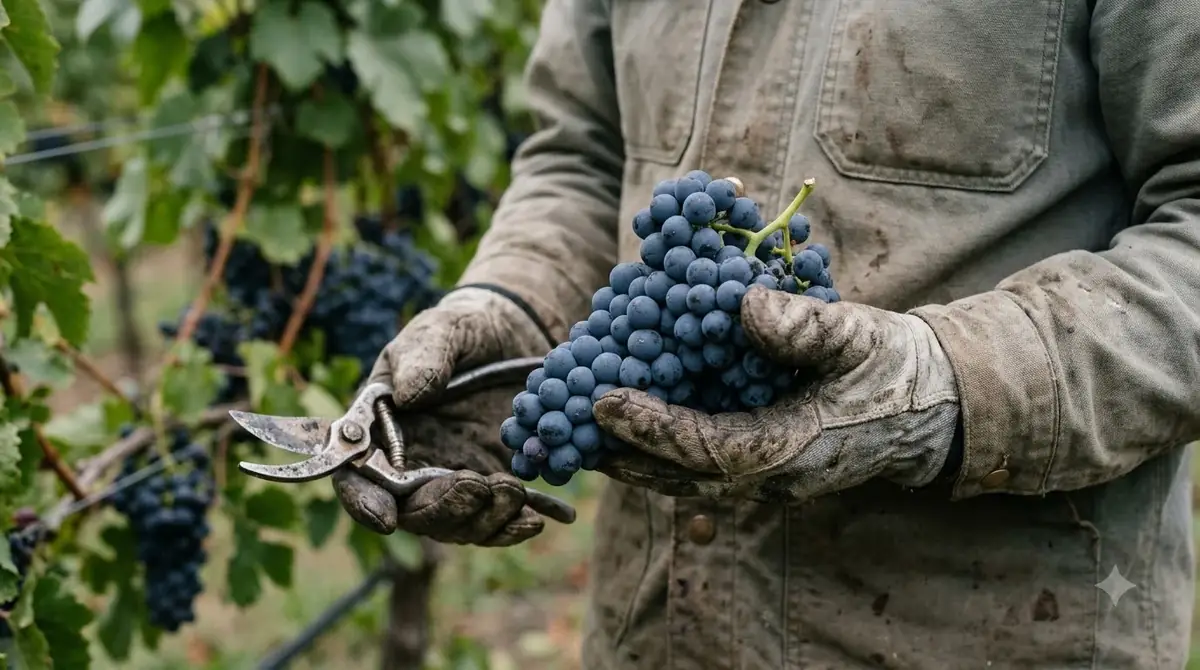
The growing season is important because grapes need enough warmth to ripen while retaining the acidity that gives wine freshness. Summer daytime temperatures can become very hot, sometimes exceeding 100 degrees Fahrenheit, while nighttime temperatures may fall considerably. This daily temperature variation helps explain why the region can produce ripe fruit flavors without every wine becoming heavy or lacking freshness. The Applegate Valley Vintners Association’s regional climate and sustainability information describes this Mediterranean climate and its significant daytime-to-nighttime temperature differences.
According to the Applegate Valley Vintners Association, the valley receives substantially less precipitation than Oregon’s Willamette Valley. Most rainfall occurs outside the main summer growing period. These conditions create opportunities for warm-climate varieties, although vineyard managers still need to consider water availability, irrigation, and seasonal weather.
Elevation also affects the growing environment. Higher vineyard sites may experience cooler nights and different ripening conditions than lower valley locations. Western parts of the AVA generally receive more marine influence and are cooler and wetter, while eastern areas tend to be warmer and drier. Consequently, two vineyards growing the same grape variety can produce wines with noticeably different structures.
Soils are another important part of the region’s identity. Many vineyards occupy ancient river terraces and alluvial fans shaped by the Applegate River. These deposits contain stream sediments and granite-derived materials, producing deep, relatively well-drained growing environments. Good drainage is important because grapevines generally perform better when their roots are not constantly exposed to excessive water.
Soil composition and drainage influence vine vigor, water availability, and vineyard management. However, it would be misleading to attribute a particular flavor directly to granite or river sediment. The character of a finished wine reflects several interacting factors, including grape variety, vineyard location, weather, harvest timing, fermentation, and maturation.
Regional climate research places the Applegate Valley in an intermediate heat-accumulation category, with approximately 2,400 to 2,700 growing degree days in the cited Southern Oregon study. This helps explain its suitability for varieties that need more warmth than those commonly associated with Oregon’s coolest vineyards.
Grape Varieties That Define the Region
Applegate Valley vineyards grow an extensive selection of grapes rather than concentrating on one signature variety. Merlot, Cabernet Sauvignon, Chardonnay, Syrah, Tempranillo, and Pinot Noir are among the predominant varieties identified by the Oregon Wine Board, while local producers also experiment with less familiar Rhône, Italian, and Mediterranean grapes.
Syrah is one of the most interesting grapes to explore from this region. It can produce deeply colored wines with blackberry, blueberry, black pepper, violet, and savory characteristics. The warmer growing environment supports ripe fruit expression, while cooler nighttime conditions can help retain balancing acidity. Depending on vineyard location and winemaking, Syrah may be relatively approachable when young or more structured and suitable for extended aging.
Merlot is another important variety. It typically offers medium tannins and a softer texture than Cabernet Sauvignon, with flavors that can include plum, black cherry, blackberry, and chocolate. Applegate Valley Merlot can work well as a standalone wine or as part of a Bordeaux-inspired blend.
Cabernet Sauvignon is also grown in the valley, particularly in suitable warmer locations. Its characteristic high tannin levels, firm structure, and dark-fruit flavors make it a natural candidate for oak maturation and blending. However, not every vineyard site is equally suitable for this late-ripening grape. Cooler locations may present more challenges in achieving full maturity.
Tempranillo adds another dimension to the region’s red-wine selection. This Spanish variety can show cherry, plum, dried herbs, and earthy notes. Its naturally versatile character makes it useful for producing wines that balance ripe fruit with savory complexity.
Pinot Noir is present as well, although it is not the defining grape of the Applegate Valley in the way it is for the Willamette Valley. Pinot Noir generally has lower-to-medium tannins and relatively high acidity. These characteristics create a lighter-bodied alternative to the valley’s more powerful red wines.
White varieties add further diversity. Chardonnay provides a familiar reference point, while producers also explore Viognier, Riesling, and other aromatic grapes. Some wineries work with Mediterranean and Rhône varieties that are less common in other Oregon wine regions.
| Grape variety | Typical wine characteristics | General structure | Food pairing ideas |
|---|---|---|---|
| Syrah | Blackberry, pepper, violet | Medium-plus to high tannin | Grilled lamb, beef |
| Merlot | Plum, cherry, cocoa | Medium tannin | Roast chicken, pork |
| Cabernet Sauvignon | Cassis, black cherry, cedar | High tannin | Steak, aged cheese |
| Tempranillo | Red cherry, plum, herbs | Medium to high tannin | Grilled pork, mushrooms |
| Pinot Noir | Cherry, raspberry, earth | Low to medium tannin | Salmon, roast duck |
| Chardonnay | Apple, citrus, stone fruit | Medium acidity | Roast chicken, seafood |
| Viognier | Peach, apricot, flowers | Generally low to medium acidity | Roast poultry, mild curries |
| Riesling | Lime, green apple, floral notes | High acidity | Spicy Asian dishes, seafood |
The table describes general grape characteristics rather than fixed tasting notes for every Applegate Valley bottle. Harvest decisions, fermentation techniques, oak use, vineyard elevation, and blending can substantially change the finished wine. A Syrah aged in new oak, for example, may taste quite different from one fermented and matured primarily in neutral vessels.
The region’s variety is one of its strongest attractions. A tasting flight that includes Syrah, Tempranillo, Viognier, and Chardonnay can reveal more about the valley than sampling several similar Cabernet Sauvignon bottlings.
What Applegate Valley Wines Taste Like
Applegate Valley wines are often characterized by ripe fruit, generous texture, and noticeable structure, particularly among the Bordeaux and Rhône-inspired red wines. However, the region’s broad range of grapes means that its wines cannot be reduced to one flavor profile or body style.
Red wines are an excellent starting point. Syrah may show dark berries, black pepper, herbs, and floral aromas, while Merlot often emphasizes plums and softer dark-fruit flavors. Cabernet Sauvignon generally has firmer tannins, more pronounced structure, and flavors associated with blackcurrant and dark cherry.
Tempranillo can offer a different experience, particularly for drinkers who enjoy savory red wines. Look for cherry fruit, dried herbs, and subtle earthy notes. Some examples may also show vanilla, toast, or spice from oak maturation.
White wines are equally useful for understanding the region’s range. Chardonnay can be made in a fresh, fruit-focused style or given additional texture through malolactic fermentation and oak aging. Viognier typically emphasizes ripe stone fruit and floral aromas, while Riesling offers a brighter combination of citrus fruit and refreshing acidity.
Rosé provides another option, especially during warmer weather. Depending on the grape variety and production method, it can range from crisp and lightly colored to more substantial and fruit-forward. Dry rosé made from red grapes can pair particularly well with grilled vegetables, salads, seafood, and lighter summer dishes.
Blending is an important part of the area’s winemaking flexibility. Bordeaux-inspired blends may combine Cabernet Sauvignon, Merlot, and Cabernet Franc, while Rhône-inspired wines can incorporate Syrah and other regional varieties. Blending allows producers to balance structure, aroma, acidity, and fruit character.
Oak treatment also deserves attention. New oak can contribute vanilla, toast, baking spice, and additional texture, while neutral oak generally allows the fruit and vineyard characteristics to remain more prominent. Stainless steel fermentation is another option, particularly for aromatic whites where freshness is a priority.
When comparing bottles, consider the grape variety, alcohol level, oak treatment, and vintage conditions rather than assuming every wine from the AVA tastes the same. A lighter Pinot Noir and a structured Cabernet Sauvignon may share a geographical origin but deliver very different experiences.
How to Serve and Pair Applegate Valley Wine
Serving temperature and food selection can make a meaningful difference to the way Applegate Valley wines taste. Structured reds generally benefit from slightly cooler temperatures than a warm room, while aromatic whites are best served chilled without becoming excessively cold.
For full-bodied reds such as Cabernet Sauvignon and Syrah, aim for approximately 60 to 65 degrees Fahrenheit. This temperature range helps retain aromatic detail while allowing the wine’s tannins and texture to remain balanced. Merlot and Tempranillo can also work within this range, although lighter examples may benefit from slightly cooler service.
Pinot Noir is generally best served around 55 to 60 degrees Fahrenheit. This cooler temperature helps preserve its fresh fruit character and prevents alcohol from becoming too prominent. Chardonnay usually works well at 50 to 55 degrees Fahrenheit, while aromatic whites such as Riesling are generally better at 45 to 50 degrees Fahrenheit.
Food pairing should take into account tannin, acidity, body, and the intensity of the dish. Cabernet Sauvignon pairs naturally with grilled beef because the protein and fat in the food soften the perception of tannin. Merlot is versatile with roast chicken, pork tenderloin, and mushroom dishes because its softer structure does not overwhelm moderate flavors.
Syrah is a strong choice for grilled lamb, barbecue, and richly seasoned beef. Its dark fruit and pepper characteristics complement smoky and savory flavors. Tempranillo also works well with grilled pork, roasted mushrooms, and dishes featuring herbs such as rosemary and thyme.
Pinot Noir offers a useful alternative when serving salmon, roast duck, or mushroom risotto. Its relatively high acidity and lower tannin levels make it more adaptable to delicate proteins than heavily structured red wines. It can also be a better choice with oily fish, which often clashes with tannic reds.
For white wines, Chardonnay can accompany roast poultry, creamy pasta, and richer seafood dishes. Riesling is particularly useful with spicy food because its acidity and possible residual sweetness can balance chili heat. Viognier’s aromatic fruit can complement mildly spiced poultry and dishes featuring ginger or aromatic herbs.
Tip: Serve full-bodied Applegate Valley reds at approximately 60 to 65 degrees Fahrenheit rather than at a warm room temperature. If a young Cabernet Sauvignon or Syrah seems especially firm, allow it to breathe for 30 to 60 minutes before serving. A standard 750 ml bottle provides approximately five 5-ounce glasses.
For a dinner featuring multiple courses, consider moving from lighter wines to fuller styles. Start with Chardonnay or Riesling, continue with Pinot Noir or Merlot, and finish with Syrah or Cabernet Sauvignon alongside the richest main course.
History, Winemaking, and the Applegate Wine Trail
The Applegate Valley has one of Oregon’s earliest connections to commercial winemaking, although its modern wine industry developed much later. Its history includes pioneer vineyards, the interruption of Prohibition, and a revival led by modern growers who recognized the area’s potential for diverse grape varieties.
Peter Britt is a central figure in the region’s early wine history. He planted wine grapes in Southern Oregon in 1852 and opened Valley View Winery in Jacksonville in 1873. Oregon Wine identifies Valley View as the state’s first official winery. The winery closed in 1907, and Prohibition subsequently disrupted the development of commercial winemaking.
Modern vineyard development returned during the 1970s. The Wisnovsky family began reviving Valley View in 1972, while Dick and Virginia Troon planted Zinfandel and Cabernet Sauvignon on Kubli Bench that same year. These projects helped establish a foundation for the modern wine industry and demonstrated that Southern Oregon could support more than its traditional agricultural products.
The region eventually gained its own AVA designation in 2000. This recognition helped establish the Applegate Valley’s geographical identity and distinguish its wines from those produced elsewhere in the broader Rogue Valley.
Today, the area’s winemaking culture remains diverse. Smaller producers have opportunities to experiment with grapes and styles that may not fit neatly into the dominant identities of larger wine regions. The Applegate Valley Vintners Association describes more than 70 grape varieties associated with the area’s wine diversity.
That variety is reflected in tasting rooms, where visitors may encounter traditional Cabernet Sauvignon and Chardonnay alongside less familiar wines made from Tannat, Mondeuse, or Mediterranean varieties. Some wineries emphasize Bordeaux-inspired blends, while others focus on Rhône grapes or alternative fermentation and farming approaches.
The Applegate Valley Wine Trail is a practical way to explore this variety. Its route follows the river through the winegrowing landscape and connects independent wineries and tasting destinations. Rather than treating the region as one concentrated wine village, visitors should expect a scenic drive between separate properties.
Plan visits around tasting-room schedules and make reservations where required. Some properties offer outdoor tasting areas, vineyard views, or additional agricultural experiences. Travel distances can be longer than they appear on a map because rural roads and winding valley routes affect driving times.
It is also useful to leave room for food and outdoor activities. The surrounding area has farms, natural landscapes, and historic communities that add context to a wine-focused trip. Visitors interested in comparing different Oregon wine regions can also explore Santa Ynez Valley wine for a California comparison or read about Snake River Valley wine to understand another inland winegrowing environment.
For a broader overview of Oregon and other American appellations, the site’s Wine Regions resource provides a useful starting point for exploring the geographical differences behind regional wine styles.
Buying and Storing Applegate Valley Bottles
Choosing an Applegate Valley wine is easier when you begin with grape variety and preferred style rather than selecting a bottle solely because of its regional designation. The valley produces approachable everyday wines as well as structured reds that can benefit from additional bottle aging.
For a first purchase, Merlot is a useful introduction because its medium tannins and ripe fruit make it relatively versatile. Syrah is a good choice for drinkers who prefer darker fruit, pepper, and a more substantial texture. Cabernet Sauvignon is suitable for those who enjoy firmer tannins and structured reds.
Drinkers who prefer white wine can start with Chardonnay or Riesling. Chardonnay provides a familiar benchmark for comparing oak influence and texture, while Riesling demonstrates the value of acidity in balancing ripe fruit flavors. Viognier is worth exploring for its distinctive aromatic profile.
Vintage conditions matter, particularly in a region with warm summers and seasonal differences in spring and autumn. A cooler growing season may produce wines with different ripeness and acidity levels than a particularly warm one. Harvest timing also influences alcohol, tannin development, and the balance between fruit and freshness.
Read producer descriptions carefully when comparing bottles. Information about vineyard location, grape composition, fermentation vessels, oak maturation, and residual sugar can help explain why two wines from the same AVA taste different. These details are especially helpful when comparing unfamiliar varieties.
Storage conditions are important after purchase. Keep unopened bottles in a cool, dark location near 55 degrees Fahrenheit, away from direct sunlight and significant temperature fluctuations. Bottles sealed with natural cork are generally best stored on their sides to keep the cork from drying out.
After opening, refrigerate still wines and use them within approximately three to five days for the best quality. Even red wines benefit from refrigeration once opened. Allow a refrigerated red to warm slightly before pouring it again, rather than leaving the bottle exposed to room temperature for an extended period.
Young, structured Cabernet Sauvignon and Syrah may benefit from decanting for 30 to 60 minutes. This can help soften the initial impression and release aromatic complexity. Older wines require more careful handling because extended exposure to oxygen can diminish their freshness.
When buying multiple bottles, consider selecting different grape varieties rather than purchasing several wines that serve the same purpose. A mixed selection of Merlot, Syrah, Chardonnay, and Riesling offers a useful introduction to the valley’s range and provides more flexibility for food pairing.
Frequently Asked Questions
Is Applegate Valley wine part of the Willamette Valley?
No. Applegate Valley belongs to the Rogue Valley AVA in Southern Oregon, while the Willamette Valley is a separate major Oregon wine region. The two areas have different geographical settings and grape-growing conditions. Applegate Valley is particularly associated with warmer-climate varieties, while the Willamette Valley is internationally recognized for Pinot Noir.
What does AVA mean on an Applegate Valley wine label?
AVA stands for American Viticultural Area, a federally recognized geographical designation for winegrowing. The Applegate Valley designation identifies a specific growing region rather than a grape variety or winemaking method. Under U.S. labeling rules, a wine labeled with an AVA generally must contain at least 85 percent grapes grown within that designated area.
Can Applegate Valley wines be aged for several years?
Yes, certain structured reds can develop additional complexity with bottle aging. Cabernet Sauvignon and Syrah with sufficient tannin, acidity, and concentration are generally stronger candidates than lighter, fruit-focused wines intended for early drinking. Aging potential depends on the individual wine, vintage, production choices, and storage conditions rather than the AVA designation alone.
Does Applegate Valley produce organic and biodynamic wines?
Yes, some regional growers use organic, biodynamic, and regenerative farming approaches. These are separate agricultural philosophies and certifications, so they should not be treated as interchangeable. For example, regenerative farming considers broader vineyard-system practices, including soil improvement, water management, and ecological relationships.
What is the difference between Applegate Valley and Rogue Valley wine?
Applegate Valley is a smaller geographical designation contained within the broader Rogue Valley AVA. Rogue Valley wine can originate from several distinct growing areas, including the Applegate Valley, Bear Creek Valley, and Illinois Valley. The smaller designation provides more specific geographical information about where the grapes were grown, although individual vineyard conditions still determine much of a wine’s character.
Applegate Valley wine offers a distinctive expression of Southern Oregon, combining warm-climate grape varieties, mountain-influenced vineyards, and a strong tradition of independent winemaking. Whether you prefer structured Cabernet Sauvignon, peppery Syrah, approachable Merlot, or aromatic white wines, the region offers plenty of variety to explore. Its combination of historical significance, diverse vineyards, and scenic tasting destinations makes the Applegate Valley a rewarding addition to any exploration of American wine regions.
More in Wine Regions
 Willcox Wine Trail: Discover Arizona’s High-Elevation Wine CountryUpdated Nov 20, 2026
 Yakima Valley Wine Region: Find the Best Styles to TryUpdated Nov 20, 2026
 Vosne Romanee Wine Tasting: Identify Aromas and Choose Better PairingsUpdated Nov 20, 2026
 Yakima Valley Wine Festival: Find the Best Seasonal Wine EventsUpdated Nov 20, 2026
 Wales Vineyards: Discover Cool-Climate Wines and Where to VisitUpdated Nov 20, 2026
 Yountville Wine Festival: Discover Napa Wines and Local FoodUpdated Nov 20, 2026