

We may earn a commission when you buy through links on this page, at no extra cost to you. Learn more.
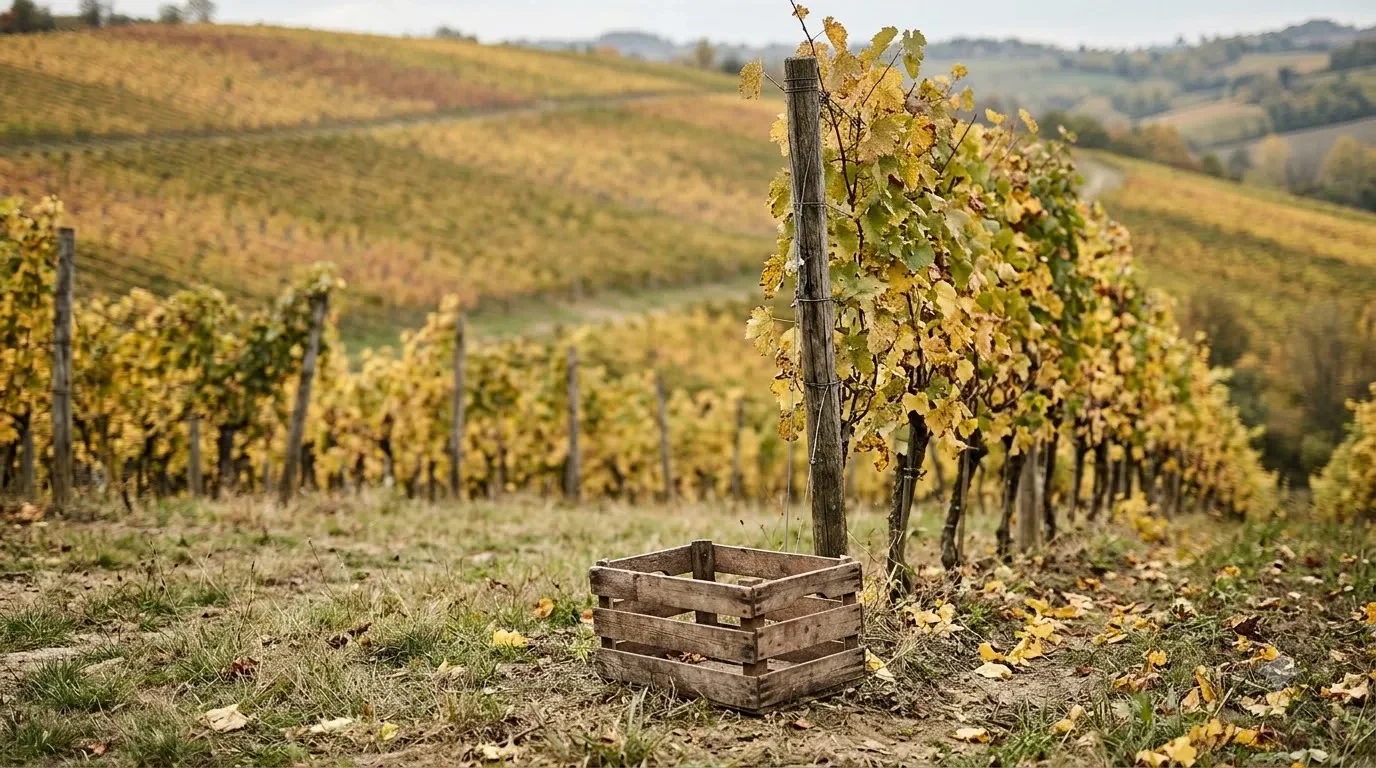
Applegate Valley vineyards sit in the Applegate River valley of Southern Oregon, inside the larger Rogue Valley American Viticultural Area. The valley spans Jackson and Josephine Counties, and its vineyards are planted on hillsides and valley floors at about 1,000 to 1,500 feet. The area is warmer and drier than the Illinois Valley to its west, which gives growers a longer ripening window for red grapes and a range of white varieties.
This guide covers where Applegate Valley is, how its climate shapes the wines, which grapes are grown there, and what to expect when you visit or buy bottles from the region.
Where Applegate Valley Sits in Oregon
Applegate Valley is one of several smaller growing areas in Oregon, and it is easy to confuse with the better-known Willamette Valley to the north. The Applegate is a tributary of the Rogue River, and its valley lies in the southwest corner of the state near the California border. The federal wine designation for the area was approved in December 2000, which places it among the newer named appellations in the state.
Because the region is a sub-area of the Rogue Valley, many labels simply say “Rogue Valley” on the bottle while the vineyard grapes come from the Applegate. If you are shopping by place, check the back label or the producer’s site to see which name appears on the wine.
Climate and Growing Conditions
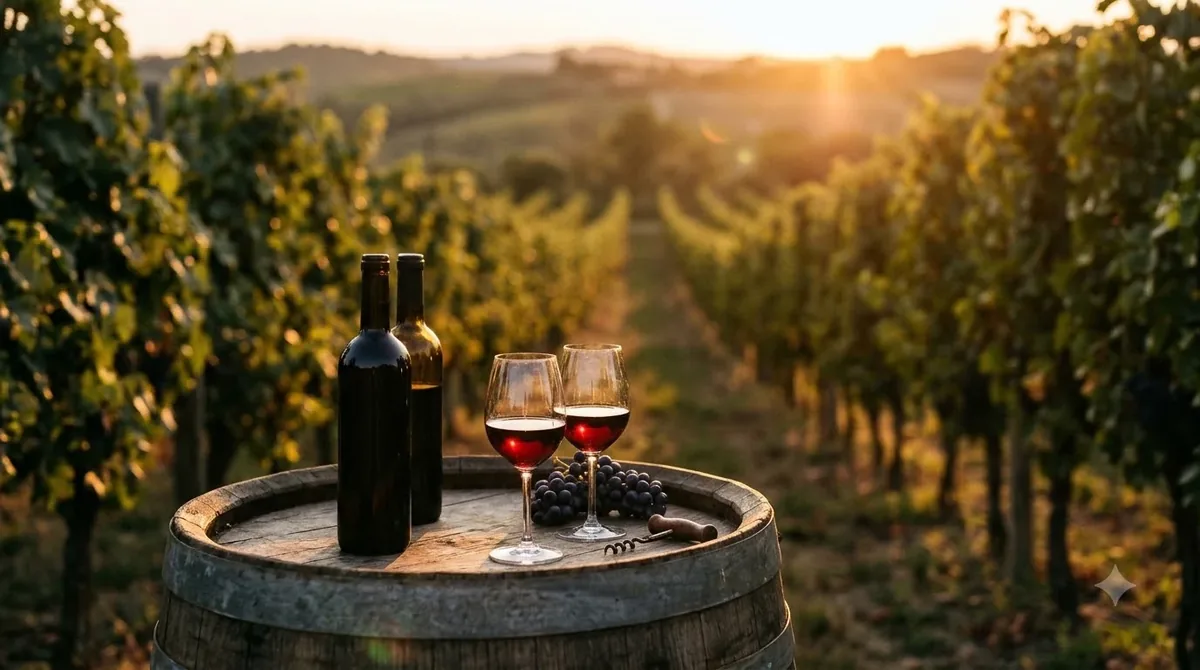
The climate is the main reason the valley is worth knowing about. Growers in Applegate Valley deal with a long warm season, dry summers, and cool nights that help preserve acidity in the fruit. The table below summarizes the figures published for the appellation.
| Factor | What it means for the vines |
|---|---|
| Climate classification | Winkler Region II, a moderate band for growing grapes that suits both early- and mid-ripening varieties |
| Growing season | About 145 days between frosts, enough for most red varieties to reach full ripeness |
| Annual precipitation | Roughly 25 inches, with dry summers that reduce disease pressure |
| Elevation | Vineyards generally sit between 1,000 and 1,500 feet, which adds cooler nights |
Compared with the wetter coastal areas of Oregon, the valley’s dry summers make it easier to manage fruit health with fewer sprays, although irrigation is still common in drier years. Cooler nights during late summer help white wines keep their brightness, while red wines develop structure from the longer hang time on the vine.
Grape Varieties Grown in the Valley
Applegate Valley grows a wider mix of grapes than many Oregon regions. The reference list for the appellation includes Cabernet Franc, Cabernet Sauvignon, Chardonnay, Merlot, Riesling, Syrah, Tannat, Tempranillo, Vermentino, and Zinfandel. That breadth reflects the range of warm microclimates across the valley, which lets growers plant both classic and Mediterranean-style varieties.
The reds tend to show dark fruit, firm tannin, and a spicy finish, especially Syrah, Tempranillo, and Cabernet blends. Riesling and Vermentino give the region a bright, aromatic white side. Chardonnay is grown in both lighter and richer styles depending on the winemaker’s choice of oak. Because the list is broad, a single bottle from the valley can differ greatly from another, so tasting a few styles is the best way to learn the region.
Wine Styles and What to Expect
The wines of Applegate Valley are generally described by producers as food-friendly, with an emphasis on balance rather than extreme ripeness. Warm days give the fruit enough sugar and flavor, while cool nights keep acidity fresh. Many winemakers in the area make small lots and bottle them at the estate, so production volumes are modest and individual styles vary from one producer to the next.
Red blends and single-varietal Syrah or Tempranillo are common choices for dinner. A bright Riesling or Vermentino suits lighter meals, and a well-made Chardonnay can carry richer dishes. When reading tasting notes, look for descriptions of acidity and finish, since those details help predict how a wine will pair with food.
Notable Producers and Visiting Tips
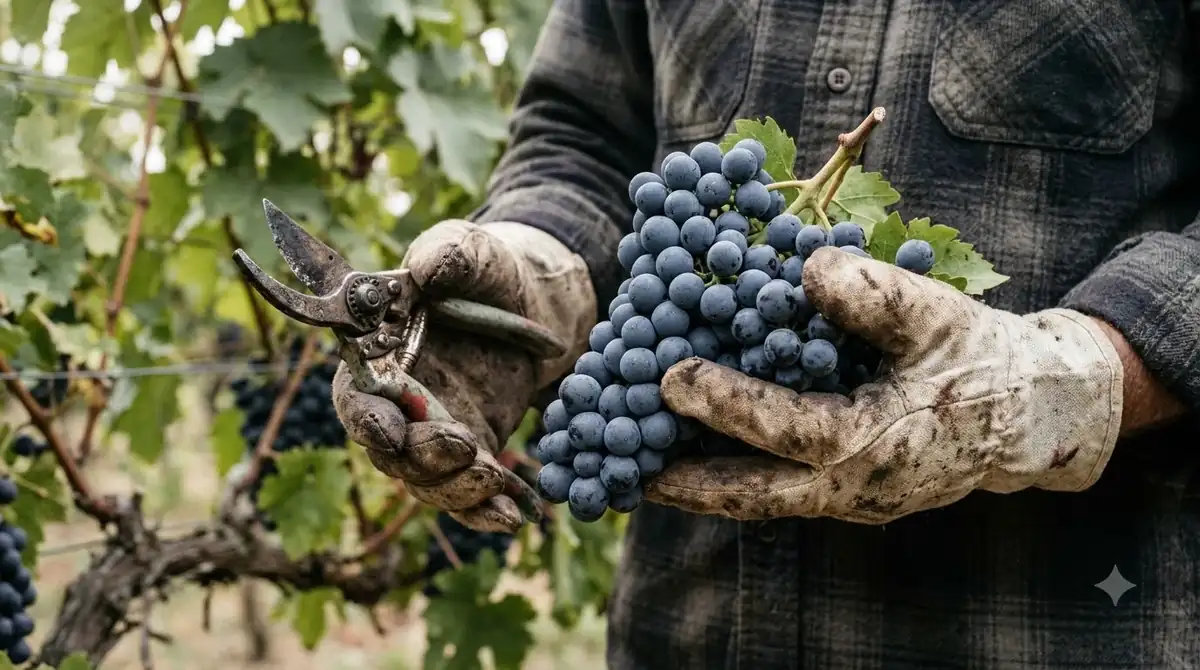
One of the best-known estates in the area is Valley View Winery, which describes itself as a family winery operating since 1972 and as one of the first wineries in Oregon. The winery sits near Jacksonville, Oregon, with its tasting room on Upper Applegate Road. The producer’s website lists the tasting room as open from 11 a.m. to 5 p.m. every day, though hours can change, so confirm them before you travel. You can read more about the estate’s history on the Valley View Winery website.
The estate’s roots are older than the modern appellation. The encyclopedia entry on the Applegate Valley AVA credits Peter Britt with founding Valley View Vineyards in 1854, and it describes the estate as one of Oregon’s first wineries. The same entry notes that the property was later reestablished in Ruch in 1972, which lines up with the family’s own account of its history.
Published descriptions of the area’s winery count have changed over time, so check current listings before planning a multi-stop trip. Start with one or two tasting rooms near Jacksonville, which is an easy base for visiting the valley. Ask about small-production bottles, because those often sell out quickly. If you plan to drive between tasting rooms, use a designated driver or plan a shuttle, and taste responsibly.
Visiting in late spring and early fall gives the most comfortable weather for walking the vineyards. Summer can be hot, so bring water and a hat. Many producers offer tastings by reservation, so booking ahead protects your schedule.
How to Buy and Serve Applegate Valley Wine
Look for the Applegate Valley name on the label when you want a wine from this specific area. Some bottles carry the broader Rogue Valley designation, and that is also a reliable sign of quality from the same climate. Buying directly from the winery is often the easiest route to small-lot bottles, while wine shops and online retailers carry the more widely distributed labels.
Serve reds a little cooler than room temperature and whites chilled but not ice cold. A short decant can help younger red blends open up. Keep bottles away from heat and direct sunlight, since the warm summers of the region are a reminder that storage temperature matters at home too.
Tip: If you are new to the valley, start with a Riesling or a light red blend. Those styles show the local fruit clearly and make a good baseline before you try heavier Syrah or Tannat.
Frequently Asked Questions
Where is Applegate Valley located?
Applegate Valley is in Southern Oregon, along the Applegate River valley. It spans Jackson and Josephine Counties and lies within the larger Rogue Valley American Viticultural Area.
What grapes grow in Applegate Valley?
The appellation lists Cabernet Franc, Cabernet Sauvignon, Chardonnay, Merlot, Riesling, Syrah, Tannat, Tempranillo, Vermentino, and Zinfandel among its grapes. Red varieties tend to dominate, but the valley also produces aromatic white wines.
Is Applegate Valley good for a wine tasting trip?
Yes, it works well for a relaxed day trip. The tasting rooms are small and spread out, so plan a few stops and book ahead when possible. Many visitors combine the trip with time in nearby Jacksonville.
How can I tell if a bottle comes from Applegate Valley?
Check the label for the Applegate Valley name or a Rogue Valley designation, then look at the producer’s website for the vineyard source. Some producers blend grapes from several sites, so the appellation on the label is the most reliable clue.
Applegate Valley rewards curious drinkers who enjoy learning a region through its bottles. Its warm days, cool nights, and broad list of grapes make it different from the Oregon regions most people know first. For more on how regions shape flavor, see the Wine Regions guide, or compare with the Columbia Gorge vineyards.
More in Wine Regions
 Willcox Wine Trail: Discover Arizona’s High-Elevation Wine CountryUpdated Nov 20, 2026
 Yakima Valley Wine Region: Find the Best Styles to TryUpdated Nov 20, 2026
 Vosne Romanee Wine Tasting: Identify Aromas and Choose Better PairingsUpdated Nov 20, 2026
 Yakima Valley Wine Festival: Find the Best Seasonal Wine EventsUpdated Nov 20, 2026
 Wales Vineyards: Discover Cool-Climate Wines and Where to VisitUpdated Nov 20, 2026
 Yountville Wine Festival: Discover Napa Wines and Local FoodUpdated Nov 20, 2026