

We may earn a commission when you buy through links on this page, at no extra cost to you. Learn more.
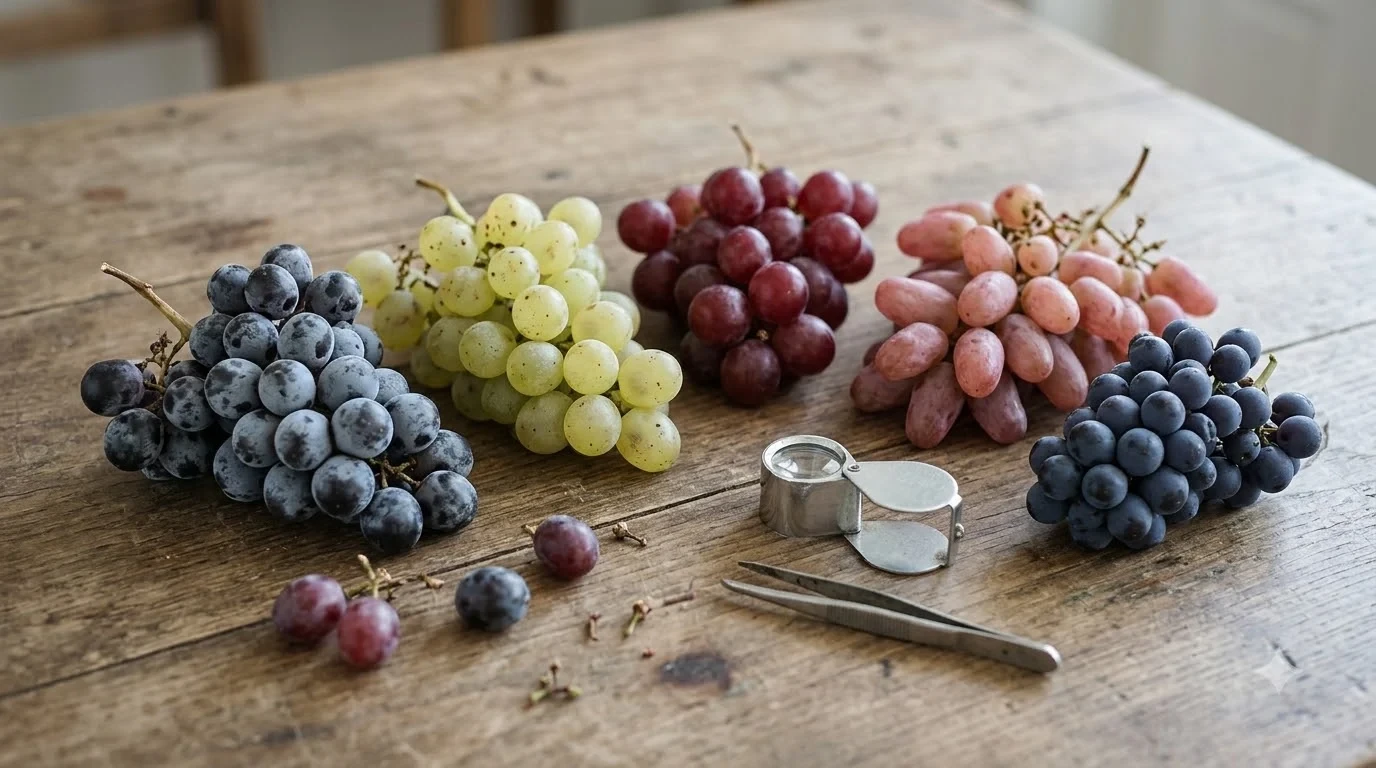
Willcox wine comes from Arizona’s high-elevation basin, and its style is shaped by warm days, cool nights and a long list of grape varieties. Syrah and Italian-style reds such as Sangiovese are among the most talked-about wines, while Rhône whites and fresh Chardonnay or Riesling offer lighter options. Because the region is young as a wine appellation, many bottles are still finding their identity, which makes tasting around a good way to learn it.
Willcox wine is still new to many drinkers, and the label alone does not always say what is inside the bottle. This guide covers the main styles, the grapes most often used, how to choose a bottle, and how to serve and pair these wines. It is aimed at readers who want practical advice on a wine region they have not tried before.
What Willcox Wine Tends to Taste Like
Willcox sits in a high, arid basin, and that setting sets the tone for the wines. The region’s vineyards rise above 4,000 feet, so days are warm and nights can be quite cool. That temperature swing helps grapes keep acidity while they ripen, which can give wines a fresher edge than you might expect from a hot, dry place.
In practice, reds often show ripe fruit with a savory or spicy finish, and whites tend to keep a clean line of acidity. The exact profile depends on the grape, the vineyard block and the winemaker’s choices, so the same region can produce very different bottles. Tasting several styles side by side is the quickest way to find what you enjoy.
The Grape Styles to Look For
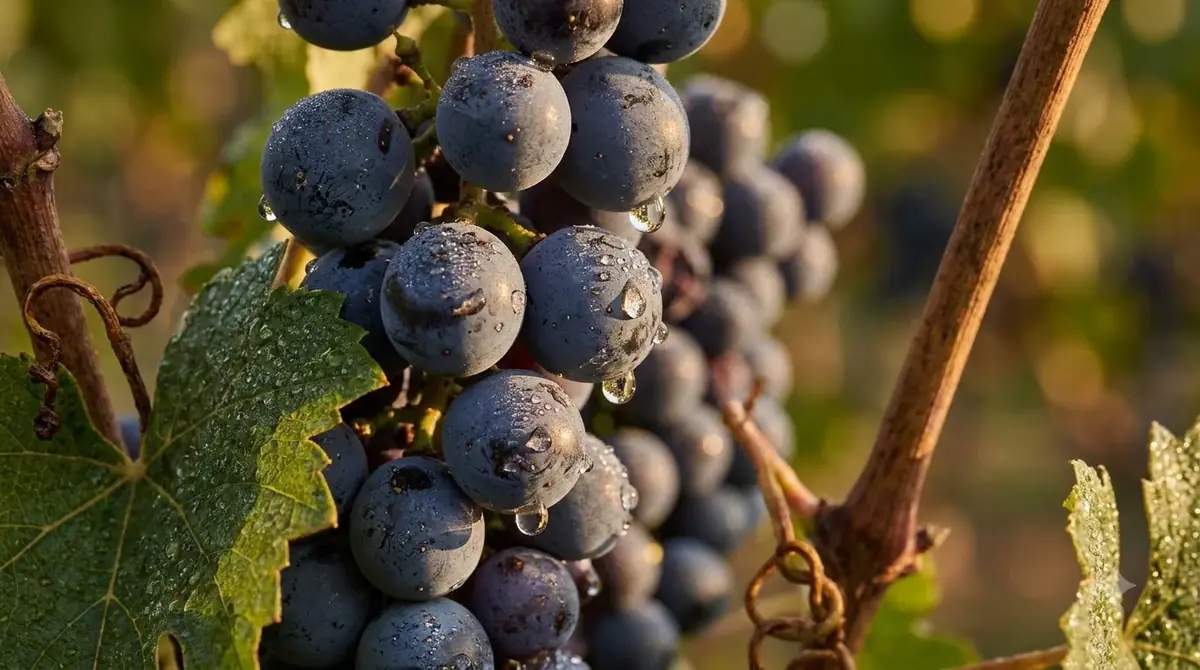
The region grows a long list of varieties, which the Wikipedia summary puts at about 25. For a first purchase, it helps to think in three broad groups. Rhône-style reds such as Syrah and Mourvèdre tend toward dark fruit and spice. Italian-style reds, including Sangiovese and Nebbiolo, bring brighter acidity and savory herbs. Whites such as Viognier, Marsanne, Chardonnay and Riesling cover a range from aromatic to fuller and rounder.
Syrah deserves a special note. Wine Folly’s Syrah guide describes U.S.-grown versions as fruit-driven and quite spicy, which is a useful starting expectation for a Willcox bottle. Sangiovese, by contrast, is described by Wine Folly as bone-dry with medium-high acidity and tannin, and with flavors of cherry, roasted tomato and oregano.
| Wine style | Typical grapes | What to expect |
|---|---|---|
| Rhône-style red | Syrah, Mourvèdre | Dark fruit, spice and a peppery finish |
| Italian-style red | Sangiovese, Nebbiolo | Bright acidity, savory herbs and firm structure |
| Rhône-style white | Viognier, Marsanne | Aromatic and textured, with stone fruit |
| Fresh white | Chardonnay, Riesling | Crisp to rounded, depending on oak and sugar |
Tip: If a Willcox red tastes tight at first, give it 20 to 30 minutes in the glass. High-acid, structured wines often open up as they warm slightly and meet air.
How to Choose a Willcox Bottle
Start with the producer’s description. Estate websites and tasting room staff usually explain the grape blend, the vineyard source and the style the winemaker is aiming for. A line that says the wine is fruit-forward, savory or built for food tells you more than a vague adjective on a shelf card.
Next, check the vintage and the appellation. A label that says Willcox confirms that the grapes come from the American Viticultural Area, which was established in 2016. Some wineries also blend fruit from other Arizona areas, so the label is the best place to confirm where the grapes were grown.
Price and availability can also vary a lot between wineries, so it helps to decide what you want from a bottle before you shop. If you want a food-friendly red for weeknight meals, a fresh Sangiovese-style wine or a Syrah with moderate oak may be the easiest choice. If you are curious about a special-occasion wine, look for a producer that describes its vineyard blocks and winemaking in detail, since those notes usually reflect a more deliberate approach.
Where Willcox Wine Fits Among Other Regions
Comparing Willcox with better-known regions can help you place it. Warm, dry climates often produce riper fruit than cool coastal areas, but the high elevation gives Willcox a cooler night-time rhythm that many drinkers find refreshing. The Hermann wine trail guide offers another example of how a less familiar American wine area can build a strong local identity.
For a broader framework, the wine regions guide explains how climate, soil and grape choice combine to shape a wine. Reading that background alongside a Willcox bottle makes it easier to see which qualities come from the place and which come from the winemaker.
Serving and Pairing Willcox Wine
Serve reds slightly cooler than a warm room, and give young, structured bottles time to open. Whites are best chilled but not ice cold, which keeps their aromas clear. Sangiovese-style reds pair naturally with tomato sauces, grilled vegetables and hard cheeses, since the acidity cuts through rich dishes. Syrah suits barbecue, spiced sausages and roast meats, while Viognier and Chardonnay work well with roast chicken or lightly spiced seafood.
A simple test is to match the wine’s weight with the food. Light reds and crisp whites work for lunch and simple plates, while fuller reds handle heavier dishes. If you are planning a dinner, bring one red and one white so guests can compare how the region handles different styles.
Buying and Storing Willcox Wine
When you taste at a winery, ask staff which wines they would pour for a dinner party and which they would keep for themselves. That question often gets a more honest answer than a list of tasting notes, and it can point you toward a bottle that suits your palate.
Buy from a shop or winery that stores bottles in a cool, dark place. Heat is the main enemy of wine, and bottles that sit in a hot warehouse or a sunny window can taste flat or cooked. Once home, keep the bottles away from appliances and direct light, and store corked wines on their side to keep the cork moist.
For older Willcox reds, check the producer’s notes on drinking windows. Structured reds such as Sangiovese-style wines may improve over a few years, while fresh whites are usually best within a year or two of the vintage.
Frequently Asked Questions
What is Willcox wine known for?
Willcox wine is known for its high-elevation Arizona character, with warm days, cool nights and a wide range of grapes. Syrah and Italian-style reds are often mentioned, along with Rhône and fresh white styles.
Is Willcox wine good with food?
Many Willcox wines are built for food. Acid-driven reds pair well with tomato dishes and grilled foods, while Syrah suits barbecue and roast meats. Fresh whites match seafood and lighter plates.
How do I know a bottle is from the Willcox area?
Look for the word Willcox on the label, which indicates that the grapes come from the American Viticultural Area. Check the producer’s website if the label is unclear about sourcing.
Should I decant Willcox red wine?
Decanting can help young, structured reds open up. For lighter reds, letting the wine breathe in the glass for 20 to 30 minutes is often enough.
Willcox wine rewards an open mind. Start with a Syrah or a Sangiovese-style red, compare it with a fresh white from the same region, and note how the vintage changes the glass. Enjoy the wines with food and in moderation, and plan any tasting so you are not driving afterward.
More in Wine Regions
 Willcox Wine Trail: Discover Arizona’s High-Elevation Wine CountryUpdated Nov 20, 2026
 Yakima Valley Wine Region: Find the Best Styles to TryUpdated Nov 20, 2026
 Vosne Romanee Wine Tasting: Identify Aromas and Choose Better PairingsUpdated Nov 20, 2026
 Yakima Valley Wine Festival: Find the Best Seasonal Wine EventsUpdated Nov 20, 2026
 Wales Vineyards: Discover Cool-Climate Wines and Where to VisitUpdated Nov 20, 2026
 Yountville Wine Festival: Discover Napa Wines and Local FoodUpdated Nov 20, 2026