

We may earn a commission when you buy through links on this page, at no extra cost to you. Learn more.
Long Island wineries are concentrated on the North Fork, the eastern arm of the island, where small family estates and a few larger producers make Merlot, Cabernet Franc, Chardonnay, and sparkling wine. Most visitors base themselves in Greenport or Southold and drive out to the wine towns of Cutchogue, Mattituck, and Peconic for the day, sampling flights at several tasting rooms.
Planning a visit to Long Island wine country can feel confusing at first, because the wineries are spread across two forks and the names on the labels do not always match the towns on the map. This guide explains where the wineries are, which estates are known for which styles, how to plan a day of tastings, and what to bring home. It also points out what the numbers do and do not tell you, since published counts vary a lot.
Where the wineries are
Almost all of the island’s wineries sit on the North Fork, where vineyards are sheltered by Peconic Bay and benefit from the warmer microclimate. The main wine towns are Cutchogue, Mattituck, Peconic, and Southold, and they are close enough to visit in one long afternoon. The South Fork has a smaller group of estates, many of them focused on rosé and crisp white wines, and it is a separate trip.
Mattituck has one of the most walkable downtown stretches on the North Fork, anchored by Love Lane. Cutchogue is quieter and more spread out, with several estates set on working farmland. Greenport is a common base because it offers hotels, restaurants, and a waterfront, and you can drive to most of the tasting rooms in less than half an hour.
Which wineries are worth knowing
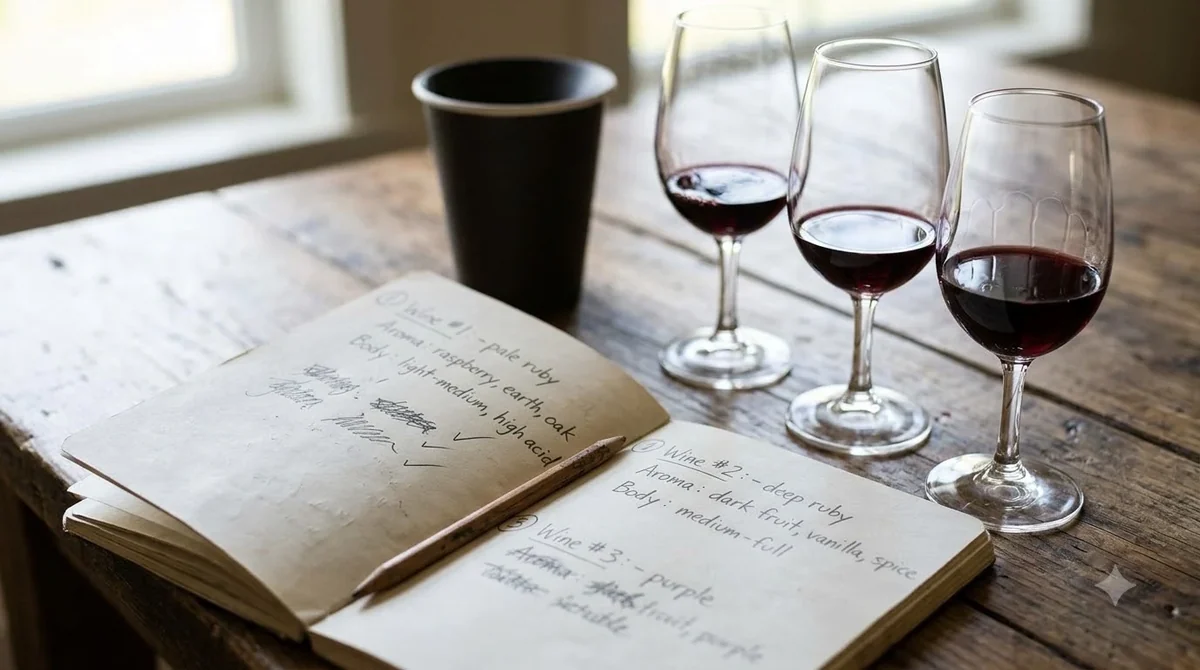
Long Island wineries cover a wide range, from long-established estates to newer sparkling-wine houses. Bedell Cellars in Cutchogue is one of the older names on the island, dating back to 1980, and visitors often recommend its champagne flight alongside the estate’s still wines. Lieb Cellars runs two tasting rooms, with a more rustic room in Cutchogue and a casual room in Mattituck that pours its more affordable wines.
Sparkling Pointe is a newer addition that focuses on traditional-method sparkling wine from Chardonnay, Pinot Noir, and Pinot Meunier, with a range from Brut Nature to Blanc de Blancs. Pindar Vineyards and Palmer Vineyards offer broad portfolios that include Cabernet Franc, Cabernet Sauvignon, and whites such as Sauvignon Blanc. Paumanok Vineyards is known for barrel-fermented Chardonnay and Bordeaux-style reds. Macari Vineyards and North Cliff Vineyards are two other estates that show how Merlot and Cabernet Franc can be made in different styles on the same peninsula.
Seasons also shape the experience. Summer weekends bring the most visitors and the liveliest tasting rooms, while spring and early fall are quieter and make it easier to talk with winemakers and staff. Harvest time in the autumn is a special season to visit, because the vineyards are busy and the tasting rooms often have new wines on the pour list. Weekday visits are usually the most relaxed, and they give you more time with each flight.
Not every winery focuses on the same thing, so it helps to decide what you want before you visit. If you prefer Bordeaux-style reds, look for Merlot, Cabernet Franc, and Meritage blends. If you like bright whites, look for Chardonnay, Sauvignon Blanc, and sparkling wine. Some estates also make a dessert-style or fortified wine, which is worth trying at the end of a tasting.
| Area | What it is known for | Good for |
|---|---|---|
| Cutchogue | Older estates and farm-set tasting rooms | A relaxed, scenic afternoon |
| Mattituck | Walkable downtown and several tasting rooms | Visiting several wineries without a car |
| Peconic and Southold | Mix of established wineries and newer estates | Trying a range of styles |
| Greenport | Restaurants, hotels, and waterfront views | Basing yourself for a weekend |
How to plan a day of tastings
Plan three or four stops at most. Tastings add up quickly, and the wines on the North Fork are often bold enough that a full flight can feel like a meal. Arrive early on weekends, since popular tasting rooms fill up by midday, and check each winery’s hours and reservation policy before you leave, because they change from season to season.
Food matters more than many first-time visitors expect. Wine on an empty stomach can make the higher-alcohol reds feel stronger than they are, so plan a real lunch, not just a snack. Greenport and Southold have restaurants that serve local seafood, and a picnic built around cheese, bread, and fresh produce works well on the grounds of several estates. Bring water and take breaks between stops.
Many visitors choose a designated driver or book a guided tour. Tour companies can handle the transport and suggest a route, which is useful if you want to taste several wines without worrying about the drive back. If you drive yourself, space the stops out with food breaks and a picnic. Local markets and produce stands make it easy to put together a simple lunch to eat between tastings.
When you reach the tasting room, ask staff to explain the production method behind the wines. Many estates grow their own fruit and can tell you which vineyard block a wine comes from. That context makes the flight more useful, especially if you are trying to decide which bottles to buy for home.
Tip: Tasting fees, reservation rules, and hours change, so confirm them with each winery before you travel. Ask how the tasting fee is handled, since some wineries apply it toward a purchase.
What to buy and bring home
Most wineries sell their wines on site, and the tasting room is often the best place to find bottles that are not sold in regular stores. Ask about the vintage you are buying, because the same label can change from year to year. Shipping rules vary by state, so check whether the winery can ship to your home before you commit to a large order.
For a first purchase, a dry rosé, a Chardonnay, and a Merlot-based red give you a good cross-section of the region. If you enjoy the Cabernet Franc style, buy a single-variety bottle to compare with a blend. You can read more about how the island compares with other coastal regions in the Long Island wine guide, which covers the grapes and climate in more detail.
Visitors who also like to compare regions across the country may find it useful to look at Bordeaux-style reds next to the North Fork. The Bordeaux wineries guide explains how the French region is organized, which helps explain why Long Island producers chose the same grape varieties.
Frequently Asked Questions
How many wineries are on Long Island?
Published counts vary by source and year, and they often differ between the North Fork alone and the whole island. Check a current regional guide or the winery websites before planning a route.
Which town is best to stay in for winery visits?
Greenport and Southold are the most common bases because they have hotels and restaurants and sit close to the main wine towns. Mattituck is a good choice if you want a walkable downtown.
Do I need a reservation for Long Island wineries?
Many tasting rooms welcome walk-ins, but popular ones may require reservations on weekends. Check each winery’s website before you go, since policies change.
Can I visit Long Island wineries without a car?
Yes, but it takes planning. A guided tour is the simplest option, and some visitors use a designated driver. Public transit between the wine towns is limited, so a tour or a rental car is usually easier.
A good Long Island wine day starts with a clear plan, a short list of wineries, and a little food. For more background on the region’s grapes and styles, visit the North Fork wine listings on Wine Folly to see which producers make each variety.
More in Wine Regions
 Willcox Wine Trail: Discover Arizona’s High-Elevation Wine CountryUpdated Nov 20, 2026
 Yakima Valley Wine Region: Find the Best Styles to TryUpdated Nov 20, 2026
 Vosne Romanee Wine Tasting: Identify Aromas and Choose Better PairingsUpdated Nov 20, 2026
 Yakima Valley Wine Festival: Find the Best Seasonal Wine EventsUpdated Nov 20, 2026
 Wales Vineyards: Discover Cool-Climate Wines and Where to VisitUpdated Nov 20, 2026
 Yountville Wine Festival: Discover Napa Wines and Local FoodUpdated Nov 20, 2026