

We may earn a commission when you buy through links on this page, at no extra cost to you. Learn more.
Hampton Water rosé is a French rosé made in the Languedoc with winemaker Gérard Bertrand, and it was created by Jon Bon Jovi and his son Jesse as a Provence-style pink wine. It is a blend built on southern French red varieties, usually Grenache, Cinsault and Mourvèdre, and it has become one of the best-selling rosés in the United States. This guide explains where the wine comes from, what its style tastes like, and how to choose a bottle for a warm-weather meal or a party.
Hampton Water is one of the most talked-about rosés on American shelves, partly because of its celebrity founders and partly because the wine has built a large following. Whether you are curious about the story or simply want to know whether the bottle suits your table, the sections below cover the facts that matter most for a buying decision.
Who makes Hampton Water rosé
The brand’s official website describes itself as a family business led by Jesse and Jon Bon Jovi, father and son. The wine itself is produced in France, and the brand’s own site states that the rosé is made through a partnership with the Languedoc winemaker Gérard Bertrand. Bertrand’s estates are in southern France, where the warm Mediterranean climate suits the rosé grapes that go into the blend.
The idea came from the family. Accounts of the brand’s origin describe Jesse bringing the concept to his father, who helped develop the wine alongside Bertrand. The result is marketed as Provence-inspired, a style associated with pale, dry rosés from the south of France, but the bottle is produced in the Languedoc, the larger wine region just west of Provence.
What the wine is made from
The blend is built on Grenache, Cinsault and Mourvèdre, the three varieties that dominate much of southern French rosé. Grenache adds ripe red fruit and body, Cinsault brings lightness and floral aromas, and Mourvèdre contributes structure and a savory edge. Some retailer listings also mention Syrah in the mix, so the exact blend can vary by vintage, and the back label is the most reliable guide for the bottle you buy.
The wine is typically around 14 percent alcohol by volume, which is a little higher than some very light rosés. That gives it a fuller texture and a slightly rounder finish than the most delicate Provence styles, so it tends to work well with food rather than only as an aperitif.
Taste and style
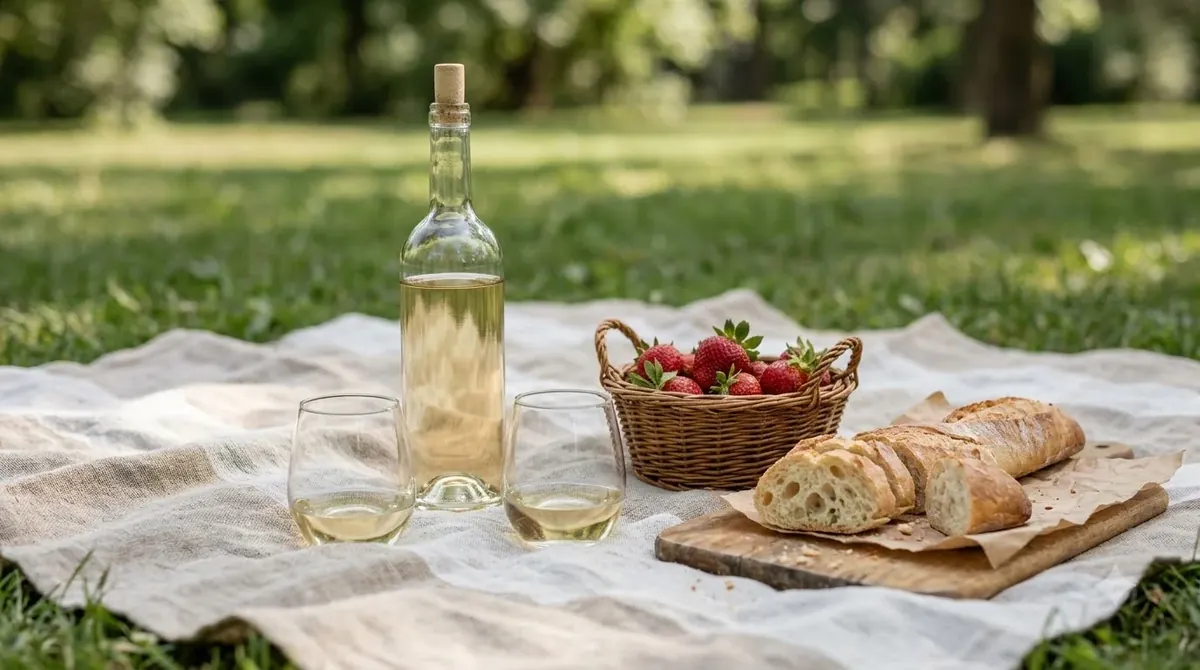
Hampton Water is generally described as a dry rosé with bright strawberry, watermelon and citrus notes, and a soft, refreshing finish. The color is pale pink, and the aromas lean toward fresh fruit and flowers rather than heavy jam. The palate is crisp enough for a hot afternoon but has enough fruit to stand up to grilled food, which is one reason it has become a summer favorite.
Because the wine is blended for approachability, it does not try to be a complex, age-worthy rosé. It is meant to be opened and enjoyed within a year or two of release, and it shows best when chilled to a cool, refreshing temperature.
| Feature | What it means in the glass | Good with |
|---|---|---|
| Dry style | Little sweetness, clean and refreshing finish | Salads, grilled chicken, picnic food |
| Red fruit notes | Strawberry, watermelon and citrus character | Tomato bruschetta, prosciutto, soft cheese |
| Grenache, Cinsault, Mourvèdre blend | Balance of fruit, lightness and savory structure | Grilled fish, herbed pork, Mediterranean dishes |
| About 14 percent alcohol | Fuller body than the lightest rosés | Burgers, grilled vegetables, spicy sausage |
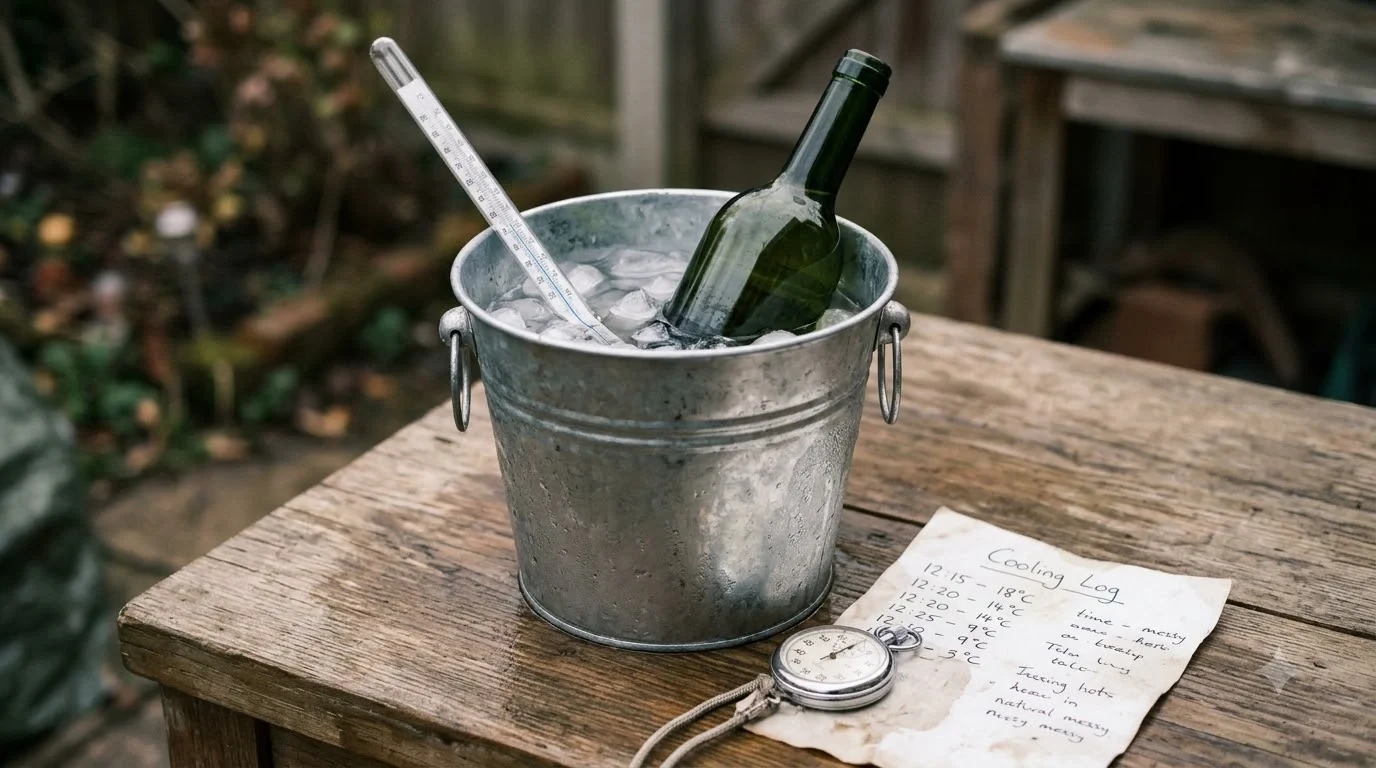
Tip: Chill the bottle for about two hours before serving, then keep it in an ice bucket outdoors, since rosé warms quickly in the sun.
How to serve and pair Hampton Water rosé
Serve the rosé in a standard white wine glass, filling it about a third of the way so the aromas collect at the top. Chilling it properly makes a big difference, because the fruit is more pronounced when the wine is cool but not icy. A cold bottle also stays fresh longer in a glass on a warm day.
The wine pairs well with a wide range of casual food. Light seafood such as grilled shrimp, salads with goat cheese, and mezze-style plates of olives and hummus all suit its dry, fruity character. It also works with grilled chicken and vegetables, and with pasta dishes that use tomato or herbs rather than heavy cream.
Other products and recognition
When you read about the brand, it helps to separate the product from the publicity. The celebrity founders have drawn attention to the wine, but the bottle has to stand on its own in the glass, and most drinkers judge it by how well it fits a meal and a warm afternoon. That is the test this guide applies to every claim.
Beyond the still rosé, the brand has expanded its range. The official site lists a sparkling wine called Hampton Water Bubbly, along with artist series releases and a collaboration with a beverage brand. These extensions show how the brand has grown from a single wine into a wider lifestyle label, though the rosé remains the flagship.
The wine has earned strong sales and attention in the United States. Retailers and trade coverage have cited a Wine Spectator recognition for its early vintage and have described it as one of the best-selling rosés in the country. Those claims come from the brand’s supporters and the trade press, so it is wise to check the original publication if the award matters to your decision.
How to choose a bottle of Hampton Water rosé
Start with the occasion. If you want a crowd-pleasing rosé for a summer party, the Hampton Water style is an easy choice because it is dry, fruity and approachable. If you prefer a more delicate, pale Provence rosé, you might look at a classic Provence producer, and if you want something richer and more structured, consider a rosé from a different region of southern France.
Look at the vintage on the label, and buy the most recent release you can find, since rosé is at its best when young. Storing the bottle in a cool place until serving keeps the fruit fresh, and a chilled bottle is ready to pour when guests arrive.
Frequently Asked Questions
Who makes Hampton Water rosé?
The brand is a family business led by Jon Bon Jovi and his son Jesse. The wine is produced in France through a partnership with the Languedoc winemaker Gérard Bertrand.
Is Hampton Water a sweet or dry rosé?
It is generally described as a dry rosé with fruity notes. The fruit flavors come through clearly, but the wine finishes clean rather than sweet, which suits a wide range of food.
What grapes are in Hampton Water rosé?
Most sources list Grenache, Cinsault and Mourvèdre as the main varieties. Some listings add Syrah, so check the back label of the bottle you buy for the exact blend.
Is Hampton Water rosé Provence wine?
It is Provence-inspired, meaning it follows the pale, dry style of Provence rosé, but it is produced in the Languedoc region of southern France. That makes it a French rosé in the same family as Provence wines.
Hampton Water rosé suits anyone who wants a dry, fruity pink wine for warm weather and casual meals. Chill it well, pair it with simple seafood or grilled food, and you will see why it has become so popular. For more ideas, the wine brands guide covers how rosé brands differ, and the Whispering Angel rosé page offers another Provence-style comparison to try alongside it.
More in Wine Brands
 Underwood Wine Price: Compare Bottles, Cans, and Pack SizesUpdated Nov 21, 2026
 Zenato Wine Price: Compare Styles and Choose the Right BottleUpdated Nov 21, 2026
 Zuccardi Wine Price: Compare Bottles and Find the Right RangeUpdated Nov 21, 2026
 Yellow Tail Moscato Review: Taste, Sweetness and Serving TipsUpdated Nov 21, 2026
 Wolf Blass Yellow Label Review: Choose Your Best StyleUpdated Nov 21, 2026
 Wolffer Estate Rose Review: Choose the Right Bottle for Your TableUpdated Nov 21, 2026