

We may earn a commission when you buy through links on this page, at no extra cost to you. Learn more.
Provence rosé wine is a dry, pale pink wine from the south of France, made mostly from red grapes that are pressed quickly so the juice takes only a little color from the skins. The style is light in body, crisp in acidity and usually more savory than fruity, which is why it is often called the classic rosé. Most bottles come from the Côtes de Provence appellation, and they are made to be served cold with a meal or on a warm afternoon.
This guide explains what sets Provence rosé apart from other pink wines, which grapes go into it, how it tastes, and how to serve and choose a bottle. If you are new to pink wine, it is a useful place to start because the style is so consistent from one producer to the next.
What Makes Provence Rosé Different
Rosé is made from red grapes, but the wine is not a blend of red and white. The skins are in contact with the juice only briefly, or the juice is run off from the skins early, so the color stays pale. Provence producers lean into this approach. The result is a wine that looks like a light blush and tastes dry rather than sweet.
The region has a long history of making pink wine, and the style has become the standard that many other rosé regions try to match. Because the wines are so pale, they are easy to recognize on a shelf, and buyers often use the color as a shorthand for a crisp, dry, food-friendly wine.
Grapes and Blending
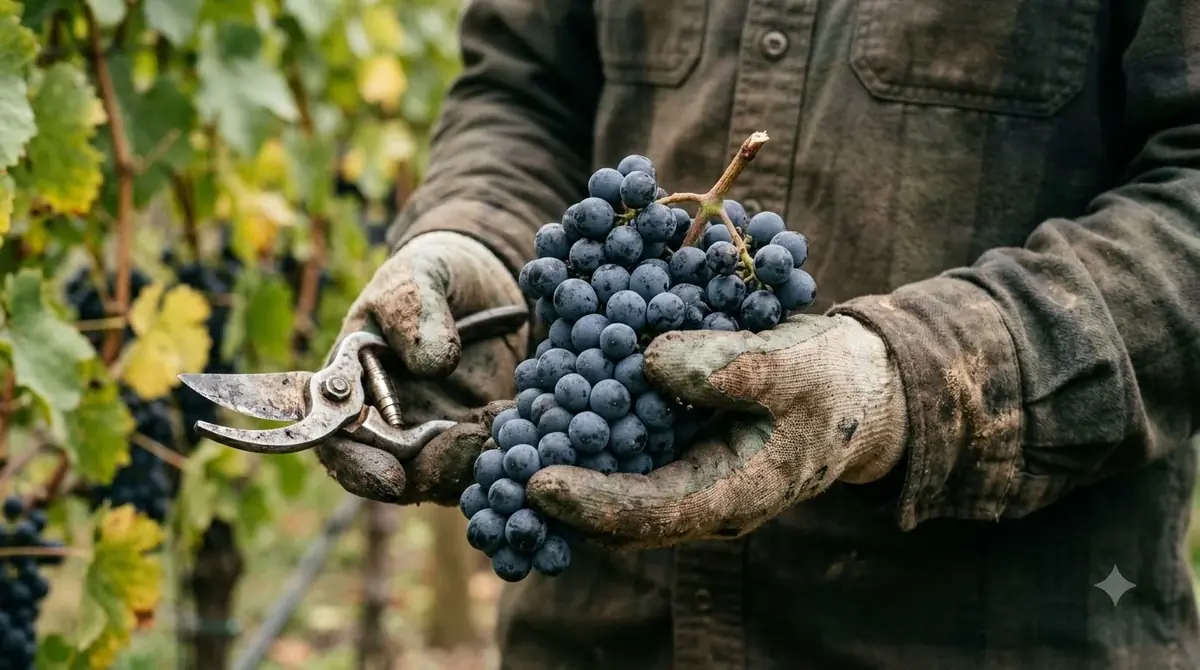
Provence rosé is usually a blend rather than a single grape. Grenache is one of the most common red varieties in the region, and Wine Folly describes it as a fruit-forward grape that produces ruby-hued rosé with crisp acidity, and notes that its roots are in northeastern Spain, where it is known as Garnacha. Cinsault and Syrah also appear in many blends, and some producers add Mourvèdre for structure and a little depth of flavor.
Blending gives winemakers room to balance fruit, acidity and body. A blend with more Cinsault tends to feel softer and lighter, while more Grenache adds ripe red fruit. Each producer chooses its own mix, so two bottles from the same village can taste quite different.
For a quick way to see how these grapes behave on their own, the pinot noir rose wine guide shows how another red grape shapes a pink wine, and it is a good comparison point when you taste several styles side by side.
Flavor and Style
A typical Provence rosé is dry, with flavors of red berries, citrus peel and herbs. Wine Folly lists stewed strawberry, grilled plum, dried herbs and blood orange as the kinds of notes the Grenache grape can show, and many Provence rosés share some of those savory, herbal edges. Acidity is usually bright, which helps the wine feel refreshing even at a light body.
The wine’s texture is also part of its appeal. Because the acidity is firm, the finish feels clean rather than heavy, and the wine can seem drier than its fruit would suggest. That balance is why the style suits warm weather and light meals, where a heavier wine would feel out of place.
Oak is rare in this style. Most Provence rosés are fermented and bottled to keep their freshness, so the aromas come from fruit and herbs rather than wood. If you find a pink wine with strong vanilla or toast, it is probably not in the classic Provence style.
How to Serve Provence Rosé
Serve it cool, not ice cold. Wine Folly gives a serving range of 15 to 20°C (60 to 68°F) for Grenache-based wines, and that range works well for most pale rosés. Chilling the bottle for about an hour in the refrigerator before pouring is usually enough.
Because the wine is light, a universal glass is fine. A slightly larger bowl gives the aromas more room to open. There is no need to decant a young rosé.
| Style point | Typical Provence rosé |
|---|---|
| Color | Pale pink to light salmon |
| Sweetness | Dry |
| Body | Light to medium |
| Acidity | Crisp and bright |
| Serving temperature | About 15 to 20°C (60 to 68°F) |
| Oak | Usually none |
Food Pairing
Provence rosé pairs well with food that has herbs, olive oil, citrus or a little salt. Grilled fish, tomato salads, goat cheese and roasted chicken with lemon all suit the wine. Wine Folly suggests roasted meats and vegetables seasoned with spices as a good match for Grenache-based styles, so a Provence rosé can also work with dishes that have a little warmth.
A simple way to plan a meal is to match the wine’s weight to the food’s weight. A light rosé works best with a salad, a seafood starter or a plate of grilled vegetables, while a richer main course may call for a fuller red. Many people also enjoy a Provence rosé before the meal, when the crisp acidity cleans the palate and prepares it for food.
Avoid very rich, heavily sauced dishes with a light rosé, because the wine can disappear behind them. For a fuller guide to matching pink wine with meals, read the Wine by Type section, which covers how each style fits different food.
How to Choose a Bottle
Look for a label that names Côtes de Provence or another Provence appellation, since these labels usually indicate a dry, pale style. Check the color on the label or in the producer notes, and read the description for words such as dry, crisp or herbal. Younger bottles are usually the best choice, because the freshness is the main appeal of the style.
Check the vintage as well. A recent vintage will show the freshest fruit and the crispest acidity, and most rosés are at their best within a year or two of the harvest. Older bottles may still be pleasant, but they tend to lose the lively aromas that make the style appealing.
If you want a sweeter pink, look for a different style. A sweet rosé, often sold as a lighter or fruit-driven wine, will taste very different from a Provence bottle. A sweet sangria-style drink is a separate category, which the rose sangria guide explains in more detail.
Frequently Asked Questions
Is Provence rosé always dry?
Most Provence rosés are dry, and that is the style the region is best known for. A few producers make slightly off-dry wines, so the label or the producer’s description is the best guide if you want a sweeter bottle.
Which grapes are used in Provence rosé?
Grenache, Cinsault and Syrah are the most common, and Mourvèdre appears in some blends. Each producer chooses its own mix, so the taste can change from one bottle to the next.
How long can you keep a Provence rosé?
Most are meant to be drunk young, within a year or two of the vintage, to enjoy their freshness. Some serious bottles can age longer, but they are the exception rather than the rule.
Should Provence rosé be chilled before serving?
Yes, but not too cold. Serving it around 15 to 20°C (60 to 68°F) lets the fruit and herbs show, while still keeping the wine refreshing.
Provence rosé is a good starting point for anyone who wants a dry pink wine that works at a table or on a warm evening. Choose a young bottle from a clear Provence appellation, serve it cool, and pair it with fresh, herbal food. For a wider view of pink styles, browse the what is rose guide next.
More in Wine Types & Grapes
 Zinfandel Sugar Content: Dry Red vs. White Zinfandel GramsUpdated Nov 21, 2026
 Best Zinfandel Substitute Options for Sipping and CookingUpdated Nov 21, 2026
 Zweigelt Food Pairing: Best Dishes, Cheeses, and Serving TipsUpdated Nov 21, 2026
 Zinfandel Tannins Explained: How Structure Shapes Every BottleUpdated Nov 21, 2026
 Zinfandel Sweetness Level: Dry Red vs. Sweet White Zin ExplainedUpdated Nov 21, 2026
 Xinomavro Food Pairing: Best Dishes, Styles, and Serving TipsUpdated Nov 21, 2026