

We may earn a commission when you buy through links on this page, at no extra cost to you. Learn more.
The closest zinfandel substitute is Italian Primitivo, which DNA testing confirmed is the exact same grape variety as California Zinfandel. Other top alternatives that mirror Zinfandel’s bold dark fruit, baking spice, and full-bodied warmth include Spanish Garnacha (Grenache), Australian Shiraz, and Croatian Plavac Mali. If you need a stand-in for cooking, dry Primitivo, Garnacha, or Syrah will hold up to slow-braised meats and rich tomato sauces without losing fruit character.
Whether your local shop is out of California Zin, you want to explore Old World bottles at a friendlier value, or a recipe calls for a fruit-forward red, matching Zinfandel comes down to understanding what makes the grape tick. High natural sugar, thin skins, and lively spice define the profile, and several global varieties share those exact traits.
What Makes a Great Zinfandel Substitute
A convincing replacement for red Zinfandel needs ripe berry concentration, warm baking-spice notes, moderate tannins, and generous alcohol that carries a plush mouthfeel. Choosing a bottle that is too lean or overly tannic will miss the signature generosity that makes Zinfandel so approachable.
According to Wine Folly’s guide to Zinfandel, the grape is notorious for uneven ripening on the vine, meaning underripe, ripe, and raisined berries often hang together in the same cluster. Those raisined berries concentrate natural sugars, which typically ferment into bold wines carrying 14 percent ABV or higher alongside flavors of blackberry, strawberry, peach preserves, cinnamon, and sweet tobacco. Because the berries are small and thin-skinned, they also deliver a high skin-to-juice ratio that builds deep color and spice without the drying astringency of thick-skinned grapes like Cabernet Sauvignon.
When you are browsing Wine by Type to fill the same role at dinner or in a pan, focus on warm-climate red varieties. Cool-climate reds tend to emphasize tart red fruit, herbal notes, and crisp acidity, whereas warm-region grapes develop the jammy, peppery richness people expect from a classic California bottling. If you are actually looking to replace sweet pink blush wine rather than dry red Zinfandel, check out our guide to finding a white zinfandel substitute instead, as the two styles sit on opposite ends of the spectrum.
Top Red Wine Substitutes for Zinfandel
Several international reds replicate Zinfandel’s fruit-forward intensity, led by its genetic twin from southern Italy and a handful of warm-climate powerhouses from Spain, Australia, and Croatia. Each brings a slightly different regional accent to the glass while keeping the core berry-and-spice appeal intact.
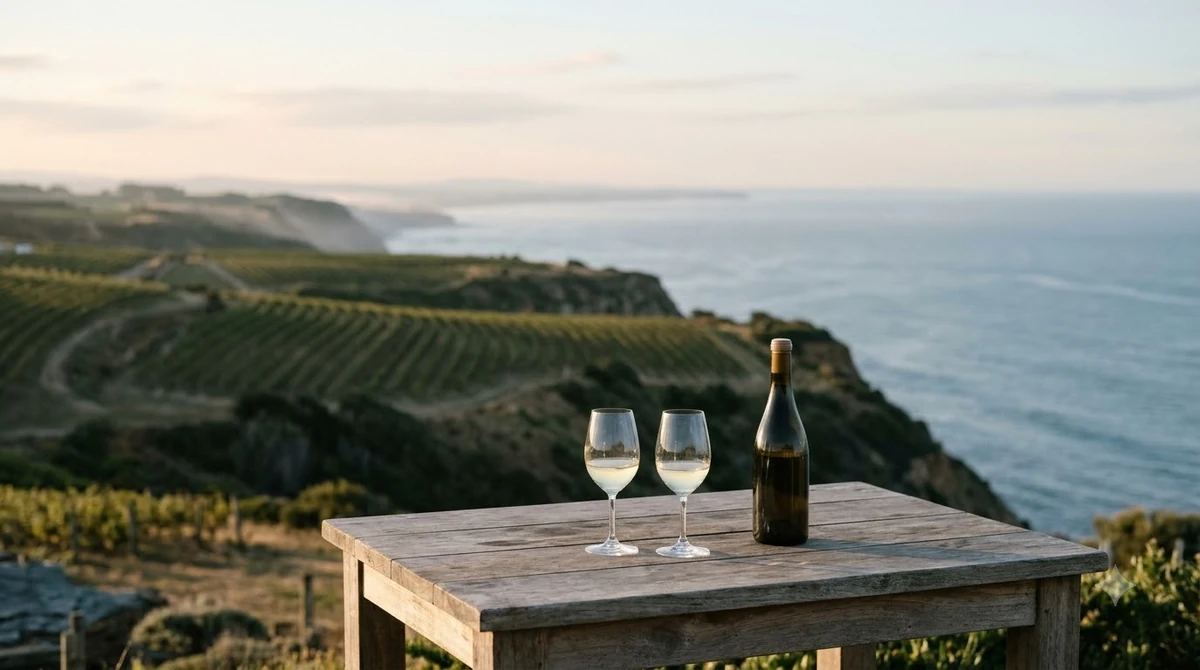
Primitivo (Puglia, Italy): DNA research in the 1990s proved that Zinfandel and Italian Primitivo are genetically identical to the ancient Croatian variety Tribidrag. Grown across the sun-drenched heel of Italy in Puglia, Primitivo offers the same ripe blackberry, black cherry, and fig notes with warm spice and soft tannins. Bottlings labeled Primitivo di Manduria DOC—which must contain at least 85 percent of the grape—deliver full-bodied richness and high alcohol, while Gioia del Colle versions tend to be slightly lighter on their feet with brighter acidity.
Garnacha / Grenache (Spain and Southern France): Often overshadowed by Tempranillo and Syrah, warm-climate Garnacha is one of the closest stylistic matches on the shelf. It shares Zinfandel’s medium-full body, moderate tannins, and elevated alcohol, trading dark bramble fruit for crushed raspberry, candied strawberry, white pepper, and baking spice. Spanish bottlings from regions like Calatayud, Campo de Borja, or Priorat lean darker and richer, while Southern Rhône blends from France add a savory herbal edge.
Australian Shiraz: In warm regions like South Australia’s Barossa Valley, Syrah is labeled as Shiraz and vinified into a plush, fruit-driven blockbuster. You get waves of blackberry compote, plum, black pepper, cocoa, and vanilla oak that mirror the intensity of Lodi or Paso Robles Zinfandel. Shiraz typically carries slightly firmer tannins than Zin, making it an easy swap whenever you want a big, crowd-pleasing red.
Plavac Mali and Tribidrag (Croatia): Writing for VinePair, wine writers note that Plavac Mali—a direct offspring of Tribidrag (Zinfandel) grown along Croatia’s Dalmatian coast—shares its parent’s sun-baked blackberry, dried fig, and peppery spice profile. If you spot a bottle labeled Tribidrag or Crljenak Kaštelanski, you are drinking the original Croatian ancestor of California Zinfandel.
Argentinian Malbec and Spanish Monastrell: When you want dark fruit richness without extreme alcohol heat, Mendoza Malbec delivers plush black plum, blueberry, and velvety tannins. For a meatier, more rustic profile, Monastrell (also known as Mourvèdre) from Jumilla or Yecla pairs dense blackberry fruit with leather, cracked pepper, and savory grip.
Zinfandel Alternatives Compared
Comparing body, tannin grip, and dominant flavor notes side by side makes it easy to pick the right bottle for your palate or recipe. The table below breaks down how the top substitutes stack up against classic dry red Zinfandel.
| Wine Substitute | Primary Region | Body & Tannins | Key Flavor Notes | Best Use |
|---|---|---|---|---|
| Primitivo | Puglia, Italy | Full body; medium tannins | Blackberry, dried fig, sweet spice, leather | Closest 1:1 swap for sipping and pasta |
| Garnacha (Grenache) | Spain & Southern Rhône | Medium-full; moderate tannins | Raspberry, strawberry, cinnamon, licorice | Roasted poultry, charcuterie, weeknight meals |
| Australian Shiraz | Barossa Valley, Australia | Full body; medium-high tannins | Blackberry jam, black pepper, dark chocolate | Barbecue ribs, smoked brisket, burgers |
| Plavac Mali | Dalmatian Coast, Croatia | Full body; firm tannins | Dark cherry, fig, Mediterranean herbs, spice | Grilled lamb, hearty stews, aged cheeses |
| Argentinian Malbec | Mendoza, Argentina | Full body; smooth tannins | Black plum, blueberry, cocoa, vanilla | Steak night and savory braises |
| Monastrell | Jumilla, Spain | Full body; grippy tannins | Blackberry, roasted meat, cracked pepper | Slow-cooked beef and game dishes |
Use Primitivo or Garnacha when you want Zinfandel’s signature sweet-fruit impression and gentle tannin structure without overwhelming lighter dishes. Reach for Shiraz, Plavac Mali, or Monastrell when your meal features heavy char, smoke, or rich fat that benefits from extra structural grip.
Keep alcohol levels in mind when scanning labels, too. While Zinfandel frequently sits above 14 percent ABV and occasionally climbs past 15 percent, standard Mendoza Malbec or Côtes du Rhône Grenache blends often land closer to 13.5 to 14.5 percent, offering a slightly fresher finish while keeping the fruit front and center.
Cooking With a Zinfandel Substitute
In the kitchen, a dry red Zinfandel substitute works well in beef stews, short rib braises, red wine reductions, and Sunday tomato sauces because its ripe berry notes balance acidity without turning harsh as the liquid reduces. You should avoid oaky or ultra-tannic reds when reducing wine on the stove, since tannins concentrate during cooking and can leave a bitter edge.
Use a strict one-to-one ratio whenever a recipe calls for dry red Zinfandel. Primitivo, Garnacha, and fruit-forward Malbec are ideal pantry stand-ins because their low-to-moderate tannins simmer down into a velvety, rich sauce that complements garlic, rosemary, black pepper, and caramelized onions. If a savory pan sauce or marinade feels too sweet once reduced, a small splash of dry fortified wine—or a smart fino sherry substitute—can sharpen the finish with crisp acidity.
Never substitute sweet White Zinfandel in a savory red-wine recipe, and avoid using dry red Zinfandel alternatives in sweet blush-wine punches like white zinfandel sangria. Matching the dryness level of the original recipe is just as important as matching the grape variety.
Tip: Never cook with a bottle labeled “cooking wine” from the grocery aisle—its added salt and preservatives will overpower a reduction. Choose an everyday drinkable Primitivo or Garnacha instead.
How to Serve and Pair Zinfandel Alternatives
Serve Zinfandel substitutes slightly below room temperature, between 60°F and 68°F (15°C to 20°C), in a large-bowled universal or Bordeaux-style red wine glass. Because many of these warm-climate reds carry elevated alcohol, serving them too warm will make the finish taste hot and boozy rather than fresh and fruity.
Give young, concentrated bottles like Primitivo di Manduria, Barossa Shiraz, or Croatian Plavac Mali about 30 minutes in a decanter before pouring. Brief aeration softens the tannins and allows the layered aromatics of black pepper, cardamom, cocoa, and dark berries to open up in the glass. Placing a bottle in the refrigerator for 15 to 20 minutes before dinner is an easy way to hit that ideal serving window if your kitchen runs warm.
At the table, these substitutes shine alongside the same bold, smoky, and spiced foods that make Zinfandel a classic American pairing partner. Try Primitivo with pepperoni pizza, sausage ragù, or grilled eggplant; pour Garnacha with roast turkey, pork tenderloin, or cumin-spiced dishes; and match Australian Shiraz or Monastrell with baby back ribs, smoked brisket, sharp aged cheddar, and smoked gouda.
Frequently Asked Questions
Are Zinfandel and Primitivo really the exact same grape?
Yes. DNA fingerprinting conducted in the 1990s confirmed that California Zinfandel, Italian Primitivo, and Croatian Tribidrag (Crljenak Kaštelanski) are genetically identical clones of the same grape variety. Differences in flavor come down to regional climate, soil, and winemaking choices rather than genetics.
What is the best budget-friendly substitute for Zinfandel?
Italian Primitivo from Puglia and Spanish Garnacha from regions like Campo de Borja or Calatayud are widely regarded as the best everyday value alternatives. Both deliver ripe berry fruit, warm baking spices, and full-bodied generosity without the higher cost of single-vineyard California Zinfandel.
Can I use Cabernet Sauvignon or Pinot Noir instead of Zinfandel?
Neither is an ideal match on its own. Cabernet Sauvignon has much firmer, drying tannins and more herbal blackcurrant notes, while Pinot Noir is far lighter in body and higher in acidity, though a ripe, warm-climate Pinot Noir can work in a pinch for lighter poultry dishes.
What can I substitute for Zinfandel in a beef stew or braise?
Use dry Primitivo, Garnacha, or Argentinian Malbec in an equal 1:1 substitution. All three offer plush dark fruit and moderate tannins that reduce smoothly into a rich, balanced sauce without turning bitter during long simmering.
Finding the right stand-in for Zinfandel comes down to chasing warm-climate ripeness, lively spice, and supple tannins rather than a single label on the shelf. Whether you reach for Zinfandel’s Italian twin Primitivo, a brambly Spanish Garnacha, or a peppery Shiraz, any of these reds will bring the same bold, crowd-pleasing energy to your glass and your table.
More in Wine Types & Grapes
 Zinfandel Sugar Content: Dry Red vs. White Zinfandel GramsUpdated Nov 21, 2026
 Zweigelt Food Pairing: Best Dishes, Cheeses, and Serving TipsUpdated Nov 21, 2026
 Zinfandel Tannins Explained: How Structure Shapes Every BottleUpdated Nov 21, 2026
 Zinfandel Sweetness Level: Dry Red vs. Sweet White Zin ExplainedUpdated Nov 21, 2026
 Xinomavro Food Pairing: Best Dishes, Styles, and Serving TipsUpdated Nov 21, 2026
 Zinfandel Cocktail Recipes and Mixing Guide for Every SeasonUpdated Nov 21, 2026