

We may earn a commission when you buy through links on this page, at no extra cost to you. Learn more.
If you are wondering what is plavac mali, it is Croatia’s flagship red wine grape, native to the sun-drenched Dalmatian coast and famed for producing bold, full-bodied, high-tannin red wines. Translating literally to “small blue” in Croatian, the variety is the direct genetic offspring of Crljenak Kaštelanski (known as Zinfandel in the United States) and the ancient indigenous grape Dobričić. Wines made from Plavac Mali deliver concentrated flavors of blackberry, dried fig, dark plum, carob, and Mediterranean herbs, with alcohol levels frequently reaching 14% to 16%.
Long overshadowed on American wine lists by its famous parent Zinfandel, Plavac Mali has emerged as the defining red grape of the eastern Adriatic. Understanding its lineage, steep coastal terroir, and distinct styles makes it much easier to pick the right bottle for dinner or the cellar.
What Is Plavac Mali?
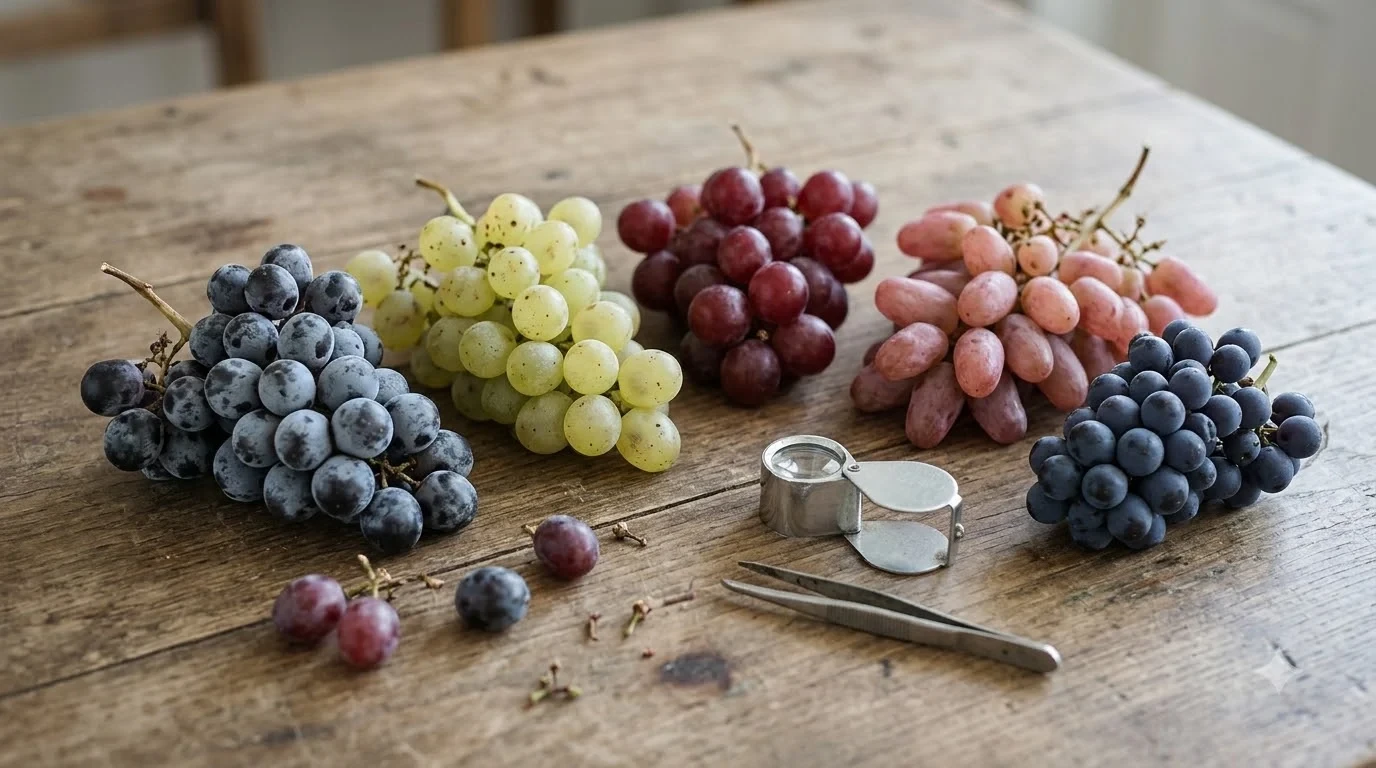
Plavac Mali is an indigenous dark-skinned Vitis vinifera grape variety that dominates red wine production along Croatia’s southern coast. Its name comes from the Croatian words plavo (blue) and mali (small), a direct reference to its tight clusters of tiny, thick-skinned, deep blue-black berries.
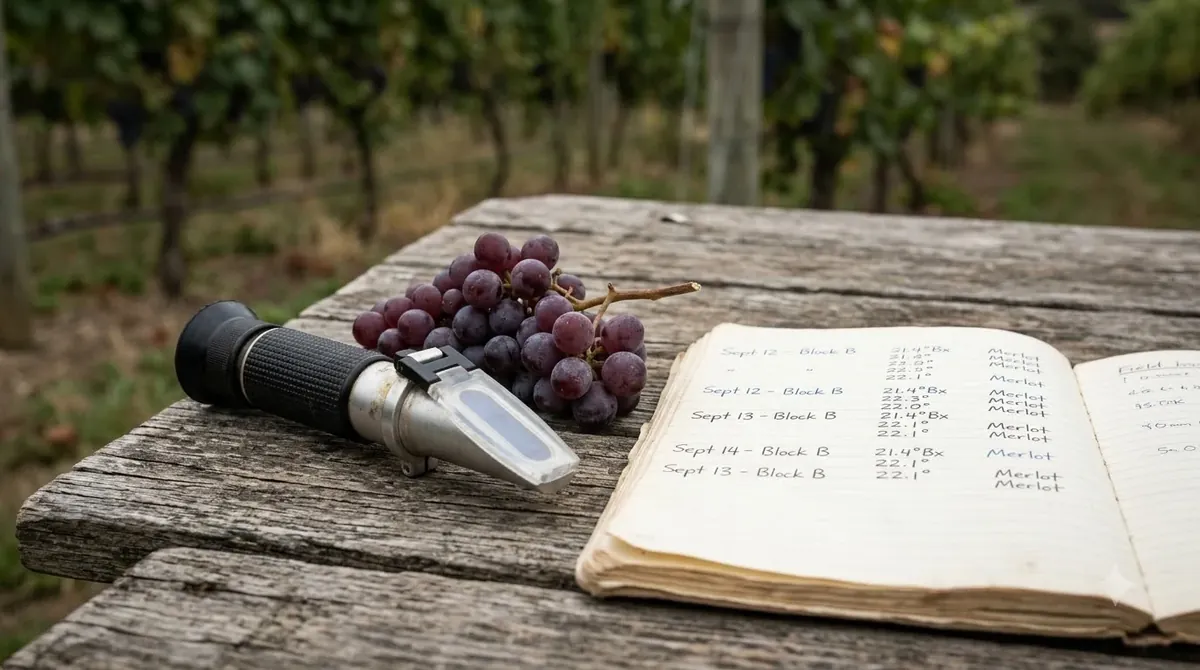
For decades, viticulturists and winemakers—including Croatian-born Napa Valley pioneer Miljenko “Mike” Grgich—suspected that California Zinfandel and Plavac Mali were the exact same grape due to their nearly identical leaves and berry clusters. As Wine Folly notes, DNA profiling conducted by grape geneticist Dr. Carol Meredith in the 1990s solved the mystery: Zinfandel is genetically identical to an older, nearly extinct Croatian variety called Crljenak Kaštelanski (also known as Tribidrag). Rather than being Zinfandel’s twin, Plavac Mali is actually Zinfandel’s offspring, born from a natural cross between Crljenak Kaštelanski and Dobričić, a dark-pigmented grape native to the island of Šolta.
Those thick skins inherited from both parents give Plavac Mali extraordinary resilience against the intense Adriatic heat and drought. They also pack the grapes with high levels of polyphenols and natural sugars, resulting in deeply colored wines with firm, structured tannins and substantial alcoholic warmth. Because berries within the same cluster often ripen unevenly—some raisining under the summer sun while others stay fresh—the grape naturally balances jammy dark fruit with savory, earthy complexity.
Flavor Profile and Winemaking Styles
Plavac Mali produces full-bodied red wines defined by concentrated dark fruit, pronounced tannins, moderate acidity, and elevated alcohol. While dry table wines represent the overwhelming majority of production, winemakers shape the grape into several distinct expressions depending on vineyard elevation, harvest timing, and oak aging.
In the glass, classic dry Plavac Mali shows an opaque ruby-purple core and opens with aromas of ripe blackberry, black cherry, dried fig, and plum. Beneath the lush fruit sits an unmistakable savory layer of carob, black pepper, sage, thyme, and sun-baked Mediterranean scrub. Reviewers at Decanter frequently highlight notes of leather, cedar, clove, and a subtle saline minerality on top-tier bottlings aged in French or American oak barrels.
Modern Dalmatian producers generally craft Plavac Mali in three main styles:
- Fresh, fruit-forward reds: Harvested slightly earlier from gentler slopes or inland sites and aged in stainless steel or neutral oak, these bottles emphasize bright cherry, blackberry, and supple tannins meant for early drinking.
- Barrel-aged reserve reds: Sourced from steep coastal vineyards and matured for 12 to 24 months in oak, these age-worthy wines carry dense tannins, dried fruit richness, spice, and alcohol levels between 14.5% and 16%.
- Traditional sweet Prošek: Made by drying overripe Plavac Mali grapes on straw mats or racks to concentrate their sugars before fermentation, resulting in a rich, complex dessert wine layered with raisin, fig, and nut flavors.
If you enjoy exploring broader wine by type, Plavac Mali occupies the same full-bodied, sun-drenched territory as California Zinfandel, Southern Rhône blends, and Portuguese Touriga Nacional, though with a noticeably grippier tannic backbone.
Where Plavac Mali Grows
Almost all commercial Plavac Mali grows in Dalmatia, the rugged coastal strip and archipelago stretching down Croatia’s southern Adriatic shoreline. Here, limestone karst cliffs plunge straight into the sea, creating extreme growing conditions that demand manual viticulture.
The grape’s spiritual home is the Pelješac Peninsula, a narrow finger of land north of Dubrovnik. Pelješac is home to Dingač and Postup, the first two wine appellations in Croatia to earn official protected status. In Dingač, vines cling to near-vertical, south- and southwest-facing limestone slopes angled toward the sea. Growers refer to the microclimate here as “triple insolation”: grapes receive direct sunlight from above, reflected glare off the Adriatic water below, and radiant heat bouncing back from the white limestone rocks. Because tractors cannot safely operate on inclines that routinely exceed 45 degrees, every pruning cut and harvest bucket is carried out by hand.
Just up the coast from Dingač, Postup enjoys slightly gentler gradients and a touch more airflow, yielding Plavac Mali with bright red-berry lift alongside its signature power. Beyond Pelješac, standout vineyards thrive on the islands of Hvar—where steep southern slopes on the Sveta Nedjelja coast produce fragrant, herb-laced reds—as well as Brač, Korčula, and Vis. Further north on the mainland, the coastal region of Komarna has gained acclaim for organically farmed Plavac Mali grown on terraced limestone overlooking the Pelješac Channel.
| Dalmatian Sub-Region | Vineyard Terrain | Signature Style | Typical ABV |
|---|---|---|---|
| Dingač (Pelješac Peninsula) | Near-vertical coastal limestone cliffs with triple sun exposure | Dense, deeply tannic, concentrated blackberry, fig, and carob | 14.5% – 16% |
| Postup (Pelješac Peninsula) | Steep south-facing coastal slopes slightly north of Dingač | Full-bodied with brighter red plum, cherry, and earlier approachability | 14% – 15.5% |
| Hvar Island (South Side) | Dramatic sea-facing terraces exposed to intense island sun | Rich dark fruit layered with wild rosemary, sage, and sea spray | 14% – 15.5% |
| Komarna (Mainland Coast) | Modern terraced karst vineyards overlooking the Adriatic | Polished, organic-focused expressions with balanced acidity and oak | 14% – 15% |
| Brač & Vis Islands | White limestone hills and remote maritime vineyards | Structured, mineral-driven reds with firm aging potential | 13.5% – 15% |
How to Serve Plavac Mali
Serving Plavac Mali properly comes down to managing two dominant traits: firm tannins and high alcohol. A little temperature control and oxygen exposure go a long way toward bringing the wine’s fruit and savory aromatics into focus.
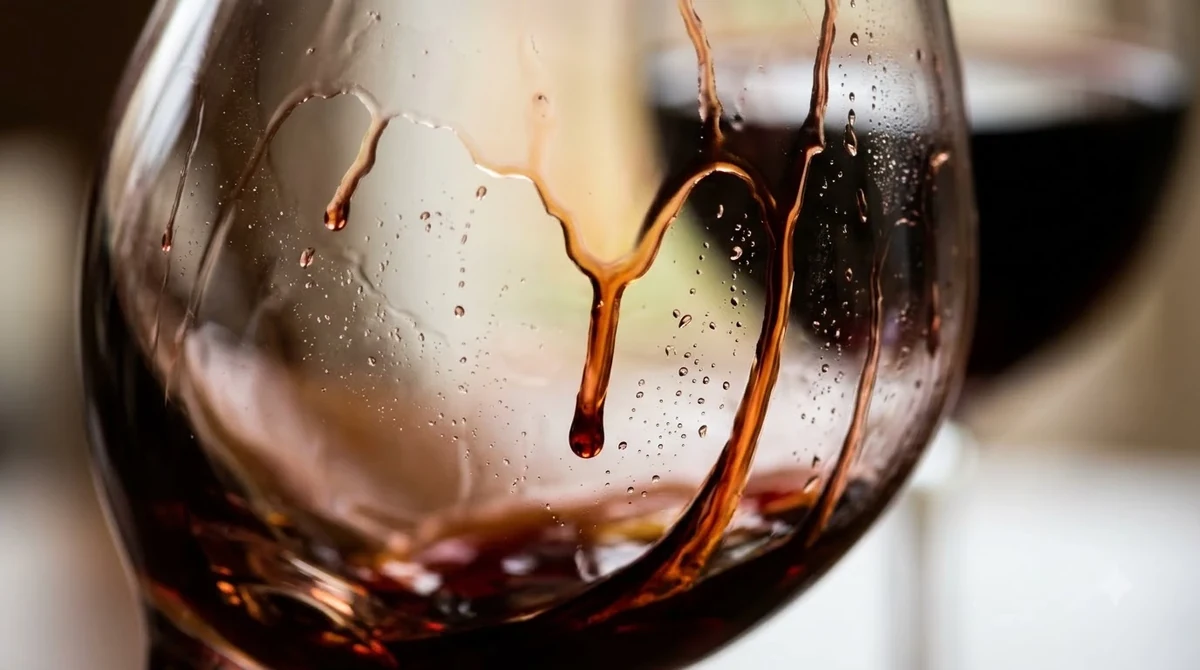
Serve Plavac Mali slightly below standard room temperature, ideally between 60°F and 65°F (16°C to 18°C). If poured too warm—above 68°F—wines with 15% alcohol or higher can taste hot and unbalanced, masking their delicate Mediterranean herb and floral notes. Chilling the bottle in the refrigerator for 20 to 30 minutes before opening keeps the dark berry fruit crisp and refreshing.
Decanting is strongly recommended for barrel-aged bottlings, especially those labeled Dingač, Postup, or Gran Reserva. Pouring a young reserve bottle into a wide-bottomed decanter 45 to 60 minutes before dinner softens its astringent tannins and allows tightly wound aromas of dried fig, leather, and spice to open up. Lighter, unoaked coastal bottlings need less air, typically hitting their stride after 20 to 30 minutes in a large Bordeaux-style glass.
Tip: If you open a young Dingač or Hvar Plavac Mali and find the tannins overly grippy on the first sip, decant the bottle for an hour and pair it with salted, fatty meat—protein and salt immediately smooth out the wine’s firm structure.
Food Pairing Ideas
Plavac Mali is built for hearty, richly seasoned food where fat, char, and umami can tame its bold tannins. In Dalmatia, locals rarely drink it without something substantial on the table.
Grilled and slow-roasted meats are the most natural companions. Wood-fired lamb chops seasoned with rosemary and garlic mirror the herbal notes already present in the grape, while beef short ribs, smoked brisket, and grilled ribeye provide enough marbling to coat the palate and soften the wine’s tannic grip. Game meats such as venison stew or wild boar ragù also match its earthy intensity, as does Croatia’s traditional pašticada—beef braised for hours in wine, prunes, spices, and root vegetables.
For cheese boards and vegetarian dishes, reach for hard, aged cheeses with savory depth. Aged sheep’s milk cheeses like Croatia’s Paški sir, Italian Pecorino, Parmigiano-Reggiano, and mature aged Gouda all highlight the wine’s dried-fig sweetness. Roasted eggplant, charred portobello mushrooms, and lentil stews cooked with bay leaf and thyme also hold their own. Avoid pairing dry Plavac Mali with delicate white fish, vinegar-heavy salads, or fiery chili dishes, as heat amplifies the alcohol and light dishes get overwhelmed.
How to Choose a Bottle
Shopping for Plavac Mali in the United States is simpler once you know how Croatian wine labels communicate regional pedigree and oak aging. Because the grape grows across vastly different elevations and microclimates, the origin printed on the front label tells you immediately what style sits inside.
Look first for the Protected Designation of Origin (PDO) on the label. Bottles labeled simply Plavac Mali or Srednja i Južna Dalmacija (Central and South Dalmatia) usually come from higher-yielding vineyards, offering juicy plum and blackberry character at an approachable weight. If you want maximum concentration and cellar potential, look for single-appellation labels naming Dingač, Postup, Komarna, or island origins like Hvar and Brač.
Check the alcohol by volume (ABV) and vintage date as quick style indicators. Bottles around 13.5% to 14% ABV generally lean fresher, brighter, and easier to drink on a weeknight, while bottlings at 15% ABV or higher signal late-harvest richness and substantial oak aging. While well-made Dingač can age gracefully for 15 to 20 years, bottles with four to seven years of bottle age often hit a sweet spot where primary blackberry fruit meets softened tannins and savory leather notes. If you prefer crisp white wines alongside a Dalmatian meal, explore Iberian counterparts like Arinto wine or Airén grape bottlings, or finish the evening with a lightly sparkling red made from the Brachetto grape.
Frequently Asked Questions
Is Plavac Mali the same grape as Zinfandel?
No, Plavac Mali is not identical to Zinfandel, though they are closely related. DNA testing proved that California Zinfandel is identical to an older Croatian grape called Crljenak Kaštelanski (Tribidrag), which is one of Plavac Mali’s two parent varieties alongside Dobričić. Because of this parentage, Plavac Mali shares Zinfandel’s jammy dark fruit and high alcohol while adding thicker skins and firmer tannins.
How do you pronounce Plavac Mali?
Plavac Mali is pronounced “PLAH-vatz MAH-lee.” In Croatian, the letter “c” is always pronounced like the “ts” in cats, and “plavac mali” translates directly to “small blue,” referring to the grape’s compact clusters of tiny, dark blue-black berries.
Is Plavac Mali a dry or sweet wine?
The vast majority of Plavac Mali is fermented completely dry, though its intense ripe blackberry and dried-fig flavors can create an impression of richness on the palate. A small amount of Plavac Mali is also used to make Prošek, a traditional Croatian sweet dessert wine produced from air-dried grapes, which will always be clearly labeled as Prošek.
How long can Plavac Mali age in the cellar?
Entry-level, unoaked Plavac Mali is best enjoyed within three to five years of the vintage date while its dark berry fruit is vibrant. However, structured, barrel-aged bottles from steep coastal appellations like Dingač, Postup, and Hvar routinely develop complexity for 10 to 20 years in a cool cellar.
From its DNA link to Zinfandel to the sun-baked limestone cliffs of the Pelješac Peninsula, Plavac Mali captures the rugged character of Croatia’s Adriatic coast in every glass. Whether you pour a fruit-forward island bottling for a weeknight grill or decant an aged Dingač for a slow-braised roast, it rewards anyone looking for a bold red with genuine sense of place.
More in Wine Types & Grapes
 What Is Ribolla Gialla? Styles, Flavor, and How to Serve ItUpdated Nov 21, 2026
 What Is Rolle? Meet Provence’s Crisp Mediterranean White GrapeUpdated Nov 21, 2026
 What Is Ribera del Duero? Spain’s Bold Tempranillo Region ExplainedUpdated Nov 21, 2026
 What Is Provence Rose? Grapes, Flavor, and How to Serve ItUpdated Nov 21, 2026
 What Is Pinot Noir Rose? Flavor, Styles, and Serving GuideUpdated Nov 21, 2026
 What Is Peach Wine? Styles, Flavor, Serving, and PairingsUpdated Nov 21, 2026