

We may earn a commission when you buy through links on this page, at no extra cost to you. Learn more.
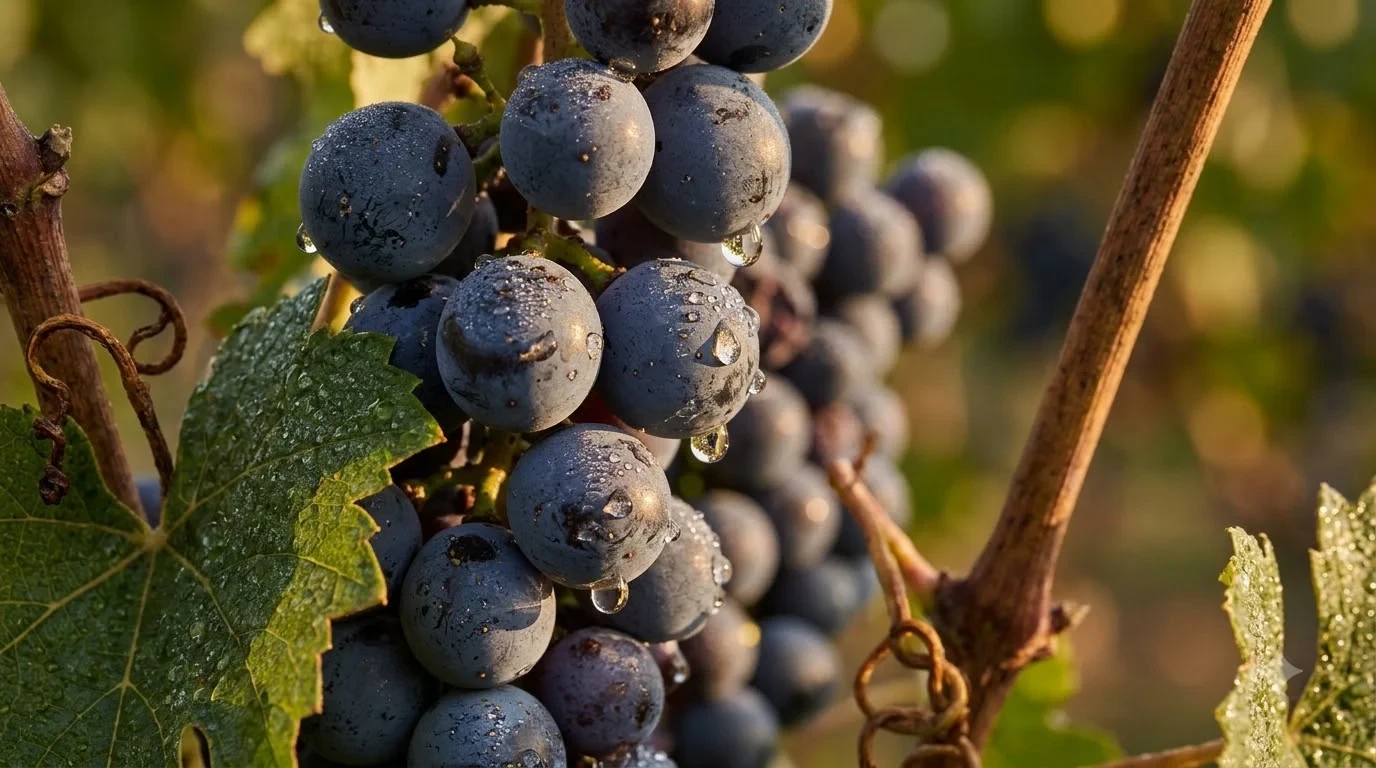
The brachetto grape is a red variety from Piedmont in northwestern Italy, best known for sweet, aromatic sparkling wines scented with rose and red berries. Its most familiar expression is Brachetto d’Acqui, a lightly alcoholic red or rosé sparkler with a soft mousse and a fresh, floral finish. The grape also appears in still wines and other Piedmont bottlings, so the name describes more than one texture or level of fizz. Knowing the region, style terms, and serving temperature makes it easier to choose the right bottle.
Brachetto is a useful discovery for anyone who enjoys Moscato’s perfume but wants a red-fruited wine. It is not a heavy red or a substitute for dry sparkling wine: think strawberry, rose, gentle sweetness, and bubbles suited to fruit desserts, brunch, or a relaxed aperitif.
Where Brachetto Comes From in Piedmont
Brachetto is native to southern Piedmont, where its best-known protected expression is Brachetto d’Acqui DOCG. The vineyards lie in the hills of the provinces of Asti and Alessandria, with Acqui Terme serving as a key reference point for the appellation.
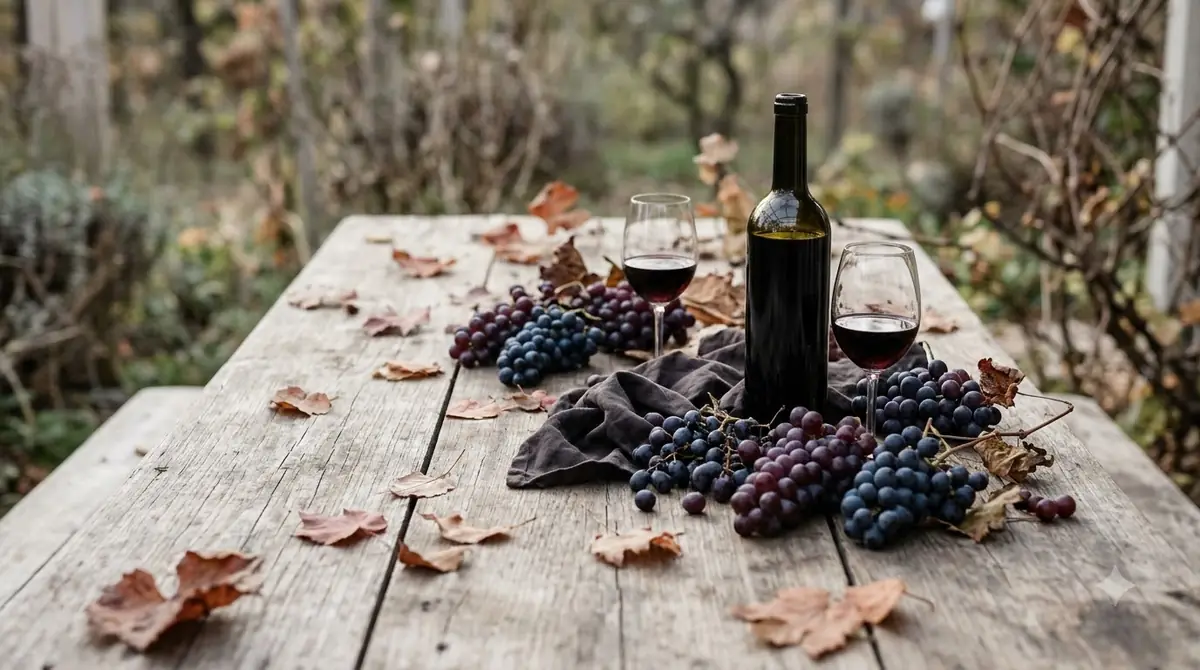
The DOCG designation was approved in 1996, giving the wine a defined geographic identity rather than simply naming a grape. The Regione Piemonte description of Brachetto d’Acqui identifies it as a wine made from Brachetto grown in the hilly territories of Asti and Alessandria. The local landscape is not a single uniform vineyard site: growers work across a patchwork of slopes, exposures, and soils, and the official production area includes Acqui Terme and neighboring municipalities. That geographic focus is why the phrase “Brachetto d’Acqui” means more than a generic sweet red wine made from the variety.
It helps to separate the grape from the appellation. Brachetto is the variety; Brachetto d’Acqui DOCG is a protected wine designation tied to a defined area and production rules. Piedmont also has a broader Piemonte DOC category that allows Brachetto in several styles. The Barbera d’Asti and Monferrato consortium lists a Piemonte DOC Brachetto Spumante made with 85 to 100 percent Brachetto, and its production zone extends across municipalities in Asti, Alessandria, and Cuneo. That broader designation should not be confused with Brachetto d’Acqui DOCG.
For a shopper, the place name is a useful first clue. A bottle marked Brachetto d’Acqui is a regional specialty from the Acqui area, while a bottle labeled Piemonte Brachetto may come from the wider Piedmont designation and may follow a different set of production rules. Both can highlight the grape’s floral character, but the appellation tells you which production framework applies. The distinction is similar to the difference between identifying a grape by name and identifying a wine by its origin; readers exploring different grapes can compare this regional focus with the broad, neutral profile often associated with the Airén grape.
Flavor, Aroma, and Structure
Brachetto is recognized for perfume before power: expect rose petals, strawberry, raspberry, and a gentle musky note rather than the dark tannic structure of a full-bodied red. Some examples also suggest violet, nutmeg, or fresh citrus, while sweetness and lively acidity keep the finish from feeling heavy.
The exact aroma shifts with the producer and the style. Wine descriptions commonly call out roses and raspberries, while other profiles mention violets, nutmeg, and strawberry. In a glass, these notes can feel like fresh berries rather than cooked jam, especially when the wine is served cool and young. The color is often ruby red, though official Piedmont descriptions allow shades that move toward pale garnet, pink, or rosé. A rosato version can therefore look lighter without losing the variety’s recognizable perfume.
On the palate, Brachetto is usually light to medium in body, sweet, and gently textured. Bubbles add lift and make the sweetness feel less dense, while freshness provides balance. It is not typically a tannin-driven red like Cabernet Sauvignon or Syrah. That matters at the table: the wine’s appeal comes from aromatic fruit, modest alcohol, and a soft, refreshing finish, not from grip or oak. A drinker who expects a dry, structured red may find it unexpectedly sweet; someone who enjoys floral wines and red-fruit aromas is more likely to understand its charm.
Alcohol is relatively modest in many sparkling examples, although the exact level depends on the producer and bottling. VinePair describes typical Brachetto at about 5.5 percent ABV, while Wine Enthusiast cites an average around 6.5 percent in its comparison of sparkling red wines. Those figures are useful orientation points, not a legal guarantee for every bottle. Sweetness, pressure, and the balance between fruit and acidity can vary, so two wines carrying the grape name need not taste identical.
How Brachetto Is Made and Labeled
The familiar Brachetto d’Acqui style gets its color and berry perfume from brief contact between grape skins and juice, then develops its bubbles through a controlled sparkling-wine process. Skin maceration is commonly described as lasting about two days, and tank fermentation is used for the sparkling expression.
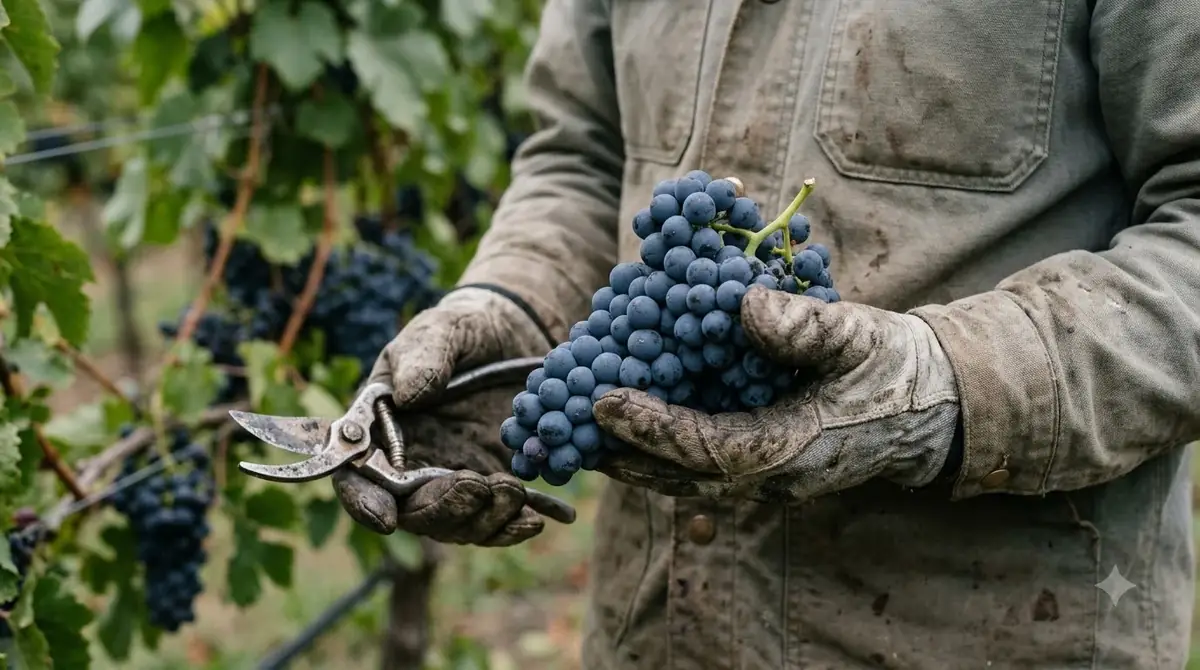
Brachetto grapes have red skins, so contact with the skins gives the juice its ruby or pink tint and helps capture aromatic compounds. VinePair’s Brachetto overview notes that grape must is macerated on the skins for two days and that tank pressure helps determine whether the wine is bottled as frizzante or spumante. In the common Charmat approach, the second fermentation takes place in a sealed tank. The method retains the grape’s fresh fruit character and produces the lively mousse associated with many bottles. It is different from the traditional method used for Champagne and Cava, where the second fermentation occurs in the bottle.
Labels may use the Italian words frizzante and spumante. Frizzante indicates a lighter, gentler sparkle; spumante indicates a fuller sparkling pressure and a more persistent stream of bubbles. This difference is about effervescence, not sweetness. A sweet Brachetto can be frizzante or spumante, and a label’s style term helps set expectations for texture before the cork is pulled.
There are also still versions and rosato bottlings, along with dried-grape dessert expressions in the wider range of Brachetto wines. The grape is not limited to one color or one level of carbonation. For many sparkling versions, fermentation is managed so that some natural grape sugar remains in the finished wine; that is one reason the style can combine a low alcohol level with pronounced sweetness. Producers may use stainless-steel tanks to protect the grape’s floral and fruit aromas rather than adding a strong oak character.
Food Pairings for Brachetto
Brachetto works best with food that welcomes its sweetness and aromatic red fruit. Start with strawberries, peaches, fruit tarts, or softly sweet pastries, then try salty appetizers or gently spiced dishes when you want to serve it before dessert.
Fruit is the most natural match because it echoes the wine rather than competing with it. Fresh strawberries, raspberries, sliced peaches, and a fruit salad make uncomplicated pairings, while strawberry shortcake or strawberries with cream lets the wine’s floral aroma reinforce the dessert. Regione Piemonte specifically notes the way Brachetto can bring out strawberries and peaches, and lists dry Piedmont confectionery, baked goods, and fruit tarts among traditional matches. The key is to keep the dessert no sweeter than the wine; a very sugary cake can make the wine seem thin or tart by comparison.
For a richer dessert, try a berry tart, chocolate-dipped strawberries, or a simple chocolate cake with fresh fruit. Sweetness is the deciding factor: choose a Brachetto that tastes at least as sweet as the dessert, rather than assuming every chocolate dessert will work. Very dark, bitter chocolate can make a lighter Brachetto seem less expressive, while milk chocolate, cocoa cake, or chocolate paired with berries is usually easier to balance. A scoop of strawberry or raspberry sorbet is another direct match, especially with a wine that has a lively bead of bubbles.
Brachetto can also move beyond dessert. Salty cured meats, savory pastries, and mild cheeses create contrast with the wine’s sweetness, and the bubbles refresh the palate between bites. Wine Enthusiast also suggests pairing it with hearty, spicy dishes, but keep chili heat moderate: alcohol and tannin can amplify the burn of very hot food, and even a relatively low-alcohol wine is not a cure for intense chili. For a savory meal, think mildly spiced pork, a fruit-glazed ham, or a plate of salty antipasti rather than a dish built around aggressive heat.
Choosing, Serving, and Storing a Bottle
Choose Brachetto by deciding how much sweetness and fizz you want, then serve it cool enough to keep the bubbles fresh without muting its perfume. For a sparkling bottle, 40 to 50 degrees F is a useful target; the Piedmont regional guide gives a broader recommendation of 8 to 12 degrees C.
Start with the appellation and style words. Brachetto d’Acqui DOCG points to the best-known regional expression; Piemonte DOC Brachetto Spumante belongs to the broader Piedmont designation. Next, decide whether you want frizzante or spumante, and whether a red or rosato color suits the occasion. If you want a sweet, gently sparkling aperitif, choose a classic Brachetto d’Acqui; for a more substantial mousse, look for spumante, while a still version may suit a quieter dinner pour. Use the table as a practical reference, not a rigid specification for every producer: alcohol figures are typical examples from wine publications, while the two-day maceration and regional temperature recommendation describe common practice.
| Feature | Useful benchmark | What it tells you |
|---|---|---|
| Typical alcohol in sparkling examples | About 5.5 to 6.5 percent ABV | Low-alcohol range cited by VinePair and Wine Enthusiast; individual wines vary. |
| Skin maceration | About 2 days | Brief contact helps extract color and aromatic character. |
| Regional serving recommendation | 8 to 12 degrees C, about 46 to 54 degrees F | Serve cool; for a sparkling pour, the cooler side of the range is practical. |
| Common sparkling-wine service target | 40 to 50 degrees F | A chilled bottle keeps the bubbles lively while allowing the aroma to show. |
For glassware, use a small tulip-shaped sparkling-wine glass or a white-wine glass rather than a very narrow flute. A slightly wider bowl gives rose and berry aromas room to collect, while the stem keeps warm hands away from the bowl. Pour a modest amount at a time so the wine stays cool and its mousse remains lively. If you are comparing Brachetto with other Italian reds, the lighter, floral impression is quite different from the cherry-led, dry character often associated with the Frappato grape; a darker, more structured sweet-red alternative such as Dornfelder grape makes a useful contrast.
Tip: Chill Brachetto in the refrigerator and bring it to the glass around 46 to 50 degrees F. Avoid serving it ice-cold straight from a long freezer chill: excessive cold can mute the rose and berry aromas that make the grape distinctive.
Brachetto is generally best enjoyed young, while its fresh fruit and sparkle are still vivid. It is not a bottle to buy for long-term cellaring, and extended storage is unlikely to improve the fresh, floral style. After opening, reseal the bottle with a sparkling-wine stopper and keep it refrigerated; the bubbles will fade with time, so plan to finish it sooner than a still red. Keep unopened bottles in a cool, dark place away from temperature swings. The broader Wine by Type overview can help distinguish aromatic sparkling wines from still reds and dessert wines.
Frequently Asked Questions
How many glasses are in a bottle of Brachetto?
A standard 750-milliliter bottle gives about five servings when poured in 5-ounce glasses. For a tasting with several wines, smaller pours let guests compare Brachetto with other styles without using a full glass of each.
How long does opened Brachetto last?
For a sparkling bottle, plan on about 1 to 3 days in the refrigerator with a proper sparkling-wine stopper. It may remain drinkable after that, but its fizz and fresh aroma will decline noticeably.
Is Brachetto related to Braquet noir?
The relationship is debated, but it should not be treated as an established synonym. Brachetto is identified with southern Piedmont, while Braquet noir is associated with Provence; similar-sounding names do not establish that they are the same variety.
Can Brachetto be mixed with fruit juice?
Yes. A small splash of fruit juice can be used for a simple aperitif-style drink, though it will make the finished glass sweeter and soften the wine’s own aromatic detail. Try a little juice first rather than masking the entire bottle.
Does Brachetto need to be decanted?
No. Its fresh aromatics and carbonation are best enjoyed directly after opening, and decanting would release bubbles rather than help the wine open up. Pour it gently into a clean glass and serve it while cool.
Brachetto is a distinctive Piedmont grape for drinkers who enjoy floral aromas, fresh red fruit, and a gentle touch of sweetness. Choose Brachetto d’Acqui for the classic regional expression, match the sweetness to the food, and serve the wine cool while its bubbles and perfume are fresh.
More in Wine Types & Grapes
 Zinfandel Sugar Content: Dry Red vs. White Zinfandel GramsUpdated Nov 21, 2026
 Best Zinfandel Substitute Options for Sipping and CookingUpdated Nov 21, 2026
 Zweigelt Food Pairing: Best Dishes, Cheeses, and Serving TipsUpdated Nov 21, 2026
 Zinfandel Tannins Explained: How Structure Shapes Every BottleUpdated Nov 21, 2026
 Zinfandel Sweetness Level: Dry Red vs. Sweet White Zin ExplainedUpdated Nov 21, 2026
 Xinomavro Food Pairing: Best Dishes, Styles, and Serving TipsUpdated Nov 21, 2026