

We may earn a commission when you buy through links on this page, at no extra cost to you. Learn more.
The dornfelder grape is a dark-skinned German red variety that makes richly colored wines with flavors of sour cherry, blackberry, and elderberry. Most bottles are dry, but the grape can produce both fresh, fruit-forward reds and fuller wines shaped by oak aging. Its strongest home is Germany, especially Rheinhessen and the Pfalz, where it is valued for dependable crops, deep color, and a style that can suit either casual meals or hearty winter cooking.
Germany is best known internationally for Riesling and Spätburgunder, but Dornfelder has earned a distinct place among its red wines. It is approachable when made for early drinking and more serious in versions that spend time in large casks or barriques. Understanding the grape’s origins, vineyard habits, and cellar choices makes it easier to select a bottle that matches the meal and the level of structure you enjoy.
How Dornfelder Began in Germany
Dornfelder is a modern German crossing, bred in 1955 by August Herold in Weinsberg, Württemberg. Its original purpose was practical: to bring deeper color to red wines that looked pale, before growers and drinkers came to value it as a varietal wine in its own right.
Herold crossed Helfensteiner with Heroldrebe, two varieties that themselves have mixed German grape ancestry. The resulting vine was named in honor of Imanuel Dornfeld, a viticultural administrator associated with the founding of the local winegrowing school in Weinsberg. The University of California, Davis Foundation Plant Services record lists Germany as its country of origin, Vitis vinifera as its species, and 1955 as its release year. Its record also gives Weinsberg and Weinsberg S 341 as synonyms. That institutional record is useful because it distinguishes a documented grape pedigree from the looser family stories that sometimes circulate about newer varieties.
The first role for Dornfelder was as a Deckrotwein, or covering red: a blending component used to strengthen the color of lighter red wines. Its dark pigment made it useful to growers who wanted a more saturated appearance without relying on a long period of extraction. As German consumers became more interested in red wine, growers developed it as a standalone bottling. This shift also explains why color remains one of the grape’s most recognizable traits, even in wines made with relatively gentle extraction.
Where Dornfelder Grows and What the Vine Needs
Dornfelder is planted most widely in Rheinhessen and the Pfalz, two neighboring regions in southwestern Germany. The national vineyard figures published by Wines of Germany record 6,618 hectares of Dornfelder in the country in 2023, with more than four-fifths of that area concentrated in those two regions.
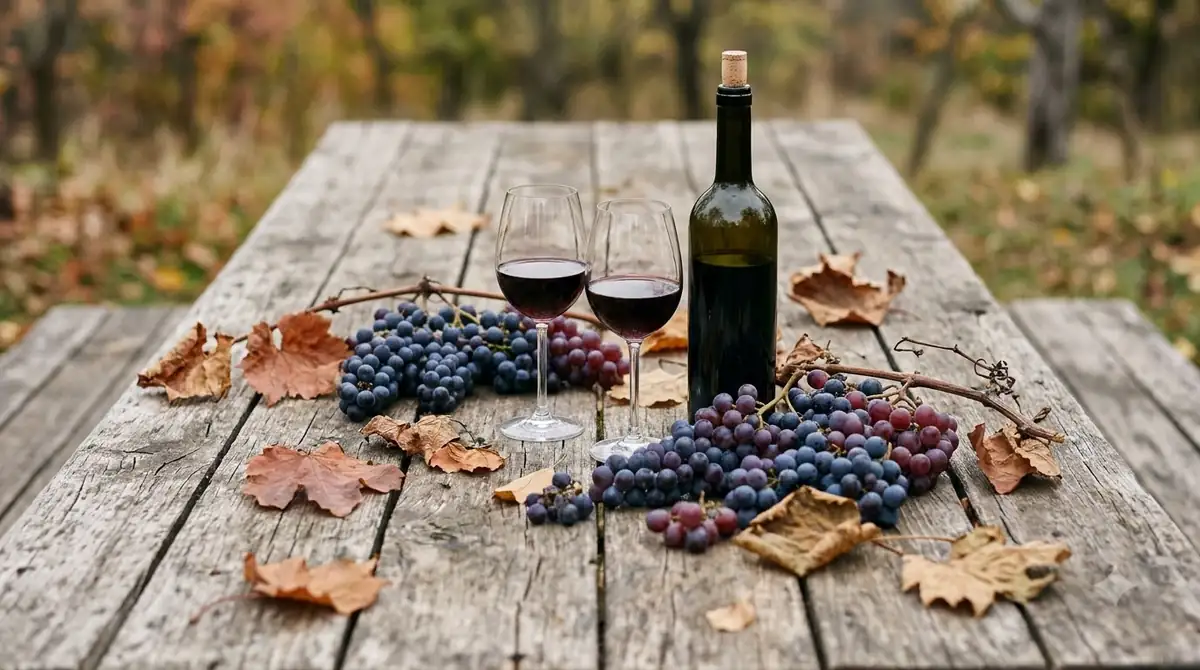
The distribution helps explain why the grape is closely associated with the country’s warmest and most established red-wine areas. In the official 2023 figures, Rheinhessen had 3,021 hectares and the Pfalz had 2,454 hectares. Together, those plantings account for about 5,475 hectares, leaving a smaller presence spread across other German wine regions. A regional profile from Rheinhessen likewise describes Dornfelder as one of the area’s leading red grapes, while the German national profile places it among the country’s major red varieties.
| German growing area | Dornfelder vineyard area | Approx. share of German total |
|---|---|---|
| Germany | 6,618 ha | 100% |
| Rheinhessen | 3,021 ha | 46% |
| Pfalz | 2,454 ha | 37% |
| All other regions combined | 1,143 ha | 17% |
Those regional figures come from the German Wine Institute’s 2023 vineyard-area listing; the regional percentages are rounded calculations based on the reported national total. The vine is described by the same body as hardy and relatively resistant to common vineyard problems, but it can produce a large crop. Growers may remove some bunches around the start of ripening to reduce the yield and concentrate the fruit left on the vine. Its relatively loose bunch structure also reduces the chance of rot compared with tightly packed clusters.
Productivity does not mean that every site is suitable. The Wines of Germany Dornfelder profile notes that the vine makes higher demands on soil, does not favor sandy or stony sites, and is not well suited to locations especially exposed to frost. For a grower, the choice of site and crop level therefore matters as much as the variety’s natural vigor. A balanced crop can provide ample fruit while retaining the concentration needed for a deeply colored, flavorful red.
What Dornfelder Tastes Like
The clearest signature of Dornfelder is its intense, dark color, often showing deep red or violet reflections in the glass. The usual fruit profile centers on sour cherry, blackberry, and elderberry, with a fresh line of acidity that keeps the ripe fruit from feeling flat.
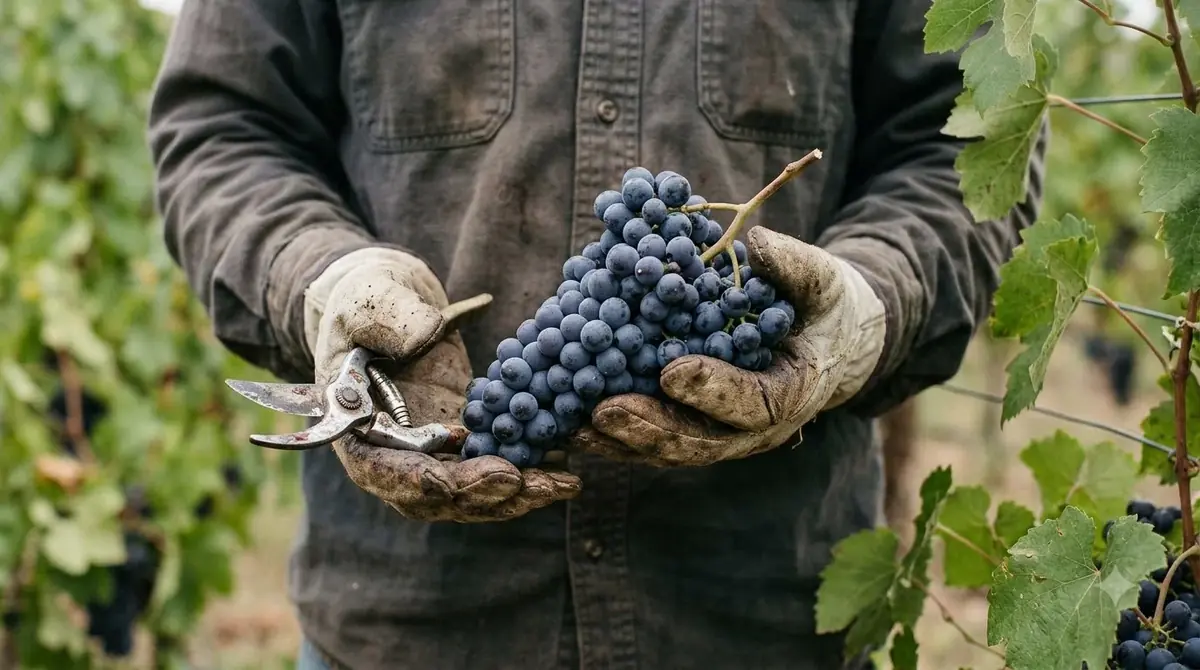
In a young, fruit-focused bottling, sour cherry often leads, followed by blackberry and a darker berry or elderberry note. Some examples also show a peppery edge. The aroma is usually direct rather than highly perfumed, making the grape easy to recognize in a tasting flight built around European reds. The combination of dark color and bright fruit can make the wine appear more powerful than its actual weight on the palate, so it is useful to separate visual intensity from body and tannin.
Texture depends heavily on how the wine is made. Fresh styles can feel supple, juicy, and easy to drink, while versions matured in wood usually show firmer structure and more noticeable tannin. The official German profile describes well-made examples as full-bodied, smooth, and harmonious, while regional descriptions emphasize the grape’s dark fruit and substance. These terms describe a range rather than a fixed guarantee: a lightly extracted young wine and a barrel-matured bottling should not be expected to taste identical just because both say Dornfelder.
Acidity is another part of the balance. The University of California, Davis record notes good acidity as a reported quality of the cultivar, and Swiss retailer Coop describes Dornfelder wines as having crisp acidity. That freshness helps the fruit stay lively beside savory food. It does not make every bottle lean or sharp; ripeness, residual sugar, extraction, and oak treatment all affect the final impression.
How Winemakers Shape the Style
Most Dornfelder is made as a dry red, although semi-dry examples are also produced. The two broad approaches are easy to understand: preserve primary fruit and release the wine young, or mature it in wood to build a more structured, rounded style.
For the fruit-led approach, the winemaker aims to keep the sour cherry, blackberry, and elderberry character prominent. The wine may be bottled and released relatively soon after fermentation, sometimes as a young-vintage offering. This style emphasizes freshness and immediate drinkability rather than extended aging. It is often a good introduction for someone who wants a German red with clear fruit, dark color, and less emphasis on barrel-derived flavors.
The second approach uses larger wooden casks or smaller barriques for maturation, and some producers also ferment the wine in wood. The German Wine Institute explains that this handling brings tannin and structure forward while softening the prominence of primary fruit. Barrel size, time in wood, and the degree of extraction can all change the result, so oak-aged Dornfelder is not one uniform style. Some bottlings remain smooth and rounded, while others feel firmer and more suited to food.
Rosé and sparkling Dornfelder exist, but both are uncommon compared with still red wine. A rosé made from the grape can offer a different use for its dark-skinned berries, while sparkling versions are a niche category rather than the style most shoppers will encounter. For a broader look at the range of categories made from grapes, see our overview of Wine by Type. The grape’s usual identity, however, remains a deeply colored still red.
How to Choose a Dornfelder Bottle
Start with the sweetness wording, then decide whether you want fresh fruit or the extra frame of oak. Dornfelder is most commonly dry, but the grape itself does not dictate sweetness; fermentation and cellar decisions determine whether a finished wine is dry, off-dry, or sweeter.
On a German label, trocken means dry and halbtrocken means off-dry. The term feinherb is also used for wines that taste gently off-dry, although it does not have the same fixed legal definition as the first two terms. If you prefer the pure fruit profile, look for a young, fruit-led bottling and tasting notes that mention sour cherry or blackberry. If you prefer a rounder, more structured red, seek a producer’s description that mentions oak, wooden cask, barrique, or maturation.
Region can help narrow the choice, but it should not replace the producer’s style notes. Rheinhessen and the Pfalz are the two main sources, and both have substantial plantings; a named region tells you where the grapes were grown, not whether the wine was made for early drinking or wood maturation. A vintage date is useful for understanding the harvest year, while tasting notes and the stated sweetness level give more direct clues to the glass. As with other grapes, a comparison with a lighter red such as Frappato can clarify whether you prefer Dornfelder’s darker color and fuller expression.
Think of Dornfelder as a style choice, not a single flavor formula. One bottle may be juicy and straightforward, another dark-fruited and barrel-shaped, and a third gently off-dry. The grape also differs from a naturally sweet red such as Brachetto, which is generally approached for its aromatic sweetness and often sparkling presentation. A dry Dornfelder is better treated as a food-friendly red than as a dessert wine.
Serving Dornfelder and Pairing It with Food
Serve fruit-forward Dornfelder slightly cool, around 55–60°F, and give fuller, oak-matured examples a little more warmth, around 60–65°F. Pair the lighter style with casual savory dishes and the more structured style with roast meat, game, or firm cheese.
A short chill can make a young Dornfelder feel especially refreshing, particularly with grilled sausages, roast chicken, or tomato-based pasta. Its fruit and acidity can also work alongside roasted peppers, mushrooms, herbs, pork, and beef. Choose more substantial food for structured examples: roast beef, venison, lamb, game stew, and rich mushroom dishes provide enough flavor to meet darker fruit and firmer texture. Salt and fat can soften the perception of tannin, which is why aged hard cheese or a fatty roast can be more successful than a delicate dish. The German Wine Institute specifically recommends hearty roasts, game, and cheese for Dornfelder’s deeper red styles. Avoid serving the wine warm, since excess heat can make alcohol feel more prominent and reduce freshness.
Spice needs a little care. A mildly peppery sausage or paprika-seasoned stew can work well, but very hot chili can make alcohol and tannin seem more aggressive. If you are serving strongly spiced food, choose the softer, fruit-led style rather than a heavily structured, wood-aged bottle. For a useful comparison with a lighter-bodied white grape, explore our Airén grape profile when planning a varied wine selection, but keep oily fish away from a tannic red such as a firm, oak-shaped Dornfelder.
Tip: If the bottle is a young, fruit-driven Dornfelder, place it in the refrigerator for about 20 minutes before serving, then pour a small taste. If it seems too cool, let it warm in the glass; if it is a fuller oak-aged version, start closer to 60–65°F instead.
For a structured bottle that seems tight on opening, a little air can help. Young, full-bodied red wines commonly benefit from about 30–60 minutes in a decanter, but a lighter, fruit-forward Dornfelder usually needs no elaborate preparation. Pour a standard 5-ounce serving, and remember that a 750-milliliter bottle provides about five such glasses. If the wine is not finished, close it and refrigerate it; most opened still wines keep for roughly 3–5 days in the refrigerator, with the exact result depending on the wine and how much air remains in the bottle.
Frequently Asked Questions
These quick answers cover the grape’s botanical identity and a few details that are less obvious from the finished wine. They are useful when comparing grape databases, wine labels, and regional descriptions.
Is Dornfelder a Vitis vinifera grape?
Yes. The University of California, Davis Foundation Plant Services record classifies Dornfelder as Vitis vinifera and lists Germany as its country of origin. It is a bred cultivar within the familiar wine-grape species, not a separate species of wild grape.
Does Dornfelder have other names?
UC Davis lists Weinsberg and Weinsberg S 341 as synonyms. Those names refer to the same cultivar rather than separate grapes or regional styles, so a database entry under either name points back to Dornfelder.
What are the grandparents in Dornfelder’s pedigree?
The UC Davis pedigree records Helfensteiner as Pinot Precoce noir crossed with Schiava Grossa, while Heroldrebe is listed as Portugieser crossed with Blaufränkisch. That means four other grape varieties appear one generation behind Dornfelder’s two immediate parents.
Can Dornfelder grapes be eaten as table grapes?
The UC Davis cultivar record lists both table and wine among its uses. That entry documents permitted or recorded uses; it does not mean that every wine-growing block is harvested or managed for fresh-fruit consumption.
What color are Dornfelder berries?
Foundation Plant Services records the berry color as black. That dark skin is consistent with the grape’s reputation for producing deeply colored red wine, although the finished shade also depends on skin contact and cellar technique.
Dornfelder offers a distinctive German red-wine option, with a useful choice between juicy early-drinking fruit and a deeper, wood-matured expression. Look first at sweetness and winemaking style, then match the bottle’s weight to the food and serve it a little cool rather than warm.
More in Wine Types & Grapes
 Zinfandel Sugar Content: Dry Red vs. White Zinfandel GramsUpdated Nov 21, 2026
 Best Zinfandel Substitute Options for Sipping and CookingUpdated Nov 21, 2026
 Zweigelt Food Pairing: Best Dishes, Cheeses, and Serving TipsUpdated Nov 21, 2026
 Zinfandel Tannins Explained: How Structure Shapes Every BottleUpdated Nov 21, 2026
 Zinfandel Sweetness Level: Dry Red vs. Sweet White Zin ExplainedUpdated Nov 21, 2026
 Xinomavro Food Pairing: Best Dishes, Styles, and Serving TipsUpdated Nov 21, 2026