

We may earn a commission when you buy through links on this page, at no extra cost to you. Learn more.
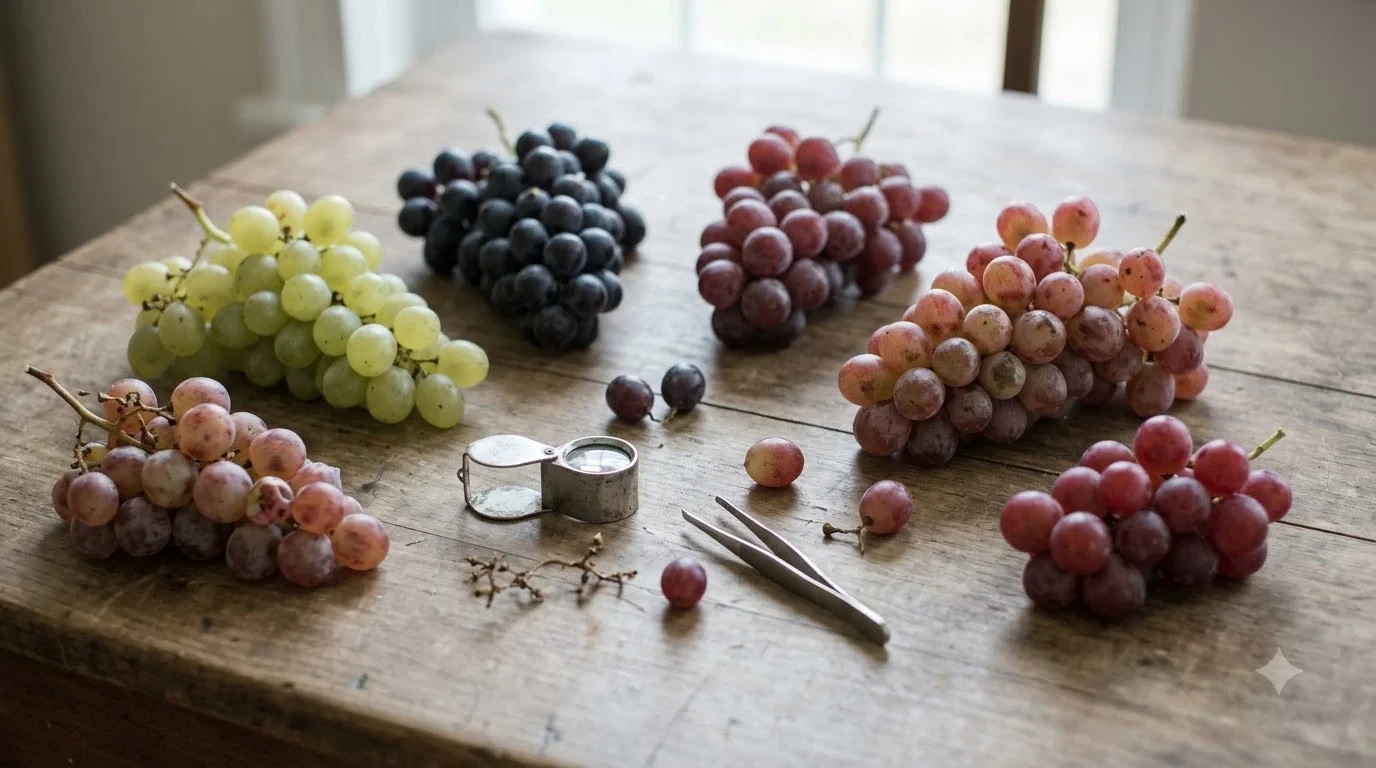
The frappato grape is a light-bodied, aromatic red variety from southeastern Sicily, best known for its fragrant single-variety wines and its role in Cerasuolo di Vittoria. It brings fresh red-fruit and floral character rather than heavy color or forceful tannin. If you enjoy lively reds that can be served slightly cool, Frappato is a useful Sicilian grape to know.
Frappato offers a different view of Sicilian red wine from the island’s fuller-bodied, darker styles. Its home is around Vittoria, where warm conditions and distinctive soils help produce reds with perfume, freshness, and a supple feel. You will find it bottled on its own as well as blended with Nero d’Avola in one of Sicily’s most important appellations.
Where Frappato Comes From in Sicily
Frappato is an indigenous Sicilian grape most closely associated with Vittoria and the island’s southeastern provinces of Ragusa and Syracuse. Its history is old, although its precise origin remains uncertain; the Sicilia DOC grape profile notes that it was described by Sestini in 1760 in his memoirs on the wines of Vittoria.
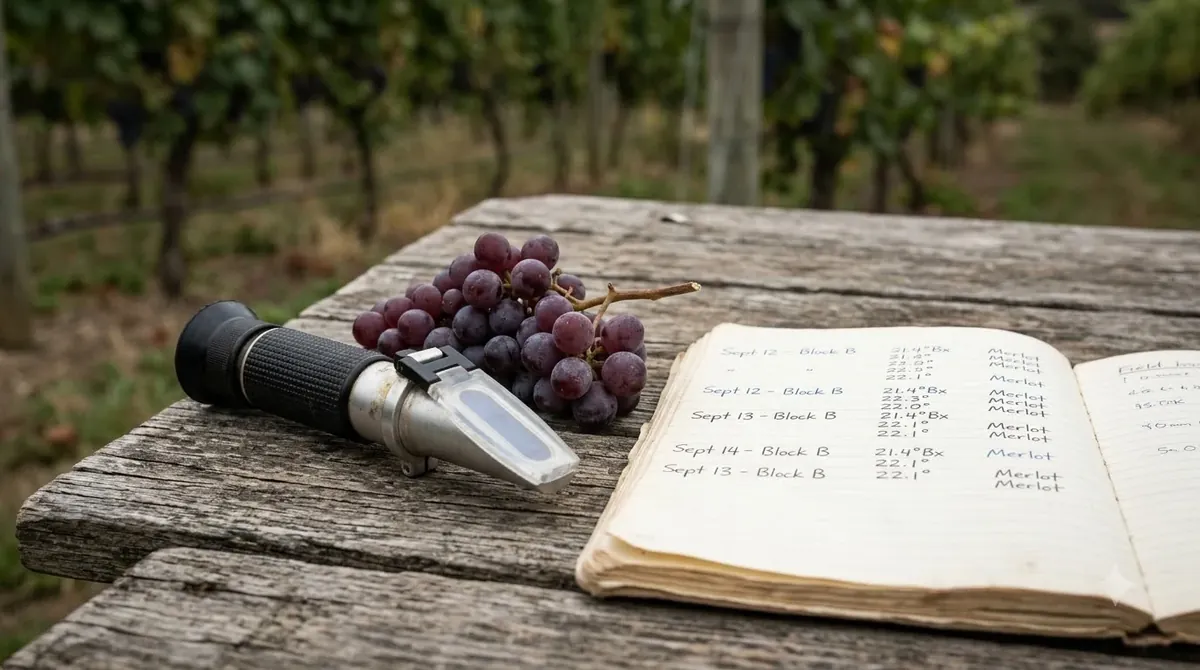
The Cerasuolo di Vittoria consortium identifies the variety as native to the Vittoria area and says it was cultivated there by the 17th century. That long local association matters because Frappato is not simply a minor ingredient in a regional blend: it is one of the grapes that gives the area a distinct red-wine identity. The appellation’s wider production area extends beyond Vittoria into parts of Ragusa, Caltanissetta, and Catania, but the grape’s strongest cultural and viticultural association remains the Vittoria district.
Vineyard conditions help explain the contrast between the Sicilian climate and the wine’s fresh character. Decanter describes Frappato as late-ripening and low-yielding, concentrated largely around Vittoria, where it grows in warm conditions and sandy, calcareous soils exposed to the hot Sirocco wind. Heat alone does not dictate a heavy style: the wines can remain light, perfumed, and refreshing. The combination of local soils, seasonal conditions, and grape variety is more revealing than the broad label “hot-climate red.”
For context, southeastern Sicily is not the same growing environment as Mount Etna in the northeast. Etna’s higher volcanic slopes are associated with Nerello Mascalese and Carricante, while the Vittoria area is a warmer red-wine zone where Nero d’Avola and Frappato share attention. That distinction is useful when comparing Sicilian bottles: Frappato points toward the island’s southeastern coastal-influenced identity, not the mountain-grown profile often associated with Etna Rosso.
Frappato Grape Flavor, Acidity, and Tannin
Frappato is best understood as a fragrant, fresh red with modest color and a supple tannin profile. Its aromas commonly lean toward red fruit and flowers, while the palate is typically more about lift and ease than dense extraction or a powerful finish.
Look for strawberry, red cherry, raspberry, and other fresh or gently ripe red-fruit notes. Floral impressions can include rose and violet, while some bottles add spice, dried herbs, or a savory edge. The Sicilia DOC description emphasizes fruity and floral aromas, a ruby-red color that is not especially deep, medium body, balanced tannins, and a fresh, soft taste. The local consortium likewise highlights low color intensity alongside spicy, floral, and fruity aromas.
That combination makes Frappato a useful option for drinkers who want red-wine flavor without the weight of a highly tannic variety. It is not a white wine in disguise: it still has the structure and savory possibilities of red grapes, but the tannin usually feels gentler than Cabernet Sauvignon or a strongly extracted Syrah. Acidity provides freshness and helps the wine work at the table, especially beside tomato-based dishes and foods with herbs.
Individual wines can vary. Vineyard conditions, the ripeness of the grapes, extraction choices, fermentation vessels, and the producer’s preferred style all influence the finished wine. A single-variety bottling can emphasize bright fruit and floral detail, while a version with more extraction or time in wood may feel broader and more structured. Frappato’s identity is therefore not a fixed flavor checklist; it is a recognizable balance of fragrance, freshness, and relatively restrained tannin.
Single-Variety Frappato and Cerasuolo di Vittoria
Frappato appears in two main forms: as a wine made entirely from the grape and as a blending partner in Cerasuolo di Vittoria DOCG. The single-variety style puts its perfume and lighter frame in the foreground, while the appellation blend pairs that character with the darker fruit, color, and structure of Nero d’Avola.
For a bottle labelled Frappato, the grape takes center stage. Wine Enthusiast notes that the variety is often blended but can also be bottled alone, and describes its appeal through floral perfume and supple tannins. Producers such as Arianna Occhipinti and COS have helped bring attention to the variety through distinctive expressions from the Vittoria area. These names are useful starting points when exploring the grape, although their wines should not be treated as identical examples of one house style.
Cerasuolo di Vittoria is a protected red-wine appellation, not another name for a single-variety Frappato. Its rules require Nero d’Avola to make up 50% to 70% of the blend and Frappato to account for 30% to 50%. Nero d’Avola contributes deeper color, body, and structure; Frappato contributes aromatic lift, red-fruit freshness, and finesse. The proportions explain why the wine can feel more substantial than a solo Frappato while retaining a fragrant Sicilian character.
| Wine or appellation | Grape composition | What the proportions mean |
|---|---|---|
| 100% Frappato | All Frappato | Emphasizes the variety’s floral perfume, fresh red fruit, and lighter frame. |
| Cerasuolo di Vittoria DOCG | 50–70% Nero d’Avola; 30–50% Frappato | Nero d’Avola supplies color and structure; Frappato adds fragrance and freshness. |
The DOCG blend rule is a practical label-reading tool. If you want to understand Frappato on its own, look for a bottle labelled Frappato or a Sicilia DOC varietal wine. If you want to see how the grape works with a stronger partner, choose Cerasuolo di Vittoria. The official Cerasuolo di Vittoria production rules spell out the permitted percentages and the geographic production area.
Food Pairings and Serving Temperature
Frappato’s freshness, moderate weight, and gentle tannins make it especially adaptable at the table. Serve it cool rather than warm, and pair its red-fruit character with foods that have herbs, tomatoes, roasted vegetables, or moderate richness.
A useful serving target is 55–60°F, the standard range for light red wines. A short spell in the refrigerator can bring a bottle down from a warm room temperature; avoid serving it so cold that the aromas seem muted. Use a regular red-wine glass with enough room to collect the floral notes, and pour a modest 5-ounce serving. A standard 750-milliliter bottle yields about five such glasses, which makes it easy to plan for a dinner without overpouring.
For food, start with grilled or roasted vegetables, especially eggplant, red peppers, zucchini, and tomatoes. Sicilian caponata is a natural companion because its tomato, olive, and vinegar notes meet the wine’s freshness and savory side. Roast chicken, pork sausage with fennel, charcuterie, and tomato-topped pizza are also practical matches. For a lighter meal, try Frappato with a grilled tuna dish or a plate of antipasti; the wine’s relatively modest tannin makes it less likely to dominate the food than a heavily structured red.
Tip: Treat Frappato like a light red, not a big-boned cellar red. Start around 55–60°F, then let the glass warm slightly as you eat so its floral and red-fruit aromas can open.
Pay attention to the seasoning as well as the main ingredient. Tomato sauce and other acidic foods generally work best with wines that have enough acidity to keep pace, and Frappato’s fresh profile helps it stay lively. Salt and fat can soften tannin, so salty cured meats or richer pork dishes are often comfortable partners. Very hot chili sauces can make alcohol feel more pronounced, so a gently spiced dish is usually a better match than a fiery one.
How to Choose a Bottle of Frappato
Start with the label and decide whether you want the grape alone or a regional blend. A Frappato bottling will show the variety directly, while Cerasuolo di Vittoria DOCG offers a regulated partnership with Nero d’Avola and comes from a defined southeastern Sicilian production area.
For a first bottle, a young, single-variety Frappato is a straightforward way to learn the grape’s perfume and light frame. A wine labelled Sicilia DOC can be made under the island-wide denomination, while Vittoria DOC and Cerasuolo di Vittoria identify more specific local categories. The Sicilia DOC grape profile lists Frappato among the island’s native varieties and describes its ruby color, fruity-floral aromas, medium body, and balanced tannins. Those details provide a sensible baseline for assessing a bottle.
Producer choices can shift the style. Decanter highlights Occhipinti and COS as examples of estates giving Frappato a clear voice in the Vittoria area, while Wine Enthusiast observes that single-variety examples range from easy-drinking bottles to more serious wines. That is a reminder not to assume every Frappato will have the same concentration, oak influence, or aging potential. Read the producer’s description and vintage information, then use the grape’s general profile as a guide rather than a strict promise.
Think about the occasion, too. A fragrant, lighter Frappato is well suited to a casual meal, a warm-weather gathering, or a mixed table where some guests prefer red wine but do not want a heavy style. Cerasuolo di Vittoria may be the better choice with a richer main course because the Nero d’Avola component usually gives the blend more structure. For a comparative tasting, open the two styles side by side and notice how the blend changes color, weight, and the relationship between fruit and tannin.
Frappato Compared with Other Wine Grapes
Frappato makes sense as part of a broader exploration of wine styles because its character is quite specific: a dry Sicilian red with floral lift, fresh red fruit, and comparatively gentle tannin. Comparing it with grapes that have different colors, sweetness levels, or body can help clarify what makes it distinctive.
Pinot Noir is a useful point of comparison because both grapes can produce aromatic reds with a lighter frame and supple texture. The comparison has limits: Frappato comes from a warmer Mediterranean setting and can show a more overtly floral, herbal, or spicy character. VinePair describes it as a Mediterranean-flavored alternative for Pinot Noir drinkers and points to light, silky single-variety examples. Think of the comparison as a guide to weight and drinkability, not a claim that the wines taste the same.
Other grapes show the contrast more sharply. The Airen grape is a white variety, so it offers a very different route into Spanish wine than a red Sicilian Frappato. The Brachetto grape is useful to explore when you want an aromatic red with a sweeter or sparkling expression rather than Frappato’s usual dry profile. The Dornfelder grape gives another comparison point: it is a German red that can deliver darker fruit and a deeper impression of color and body.
These comparisons are also a reminder that grape variety is only one part of the finished wine. Climate, harvest decisions, fermentation, extraction, aging, and blending can change the weight and flavor of a bottle. Frappato is worth exploring in both solo and blended form, and the wider Wine by Type overview can help place it alongside other red, white, rosé, and sparkling styles. Once you recognize its bright red fruit and floral character, it becomes easier to tell whether you want that lightness or a more structured wine for the meal.
Frequently Asked Questions
These answers cover a few details that often come up after tasting Frappato or seeing Cerasuolo di Vittoria on a wine list. They add context on the name, appellation rules, and less common styles.
What does Cerasuolo mean?
Wine Enthusiast explains that “cerasuolo” means cherry, a reference to the red-fruited character and color associated with the wine. The name is not a grape variety: Cerasuolo di Vittoria is the appellation wine made from Nero d’Avola and Frappato in regulated proportions.
What makes Cerasuolo di Vittoria Classico different?
The Classico designation is tied to the traditional production zone, rather than simply being a synonym for a more powerful blend. Wine Enthusiast reports that regular Cerasuolo di Vittoria is aged for approximately eight months, while Classico requires at least 18 months of aging.
Can Frappato be made into sparkling wine?
Yes. Decanter notes that the Sicilian producer COS makes a long-aged metodo classico version, a less common expression than the region’s still red wines. Metodo classico refers to the traditional bottle-fermentation method used for sparkling wine.
Can Frappato show savory aromas as well as fruit?
Yes. A Frappato does not have to smell only of berries and flowers; its Mediterranean character can include wood spice, olive, and potpourri. Those more savory notes can become easier to notice as the wine opens in the glass.
Is Frappato included among the grapes of Sicilia DOC?
Yes. Sicilia DOC includes Frappato among the island’s grape varieties, alongside well-known native grapes such as Nero d’Avola and Nerello Mascalese. The denomination covers wines from across Sicily, so its geographic scope is broader than the Vittoria-centered identity most closely associated with Frappato.
Frappato is one of Sicily’s most approachable ways to discover the island’s native red grapes: fragrant, fresh, and more delicate in structure than many people expect from a warm Mediterranean region. Try it on its own to understand the variety, then taste Cerasuolo di Vittoria to see how Nero d’Avola changes the balance.
More in Wine Types & Grapes
 Zinfandel Sugar Content: Dry Red vs. White Zinfandel GramsUpdated Nov 21, 2026
 Best Zinfandel Substitute Options for Sipping and CookingUpdated Nov 21, 2026
 Zweigelt Food Pairing: Best Dishes, Cheeses, and Serving TipsUpdated Nov 21, 2026
 Zinfandel Tannins Explained: How Structure Shapes Every BottleUpdated Nov 21, 2026
 Zinfandel Sweetness Level: Dry Red vs. Sweet White Zin ExplainedUpdated Nov 21, 2026
 Xinomavro Food Pairing: Best Dishes, Styles, and Serving TipsUpdated Nov 21, 2026