

We may earn a commission when you buy through links on this page, at no extra cost to you. Learn more.
The plavac mali grape is Croatia’s premier indigenous red wine variety, prized along the sun-drenched Dalmatian Coast for producing full-bodied, high-alcohol, richly tannic red wines. Genetically confirmed as a natural offspring of Zinfandel (known locally as Crljenak Kaštelanski or Tribidrag) and the native variety Dobričić, its name translates to “small blue” in reference to its tiny, thick-skinned, dark berries. The finest examples hail from steep, rocky coastal slopes like Dingač and Postup on the Pelješac Peninsula, delivering concentrated flavors of blackberry, black cherry, dried fig, carob, and Mediterranean herbs.
Pronounced PLAH-vatz MAH-lee, this hardy Adriatic vine thrives where few other crops can survive, sinking its roots deep into porous limestone karst cliffs overlooking the sea. While its famous parent Zinfandel gained global fame in California, Plavac Mali remained largely an insider secret until international wine competitions and DNA research put Croatian winemaking on the world map.
What It Is
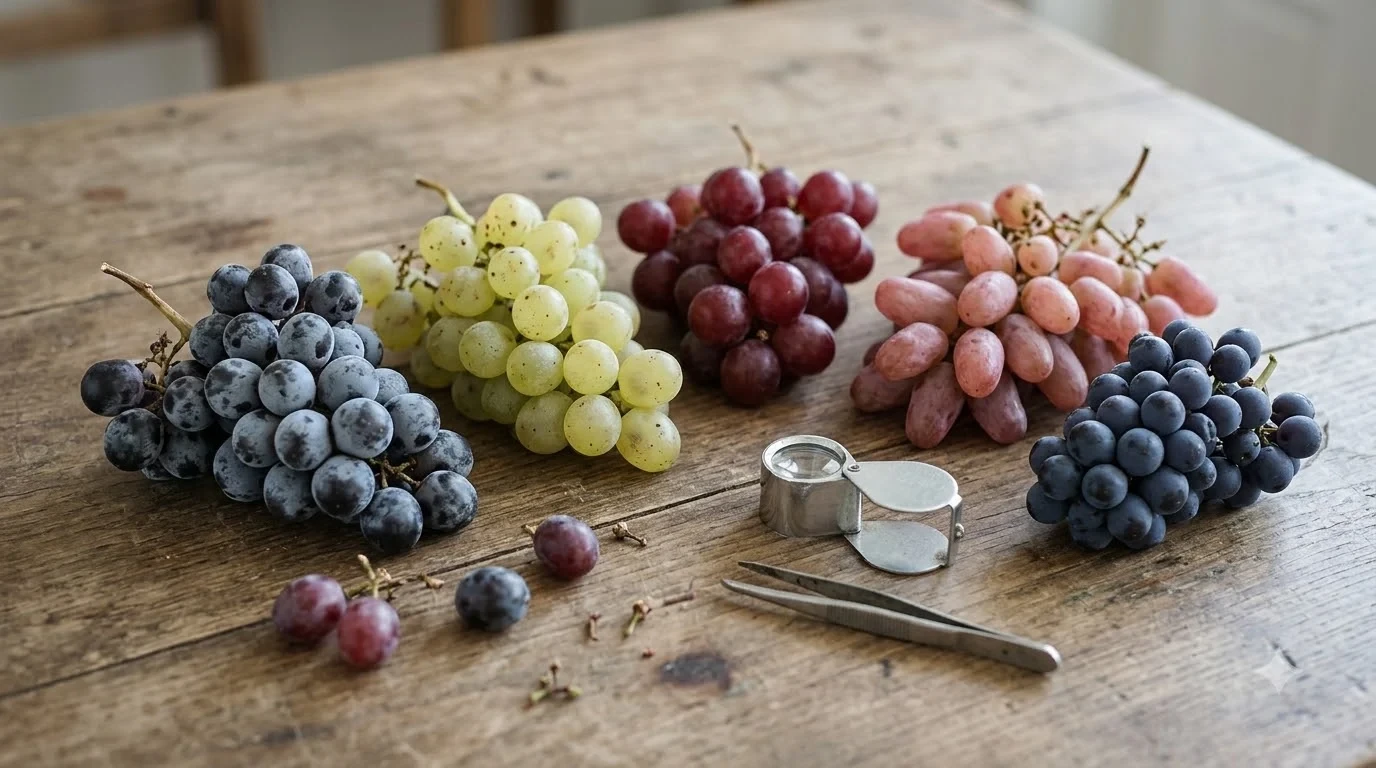
The plavac mali grape is an ancient dark-skinned cultivar native to coastal Dalmatia and the cornerstone of Croatian red wine production. In Croatian, plavo means blue and mali means small, an accurate description of the grape’s tight clusters of small, near-black berries covered in a thick waxy bloom.
For decades, ampelographers and winemakers mistakenly believed Plavac Mali and California Zinfandel were the exact same grape due to their similar leaves and cluster shapes. In the late 1990s, DNA profiling led by researchers at the University of California, Davis, alongside Croatian-American vintner Miljenko “Mike” Grgich, solved the mystery. The genetic testing proved that Plavac Mali is actually the direct offspring of Zinfandel (called Crljenak Kaštelanski in Croatia) crossed naturally with Dobričić, an obscure dark-skinned grape from the island of Šolta.
Because of its thick skins and small berry-to-seed ratio, Plavac Mali naturally accumulates high levels of sugar and phenolic compounds under the intense Mediterranean sun. According to Wine-Searcher’s Plavac Mali grape profile, these dense skins yield structured, age-worthy red wines that occasionally retain a whisper of residual sugar to soften their muscular tannins. Unlike lighter wine by type categories, Plavac Mali sits firmly in the heavy, sun-drenched red camp.
Flavor and Styles
Wines made from the plavac mali grape are unapologetically bold, combining dark, sun-baked fruit with savory herbal undertones and firm structural grip. Most bottlings fall into the dry, full-bodied red category with alcohol levels commonly ranging between 14% and 16% ABV, though winemakers produce everything from brisk, unoaked everyday reds to opulent, oak-aged reserves and traditional sweet wines.
In the glass, young Plavac Mali displays a deep ruby to nearly opaque garnet color. On the nose and palate, reviewers at Decanter note dense blackberry and black cherry fruit layered with overtones of dried fig, sage, and thyme. Other hallmark descriptors include baked blue plum, carob, black pepper, wild bramble, and a distinct saline minerality imparted by sea breezes.
Winemaking style shapes how approachable the grape feels upon release. Entry-level bottlings fermented in stainless steel highlight juicy red and black berries with moderate oak influence, making them enjoyable within two to four years of vintage. Conversely, reserve wines aged in French, American, or Slavonian oak barrels develop complex secondary notes of leather, cedar, sweet tobacco, dark chocolate, and roasted coffee, often requiring five to ten years in the cellar to soften their assertive tannins. A small portion of late-harvest or raisined Plavac Mali is also used to craft Prošek, Dalmatia’s traditional sweet dessert wine.
| Wine Style | Typical ABV | Key Flavor Notes | Aging Potential |
|---|---|---|---|
| Unoaked / Entry-Level Plavac | 13.5% – 14.5% | Black cherry, raspberry, black pepper, dried herbs | 2 – 5 years |
| Oak-Aged Reserve / Barrique | 14.5% – 15.5% | Blackberry, plum, cedar, vanilla, tobacco, leather | 8 – 15 years |
| Cru Vineyard (Dingač / Postup) | 15.0% – 16.5% | Dried fig, carob, dark chocolate, sage, sea salt | 10 – 20+ years |
| Traditional Prošek (Sweet) | 15.0% – 16.0% | Raisin, date, caramel, spiced fig, roasted nuts | 15 – 25 years |
Where It Grows
Plavac Mali grows almost exclusively in central and southern Dalmatia along Croatia’s rugged Adriatic coast and offshore islands. With fewer than 3,000 hectares planted across the country, it accounts for the overwhelming majority of premium red vineyards in the coastal region.
The grape’s spiritual home is the Pelješac Peninsula, a narrow finger of limestone jutting into the Adriatic north of Dubrovnik. Here lie Croatia’s two most celebrated appellations: Dingač, recognized in 1961 as the country’s first protected wine region, and neighboring Postup. In both zones, vines cling to brutally steep, southwest- and south-facing slopes inclined at up to 45 degrees. The grapes benefit from a rare “triple insolation” effect—direct sunlight from above, heat reflected off white karst stones below, and solar glare bouncing off the Adriatic Sea—producing extraordinary sugar concentration and phenolic ripeness.
Beyond Pelješac, prized pockets of Plavac Mali flourish on the islands of Hvar, Brač, Korčula, and Vis, as well as the mainland coastal appellation of Komarna. On Hvar, south-facing seaside vineyards such as Ivan Dolac and Sveta Nedjelja yield intensely aromatic, mineral-driven bottlings. Meanwhile, Komarna—a younger, entirely organic winegrowing region on steep limestone hills overlooking the Pelješac channel—has earned critical acclaim for balanced, polished expressions of the variety. While Italy’s sun-loving catarratto grape thrives in similarly warm Mediterranean coastal climates, Plavac Mali’s resistance to fungal disease and drought makes it uniquely suited to Dalmatia’s rocky karst terrain.
How to Serve
Serving Plavac Mali properly tames its elevated alcohol and firm tannins so its nuanced fruit and herbal notes shine. A slight chill, generous aeration, and the right stemware make a dramatic difference in how the wine tastes.
Aim for a serving temperature between 60°F and 65°F (16°C to 18°C), which is noticeably cooler than standard room temperature. If poured too warm—above 68°F—the 15% or 16% alcohol can feel hot and overshadow the delicate aromas of sage, thyme, and dried fig. Placing the bottle in the refrigerator for 25 to 30 minutes before opening brings it right into the ideal window.
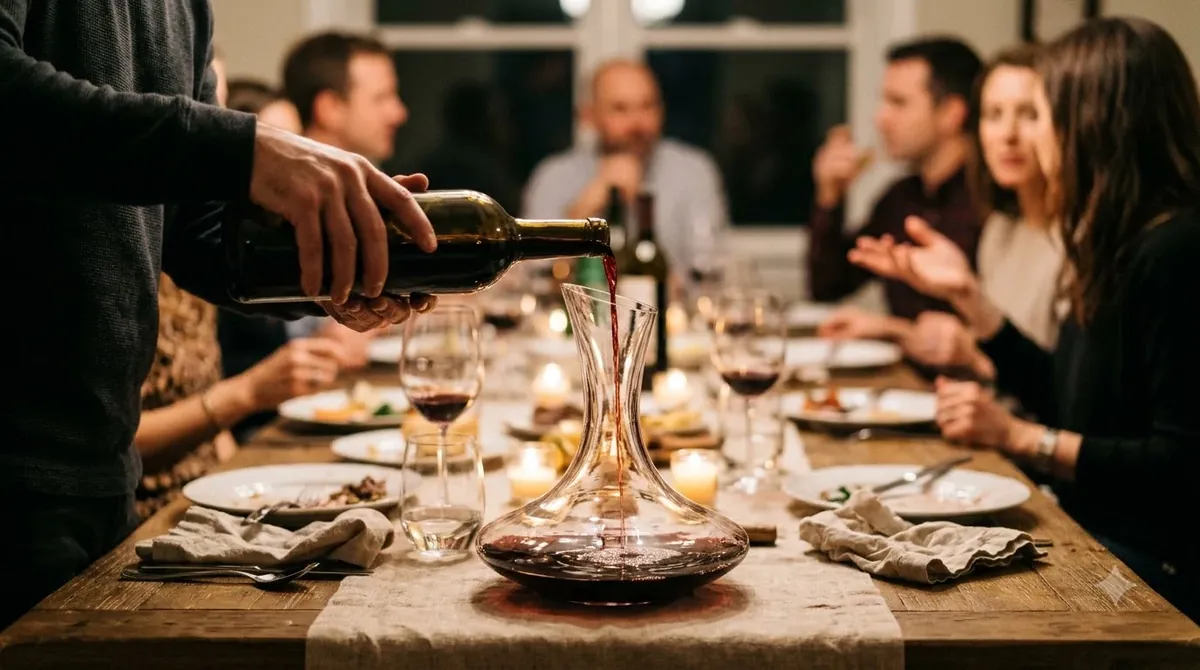
Decanting is strongly recommended for nearly all serious bottlings. Younger wines under eight years old benefit from 45 to 60 minutes in a wide-bottomed decanter, allowing harsh tannins to polymerize and dense dark fruit to open up. Older vintages ten years or beyond only need 20 to 30 minutes of air and should be decanted gently to separate the wine from natural sediment. Serve in a large, tall Bordeaux-style glass with a generous bowl to concentrate the complex bouquet while directing the wine smoothly across the palate.
Tip: Because Plavac Mali often exceeds 15% ABV, chill the bottle in the fridge for 25 minutes before pouring and give young Dingač bottlings a full hour in a decanter to soften their grip.
Food Pairing
Rich, heavily marbled, and slow-cooked meats are the gold standard for pairing with Plavac Mali. The wine’s high tannin structure binds effortlessly with animal fats and proteins, softening the astringency on your palate while cleansing it between bites.
In its Dalmatian homeland, Plavac Mali is traditionally served alongside pašticada—beef braised for hours in red wine, prunes, and aromatic herbs—or lamb slow-roasted under an iron bell (peka) with potatoes and rosemary. In an American kitchen, those flavors translate directly to smoked beef brisket, barbecued pork ribs, grilled ribeye steak, braised short ribs, and herb-crusted rack of lamb. Charred smoky notes from a wood or charcoal grill mirror the wine’s subtle cedar, tobacco, and spice undertones.
Hearty vegetarian dishes and aged cheeses also hold their own against the grape’s power. Wild mushroom risotto, charred eggplant with rosemary and garlic, lentil stews, and tomato-rich pasta ragùs echo the savory, earthy side of the variety, much like pairing rustic Italian fare with the chianti grape. For a cheese board, reach for firm, salty aged cheeses such as Pecorino Romano, aged Gouda, Manchego, or sharp Cheddar, and steer clear of delicate white fish, vinegar-heavy salads, or spicy chili dishes that clash with high alcohol.
How to Choose a Bottle
Shopping for Plavac Mali becomes straightforward once you learn how Croatian labels signal vineyard quality, ripeness, and cellar style. Because the grape grows across diverse coastal microclimates, checking the regional designation and label terms will guide you toward the profile you prefer.
Look first for the Protected Designation of Origin (PDO) on the front label. Bottles labeled simply Plavac or Plavac Mali from the broader Srednja i Južna Dalmacija (Central and Southern Dalmatia) appellation tend to come from flatter inland sites, offering fresher acidity, lower alcohol around 13.5% to 14%, and earlier drinkability. If you want maximum concentration, power, and aging capacity, seek out single-cru designations such as Dingač, Postup, Ivan Dolac, or Komarna, where steep coastal slopes force low yields and intense flavor extraction.
Finally, pay attention to traditional Croatian quality tiers and oak aging cues on the back label. The term Vrhunsko Vino indicates top-tier premium quality wine subject to strict analytical and sensory tasting panels, whereas Kvalitetno Vino denotes solid everyday quality. Words like Barrique, Reserva, or Grand Cru indicate extended oak maturation, signaling a plush, spiced, cellar-worthy bottle rather than a crisp, fruit-forward red like wines made from the colombard grape.
Frequently Asked Questions
Is Plavac Mali the same grape as Zinfandel?
No, Plavac Mali and Zinfandel are distinct grape varieties, though they are closely related. DNA testing in the late 1990s proved that Plavac Mali is the natural offspring of Zinfandel (known in Croatia as Crljenak Kaštelanski or Tribidrag) crossed with another native Croatian grape called Dobričić. While both produce full-bodied, dark-fruited red wines, Plavac Mali has thicker skins, higher tannins, and more savory herbal and fig notes than Zinfandel.
How do you pronounce Plavac Mali?
Plavac Mali is pronounced “PLAH-vatz MAH-lee.” In Croatian, the letter “c” is always pronounced like a sharp “ts” sound, similar to the end of the English word “cats.” The name literally translates to “small blue,” referring to the grape’s small, dark blue-black berries.
Is Plavac Mali wine dry or sweet?
Most Plavac Mali wines are fermented completely dry, though their ripe blackberry and dried fig flavors can create an impression of richness on the palate. Because the grapes reach exceptionally high sugar levels under the Dalmatian sun, a small number of traditional Dingač bottlings retain a touch of off-dry residual sugar. The grape is also occasionally dried after harvest to make Prošek, a sweet Croatian dessert wine.
How long can you age a bottle of Plavac Mali?
Ageability depends heavily on where the grapes were grown and how the wine was aged. Entry-level, unoaked Plavac Mali is best enjoyed within 2 to 5 years of the vintage while its fresh berry fruit is vibrant. Top-tier, oak-aged bottlings from steep coastal sites like Dingač, Postup, and Hvar easily cellar for 10 to 20 years, gradually trading youthful grip for complex flavors of leather, tobacco, carob, and dried Mediterranean herbs.
From its dramatic cliffside vineyards above the Adriatic to its storied genetic link with Zinfandel, the plavac mali grape offers red wine lovers a distinct taste of coastal Croatia. Whether poured alongside slow-braised meats on a winter evening or cellared for a special occasion, a well-chosen bottle rewards patience with unmistakable Mediterranean character.
More in Wine Types & Grapes
 Zinfandel Sugar Content: Dry Red vs. White Zinfandel GramsUpdated Nov 21, 2026
 Best Zinfandel Substitute Options for Sipping and CookingUpdated Nov 21, 2026
 Zweigelt Food Pairing: Best Dishes, Cheeses, and Serving TipsUpdated Nov 21, 2026
 Zinfandel Tannins Explained: How Structure Shapes Every BottleUpdated Nov 21, 2026
 Zinfandel Sweetness Level: Dry Red vs. Sweet White Zin ExplainedUpdated Nov 21, 2026
 Xinomavro Food Pairing: Best Dishes, Styles, and Serving TipsUpdated Nov 21, 2026