

We may earn a commission when you buy through links on this page, at no extra cost to you. Learn more.
The catarratto grape is a white Italian variety planted mainly in Sicily, where it is the most widely grown grape on the island. It can make full-bodied wines with lemon notes, and it is often blended in Etna whites. Its wines range from light and floral to richer and more textured, depending on the style and winemaking.
This guide explains what the catarratto grape is, where it comes from, how its wines taste, and which styles you are likely to see on a US shelf. It also shows how the variety compares with better-known Italian whites, so you can decide whether a bottle is worth trying.
What Is the Catarratto Grape?
Catarratto is a white wine grape from Italy that is grown primarily on Sicily. Its importance comes from volume as much as quality, since it is the most widely planted grape on the island. Many everyday Sicilian whites rely on it, even when the label does not highlight the name.
According to the Catarratto entry on Wikipedia, the variety can produce full-bodied wines with lemon notes. The same source notes that in the Etna DOC the grape is often blended with Minella bianca and Carricante. For a buyer, this means a label may show a Sicilian white without naming the variety on the front.
Origins and History in Sicily
Catarratto has deep roots on the island, and it has been known under many local names. Wikipedia lists synonyms such as Catarratto Bianco Comune, Catarratto Bianco Lucido and Catarratto Bianco Latino, which reflects how widely it has been grown and named over time. Naming variation is common with old Italian varieties, so label reading helps.
The variety has also been studied for its genetic background. A 2008 Italian DNA study linked Catarratto closely with Garganega, though the exact parentage has not been confirmed. Grape catalogues such as the Vitis International Variety Catalogue are a useful place to check records, but for this guide the key point is that researchers are still sorting out the family ties.
Catarratto Grape Flavor Profile
Catarratto wines tend to show bright citrus and floral aromas. A 2025 study of native Sicilian wines describes the variety as light to medium bodied, with citrus and floral notes and a zesty acidity. Some wines also show a subtle almond finish, according to the same research.
Because the grape can vary by producer and style, expect a range rather than a single taste. A young, crisp version will feel lighter and more lemony. A riper, more structured version can feel fuller, with a softer texture and a longer finish. Use the table below as a rough guide.
| Trait | What to expect |
|---|---|
| Body | Light to medium, sometimes full in richer versions |
| Aromas | Lemon, citrus peel and white flowers |
| Acidity | Zesty and fresh |
| Finish | Often clean, sometimes with a light almond note |
Major Styles: Bianco Comune, Lucido, and Extra Lucido
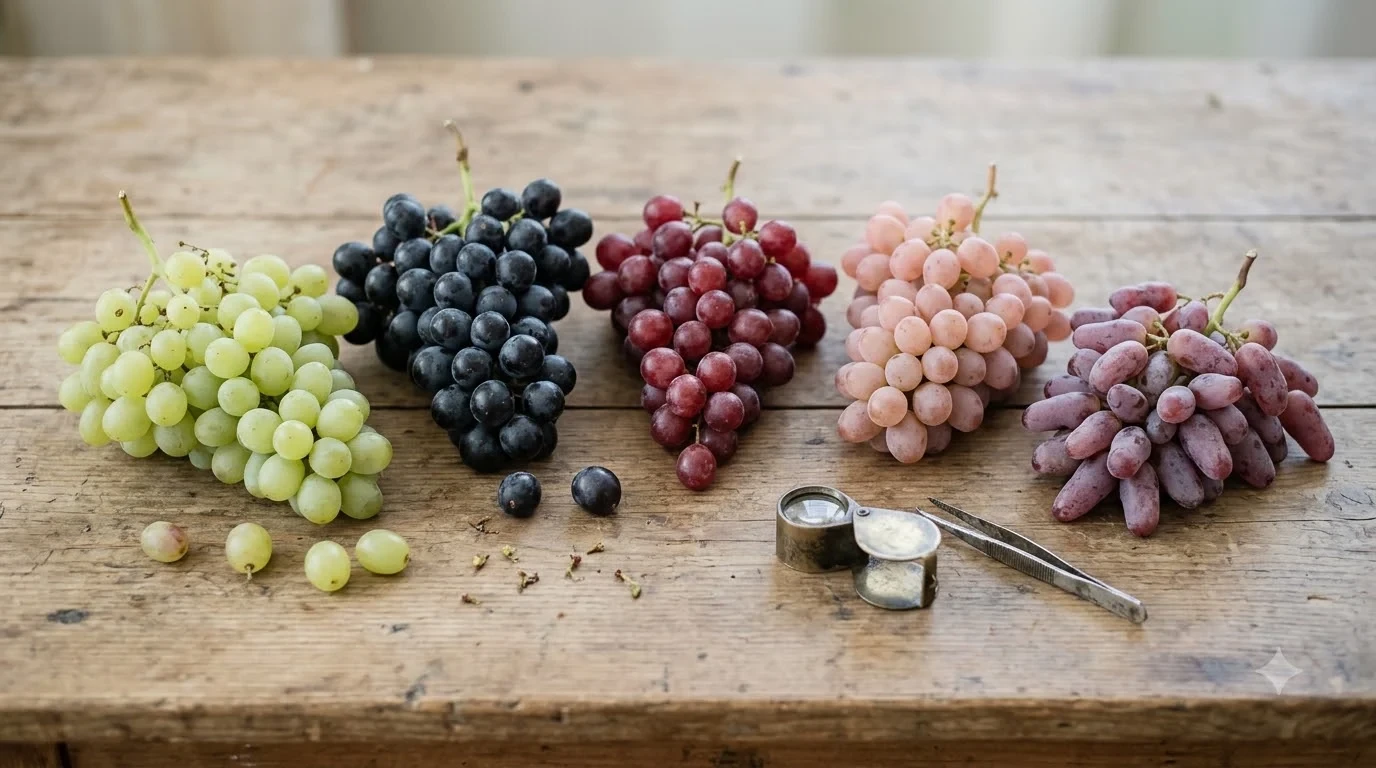
Catarratto appears in three phenotypes that differ by the amount of whitish bloom on the grape skin. Wikipedia explains that Bianco Comune has a high amount of bloom, Bianco Lucido has less and looks glossier, and Bianco Extra Lucido has no bloom at all. The names were first described by a Palermo commission in 1883.
DNA testing has shown the three to be genetically identical, so the differences come from selection in the vineyard rather than from separate grape families. In practice, a wine label rarely tells you which phenotype was used. Focus on the producer, vintage and tasting notes instead of trying to match a bottle to a specific clone.
Top Sicilian Regions and Growing Conditions
Catarratto is grown across Sicily, and it is one of the island’s most widely planted white varieties. A 2025 Sicilian wine study reports that the island’s native whites, including Catarratto, are part of a broader shift toward higher-quality wines. The island’s warm climate and varied terrain give growers many options.
Wikivoyage has regional guides for the Val di Mazara and Val Demone areas, which are useful for understanding Sicily’s wine geography. Growing conditions matter because the grape is often used in blends, so local vineyard choices shape the final wine. If you want to learn more about the island’s regions, check the producer’s website for the exact vineyard and elevation.
Food Pairings for Catarratto
Catarratto’s citrus and acidity make it a flexible match for seafood, light pastas and fresh salads. Its moderate body means it can handle grilled fish and vegetables without overwhelming them. Richer, more textured versions also work with creamy sauces and soft cheeses.
Serve the wine well chilled, but not icy, so the aromas can open. Try it with grilled shrimp, lemon-dressed greens, or a simple tomato and herb pasta. For more ideas, browse our Wine by Type guide, which groups wines by style so you can match them to meals.
How Catarratto Compares to Other White Grapes
Catarratto is often compared with other Italian whites, especially Carricante from Etna. Wikipedia describes Carricante as a late-ripening variety that produces fresh, lightly fragrant wines with high acidity. Catarratto is usually softer and more floral, and it is often blended with Carricante in Etna whites rather than bottled alone.
Compared with Grillo, another Sicilian white, Catarratto tends to show more floral aroma and a lighter structure. Grillo is often described as crisp with tropical and herbal notes. If you enjoy zesty whites, Catarratto is a good option, but if you want a sharper, more mineral wine, a high-acid Carricante may suit you better.
Catarratto can also be a value-oriented alternative to more famous Italian whites, since it is less widely known in the United States. Recognizing the grape on a label helps you explore beyond familiar bottles. For a related white with a different profile, see our colombard grape guide.
Buying and Storing Catarratto Wine
Most Catarratto wines are meant to be drunk young and fresh, so check the vintage before you buy. Look for the grape name or Sicily on the label, since many bottles list the region more prominently than the variety. If a producer names the grape, it usually signals a varietal wine rather than a blend.
Store bottles in a cool, dark place away from heat and light. Once opened, recork the bottle and refrigerate it, then drink it within a few days for the best freshness. Responsible drinking matters, so pour modest glasses and enjoy the wine with food.
Tip: If a shop does not list the grape, ask staff whether the bottle is a varietal Catarratto or a blend. Blends are common in Sicily and can taste quite different.
Frequently Asked Questions
Is catarratto a red or white grape?
Catarratto is a white grape. It is planted mainly in Sicily and is the most widely grown grape on the island. Its wines are usually light to medium bodied with citrus and floral notes.
What does catarratto wine taste like?
Catarratto wine often tastes of lemon, citrus peel and white flowers, with zesty acidity. Some versions show a subtle almond finish. Richer examples can feel fuller in the mouth.
Is catarratto the same as Carricante?
No, they are different varieties. Carricante is the main grape of the Etna DOC and is known for high acidity. Catarratto is more widely planted and is often blended with Carricante in Etna whites.
Should I drink catarratto wine young?
Most catarratto wines are best enjoyed young, while their citrus and freshness are at their peak. Check the vintage date on the label and the producer’s notes. Store the bottle cool and dark until you open it.
The catarratto grape is an accessible way to explore Sicilian whites without paying for a famous name. Start with a varietal bottle or a well-regarded Etna blend, and compare it with other Italian whites you already know. Once you learn its citrus and floral character, you can spot it on more labels.
More in Wine Types & Grapes
 Zinfandel Sugar Content: Dry Red vs. White Zinfandel GramsUpdated Nov 21, 2026
 Best Zinfandel Substitute Options for Sipping and CookingUpdated Nov 21, 2026
 Zweigelt Food Pairing: Best Dishes, Cheeses, and Serving TipsUpdated Nov 21, 2026
 Zinfandel Tannins Explained: How Structure Shapes Every BottleUpdated Nov 21, 2026
 Zinfandel Sweetness Level: Dry Red vs. Sweet White Zin ExplainedUpdated Nov 21, 2026
 Xinomavro Food Pairing: Best Dishes, Styles, and Serving TipsUpdated Nov 21, 2026