

We may earn a commission when you buy through links on this page, at no extra cost to you. Learn more.
Catarratto wine is a white wine made mainly from the Catarratto grape, the most widely planted grape in Sicily. Most bottles are fresh and citrusy, with medium body and mild acidity. Some producers also make richer, skin-contact versions that show more texture and nutty notes.
This guide explains where catarratto wine comes from, how it tastes, and how it differs from more familiar whites. You will also find practical advice on food pairings, buying and storage, so you can choose a bottle with confidence.
What Is Catarratto Wine?
Catarratto wine is a white wine built on one of Italy’s oldest native grape varieties. Most examples are light to medium bodied and designed for easy drinking. Some winemakers, however, produce more complex bottles that reward a slower pace at the table.
According to the Catarratto entry on Wikipedia, the grape is a white Italian variety planted primarily in Sicily. The same entry notes that it can make full bodied wines with lemon notes. The grape has several phenotypes, which are closely related forms that differ mainly in how much whitish bloom covers the berries.
Sicilian winegrowers describe Catarratto as one of the classic traditional white varieties of the island. Ampelographic studies from the seventeenth to nineteenth centuries identified at least eight phenotypes. The grape has developed over many centuries through adaptation to different microclimates, which helps explain its wide range of styles today.
Where Catarratto Is Grown in Sicily
Catarratto is concentrated in the western part of Sicily and makes up a large share of the island’s vineyards. Its plantings are strongest in the provinces of Agrigento, Trapani and Palermo. Local producers say it represents roughly one third of the Sicilian vineyard today, which makes it the island’s signature white grape.
The variety is a primary grape in the broad Sicilia DOC wines. It also serves as the main grape in several local appellations, including Alcamo, Marsala, Menfi and Santa Margherita di Belìce. If you see one of these names on a label, the bottle is likely to be built around Catarratto. Check the label for the appellation, since the region name alone does not always tell you the grape.
The vine itself is vigorous and resists the most common grape diseases well, according to Sicilian producers. Bud break usually occurs in early April, and ripening runs until early or mid September. Growers in Sicily also blend it in some places. In the Etna DOC, for example, it is often blended with Minella bianca and Carricante.
Flavor Profile and Styles of Catarratto Wine
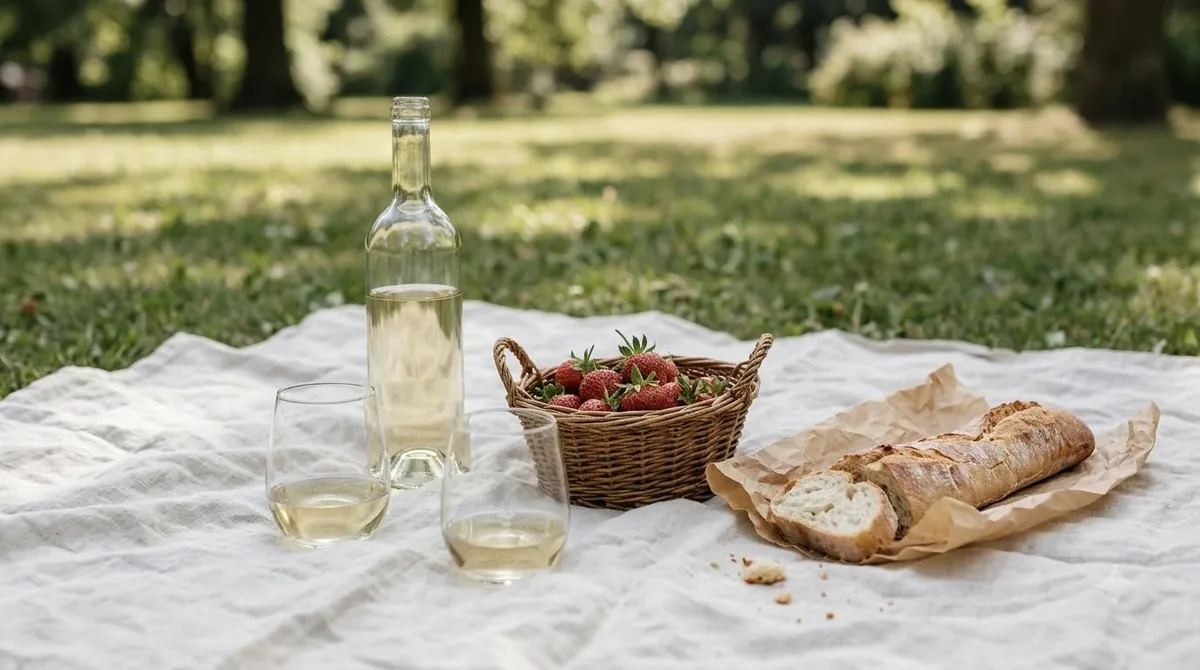
Fresh, everyday bottles lean toward citrus fruit and flowers. Winemakers often describe notes of lemon zest, wild orange and citrus blossom, along with grapefruit and passionflower. A touch of fine herbs and sweet spices can appear on the nose as well. Many examples finish with a saline, mineral feeling.
A winegrower’s guide from Cantine Barbera winegrower guide notes that the mainstream style has medium structure and a moderate alcohol level. Its finish can sometimes turn slightly bitter. That bitterness is part of the character, so do not expect a soft, sweet finish from every bottle.
A newer movement in Sicily has returned to older methods. Some natural producers experiment with spontaneous fermentation, amphora or cement refining, and skin contact. These wines can be more intense and slightly tannic. They often show hazelnut and peanut notes and a more complex aroma. Expect a bigger, more textured glass than the everyday white.
Serve catarratto wine in a standard white wine glass at a cold, not icy, temperature. Most bottles are meant to be enjoyed young. Some expressions from the best producers and terroirs can age for several years, so the style you buy should guide how long you keep it.
Catarratto vs. Chardonnay, Colombard and Other Whites
Catarratto and Chardonnay can both make dry white wines, but they usually taste different. Chardonnay is often aged in oak, which adds vanilla, toast and a creamy texture. Most everyday catarratto is fresh and unoaked, so its character comes from citrus, herbs and a mineral edge rather than wood.
Colombard is another light, crisp white that many drinkers find easy to enjoy. Compared with it, a typical Catarratto often shows more citrus blossom and herbal lift. You can read more about the colombard grape to see how it fits into the wider white wine family. The difference is more about style than quality, so tasting both side by side is the best test.
| Trait | Typical catarratto wine | Typical Chardonnay | Typical Colombard |
|---|---|---|---|
| Main aromas | Lemon zest, citrus blossom, herbs | Apple, pear, butter, sometimes toast | Light citrus and tropical notes |
| Oak influence | Usually none in everyday bottles | Often present, especially in richer styles | Usually minimal |
| Acidity | Mild to moderate | Varies widely by style | Typically crisp |
| Body | Medium | Medium to full | Light to medium |
Among other Italian whites, catarratto often sits between light, zesty styles and more textured ones. It rarely tastes as lean as a very simple white, yet it stays fresher than heavily oaked wines. Check the producer’s tasting notes, since winemaking choices shape the final glass more than the grape name alone.
Food Pairings for Catarratto Wine
Catarratto pairs well with a wide range of foods. Its citrus and mineral notes suit fish and seafood, while its moderate body works with white meats. Grilled vegetables and soft goat cheese are also natural partners for the everyday style.
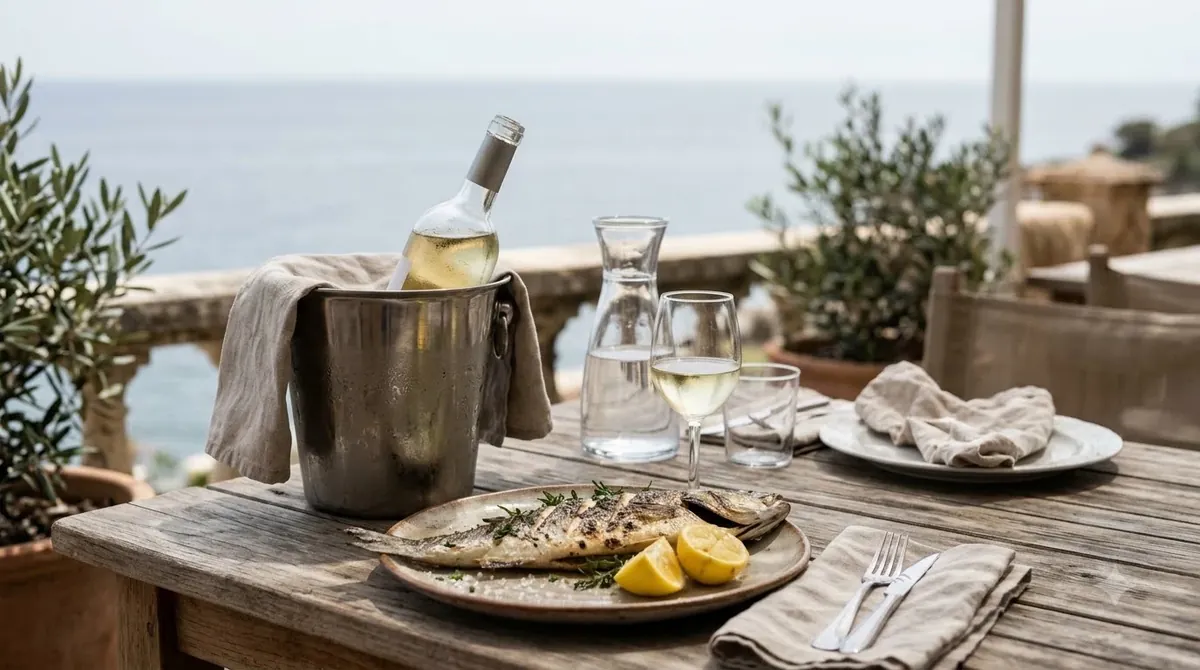
Richer, skin-contact versions have more structure, so they handle bigger flavors. Producers suggest pairing them with matured cheeses and many traditional Sicilian dishes. Think of simple, well-seasoned plates with herbs, olive oil and sea salt for the classic style.
- Grilled or baked white fish with lemon and herbs
- Shellfish, such as clams or shrimp in a light sauce
- Roast chicken or pork with citrus and fennel
- Grilled zucchini, peppers and eggplant
- Fresh goat cheese, or aged cheese for skin-contact bottles
How to Buy and Store Catarratto Wine
Start by reading the label for the appellation and the producer’s name. Terms such as Sicilia DOC or a named local DOC tell you the wine comes from a defined zone. As of Nov 2026, availability varies by store, so a bottle you find in one shop may not be on the shelf elsewhere. Staff at a wine shop can often help you find an alternative.
If you are new to the grape, a simple path works well. You can also explore the broader Wine by Type section to compare Catarratto with other white styles before you commit to a bottle.
- Choose a fresh, young bottle for your first purchase.
- Check the label for the appellation and producer notes.
- Pick a skin-contact or aged version only after you know the everyday style.
- Store the bottle lying down or upright in a cool, dark spot away from heat.
- Chill it in the fridge before serving, and keep the bottle sealed until you pour.
Storage matters because white wine is sensitive to heat and light. Keep bottles away from the stove, windows and appliances that give off warmth. Check the producer’s guidance on the label or website for any specific advice on how long a given bottle is meant to age.
Frequently Asked Questions
Is catarratto wine red or white?
Catarratto wine is a white wine. The grape is a white variety planted mainly in Sicily. Most bottles are fresh and citrusy, though a few producers make richer, skin-contact versions with more texture.
What does catarratto wine taste like?
Everyday bottles often show lemon zest, citrus blossom, herbs and a saline finish. Skin-contact versions can add hazelnut and peanut notes and more structure. The exact profile depends on the producer and winemaking method.
Is catarratto similar to Chardonnay?
The two wines are usually different. Chardonnay is often oak-aged and creamy, while everyday catarratto tends to be fresh and unoaked. Catarratto usually brings more citrus and herbal character than the typical oaked Chardonnay.
Should catarratto wine be served cold?
Serve it cold but not chilled to the point where the aromas are muted. Pour it into a standard white wine glass. Let the bottle warm slightly for a few minutes if it comes straight from a very cold fridge.
Catarratto wine offers a useful introduction to Sicily’s white wines. Start with a fresh bottle from a known appellation, then explore richer styles as your palate develops. Enjoy it responsibly, with food, and let the producer’s notes guide your next choice.
More in Wine Types & Grapes
 Zinfandel Sugar Content: Dry Red vs. White Zinfandel GramsUpdated Nov 21, 2026
 Best Zinfandel Substitute Options for Sipping and CookingUpdated Nov 21, 2026
 Zweigelt Food Pairing: Best Dishes, Cheeses, and Serving TipsUpdated Nov 21, 2026
 Zinfandel Tannins Explained: How Structure Shapes Every BottleUpdated Nov 21, 2026
 Zinfandel Sweetness Level: Dry Red vs. Sweet White Zin ExplainedUpdated Nov 21, 2026
 Xinomavro Food Pairing: Best Dishes, Styles, and Serving TipsUpdated Nov 21, 2026