

We may earn a commission when you buy through links on this page, at no extra cost to you. Learn more.
The colombard grape is a high-acid white variety that gives many inexpensive wines their crisp, fruity backbone. It is known as French Colombard in North America and is mainly grown in California. You will find it in everyday white blends and in brandy distilling rather than in premium single-variety bottles.
This guide explains where the colombard grape came from, what its wines taste like, and where it is planted today. It also covers food pairings, how to shop for a bottle, and how the grape compares with other white varieties you may see on the same shelf.
What Is the Colombard Grape?
The colombard grape is a white wine grape that belongs to the species Vitis vinifera, the family behind most of the world’s classic wine grapes. Its origin is France, and it is often listed in the Foundation Plant Services grape database with a pedigree that points to a cross of Gouais blanc and Chenin blanc. Those parentage details are useful because they explain why the grape is productive and fairly easy to grow.
Colombard has traveled under many names. Wine references list synonyms such as Blanquette, Chabrier vert and West’s White Prolific, and in South Africa the same grape is called Colombar. If you see one of these names on a label or in a technical sheet, it may refer to the same variety. Checking the synonym list before you buy helps you spot it.
Historically, the grape was grown in the Charentes and Gascony regions of France. Growers there used it mainly for distilling into Cognac and Armagnac. Today it still appears among the permitted white varieties in Bordeaux, and it is part of regional wines in Gascony, which shows how long the grape has been part of French winemaking.
Flavor Profile and Acidity
Colombard is valued more for its structure than for dramatic aromas. Its wines are usually fresh and fruity, with acidity that keeps them lively on the palate. Sources describe the distinctive flavors as guava-like, which gives many bottles a tropical edge that is easy to enjoy.
The grape’s natural acidity is its main job in a blend. High acid makes a wine taste clean and refreshing, and it helps balance any sweetness the winemaker adds. That is why colombard often appears in wines made in both dry and sweet styles, and why it works well as a base for blends that need lift.
When you taste a colombard wine, look for these typical traits:
- A bright, citrus-like tang that feels crisp on the finish
- Tropical fruit notes, often described as guava or similar fruit
- A light body that suits casual drinking more than long aging
- A dry or off-dry sweetness level, depending on the producer
| Trait | What to expect in colombard | Why it matters |
|---|---|---|
| Acidity | High and naturally present | Keeps the wine fresh and balanced |
| Fruit character | Guava and tropical notes | Gives an easy, approachable taste |
| Body | Light to medium | Suits everyday meals and casual sipping |
| Style range | Dry to sweet | Different bottles can taste quite different |
Because the grape is so acidic, it can taste sharp when it is poorly balanced. Producers usually soften that edge with careful winemaking or a touch of residual sugar. If you prefer a softer glass, look for a label that describes the wine as off-dry or medium-dry rather than bone dry.
Where the Colombard Grape Is Grown
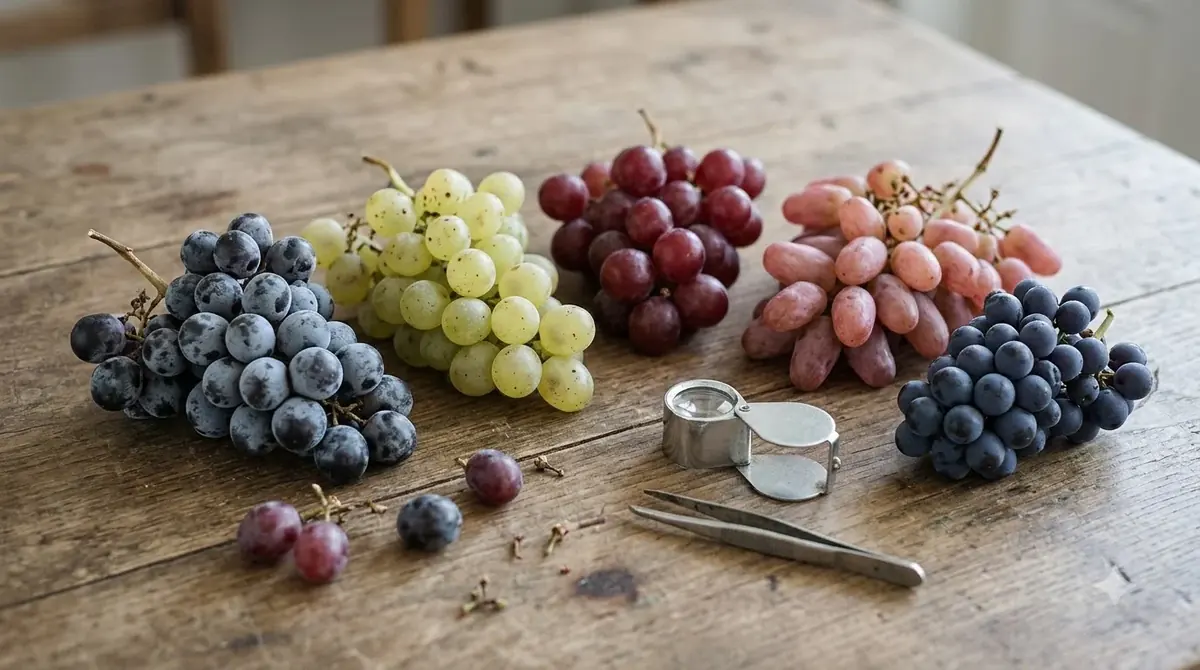
Colombard is grown in several wine countries, but it is most associated with California. According to Foundation Plant Services at UC Davis, the grape has been part of California’s certified vine material for decades, with several selections maintained for growers. The same database notes that the grape’s name was changed to Colombard in 2003 because it is more recognizable internationally.
Outside California, the grape is widely planted in South Africa, where it goes by the name Colombar. It is also grown to a lesser extent in Australia and Israel. In France, it remains important in Gascony and in parts of the southwest, and it still holds a place in Bordeaux regulations.
The grape is not limited to warm, famous regions. Extension guidance from the University of Maryland lists colombard among recommended wine grape varieties for the state, noting a mid to late ripening period and vigorous growth. That report also gives an estimated yield range in tons per acre, which is a useful sign that growers value the grape for reliable production. You can read the full table in the University of Maryland Extension grape variety list.
Colombard in Blends and Brandy
Much of the colombard grape’s work happens behind the scenes. Its acidity makes it a dependable blending partner, and many inexpensive white blends use it to add freshness and structure. Producers rely on it to keep a wine lively when the other components are softer or more neutral.
Some northern California producers have also made colombard as a stand-alone wine. Reference sources note that old vine fruit can produce a fruity white with real character, and the wine can be made in dry or sweet versions. These single-varietal bottles are less common than blends, so you may need to look for them at specialty shops or the producer’s website.
Brandy is the grape’s other major role. In France, colombard was traditionally used for distilling into Cognac and Armagnac. Those spirits depend on base wines with high acidity and clean flavor, and colombard fits that job well. If you are curious about how the base wine becomes brandy, a general spirits reference is a good place to start.
For a broader look at blending partners, the Wine by Type section groups white grapes by style, which can help you see where colombard fits next to other everyday varieties.
Food Pairings and Serving Colombard
Colombard suits relaxed meals. Its acidity and fruit make it a good match for light, fresh dishes, and it can handle mild spice or salty snacks. Pairing it with food is easier than pairing a heavily oaked white, because the wine is generally straightforward.
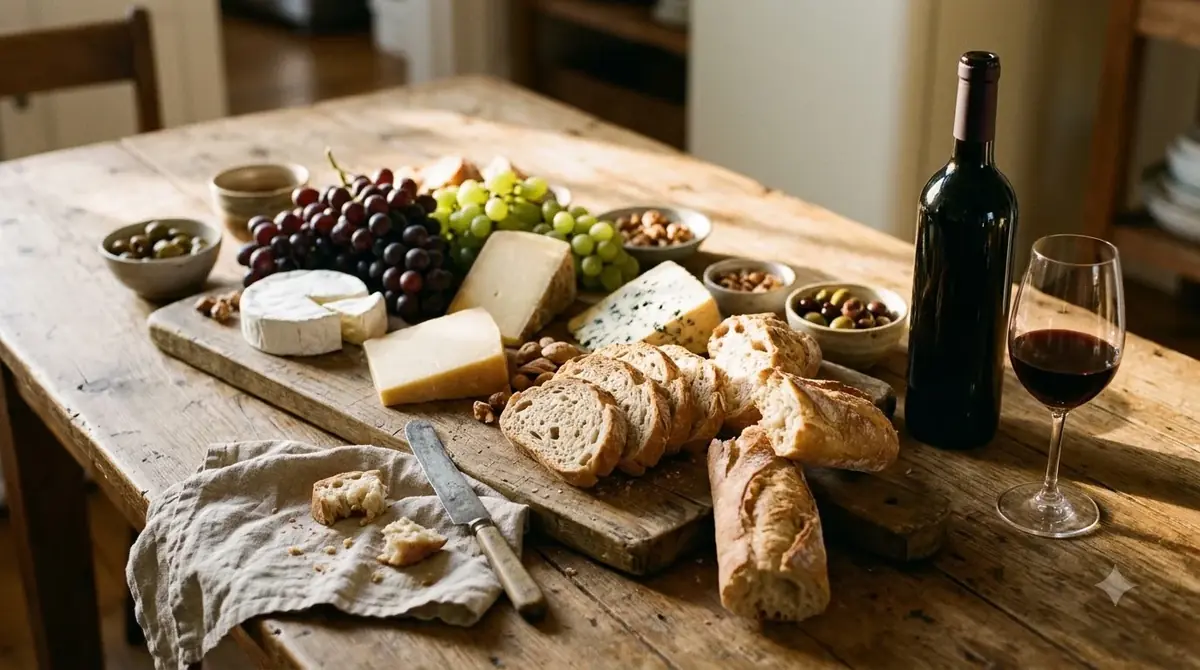
Good matches include grilled chicken, seafood, salads with citrus dressing, and mild cheeses. Tropical fruit flavors pair well with fish tacos or dishes that use a little fresh pineapple or mango. Salty appetizers, such as fried snacks and olives, also work because the acidity cleans the palate between bites.
For serving, chill the wine well before pouring. Cool white wine tastes crisper and shows its acidity in a pleasant way. Use a standard white wine glass, and check the label or the producer’s notes for suggested serving temperatures, since guidance varies by style.
Tip: Taste a dry and an off-dry colombard side by side before you commit to a case. The difference in sweetness will tell you which style suits your table.
How to Buy and Store Colombard Wine
When you shop, look for the grape name on the label or in the description. Many colombard wines are blends, so the back label or the producer’s website will tell you how much colombard is in the bottle. Read the style note, since dry and sweet versions can look similar on the shelf.
Colombard is generally meant for drinking young. Its appeal is freshness and fruit, which fade over time, so buy recent vintages and drink the bottle within a reasonable period after purchase. Check the vintage date and any storage advice printed on the label or the producer’s site.
Store unopened bottles in a cool, dark place away from heat and sunlight. Once opened, keep the wine refrigerated and recork it tightly. Drink it within a few days for the best flavor. Responsible drinking matters, so plan your bottles around how many glasses you actually plan to serve.
Colombard Compared With Similar White Grapes
Colombard is often compared with other white grapes sold in the same price range. The biggest difference is its combination of high acidity and tropical fruit, which sets it apart from grapes known for green apple or floral aromas. Knowing these differences helps you choose a bottle that matches your taste.
The Wikipedia list of top white grape varieties by acreage places colombard alongside catarratto and macabeo among the most planted whites. Those grapes are useful comparisons because they show how colombard fits into the broader white wine world. For a closer look at one of them, read the catarratto grape page, which covers an Italian variety with its own profile.
| Feature | Colombard | Typical alternative white |
|---|---|---|
| Main aroma | Guava and tropical fruit | Varies widely by grape |
| Acidity | High | Depends on the variety and region |
| Common role | Blends and brandy base | Often bottled as a single variety |
| Best for | Easy, fresh everyday drinking | Depends on the style you want |
If you want a red-wine contrast, the chianti grape page explains a very different style with firmer tannins. A comparison like that shows why colombard is considered a white for easy, bright drinking rather than structured, age-worthy wine.
Frequently Asked Questions
What is colombard grape wine like?
Colombard wine is usually fresh, fruity and high in acidity. Many bottles show guava or other tropical notes, and the body tends to be light. Some are dry, while others are made in a sweeter, off-dry style.
Is colombard the same as French Colombard?
Yes, French Colombard is a name used in North America for the same grape. Foundation Plant Services notes that the name was changed to Colombard because it is more recognizable internationally. Both names refer to the same white variety.
Where is colombard grown the most?
Colombard is mainly grown in California, and it is also widely planted in South Africa, where it is called Colombar. It appears in France, especially in Gascony, and in smaller amounts in Australia and Israel. Check the producer’s information for exact origin details.
What foods go well with colombard?
Colombard pairs well with light, fresh dishes such as grilled chicken, seafood and citrus salads. Its acidity also suits salty snacks and mild cheeses. Serve it well chilled to keep its crisp character.
The colombard grape is a practical white for everyday drinking, valued for its acidity, fruit and versatility in blends. Start with a dry bottle to learn its basic profile, then try an off-dry version to compare. For more background on white varieties, explore the Wine by Type section.
More in Wine Types & Grapes
 Zinfandel Sugar Content: Dry Red vs. White Zinfandel GramsUpdated Nov 21, 2026
 Best Zinfandel Substitute Options for Sipping and CookingUpdated Nov 21, 2026
 Zweigelt Food Pairing: Best Dishes, Cheeses, and Serving TipsUpdated Nov 21, 2026
 Zinfandel Tannins Explained: How Structure Shapes Every BottleUpdated Nov 21, 2026
 Zinfandel Sweetness Level: Dry Red vs. Sweet White Zin ExplainedUpdated Nov 21, 2026
 Xinomavro Food Pairing: Best Dishes, Styles, and Serving TipsUpdated Nov 21, 2026