

We may earn a commission when you buy through links on this page, at no extra cost to you. Learn more.
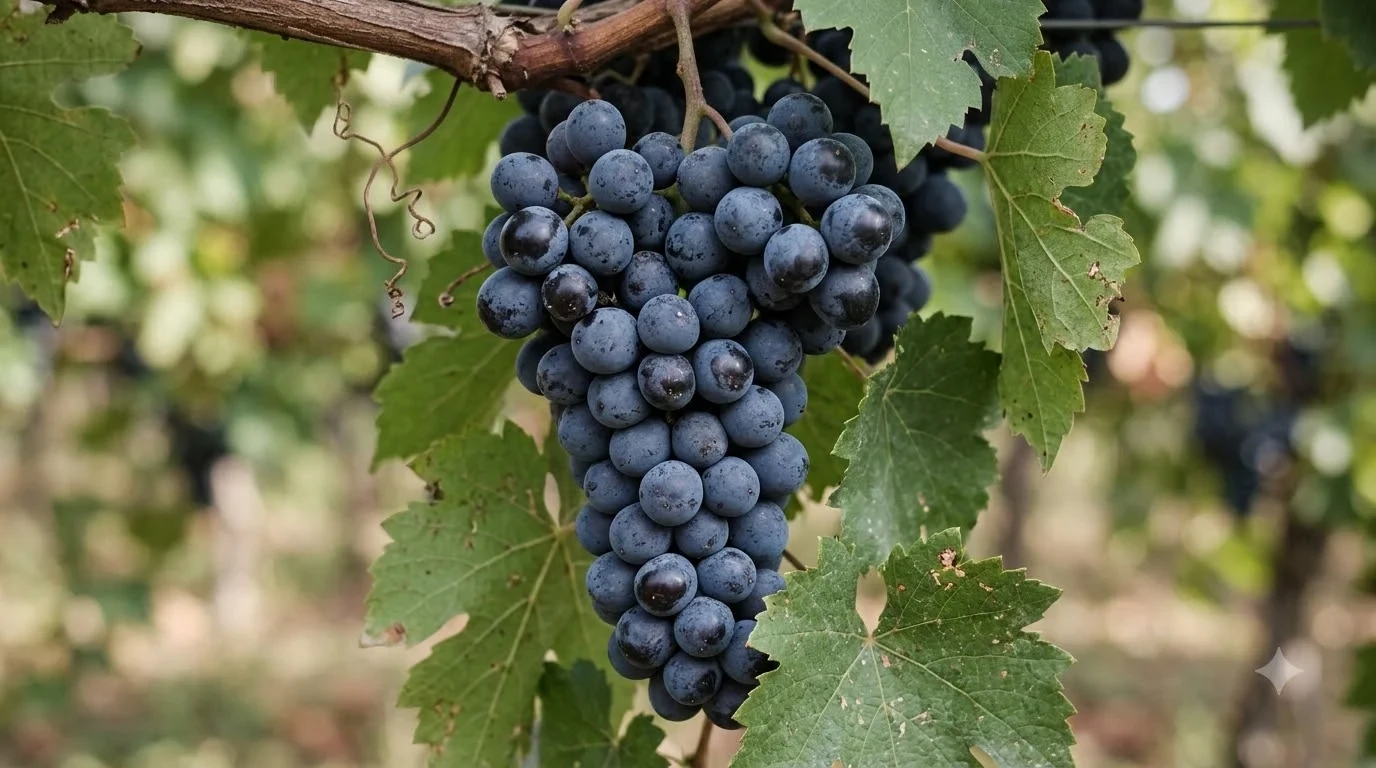
If you are wondering what is provence rose, it is a dry, pale-pink wine crafted in the sunny Mediterranean coastal region of southeastern France. Known for its crisp acidity, delicate berry and citrus aromas, and refreshing mineral finish, Provence rosé accounts for roughly 90 percent of the region’s total wine production. Winemakers typically blend red grapes like Grenache, Cinsault, Syrah, and Mourvèdre using brief skin contact to achieve its signature salmon or onion-skin hue.
Long before pink wine became a warm-weather staple on American patios, Greek settlers planted the first vines in Provence around 600 B.C., making it the oldest wine-producing region in France. Because early winemakers pressed grapes without extended skin maceration, those ancient wines were naturally pale pink. Today, that centuries-old regional specialty sets the global benchmark for dry, food-friendly rosé.
What Is Provence Rosé?
Provence rosé is a dry, light- to medium-bodied still wine produced under strict French appellation laws along the Mediterranean coast between Marseille and Nice. Unlike sweeter styles of pink wine found elsewhere, almost every bottle from this region is fermented completely dry, balancing bright orchard fruit with savory herbal and saline notes.
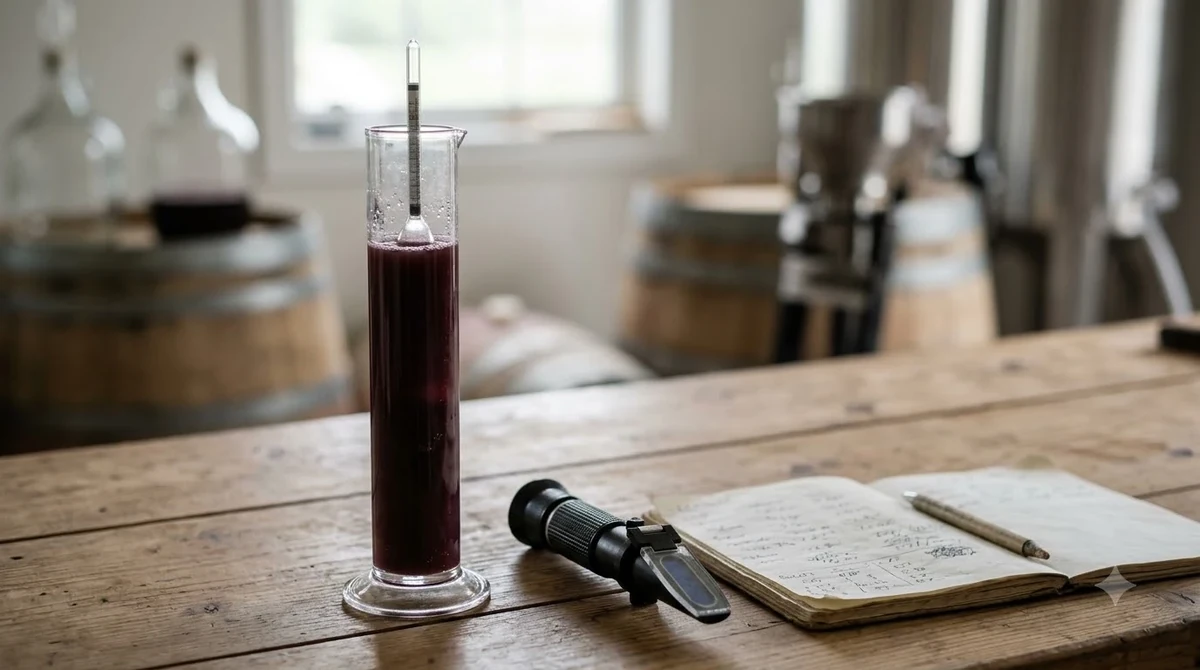
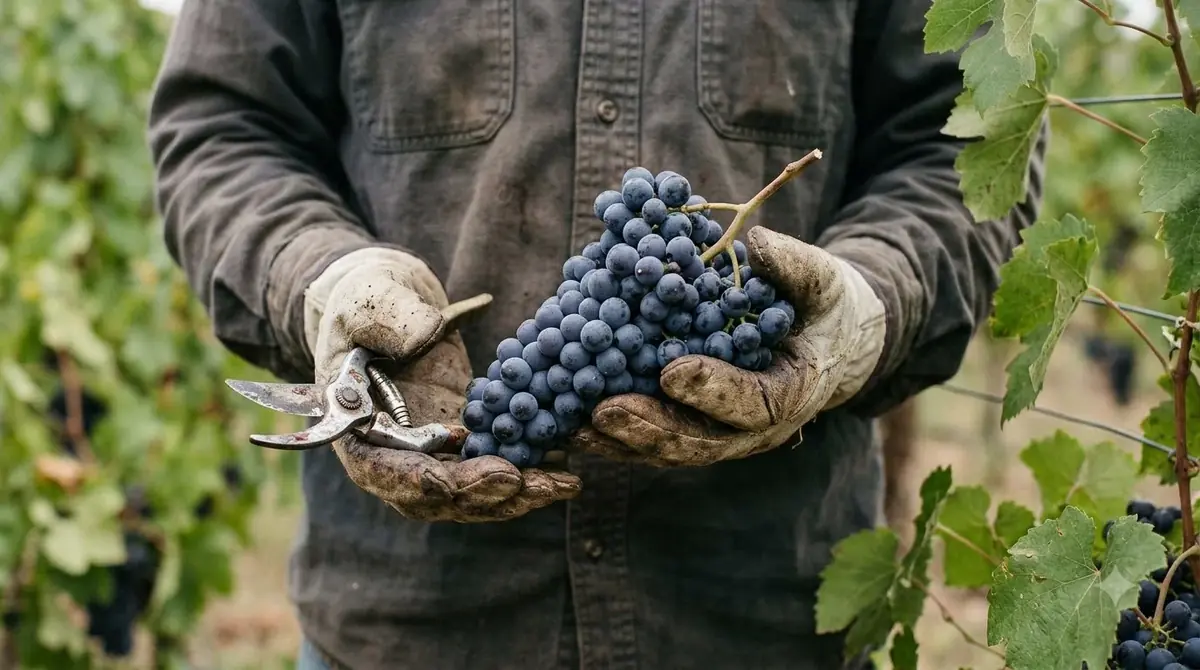
Color is the most recognizable visual cue of a classic Provençal bottle. Rather than deep magenta or ruby tones, these wines display translucent shades of pale pink, peach, melon, or onion skin. That delicate tint comes primarily from direct pressing, a technique in which winemakers harvest red grapes—often in the cool early morning hours—and press them gently right away so the clear juice absorbs only minimal pigment from the dark grape skins.
To prevent oxidation and lock in fresh aromatics, most cellars ferment the juice at cool temperatures in stainless steel tanks. Some producers also age their wines on fine lees—the spent yeast cells left after fermentation—or incorporate small proportions of white grapes like Rolle (known in Italy as Vermentino) to add texture and crisp acidity. Readers curious about whether rosé is sweet or dry will find that Provence sits firmly on the dry, crisp end of the spectrum.
Flavor Profile and Winemaking Styles
In the glass, Provence rosé leads with subtle aromatics rather than heavy fruitiness, offering notes of wild strawberry, white peach, watermelon, pink grapefruit, and crushed herbs. On the palate, it feels brisk, clean, and mouthwatering, finishing with a stony or subtly salty minerality shaped by limestone soils and coastal sea breezes.
While the region is famous for easy-drinking, stainless-steel bottlings meant to be enjoyed young, Provence encompasses several distinct stylistic tiers. Entry-level and everyday cuvées prioritize immediate freshness, zesty citrus, and light floral lift. Higher-altitude vineyards and coastal microclimates, by contrast, yield structured wines with deeper mid-palate weight and age-worthy complexity.
A smaller tier of prestige bottlings undergoes fermentation or aging in oak barrels or concrete eggs. According to Wine Folly, these richer expressions develop creamy notes of brioche, toasted almond, and spice alongside bright acidity, allowing them to evolve gracefully for three to five years in the cellar.
Where Provence Rosé Grows
The Provence wine region stretches roughly 125 miles from the Rhône Delta east toward the foothills of the Alps, basking in nearly 3,000 hours of sunshine each year. Cooling Mediterranean breezes and the dry, powerful Mistral wind sweep through the vineyards, keeping grape clusters healthy and preserving natural acidity despite the warm southern latitude.
Roughly three-quarters of the region’s output comes from three major Appellations d’Origine Contrôlée (AOCs), alongside smaller boutique appellations like Bandol, Cassis, Palette, and Bellet. Each major zone brings subtle differences in elevation, soil composition, and grape proportions to the glass.
| Appellation (AOC) | Geography & Climate | Signature Rosé Style |
|---|---|---|
| Côtes de Provence | Largest appellation; spans coastal hills, limestone ridges, and crystalline massifs | Wide range from crisp, floral coastal wines to structured, mineral-driven sub-zone bottlings |
| Coteaux d’Aix-en-Provence | Western Provence around Aix; sun-drenched slopes cooled by the Mistral wind | Aromatic and fruit-forward with bright red berry, citrus, and herbal notes |
| Coteaux Varois en Provence | Inland limestone heartland at higher elevations with cooler nights | Zesty, structured, and focused with pronounced acidity and stony minerality |
| Bandol | Coastal amphitheater near Toulon with terraced limestone and marl soils | Full-bodied and structured, anchored by Mourvèdre with spice, earth, and aging potential |
Within Côtes de Provence itself, four recognized geographical designations—Sainte-Victoire, La Londe, Fréjus, and Pierrefeu—are permitted on bottle labels to highlight specific vineyard terroirs. Meanwhile, coastal Bandol produces deeper, more structured rosés built around late-ripening Mourvèdre grapes that can stand up to hearty meals and bottle aging.
Key Grapes Behind the Blend
Unlike single-varietal wines such as Pinot Noir or Sauvignon Blanc, Provence rosé is almost always a carefully composed blend of Mediterranean red grapes, occasionally accented by white varieties. Blending allows winemakers to balance fruit aroma, body, color, and crisp acidity from vintage to vintage.
Grenache typically forms the backbone of the blend, contributing generous red berry fruit, soft roundness, and subtle spice. Cinsault adds floral perfume, delicacy, and refreshing brightness, while Syrah brings structure, deeper color potential, and hints of raspberry or pepper. Mourvèdre thrives in warmer coastal pockets, lending savory complexity, herbal depth, and structure.
Local heritage varieties also play important supporting roles. Tibouren, an ancient grape indigenous to coastal Provence, imparts distinctive notes of blood orange, wild herbs, and saline minerality. On the white grape side, Rolle (Vermentino) is frequently co-fermented or blended in small percentages to sharpen acidity and enhance stone-fruit aromatics.
How to Serve Provence Rosé
Provence rosé shines brightest when served well chilled, ideally between 45°F and 50°F (7°C to 10°C). Serving it too warm dulls its crisp acidity and makes alcohol feel prominent, while serving it ice-cold straight from a freezer mutes its delicate floral and stone-fruit aromatics.
A standard refrigerator usually sits around 37°F to 40°F, so chilling a bottle for two to three hours before opening—or pulling it out of the fridge 15 minutes prior to pouring—hits the sweet spot. According to the regional council Vins de Provence, resting an opened bottle in an ice bucket filled with equal parts ice and cold water keeps the temperature steady without diluting the wine with ice cubes in the glass.
Tip: Pour Provence rosé into a standard tulip-shaped white wine glass rather than a wide bowl; the narrower rim concentrates subtle berry and citrus aromas while keeping the wine cooler longer.
For more details on glassware, chilling shortcuts, and storage after opening, explore our full guide on how to serve rosé.
Food Pairing Ideas
Thanks to its brisk acidity, dry finish, and gentle tannic grip, Provence rosé bridges the gap between crisp white wines and light reds at the dinner table. It pairs naturally with the sun-drenched ingredients of its native Mediterranean coast, including olive oil, garlic, fresh tomatoes, basil, and grilled seafood.
Classic regional matches include bouillabaisse, ratatouille, niçoise salad, pissaladière (caramelized onion and anchovy tart), and bowls of briny black olive tapenade. Because the wine lacks heavy oak tannins, it will not clash with delicate fish, shellfish, or salty goat cheese.
Beyond French cuisine, Provence rosé handles dishes that often overwhelm heavier reds or oaky whites. Its bright citrus snap cuts cleanly through rich charcuterie, fried calamari, and herb-roasted chicken, while its subtle fruitiness cools the heat of mildly spiced Thai curries, Vietnamese spring rolls, and grilled summer vegetables. You can find dozens of seasonal menu matches in our Provence rosé food pairing guide.
How to Choose a Quality Bottle
Checking the vintage date on the front or back label is the single most reliable step when shopping for Provence rosé. Because most styles are crafted for vibrant primary fruit and brisk freshness, look for the most recent harvest year available—especially during spring and summer. Only structured appellations like Bandol or oak-aged cuvées benefit from two to five years of bottle age.
Next, scan the label for official appellation indicators such as Appellation d’Origine Contrôlée (AOC) or Appellation d’Origine Protégée (AOP) paired with a specific Provençal region like Côtes de Provence or Coteaux d’Aix-en-Provence. These designations guarantee that the grapes were grown, harvested, and vinified within regional rules rather than blended from bulk wine elsewhere.
Finally, avoid judging quality by pale color alone. While translucent salmon pink is traditional, deeper coral or copper hues often signal higher proportions of Mourvèdre or Tibouren, offering richer flavor and greater versatility with food. To compare Provence against other global wine styles, browse our overview of Wine by Type.
Frequently Asked Questions
Is Provence rosé always dry?
Nearly all Provence rosé is fermented completely dry, typically containing less than two grams of residual sugar per liter. Even though aromas of ripe strawberry, peach, and melon can create an impression of fruitiness, the finish is crisp, clean, and free of sweetness.
Why is Provence rosé so pale in color?
Winemakers achieve that signature pale pink or onion-skin color through direct pressing, pressing red grapes immediately after harvest so the juice stays in contact with the dark skins for only a few hours. Varieties like Grenache and Cinsault also naturally carry less pigment in their skins than grapes such as Cabernet Sauvignon or Syrah.
How long does Provence rosé stay fresh once opened?
An opened bottle of Provence rosé will remain fresh and aromatic for two to three days when tightly recorked and stored upright in the refrigerator. After three days, oxygen gradually dulls its crisp citrus and berry notes, though the wine remains fine for cooking.
Can you drink Provence rosé year-round?
Yes—while warm weather makes it an effortless patio aperitif, its brisk acidity and savory herbal character pair just as well with autumn roast poultry, holiday charcuterie boards, and winter seafood stews. More structured bottlings from Bandol or oak-aged cuvées are particularly suited to cooler-weather meals.
Understanding Provence rosé opens the door to one of France’s most historic and versatile wine traditions. Whether poured chilled on a warm afternoon or served alongside Mediterranean seafood and herb-roasted dishes, a dry Provençal bottle brings effortless balance to almost any table.
More in Wine Types & Grapes
 Zinfandel Sugar Content: Dry Red vs. White Zinfandel GramsUpdated Nov 21, 2026
 Best Zinfandel Substitute Options for Sipping and CookingUpdated Nov 21, 2026
 Zweigelt Food Pairing: Best Dishes, Cheeses, and Serving TipsUpdated Nov 21, 2026
 Zinfandel Tannins Explained: How Structure Shapes Every BottleUpdated Nov 21, 2026
 Zinfandel Sweetness Level: Dry Red vs. Sweet White Zin ExplainedUpdated Nov 21, 2026
 Xinomavro Food Pairing: Best Dishes, Styles, and Serving TipsUpdated Nov 21, 2026