

We may earn a commission when you buy through links on this page, at no extra cost to you. Learn more.
Provence rose food pairing works best with Mediterranean seafood, fresh salads, grilled vegetables, charcuterie, and tangy soft cheeses because the wine pairs bright acidity with a bone-dry, mineral finish. Made primarily from Grenache, Cinsault, Syrah, and Mourvedre, pink wines from southern France carry enough structure to cut through olive oil, garlic, and rich sauces without overwhelming delicate ingredients. Unlike sweeter blush wines, authentic Provençal bottlings finish crisp and savory, allowing them to bridge everything from raw shellfish to herb-roasted poultry across a full meal.
Many wine drinkers still treat pale pink wine as a warm-weather aperitif meant only for casual sipping before dinner. In southern France, however, dry rosé sits at the center of the dining table year-round, built specifically to complement the bright herbs, sea salt, and sun-ripened produce of the Mediterranean coast.
What Is Provence Rosé?
Provence rosé is a dry, pale-pink wine produced in southeastern France along the Mediterranean coast, defined by crisp acidity, subtle red-fruit notes, and a distinctly stony, saline finish. Winemakers craft these bottles by limiting skin contact with red grapes—sometimes pressing the fruit immediately after harvest—so the juice takes on a delicate onion-skin or salmon hue while retaining bright freshness.
Rather than relying on a single grape, producers blend several regional varieties to balance aroma, body, and acidity. Grenache brings ripe strawberry and stone-fruit weight, while Cinsault adds floral lift and refreshing lightness. Syrah and Mourvedre contribute color, spice, and savory backbone, and a small proportion of Rolle—known elsewhere as Vermentino—often enters the blend to sharpen the citrus and herbal edge.
Because the grapes spend very little time macerating on their skins, Provence rosé contains almost no harsh tannins. That structural profile makes it far more flexible at the table than red wine, which can clash with salty seafood or spicy dishes, while offering more mid-palate texture and red-berry character than many crisp white wines.
Flavor Profile and Regional Styles
Most Provence rosés show aromas of wild strawberry, white peach, watermelon, pink grapefruit, and dried garrigue herbs such as thyme and rosemary. On the palate, they feel brisk and mouthwatering, finishing dry with a faint crushed-stone or sea-spray impression rather than lingering sweetness.
Not every bottle from the region carries the exact same weight or intensity, and sub-regional differences matter when planning a menu. According to Wine Folly’s guide to Provence rosé, the region encompasses distinct appellations that shape how full or delicate a bottling tastes in the glass. Côtes de Provence, the largest appellation, produces classic, vibrant, and approachable blends with lively citrus and melon notes.
Coteaux d’Aix-en-Provence, located farther west toward the Rhône Valley, often leans slightly more herbal and structured, making it especially strong alongside roasted vegetables and grilled meats. Meanwhile, coastal Bandol produces age-worthy, deeply savory rosés anchored by a high percentage of Mourvedre, giving the wine enough grip and richness to stand up to hearty stews and spiced dishes. If you enjoy fuller-bodied pink wines with red-berry depth, exploring pinot noir rose food pairing offers a helpful point of comparison.
Seafood and Shellfish Pairings
Fresh seafood is the natural home for Provence rosé because the wine’s brisk acidity and saline minerality mirror ocean brine without leaving a metallic aftertaste. Red wines often clash with fish oils and shellfish due to their tannins, whereas a dry pink wine refreshes the palate after every bite.
Raw and lightly cooked shellfish shine alongside the lightest, most citrus-driven styles from Côtes de Provence. Freshly shucked oysters, chilled shrimp cocktail, crab cakes, and steamed mussels with garlic and white wine all benefit from the wine’s clean finish. When serving lobster or scallops drizzled with drawn butter or olive oil, the wine’s natural acidity cuts straight through the richness so the sweet shellfish meat stays in focus.
Heartier fish preparations call for a slightly fuller rosé with more Syrah or Mourvedre in the blend. Grilled sea bass, seared tuna steaks, and herb-crusted salmon pair effortlessly with structured Provençal bottles. Traditional bouillabaisse—a rich fish stew seasoned with saffron, fennel, garlic, and orange peel—remains one of the region’s benchmark matches, as the wine handles both the broth’s aromatic spice and its savory rouille garnish.
Mediterranean Vegetables, Salads, and Cheese
Tomatoes, garlic, olives, and fresh herbs are notoriously tricky to match with wine, yet Provence rosé handles them with ease because its flavor profile grew up alongside those exact ingredients. High-acid dishes like vinaigrette-dressed greens or fresh heirloom tomatoes can make oaked whites taste flat, while dry rosé matches their brightness stride for stride.
Classic regional dishes provide the clearest blueprint for vegetable-driven meals. Salade Niçoise—combining crisp green beans, boiled potatoes, olives, anchovies, hard-boiled eggs, and seared tuna—pulls together salty, savory, and acidic elements that a single bottle of Provence rosé ties together smoothly. Ratatouille, simmered with eggplant, zucchini, bell peppers, tomatoes, and thyme, echoes the wine’s own herbal undertones.
Artisanal cheeses also thrive next to a chilled glass of dry pink wine, particularly fresh and tangy varieties. Chèvre (fresh goat cheese) matches the wine’s citrus snap, while salty feta creates a lively sweet-and-savory contrast against subtle berry notes. Creamy burrata served with crusty bread, olive oil, and sea salt relies on the wine’s crisp finish to cleanse the palate between rich bites.
Meat, Poultry, and Global Dishes
Provence rosé extends well beyond salads and seafood, holding its own with poultry, pork, charcuterie, and a wide range of international cuisines. As reviewers at Decanter note in their guide to pairing rosé with food, dry pink wines offer far more versatility at the dinner table than many diners realize, easily matching roast chicken, pink lamb, and cured meats.
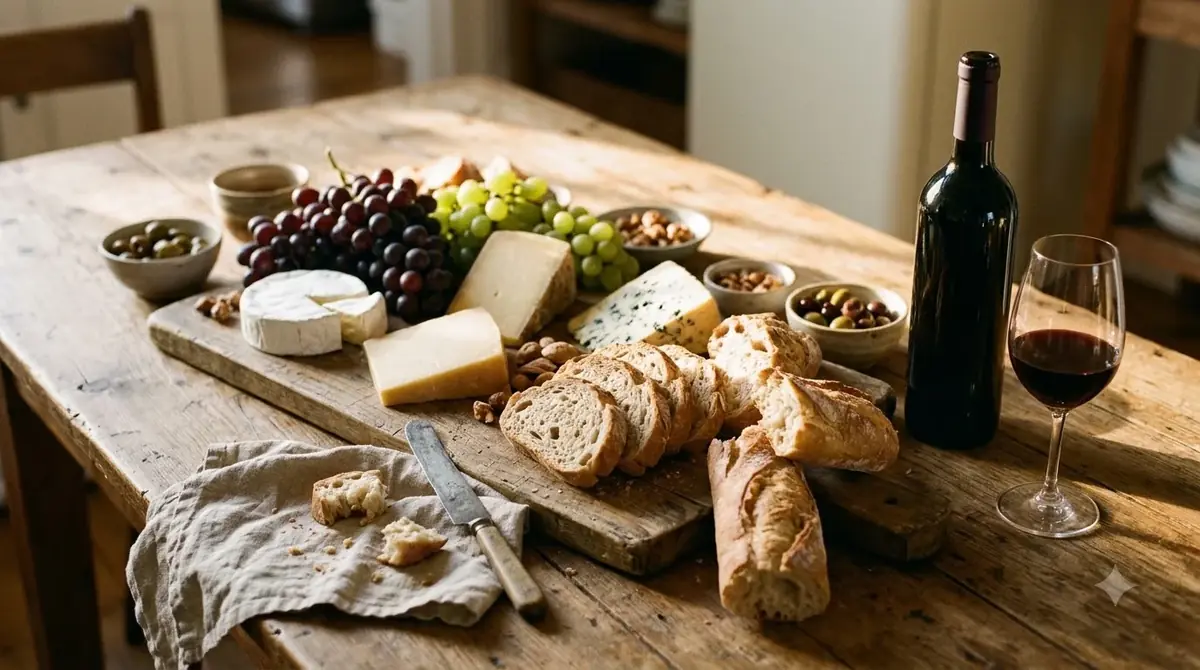
Herb-roasted chicken with lemon and rosemary, grilled pork tenderloin, and prosciutto-wrapped melon all highlight the savory side of Provençal blends. On a charcuterie board, the wine’s lively acidity balances the salt and fat of dry-cured salami, pâté, and country ham without overpowering delicate flavors. For celebratory spreads or fried appetizers, sparkling rose food pairing brings extra effervescence to the same salty, savory ingredients.
Global dishes featuring moderate spice, aromatic herbs, and bright citrus also work remarkably well. Vietnamese summer rolls with peanut or nuoc cham dipping sauce, Moroccan vegetable tagines, grilled chicken shawarma, and mild Indian curries benefit from a wine that cools the palate without clashing with warm spices. Because Provence rosé lacks heavy oak and astringent tannins, chili heat never turns bitter or metallic.
| Dish Category | Best Dishes to Pair | Recommended Provence Style | Why the Pairing Works |
|---|---|---|---|
| Raw & Light Seafood | Oysters, shrimp cocktail, crab salad, ceviche | Pale, citrus-driven Côtes de Provence | Saline minerality mirrors ocean brine while high acidity keeps flavors crisp |
| Rich & Grilled Fish | Grilled salmon, seared tuna, bouillabaisse | Structured Côtes de Provence or Bandol | Medium body and savory herb notes stand up to char, saffron, and fish oils |
| Salads & Vegetables | Salade Niçoise, ratatouille, grilled zucchini | Herbal Coteaux d’Aix-en-Provence | Bright acidity matches vinaigrettes and tomatoes while herbal notes align |
| Cheese & Charcuterie | Fresh goat cheese, feta, burrata, prosciutto | Classic Grenache-Cinsault blend | Crisp finish cuts creamy fats and balances cured saltiness |
| Poultry & Light Meats | Herb-roasted chicken, pork tenderloin, pink lamb | Mourvedre- or Syrah-forward rosé | Red-berry fruit and subtle spice complement browned meats without heavy tannins |
| Global Spiced Dishes | Vietnamese spring rolls, mild curry, tagine | Fruit-forward, unoaked Provence rosé | Low tannin prevents chili bitterness while refreshing the palate |
How to Serve Provence Rosé for the Best Pairing
Proper serving temperature makes the difference between a muted, overly cold glass and an expressive wine that opens up alongside food. Serve Provence rosé chilled between 45°F and 50°F (7°C to 10°C)—roughly the temperature achieved after two to three hours in a standard kitchen refrigerator, followed by ten minutes on the counter before pouring.
Serving the wine straight from an ice-cold freezer dulls its delicate strawberry, citrus, and herbal aromatics, leaving only sharp acidity on the tongue. Conversely, allowing the bottle to warm above 55°F (13°C) flattens its crispness and makes the alcohol feel noticeably heavier, especially next to delicate seafood or fresh salads.
Pour the wine into a standard stemmed white wine glass with a medium-sized tulip bowl rather than a tiny cordial glass or stemless tumbler. Holding the glass by the stem prevents your hand from warming the wine, while the tapered rim concentrates subtle floral and mineral aromas toward your nose. Decanting is rarely necessary for young bottlings, though an older, structured Bandol rosé can benefit from fifteen minutes of air in the glass.
Tip: Keep a chilled bottle in an ice bucket filled with half ice and half cold water rather than ice alone—the water conducts cold evenly around the glass without freezing the wine.
How to Choose a Bottle for Your Menu
Reading the back label and checking the vintage date are the two most reliable ways to match a bottle of Provence rosé to your dinner plans. Most bottles from the region are crafted for immediate freshness, so look for the most recent harvest year on the shelf when you want snappy citrus and bright berry notes for salads, shellfish, and goat cheese.
If your menu features richer dishes like grilled lamb, saffron seafood stew, or roasted root vegetables, look for cuvées that list higher proportions of Mourvedre or Syrah, or seek out appellations such as Bandol and Côtes de Provence Sainte-Victoire. These bottlings spend slightly longer on their lees or hail from higher-elevation limestone vineyards, giving them extra mid-palate weight and textural grip. You can also explore Wine by Type to see how dry rosés compare in body and acidity with crisp whites and light reds, or check out rose champagne food pairing when planning multi-course holiday dinners.
Color alone should never be your sole buying guide. While a pale blush shade is the visual signature of Provence, slightly deeper salmon or coral hues simply reflect grape selection and pressing techniques rather than sweetness, as nearly all AOC Provence rosés are fermented completely dry.
Frequently Asked Questions
Is Provence rosé sweet or dry?
Authentic Provence rosé is fermented bone-dry, meaning virtually all natural grape sugars are converted into alcohol during fermentation. Although ripe aromas of wild strawberry, peach, and melon can give an initial impression of fruitiness on the nose, the wine finishes crisp, savory, and completely free of residual sweetness.
What foods should you avoid pairing with Provence rosé?
Very heavy, intensely tannic dishes like heavily marbled ribeye steaks in dark reduction sauces can overpower Provence rosé, making the wine taste thin by comparison. Extremely sweet desserts—such as chocolate cake or caramel tarts—will also make a dry rosé taste overly tart and austere, so save dry pink wines for savory courses or lightly sweetened fresh fruit.
Can you drink Provence rosé in fall and winter?
Yes, structured Provence rosés work wonderfully during cooler months alongside roast poultry, pork loin, mushroom risotto, and holiday charcuterie spreads. Fuller-bodied styles from Bandol or Coteaux d’Aix-en-Provence have enough savory herb character and mid-palate texture to bridge the gap between white and red wines at autumn and winter tables.
How long does an opened bottle of Provence rosé last?
Once opened, resealed with its original cork or a wine stopper, and stored upright in the refrigerator, a bottle of Provence rosé stays fresh for three to four days. Because young rosés rely on delicate fruit and floral aromas rather than heavy tannins, their brightest flavors fade faster than those of full-bodied red wines.
Whether you are setting out a quick platter of goat cheese and olives or plating grilled Mediterranean sea bass, Provence rosé brings reliable balance to the table. By matching lighter, citrus-led bottles with raw shellfish and saving fuller, Mourvedre-driven blends for grilled meats and stews, you can pair a single regional style with almost any meal of the year.
More in Wine Types & Grapes
 What Does Mourvèdre Taste Like? Flavor Profile, Regions, and PairingsUpdated Nov 20, 2026
 What Does Marsanne Taste Like? Flavors, Styles, and Food PairingsUpdated Nov 20, 2026
 What Does Malvasia Taste Like? Styles, Flavors, and Food PairingsUpdated Nov 20, 2026
 What Does Grenache Blanc Taste Like? Flavor Profile, Styles, and PairingsUpdated Nov 20, 2026
 What Does Garnacha Taste Like? Key Flavors, Styles, and Pairing TipsUpdated Nov 20, 2026
 What Does Fruit Wine Taste Like? A Complete Flavor and Style BreakdownUpdated Nov 20, 2026