

We may earn a commission when you buy through links on this page, at no extra cost to you. Learn more.
If you are wondering what does garnacha taste like, expect ripe red berries—especially stewed strawberry and raspberry—layered with white pepper, cinnamon, dried Mediterranean herbs, and a hint of citrus peel. Known internationally as Grenache, this thin-skinned red grape produces dry wines with a medium-to-full body, soft tannins, moderate acidity, and a noticeably warm finish driven by higher alcohol levels.
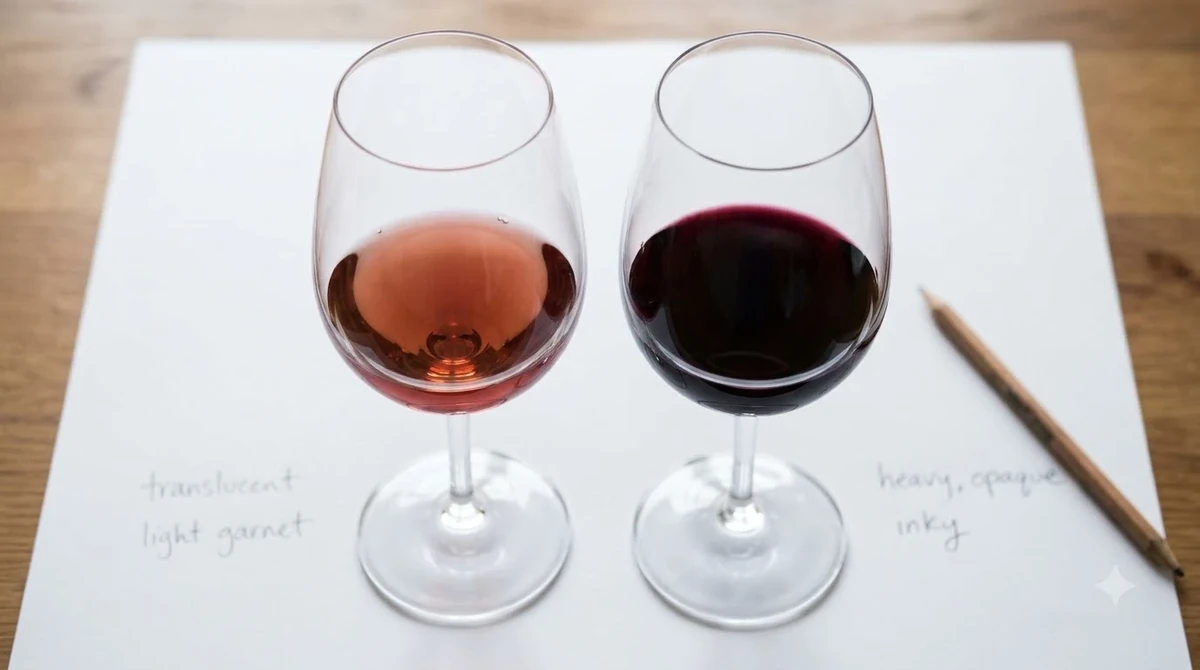
While its translucent ruby color can fool newcomers into expecting a light, delicate wine, Garnacha packs generous flavor and warmth into every glass. Understanding how climate, vine age, and winemaking shape those flavors makes it much easier to pick a bottle you will enjoy at the dinner table.
What Is Garnacha?
Garnacha is the original Spanish name for Grenache, one of the most widely planted red wine grapes on the planet and a cornerstone of Mediterranean winemaking. Originating in northeastern Spain before spreading across southern France, Italy, Australia, and California, the grape is prized for its ability to thrive in hot, dry, windswept vineyards.
Because the grape develops thin skins and ripens late in the growing season, it accumulates high levels of natural sugar while keeping astringent tannins relatively low. During fermentation, those sugars convert into alcohol, which regularly reaches between 13.5% and 16% ABV. That combination gives Garnacha its signature sensory contrast: a pale-to-medium garnet hue in the glass paired with a plush, weighty texture on the palate.
In addition to single-varietal dry reds, Garnacha plays a starring role in classic blends. In Spain, winemakers frequently pair it with Tempranillo to add fruit and body to Rioja wines, while in France’s Southern Rhône Valley it forms the backbone of GSM blends alongside Syrah and Mourvèdre. The grape is also widely used to craft crisp, dry rosés and fortified sweet wines like Banyuls and Maury.
Flavor Profile and Styles
Garnacha leads with sweet-tart red fruit on the nose and palate, supported by savory spice and herbal undertones rather than heavy oak or aggressive grip. Depending on where the vines are planted and how the wine is aged, expressions range from bright and juicy to dense and mineral-driven.
Reviewers at Wine Folly note that an unmistakable candied strawberry and cinnamon profile often helps blind tasters identify the grape immediately. Alongside stewed strawberry, fresh raspberry, and tart red cherry, you will frequently notice aromas of blood orange rind, ruby-red grapefruit, and a distinct pinch of white pepper. When grown in rocky, sun-baked soils, the wine picks up earthy notes of dried oregano, thyme, lavender, leather, and tobacco.
Young, unoaked Garnacha highlights pure berry juiciness and floral lift, making it feel lively and effortless to drink. By contrast, bottles made from low-yielding old bush vines or aged in oak barrels take on darker fruit tones—such as grilled plum, blackberry, and black cherry—along with hints of anise, cocoa, and toast. If you enjoy fruit-forward reds with supple texture, comparing Garnacha with what Corvina tastes like in northern Italy highlights how different grapes balance cherry fruit and spice.
Beyond dry red table wines, Garnacha excels as a rosé—known in Spain as rosado—where early harvesting preserves vibrant acidity and flavors of crushed watermelon, strawberry, and citrus zest. At the opposite end of the spectrum, winemakers in southern France fortify ripe Grenache with grape spirit to produce vin doux naturel, a rich dessert style brimming with fig, candied orange, and dark chocolate notes.
Where Garnacha Grows Best
Terroir dramatically shifts Garnacha’s balance between bright red fruit, savory herbs, and alcohol warmth. Comparing the major producing regions reveals how climate and altitude reshape the exact same grape variety.
| Region | Local Name | Key Tasting Notes | Body and Structure |
|---|---|---|---|
| Aragón & Central Spain (Campo de Borja, Calatayud, Gredos) | Garnacha | Ripe cherry, raspberry, licorice, ruby grapefruit, wild herbs | Medium-full to full body; high alcohol, supple tannins |
| Priorat, Spain | Garnatxa | Blackberry, grilled plum, anise, crushed slate, dark spice | Full-bodied, concentrated, firmer tannins and mineral tension |
| Southern Rhône, France (Châteauneuf-du-Pape, Gigondas) | Grenache | Red cherry, dried strawberry, lavender, oregano, white pepper | Medium-full body; savory herbal edge, balanced freshness |
| Sardinia, Italy | Cannonau | Stewed red berries, blood orange, dried thyme, leather | Medium-full body; rustic warmth and earthy finish |
| California & Washington, USA | Grenache | Fresh raspberry, red plum, hibiscus, anise, subtle spice | Medium to full body; fruit-forward with bright acidity |
| South Australia (Barossa & McLaren Vale) | Grenache | Blood plum, raspberry jam, cinnamon, white pepper, cocoa | Medium-full body; plush fruit with modern elegance |
In its ancestral homeland of northeastern Spain, regions like Campo de Borja, Calatayud, and Cariñena preserve ancient, head-trained bush vines that yield concentrated, peppery reds. Further west in the high-altitude granite mountains of Sierra de Gredos near Madrid, cooler nights produce paler, more aromatic Garnacha with brisk acidity and floral nuance, whereas coastal Priorat yields powerful, slate-inflected wines built for long aging.
Across the border in France’s Southern Rhône Valley, slightly cooler conditions and stony soils give Grenache a more savory, herbal personality marked by garrigue—the wild thyme, rosemary, and lavender of the Mediterranean scrubland. Meanwhile, Wine Enthusiast notes that West Coast American winemakers in California and Washington often blend small amounts of Syrah into their Grenache to deepen its color, add tannic structure, and complement its bright berry aromatics.
How to Serve Garnacha
Serving Garnacha slightly cooler than standard room temperature keeps its higher alcohol in check and prevents the ripe fruit from tasting heavy or jammy. A brief chill sharpens its natural acidity and brings out subtle citrus and floral notes.
Aim to serve red Garnacha between 55°F and 60°F (13°C to 16°C), which is roughly the temperature after 20 to 30 minutes in a standard refrigerator. At this range, the wine feels refreshing on entry while still delivering a warm, spicy finish. If you are pouring a Garnacha rosado, chill it further to between 45°F and 50°F (7°C to 10°C) so its crisp berry and watermelon flavors stay snappy.
Young, fruit-driven bottles need little more than a quick swirl in a large-bowled red wine glass—such as a Burgundy or universal stemmed glass—to release their strawberry and white pepper aromas. Older, oak-aged, or high-altitude single-vineyard bottles benefit from 30 to 45 minutes in a decanter to soften their edges and let secondary notes of leather and dried herbs emerge.
Tip: If a bottle of Garnacha tastes noticeably hot or alcoholic on the first sip, place it in an ice bucket for ten minutes to drop the temperature into the upper 50s—the fruit will immediately taste fresher and more balanced.
Food Pairing Ideas
Garnacha’s moderate tannins and sweet-spiced fruit profile make it one of the most adaptable red wines at the dinner table. Because it lacks the harsh astringency of thicker-skinned reds, it pairs comfortably with rich fats, smoky char, and warm culinary spices.
Grilled and roasted meats are natural partners. Herb-crusted rack of lamb, grilled pork chops, smoky sausages, and slow-roasted chicken echo the wine’s savory thyme and white pepper notes while matching its medium-full weight. Traditional Spanish dishes—including saffron-infused paella, chorizo tapas, cured Iberian ham, and roasted red peppers—bring out the grape’s regional affinity for paprika, garlic, and olive oil.
Garnacha also shines alongside spiced dishes where heavily tannic reds can taste bitter. Cumin-rubbed roasted vegetables, Moroccan lamb tagine with cinnamon, and five-spice pork belly harmonize with the wine’s natural baking-spice character. For lighter warm-weather meals or guests who prefer white wines, you can explore the broader spectrum of Wine by Type or see how high-acid whites compare by reading about what Chenin Blanc tastes like.
How to Choose a Bottle
Because Garnacha rarely advertises its exact style on the front label, checking a few key details on the bottle helps you predict whether it will taste light and vibrant or rich and full-bodied.
First, look at the alcohol by volume (ABV) printed in small type on the label. Bottles sitting between 13.5% and 14.5% ABV typically come from cooler or higher-elevation vineyards and offer fresher acidity, lighter body, and brighter raspberry notes. Bottles at 15% ABV or higher usually signal warmer climates, riper harvest dates, and a fuller, richer mouthfeel packed with stewed plum and sweet spice.
Second, check the region and wording on the label for clues about oak aging and vine age. Words like Viñas Viejas (old vines) or Vieilles Vignes indicate older, lower-yielding plants that produce deeper concentration and more complex earthy flavors. If you want an unoaked, juicy everyday red, look for young bottlings from Navarra, Calatayud, or Côtes du Rhône labeled without extended barrel designations, whereas Priorat or Châteauneuf-du-Pape will deliver greater structure and aging potential.
Frequently Asked Questions
Is Garnacha a sweet or dry wine?
Standard red and rosé Garnacha wines are completely dry, meaning yeast ferments virtually all of the grape’s natural sugars into alcohol. However, its ripe strawberry and cinnamon flavors combined with warm alcohol can create a subtle impression of sweetness on the mid-palate. Only specially fortified versions, such as French Banyuls or Spanish Garnacha Dulce, are actually sweet.
Are Garnacha and Grenache the exact same grape?
Yes, Garnacha and Grenache are two names for the identical red grape variety. It is called Garnacha (or Garnatxa in Catalonia) in its native Spain, Grenache in France, Australia, and the United States, and Cannonau on the Italian island of Sardinia. While regional climates shape the final taste, the underlying grape genetics are the same.
How does Garnacha compare to Pinot Noir?
Both grapes share a translucent ruby color, low-to-moderate tannins, and prominent red berry aromas, making Garnacha a natural next step for Pinot Noir fans. However, Garnacha grows in much warmer climates, resulting in higher alcohol, fuller body, lower acidity, and spicier notes of white pepper and cinnamon rather than Pinot Noir’s tart cranberry and forest-floor profile.
Does Garnacha need to be aged before drinking?
Most everyday Garnacha and Côtes du Rhône bottlings are crafted to be enjoyed young—within two to five years of the vintage—while their fresh raspberry and floral aromatics are at their peak. Structured old-vine expressions from Priorat, Châteauneuf-du-Pape, or top single vineyards can age gracefully for eight to fifteen years, developing savory notes of leather, dried fig, and earth.
From breezy Mediterranean rosados to powerful old-vine reds, Garnacha rewards curious drinkers with generous red fruit, warming spice, and effortless versatility at the table. Whether you are pairing a chilled bottle with weeknight grilled vegetables or decanting a structured blend for a weekend roast, keeping an eye on region and serving temperature ensures every glass shows the grape at its best.
More in Wine Types & Grapes
 What Does Mourvèdre Taste Like? Flavor Profile, Regions, and PairingsUpdated Nov 20, 2026
 What Does Marsanne Taste Like? Flavors, Styles, and Food PairingsUpdated Nov 20, 2026
 What Does Malvasia Taste Like? Styles, Flavors, and Food PairingsUpdated Nov 20, 2026
 What Does Grenache Blanc Taste Like? Flavor Profile, Styles, and PairingsUpdated Nov 20, 2026
 What Does Fruit Wine Taste Like? A Complete Flavor and Style BreakdownUpdated Nov 20, 2026
 What Does Gamay Taste Like? Flavor Profile, Styles, and PairingsUpdated Nov 20, 2026