

We may earn a commission when you buy through links on this page, at no extra cost to you. Learn more.
If you are wondering what does gamay taste like, expect a bright, light-to-medium-bodied red wine bursting with tart red berries, violet florals, and subtle potting-soil earthiness. It carries lively, mouthwatering acidity alongside very soft tannins and moderate alcohol, making it far more refreshing than heavy reds like Cabernet Sauvignon. Depending on how it is fermented, the glass can also show playful notes of banana or candied strawberry alongside structured, mineral-driven depth.
Best known as the sole red grape behind France’s Beaujolais region, Gamay (officially Gamay Noir à Jus Blanc) offers an immediate bridge between crisp white wines and classic red bottles. Understanding its core fruit flavors, floral lift, and regional variations helps you pick the right style for everything from a casual weeknight meal to a holiday feast.
What Gamay Is and Why It Tastes So Fresh
Gamay is a thin-skinned, purple-berried red grape of French origin that produces vibrant, fruit-forward red wines with low astringency and brisk acidity. According to Wine Folly, typical bottles sit in a medium-light body range with 10 to 11.5 percent ABV, medium-high acidity, and almost no harsh tannic grip.
DNA profiling has confirmed that Gamay is a natural cross between Pinot Noir and Gouais Blanc, a lineage that explains its delicate color and aromatic charm. Because the grape has thin skins and clear juice, winemakers extract bright ruby-violet pigment and lively berry fruit rather than thick, drying tannins. Historically, its high yields led Duke Philip the Bold to ban Gamay from the heart of Burgundy in the fourteenth century, pushing growers south into the granite hills of Beaujolais where the grape truly thrived.
The signature freshness in many Gamay wines also comes from a specialized fermentation method called carbonic maceration. Instead of crushing the grapes right away, winemakers seal whole, uncrushed clusters inside a tank blanketed with carbon dioxide. Intracellular fermentation begins inside each intact berry until the skins naturally split, yielding a wine packed with juicy fruit esters, soft texture, and minimal bitterness.
Flavor Profile and Main Styles of Gamay
At its core, Gamay delivers primary flavors of red cherry, raspberry, cranberry, and pomegranate layered over delicate scents of violet, peony, and damp potting soil. Where it grows and how long it ages in tank or barrel shift the wine from featherlight and playful to structured and savory.
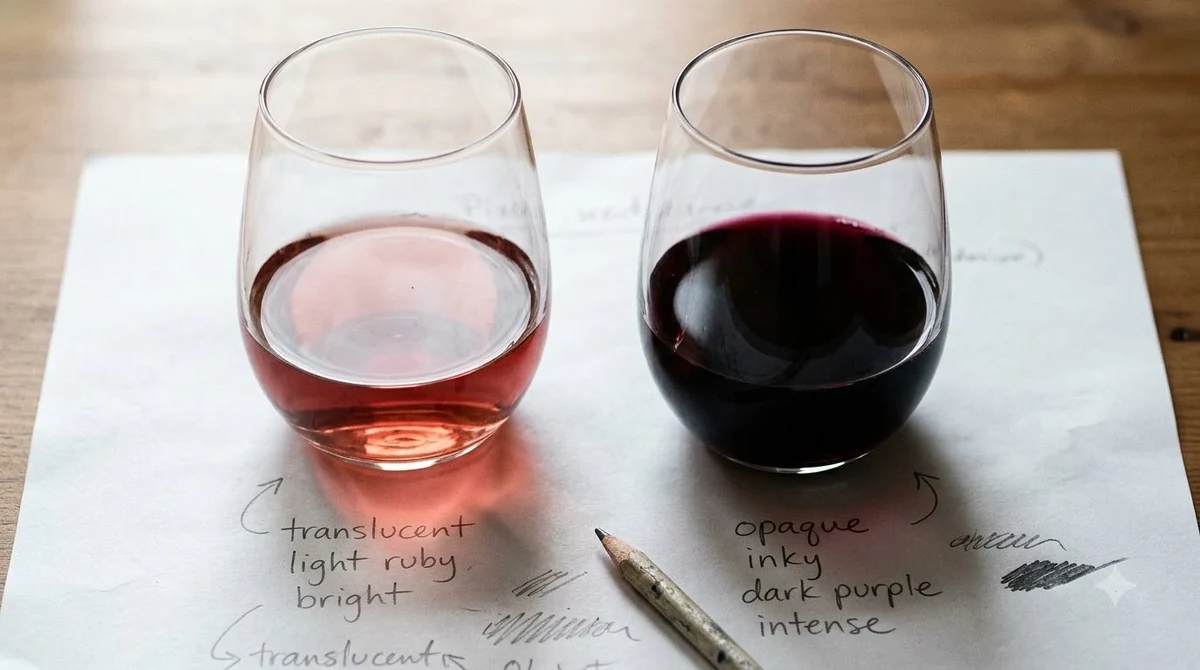
In everyday regional bottlings, carbonic or semi-carbonic fermentation creates unmistakable aromatics that wine educators often highlight during blind tastings. According to VinePair, these fermentation esters frequently express as ripe banana, candied strawberry, and a nostalgic hint of bubblegum alongside fresh black tea leaves. Young releases like Beaujolais Nouveau, bottled just weeks after the autumn harvest, lean heavily into this exuberant, grapey freshness.
When winemakers use traditional open-top fermentations, older vines, or neutral oak barrels, Gamay takes on a noticeably deeper, more serious character. Warm-climate or hillside vineyards push the fruit spectrum toward blackberry bramble, dark plum, and black currant, while granite and schist soils contribute crushed-rock minerality and dried herb complexity. If you enjoy light-bodied reds and are exploring other wine by type, stepping up from basic regional Gamay to single-village Cru bottlings reveals how much structure this grape can hold.
| Style / Tier | Primary Fruit & Aromas | Body & Structure | Aging Window |
|---|---|---|---|
| Beaujolais Nouveau | Candied strawberry, banana, fresh raspberry, bubblegum | Light-bodied, ultra-low tannin, zesty acidity | Drink within 6 to 12 months of release |
| Beaujolais & Beaujolais-Villages | Tart red cherry, cranberry, pomegranate, violet | Medium-light body, supple texture, bright finish | 1 to 3 years |
| Lighter Cru Beaujolais (Fleurie, Chiroubles) | Peony, iris, red currant, white peach, wild strawberry | Silky medium-light body, perfumed and floral | 3 to 5 years |
| Structured Cru Beaujolais (Morgon, Moulin-à-Vent) | Black cherry, plum, blackberry, black tea, potting soil | Medium-bodied, firmer tannins, earthy depth | 5 to 10 years or more |
| New World Gamay (Oregon, Canada) | Sour cherry, cranberry, blueberry, white pepper, baking spice | Light-to-medium body, racy acidity, subtle oak spice | 2 to 5 years |
Where Gamay Grows Best
France’s Beaujolais region remains the global benchmark for Gamay, accounting for the vast majority of the world’s plantings, though cool-climate producers in the Loire Valley, Oregon, and Canada craft compelling regional variations. In each location, soil composition and growing-season temperatures dictate whether the wine leans floral, earthy, or spicy.
Located just south of Burgundy and north of the Rhône Valley, Beaujolais is divided into three main quality tiers: regional Beaujolais, Beaujolais-Villages, and ten designated Cru villages in the granite-rich north. Villages such as Fleurie and Chiroubles sit on higher, sandy-granite slopes that produce perfumed, silky wines reminiscent of fine Pinot Noir. Farther south and east, Crus like Morgon, Moulin-à-Vent, and Brouilly rest on decomposed pink granite and schist, yielding denser, darker-fruited wines capable of developing savory, Pinot-like complexity over a decade in the cellar.
Outside Beaujolais, Gamay thrives in France’s Loire Valley—particularly in Touraine, where it makes crisp, mineral-driven reds, and in Anjou, where it contributes to dry rosé. Across North America, winemakers in Oregon’s Willamette Valley and Canada’s Niagara Peninsula and Okanagan Valley have embraced Gamay Noir. Cool nights and volcanic or glacial soils in these regions preserve snappy cranberry and sour cherry acidity while introducing subtle notes of white pepper, lavender, and crushed stone.
How to Serve Gamay for Peak Flavor
Unlike full-bodied red wines that taste best near cool room temperature, Gamay shows its brightest fruit and floral aromatics when served slightly chilled. Serving it too warm dulls its refreshing acidity and makes the alcohol feel disjointed on the palate.
Wine Folly recommends serving Gamay at 55 to 60 degrees Fahrenheit (12 to 15 degrees Celsius), which corresponds to standard cellar temperature. If your bottle has been sitting on a kitchen counter at 70 degrees, placing it in a standard household refrigerator for 20 to 30 minutes before pulling the cork brings it right into the ideal zone. The gentle chill firms up the wine’s light structure and sharpens its tart berry snap without muting the delicate violet perfume.
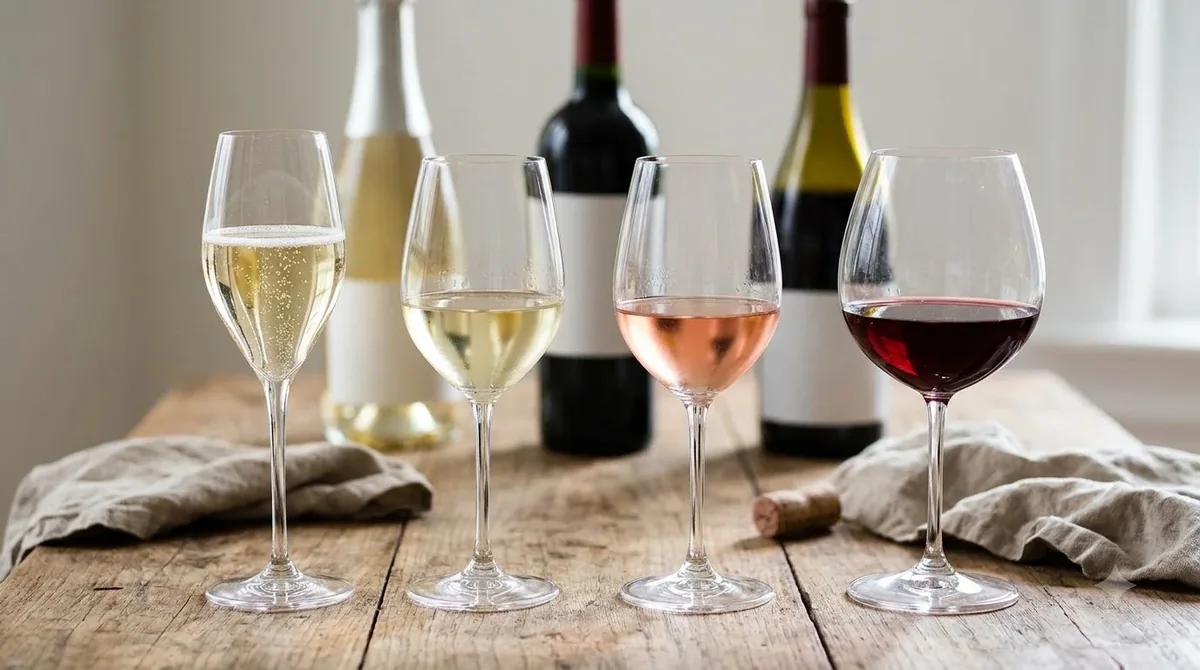
Glassware and aeration also play subtle roles depending on the bottle’s tier. An aroma-collector glass with a wide bowl and tapered rim—such as a standard Burgundy or Pinot Noir stem—captures Gamay’s volatile floral and berry esters. Younger, carbonic-macerated bottles can be poured straight from the bottle with zero waiting time, whereas structured Cru Beaujolais or oak-aged New World Gamay benefits from 15 to 30 minutes in a decanter to blow off initial earthiness and open up its layered fruit.
Tip: Put your bottle of Gamay in the fridge 25 minutes before dinner—a slight chill sharpens its red berry snap and keeps the finish crisp.
Best Food Pairings for Gamay
Because Gamay combines high natural acidity with remarkably low tannins, it ranks among the most versatile food wines at the dinner table. Its bright fruit cuts through rich sauces and cured meats without clashing with delicate proteins or spices.
Poultry and pork are natural partners for Gamay’s red-fruited profile. Herb-roasted chicken, duck breast with plum glaze, pork tenderloin, and sausage dishes echo the wine’s savory herbal undertones while letting its cherry and raspberry notes refresh the palate between bites. That same balance makes Gamay a perennial favorite for Thanksgiving dinner, where it bridges turkey, cranberry sauce, roasted squash, and savory stuffing in a single glass.
Gamay also shines alongside seafood, charcuterie, and vegetarian dishes that would overwhelm a heavily tannic red. Because low-tannin reds do not turn metallic against fish oils, grilled or soy-glazed salmon and seared tuna pair smoothly with a chilled glass. On the plant-based and casual side, mushroom risotto, lentil stews, wood-fired pizza, and boards loaded with brie, goat cheese, and cured sausages highlight the wine’s earthy and acidic edges. If you enjoy fruit-forward reds with Italian fare, comparing Gamay’s bright snap against what Corvina tastes like in Valpolicella offers a great look at how different European grapes handle tomato and herb dishes.
How to Choose a Bottle of Gamay
Shopping for Gamay becomes much easier once you know that French labels rarely print the grape name on the front, listing the village or regional appellation instead. Paying attention to the geographic designation and producer style helps you match the bottle to your palate.
If you want a light, juicy, effortlessly drinkable red for a picnic or casual weeknight, look for bottles labeled simply “Beaujolais,” “Beaujolais-Villages,” or “Touraine Gamay.” If you prefer a wine with deeper color, firmer structure, and earthy complexity that rivals mid-tier Burgundy, scan the label for one of the ten Beaujolais Cru names—especially Morgon, Moulin-à-Vent, Fleurie, Juliénas, or Brouilly. Outside France, producers in Oregon and Canada label the bottle directly as “Gamay” or “Gamay Noir,” offering a reliable cue for crisp, high-acid New World expressions. Much like discovering what Chenin Blanc tastes like across dry and off-dry styles, exploring Gamay across regional tiers rewards curiosity with standout value.
Frequently Asked Questions
Is Gamay a sweet or dry red wine?
Gamay is almost always fermented completely dry, meaning it contains negligible residual sugar. However, its abundant flavors of ripe raspberry, cherry, and candied strawberry can create a juicy impression of fruit sweetness on the mid-palate before finishing crisp and dry.
How does Gamay compare to Pinot Noir?
Gamay and Pinot Noir are genetic relatives that share a light body, bright acidity, and red-berry profile, so fans of one usually enjoy the other. Gamay generally tastes more overtly fruity, floral, and approachable in its youth, while Pinot Noir tends to display more savory forest-floor earthiness and firmer tannic structure.
Does Gamay really taste like bananas?
Yes, many young Gamay wines—especially Beaujolais Nouveau—feature a distinct aroma of ripe banana or bubblegum. This note comes from isoamyl acetate, a natural ester created during carbonic maceration when whole grapes ferment internally before being pressed.
Can you age Gamay wine or should you drink it young?
Entry-level Beaujolais, Beaujolais Nouveau, and Loire Valley Gamay are made for immediate enjoyment within one to three years of the vintage date. By contrast, structured Cru Beaujolais bottlings from villages like Morgon and Moulin-à-Vent can age gracefully for five to ten years or longer, trading fresh berry notes for dried rose, leather, and earthy spice.
Whether you pour a chilled glass of Beaujolais-Villages on a warm evening or decant an earthy Morgon alongside roasted poultry, Gamay proves that light-bodied red wines can pack serious flavor and versatility. Keep a bottle on hand whenever you want bright red fruit, floral lift, and effortless food pairing without heavy tannins.
More in Wine Types & Grapes
 What Does Mourvèdre Taste Like? Flavor Profile, Regions, and PairingsUpdated Nov 20, 2026
 What Does Marsanne Taste Like? Flavors, Styles, and Food PairingsUpdated Nov 20, 2026
 What Does Malvasia Taste Like? Styles, Flavors, and Food PairingsUpdated Nov 20, 2026
 What Does Grenache Blanc Taste Like? Flavor Profile, Styles, and PairingsUpdated Nov 20, 2026
 What Does Garnacha Taste Like? Key Flavors, Styles, and Pairing TipsUpdated Nov 20, 2026
 What Does Fruit Wine Taste Like? A Complete Flavor and Style BreakdownUpdated Nov 20, 2026