


We may earn a commission when you buy through links on this page, at no extra cost to you. Learn more.
What does corvina taste like? Corvina usually tastes of tart red cherry, sour cherry, and red plum, with lively acidity, gentle tannin, and a subtle bitter-almond edge. In lighter Valpolicella, expect a fresh, dry red with bright fruit and a light-to-medium body. When the grapes are dried for Amarone or Recioto, the flavors become denser and more intense, ranging from dried cherry and spice to pronounced sweetness in Recioto. The grape’s signature remains its cherry character, even as the wine’s weight changes.
Corvina is a red grape from Italy’s Veneto region, best known as the leading variety in Valpolicella wines around Verona. It is more useful to think of it as a grape with several expressions than as one fixed flavor: fresh-fruited Valpolicella, richer Ripasso, powerful Amarone, and sweet Recioto show how the same local grapes can produce very different glasses. Here is how to recognize the flavors, choose a style, and serve it well.
What Corvina Tastes Like in the Glass
Corvina’s clearest calling card is cherry: fresh sour cherry in lighter wines, often joined by red plum and other red-fruit notes. A faint bitter-almond finish adds a savory edge, while lively acidity keeps the fruit tasting crisp rather than jammy.
On the nose, look for a straightforward red-fruit profile rather than an especially dark or heavily perfumed bouquet. Some wines smell of crushed cherries, red currants, or ripe berries; others lean toward dried cherry, gentle spice, or a hint of chocolate if the grapes have been dried or the wine has spent time maturing. The details shift with ripeness, fermentation, and aging, but cherry usually remains the most recognizable note.
The palate is generally dry in the standard red styles. Fruit flavors can seem ripe, but that impression is not the same as residual sugar: a young Valpolicella normally finishes dry, with acidity balancing the red-fruit character. The almond-like bitterness is usually subtle, more like the skin of an almond than a strong bitter taste. It gives the finish a little grip and makes the wine feel savory alongside food.
Corvina is often blended rather than bottled alone. In Valpolicella, its cherry aroma and acidity provide a recognizable core, while other local varieties can contribute color, texture, or additional structure. The Valpolicella producers’ association identifies Corvina as the variety responsible for the region’s unmistakable cherry note. For a useful overview of its grape characteristics and role in blends, see Wine Enthusiast’s Corvina profile.
Acidity, Tannin, Body, and Finish
Corvina is usually more about freshness and aromatic lift than heavy tannin. Expect high acidity, low to moderate tannin, and a body that ranges from light to medium in fresh wines, becoming fuller and more concentrated in styles made with dried grapes.
Acidity is the feature that makes the grape especially recognizable. It gives the wine a brisk, mouthwatering line through the middle of the palate and helps red-cherry flavors stay vivid. That freshness can make a modestly weighted Valpolicella feel lively with a meal, rather than thin or tart. In warmer, richer examples, acidity also helps keep concentrated fruit from feeling too soft.
Tannin is generally restrained in straightforward Corvina-based wines. You may notice a gentle drying sensation along the gums, but it is not typically the firm, mouth-drying grip associated with a young Cabernet Sauvignon. This softer structure means the fruit and acidity tend to lead. In Amarone, extraction and the use of dried grapes can make the wine feel more substantial, and blend partners can add further tannin or color.
Body is therefore a style question, not a fixed property of the grape. A fresh Valpolicella may feel light to medium-bodied, with a clean finish and moderate alcohol. Ripasso tends to have more weight and roundness, while Amarone is full-bodied, richer, and often higher in alcohol. The common thread is a cherry-led profile with enough acidity to keep the finish from feeling flat.
From Valpolicella to Amarone: Why the Styles Differ
The biggest change in Corvina’s flavor comes from how the grapes are handled after harvest. Fresh-grape Valpolicella emphasizes bright cherry and freshness; Ripasso gains extra depth from fermented grape skins; Amarone and Recioto use dried grapes, concentrating flavor and changing the wine’s weight.
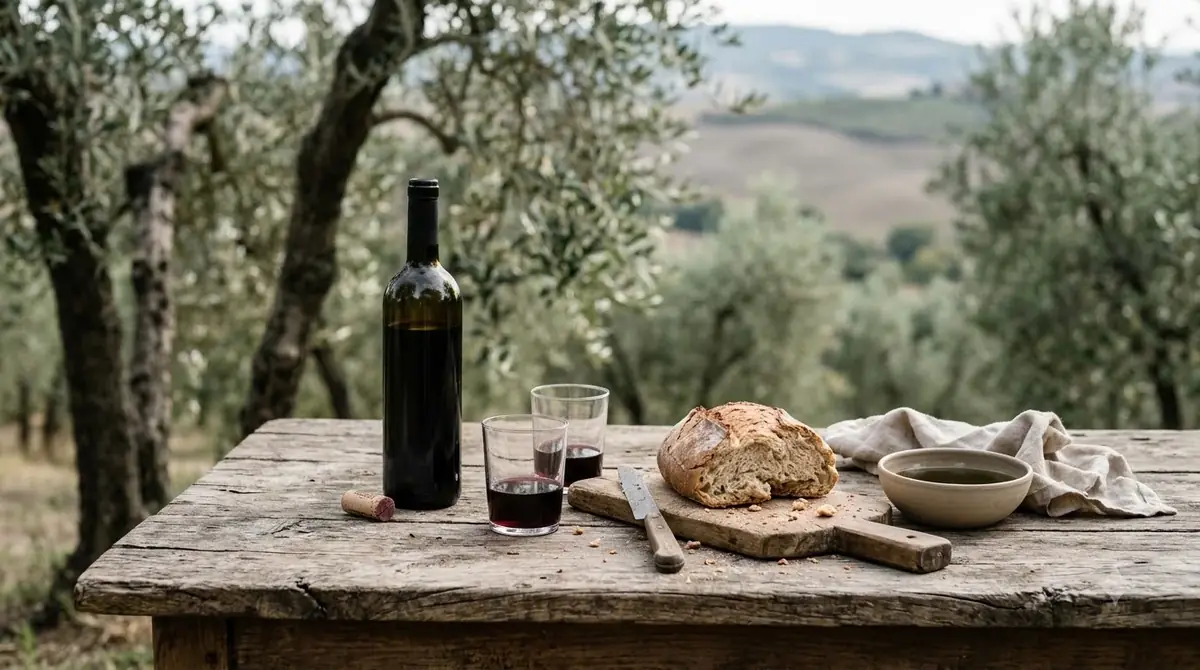
Valpolicella is the clearest place to start. Made from fresh grapes, it is typically ruby-colored, dry, and focused on cherry, with a light-to-medium body and a refreshing finish; the Valpolicella association also notes a sometimes-present bitter-almond aroma. Ripasso adds another layer by bringing young Valpolicella wine into contact with fermented grape solids left from Amarone or Recioto production. That second fermentation or maceration adds body, extract, and roundness, giving Ripasso more weight behind its cherry fruit while retaining some freshness.
Amarone and Recioto begin with appassimento: harvested grapes are dried before fermentation. Decanter describes the Veneto process as a gradual drying period that commonly lasts around 100 to 120 days for Amarone, with grapes losing roughly 35 to 40 percent of their water. That concentration shifts the flavor toward dried cherry, richer fruit, and spice. Amarone is fermented into a dry or near-dry powerful red, while Recioto fermentation is stopped earlier so appreciable sugar remains, making it a sweet wine. The regional method and its effect on flavor are explained in Decanter’s guide to Veneto appassimento wines.
| Style | How it is made | What to expect | Useful number |
|---|---|---|---|
| Valpolicella | Fresh grapes, fermented in the usual way | Bright cherry, fresh acidity, lighter body | 11% minimum alcohol listed by the regional consortium |
| Valpolicella Ripasso | Valpolicella wine re-fermented or macerated with Amarone or Recioto grape solids | More body and roundness, deeper fruit | 12.5% minimum alcohol listed for Ripasso |
| Amarone della Valpolicella | Grapes dried before fermentation | Dried cherry, concentrated fruit, spice, full body | 14% minimum alcohol; drying commonly lasts 100–120 days |
| Recioto della Valpolicella | Dried grapes, with fermentation stopped while sugar remains | Sweet, dense fruit, a lush finish | At least 46 g/L residual sugar; minimum 12% alcohol |
The figures in the table are category reference points, not a promise that every bottle will taste identical. For example, an Amarone from one valley or producer may lean toward fresher cherry and herbs, while another can feel more dried-fruit-driven and powerful. The Valpolicella area includes distinct subzones and hillside sites, so producer choices and growing conditions add another layer of variation.
Foods That Pair Well with Corvina
Corvina’s acidity and restrained tannin make it a natural match for savory dishes with moderate richness. Start with tomato-based pasta, roast chicken, pork, mushrooms, or medium-aged cheeses, then move to heartier meat dishes for Ripasso and Amarone.
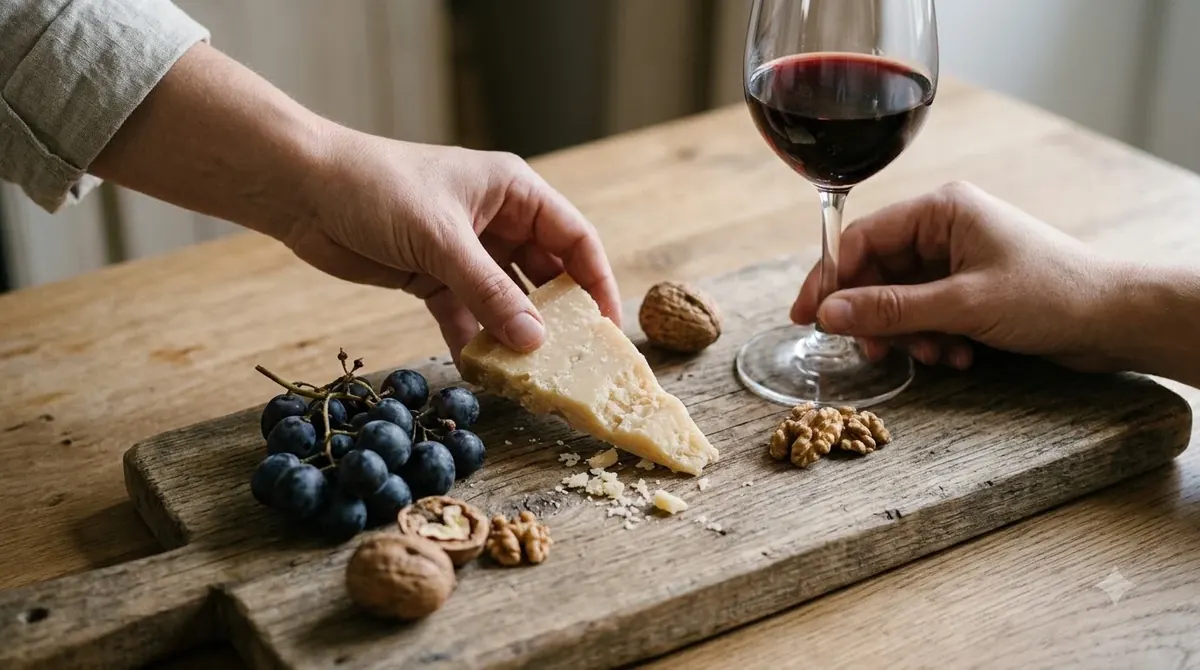
For a simple Valpolicella, try spaghetti with tomato sauce, pizza with mushrooms, grilled chicken, or a platter of salumi. Tomato has its own acidity, so the wine should be fresh enough to meet it rather than tasting dull beside it. The cherry fruit also works with roasted peppers, herbs, and browned mushrooms. A young, lighter style is often a better fit for these dishes than a heavily concentrated Amarone.
Ripasso can handle a richer plate: try pork shoulder, sausage, meatballs, lasagna, mushroom risotto, or roast turkey with pan juices. Its extra roundness gives it enough presence for savory sauces, while acidity refreshes the palate between bites. Semi-hard cheeses such as aged Asiago or a firm cow’s-milk cheese make practical partners, too. Amarone suits slow-cooked beef, braised short ribs, lamb, game, and aged cheeses, which have enough flavor intensity to meet its concentration.
Recioto calls for a different approach: because it is genuinely sweet, serve it with desserts that are no sweeter than the wine, such as dark-chocolate cake or a fruit tart. A savory pairing can also work with blue cheese, where saltiness offsets the wine’s sweetness. Be careful with very hot chili dishes, especially alongside high-alcohol Amarone; alcohol can make chili heat feel more intense and may overwhelm the fruit. For a winter spread with spiced dishes, what does mulled wine taste like is a useful contrast: mulled wine is defined by warming spices, while Corvina is primarily cherry-led.
Serving Temperature and Opening the Bottle
Serve lighter Corvina-based reds slightly cool, around 55–60°F, and fuller Ripasso or Amarone closer to 60–65°F. A modest chill keeps fresh cherry flavors clear, while a warmer serving temperature gives a fuller wine room to show its aroma and texture.
For a basic Valpolicella, place the bottle in the refrigerator for about 15 to 20 minutes before serving if the room is warm, then pour into medium-sized red-wine glasses. If the wine feels too cold, give it a few minutes in the glass. Avoid serving a light red at typical room temperature in a warm room; excess warmth can make alcohol stand out and soften the refreshing acidity that makes the style appealing.
Tip: Give light Valpolicella a short chill before pouring, but serve Amarone nearer 60–65°F; excessive warmth can make its alcohol stand out, while excessive chill hides its aromas.
Ripasso and Amarone benefit from a little air, especially when young and tightly wound. A young full-bodied red can be decanted for 30 to 60 minutes, then served in a larger-bowled glass to give its aromas room to develop. You do not need to decant every bottle: a straightforward Valpolicella is often ready shortly after opening, while an older bottle may need gentler handling so sediment is not disturbed.
After opening, close the bottle and keep it in the refrigerator, even if it is red. A still wine generally keeps for about three to five days once opened, although fruit and freshness gradually fade; bring the remaining wine back toward its serving temperature before pouring. For longer storage, keep unopened bottles on their side in a cool, dark place near 55°F, away from sunlight and temperature swings.
How to Choose a Corvina Wine
Choose the style according to the weight and sweetness you want, not simply the grape name. A bottle of Valpolicella is the best starting point for fresh cherry and acidity, Ripasso gives more body, Amarone offers intensity, and Recioto is the sweet option.
Look first for the appellation name. “Valpolicella” generally signals the fresher expression; “Ripasso” indicates the richer method involving grape solids from Amarone or Recioto; “Amarone della Valpolicella” identifies the concentrated dried-grape red; and “Recioto della Valpolicella” identifies the sweet style. The word “Classico” points to the historic central production area around villages such as Fumane, Negrar, and San Pietro in Cariano. These names are more useful for predicting style than expecting every bottle to be labeled simply “Corvina.”
Also consider the occasion. For pizza night or a casual pasta dinner, a basic Valpolicella is usually the most flexible choice. For roast meat or a substantial cheese board, Ripasso offers more depth without the full power of Amarone. Amarone is suited to a long meal or a slow-cooked centerpiece, while Recioto belongs with dessert or a deliberate sweet-and-salty pairing.
If you are comparing grapes, Corvina’s high acidity and low-to-moderate tannin give it a different feel from strongly tannic Cabernet Sauvignon. It can remind some drinkers of Pinot Noir in lighter, fresher versions, though its cherry and almond markers are distinct. For a broader overview of styles and grapes, browse Wine by Type; to compare red-wine structure with a white grape, what does chenin blanc taste like offers a useful contrast in acidity and fruit expression.
Frequently Asked Questions
These quick answers cover a few details that help identify the grape and understand where it comes from. They also explain why Corvina is not interchangeable with similarly named varieties.
Are Corvina and Corvinone the same grape?
No. DNA testing established that Corvina and Corvinone are distinct grape varieties, despite their similar names and shared role in Veneto reds. Corvina is also a parent variety of Rondinella, another grape used in Valpolicella blends.
What other names are used for Corvina?
Corvina is also known as Corvina Veronese and Cruina. The name Corvina Veronese is especially useful on reference lists because it connects the variety with the Verona area where it is most closely associated.
Does Corvina grow outside Italy?
Yes, but plantings beyond Italy are exceptionally limited. Wine Enthusiast identifies Argentina as another country where Corvina is grown, though Veneto remains its defining home.
Is Corvina an early-ripening grape?
No. Corvina is a late-ripening variety. Wine Enthusiast notes that its first buds do not produce fruit, which is one reason vine training along a pergola is used to encourage productive bud growth.
Can Corvina make a wine with strong color?
The grape’s juice is relatively lightly pigmented even though the berries are deep purple. This is one reason Corvina is commonly blended with other local grapes that can contribute more color and structure to the finished wine.
Corvina is easiest to recognize by its bright cherry fruit, lively acidity, and quiet almond-like finish, but the style in the bottle matters just as much as the grape. Choose Valpolicella for freshness, Ripasso for added weight, Amarone for concentrated dried-fruit richness, or Recioto when you want a sweet red. That range is what makes Corvina one of the most versatile grapes of the Veneto.
More in Wine Types & Grapes
 Zinfandel Sugar Content: Dry Red vs. White Zinfandel GramsUpdated Nov 21, 2026
 Best Zinfandel Substitute Options for Sipping and CookingUpdated Nov 21, 2026
 Zweigelt Food Pairing: Best Dishes, Cheeses, and Serving TipsUpdated Nov 21, 2026
 Zinfandel Tannins Explained: How Structure Shapes Every BottleUpdated Nov 21, 2026
 Zinfandel Sweetness Level: Dry Red vs. Sweet White Zin ExplainedUpdated Nov 21, 2026
 Xinomavro Food Pairing: Best Dishes, Styles, and Serving TipsUpdated Nov 21, 2026