

We may earn a commission when you buy through links on this page, at no extra cost to you. Learn more.
The best pinot noir rose food pairing matches the wine’s crisp acidity and red-berry profile with rich seafood like grilled salmon, herb-roasted poultry, charcuterie, and soft or semi-firm cheeses. Because Pinot Noir rosé carries bright notes of strawberry, watermelon, and citrus zest without heavy tannins, it cuts cleanly through fatty dishes while avoiding metallic clashes with delicate fish. Most dry bottles sit between 12% and 13.5% ABV and perform best when poured chilled around 46°F to 53°F (8°C to 12°C).
Pinot Noir makes some of the most food-friendly pink wines on the table, bridging the gap between crisp whites and light reds. Whether you are planning a warm-weather picnic or setting a holiday dinner menu, understanding how this grape behaves in pink form makes matching plates straightforward and reliable.
What Pinot Noir Rosé Is
Pinot Noir rosé is a dry, light- to medium-bodied pink wine crafted from thin-skinned Pinot Noir grapes whose juice spends only a brief window in contact with the dark skins. That short maceration—often just a few hours in the press—gives the wine its signature pale salmon or copper-pink hue while leaving harsh tannins behind.
Winemakers produce Pinot Noir rosé using two primary approaches: direct pressing and limited skin maceration. In direct pressing, whole clusters or crushed berries are pressed right away, extracting minimal pigment and yielding a pale, razor-sharp style with high acidity. When producers allow brief skin contact or age a portion of the wine on its lees in stainless steel or neutral oak, the finished bottle gains extra texture, mid-palate weight, and savory depth.
Unlike sweeter blush wines made from grapes like Zinfandel, modern Pinot Noir rosé is almost always vinified dry. According to VinePair’s guide to Pinot Noir, the grape’s naturally delicate character makes it ideally suited to minimal skin-contact winemaking, resulting in bright acidity alongside crisp red fruit. If you want a broader look at how pink wines fit into the wider spectrum of Wine by Type, Pinot Noir rosé sits firmly in the crisp, dry, gastronomic camp.
Flavor Profile and Styles
A classic Pinot Noir rosé leads with fresh strawberry, white cherry, watermelon, and tart raspberry, layered over bright lemon or orange zest and subtle floral aromas. On the palate, it balances lively natural acidity with a clean, dry finish that refreshes the mouth between bites.
Regional climate and winemaking choices create distinct variations within the grape’s pink spectrum. Cool-climate bottlings—such as those from Oregon’s Willamette Valley, Germany, or New Zealand’s Marlborough—tend to lean crisp, mineral, and citrus-driven, showing notes of crabapple, pink grapefruit, and fresh-cut herbs. Warmer-climate expressions from coastal California often display riper stone fruit, melon, and a slightly fuller mouthfeel.
Production techniques also shift how the wine interacts with food. Winemakers who use whole-cluster pressing or partial neutral-barrel fermentation add subtle savory, green-stem, or creamy lees notes that give the wine enough backbone for heartier entrées. Reviewers at Wine Folly highlight how Pinot Noir rosé pairs remarkably well with French herbs like thyme and Herbes de Provence, because those green and floral aromatics draw out the wine’s sweeter red-berry fruit.
Where Pinot Noir Rosé Grows
Pinot Noir thrives in cool-to-moderate growing regions around the world, and those same appellations produce the finest pink bottlings of the grape. Because Pinot Noir ripens early and retains high natural acidity in cooler air, coastal breezes and higher latitudes keep its rosé expressions vibrant rather than heavy.
In France, the Loire Valley—particularly Sancerre—is famous for pale, stony, mineral-driven Pinot Noir rosé, while Champagne relies heavily on the grape for sparkling pink blends. Across the Atlantic, Oregon’s Willamette Valley has become a benchmark for serious, food-worthy American Pinot Noir rosé, alongside cool California pockets like Los Carneros, Sonoma Coast, and Anderson Valley.
Southern Hemisphere regions also turn out standout examples. Marlborough and Central Otago in New Zealand, along with coastal valleys in Chile like Casablanca and Bío Bío, produce aromatic, zesty bottlings with pronounced red-berry and citrus lift. In Germany and Northern Italy, where the grape is known as Spätburgunder and Pinot Nero respectively, producers craft crisp, low-to-moderate alcohol styles built for effortless table service.
How to Serve Pinot Noir Rosé
Serve Pinot Noir rosé chilled to between 46°F and 53°F (8°C and 12°C), which keeps its acidity snappy without muting its delicate strawberry and floral aromatics. A standard refrigerator sits closer to 38°F, so pulling the bottle out 15 to 20 minutes before pouring allows the fruit and herbal nuances to open up.
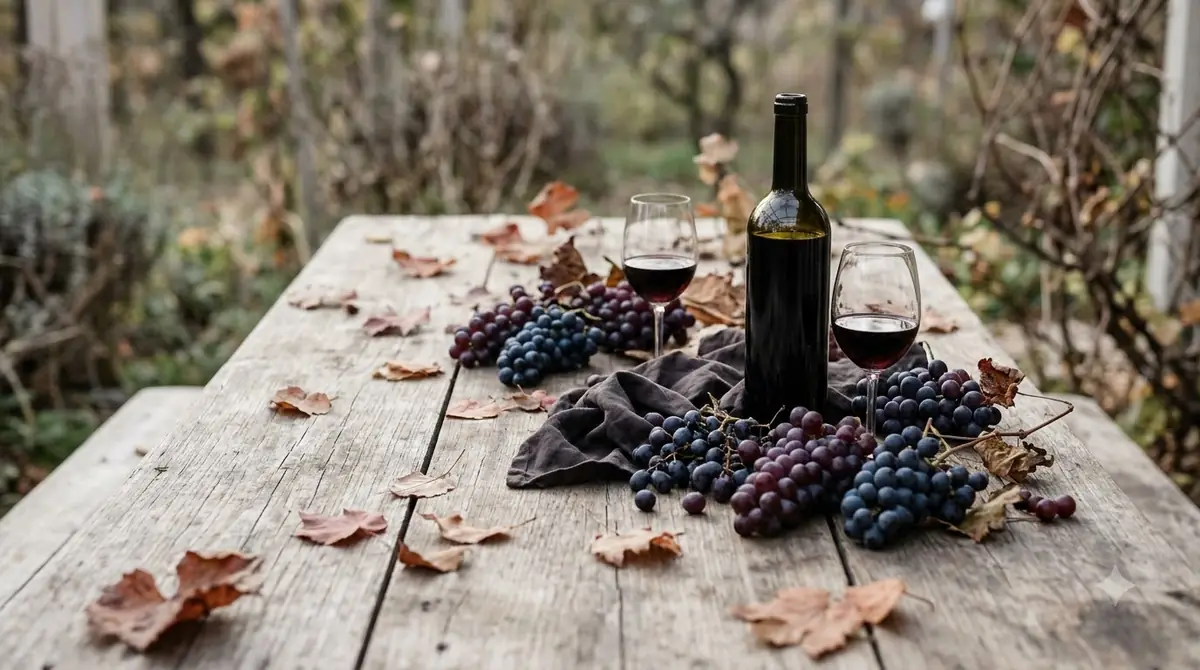
If a bottle is served ice-cold straight from an ice bucket, its subtle cherry, peach, and mineral notes retreat behind a wall of sharp acid. Letting the wine warm slightly in the glass reveals its rounder mid-palate texture, especially for lees-aged or fuller-bodied New World bottlings. Keep an ice bucket handy on warm days, but submerge the bottle for only ten minutes at a time rather than leaving it buried.
Glassware also shapes the experience. A standard white wine glass with a medium tulip-shaped bowl concentrates the delicate berry and citrus aromas while directing the wine cleanly across the palate. Unlike older red Burgundy, still Pinot Noir rosé rarely needs decanting, though a quick swirl in the glass helps blow off any tight reduction on newly opened, screw-cap bottles.
Tip: Start Pinot Noir rosé at the cooler end of its range (around 46°F) when serving raw seafood or salads, and let it warm toward 53°F alongside roasted poultry or richer pork dishes.
Best Pinot Noir Rosé Food Pairings
Pinot Noir rosé shines with dishes that feature medium richness, savory herbs, bright acidity, or gentle smoke, making it one of the most adaptable bottles you can put on a dinner table. Its combination of crisp acid and zero harsh tannins prevents clashes with ingredients that normally trip up red wines.
Seafood is a natural starting point, particularly richer, oilier fish that overwhelm delicate whites. Grilled or pan-seared salmon, seared tuna steaks, and garlic-herb shrimp match the wine’s body while its citrusy acidity cuts through natural fish oils and butter sauces. Classic Mediterranean plates like Salade Niçoise—combining tuna, olives, green beans, and tomatoes—mirror the wine’s savory, herbal edge.
Poultry, pork, and charcuterie also form dependable partnerships. Herb-roasted chicken, turkey breast, glazed ham, and prosciutto-wrapped appetizers echo the wine’s red-fruit sweetness without overpowering its delicate frame. Even complex holiday spreads benefit from a bottle on the table, as the wine moves smoothly from salty starters to roasted mains and cranberry-accented sides.
Vegetarian dishes and cheeses round out the strongest matches. Goat cheese, young Gouda, Gruyère, and Brie complement the wine’s berry notes, while summer corn succotash, caprese salad, and stuffed mushrooms play to its earthy, herbaceous undertones. If you love the versatility of pink wines with fried appetizers or celebratory spreads, exploring sparkling rose food pairing offers a bubbly alternative, while comparing pinot blanc food pairing shows how Pinot Noir’s white-grape cousin handles similar light fare.
| Food Category | Best Dishes | Why the Pairing Works |
|---|---|---|
| Rich Seafood | Grilled salmon, seared tuna, lemon-garlic shrimp, crab cakes | Crisp acidity cuts fish oils without tannic bitterness |
| Poultry and Pork | Herb-roasted chicken, roast turkey, thick-cut ham, pork tenderloin | Medium body and red-berry fruit match savory white meats |
| Salads and Produce | Salade Niçoise, watermelon feta salad, summer corn succotash | Herbal and citrus notes mirror fresh vegetables and vinaigrettes |
| Cheese and Charcuterie | Fresh goat cheese, young Gouda, Gruyère, Brie, prosciutto | Bright acid refreshes the palate between salty, creamy bites |
| Lightly Spiced Dishes | Chicken tacos, Thai noodle salads, mild coconut curries | Cool serving temperature and ripe fruit tame gentle heat |
Foods That Clash With Pinot Noir Rosé
Heavy, intensely charred meats and fiery chili heat can quickly overwhelm Pinot Noir rosé’s delicate structure and dry finish. Matching the weight of the wine to the weight of the dish keeps subtle strawberry and floral flavors from disappearing.
Rich, heavily marbled red meats—such as ribeye steak, braised beef short ribs, or heavily smoked brisket—require firm tannins to cut through dense fat and protein. Without tannic grip, a dry rosé tastes thin and washed out next to bold beef dishes, where a structured red like those covered in baco noir food pairing performs much better.
Extremely spicy dishes and sugary desserts also create friction. Because Pinot Noir rosé is fermented dry, fiery capsaicin heat amplifies the alcohol and makes the wine taste bitter and sharp. Similarly, rich chocolate cakes or sweet pastries make a dry rosé feel tart and austere; if you want pink wine with dessert, opt for an off-dry or sweet style instead.
How to Choose a Bottle for Your Menu
Choosing the right Pinot Noir rosé comes down to matching the bottle’s regional style and winemaking cues to the richness of your meal. Checking the region, alcohol percentage, and color gives reliable clues before you pull the cork.
For delicate starters, raw shellfish, and fresh salads, look for pale, cool-climate bottles from the Loire Valley, Germany, or Oregon’s Willamette Valley with an ABV around 11% to 12.5%. These wines emphasize razor-sharp acidity, stony minerality, and tart citrus that awaken the palate without weighing down light ingredients.
For heartier main courses like salmon, roast chicken, or holiday turkey, seek out slightly deeper salmon-pink bottles around 13% to 13.5% ABV from California, New Zealand, or lees-aged Oregon producers. Look for back-label mentions of “whole-cluster pressing” or “aged on fine lees,” which signal extra body and savory complexity. Finally, check the vintage date—most Pinot Noir rosés are crafted for vibrant freshness within one to three years of harvest.
Frequently Asked Questions
Does Pinot Noir rosé go well with salmon?
Yes, salmon is one of the best pairings for Pinot Noir rosé. The wine has enough medium-bodied weight to stand up to rich, oily fish, while its bright acidity cuts through the fat and leaves the palate clean without any metallic aftertaste from heavy tannins.
Is Pinot Noir rosé sweet or dry?
The vast majority of Pinot Noir rosé is vinified completely dry, meaning it contains little to no residual sugar. Its ripe aromas of strawberry, watermelon, and cherry create a fruity impression on the nose, but the finish is crisp, refreshing, and savory.
Can you serve Pinot Noir rosé with Thanksgiving dinner?
Pinot Noir rosé is an ideal Thanksgiving wine because its high acidity and red-berry fruit complement turkey, stuffing, cranberry sauce, and roasted root vegetables all at once. It bridges white and red wine preferences at the table while keeping rich dishes from feeling heavy.
How cold should Pinot Noir rosé be served?
Serve Pinot Noir rosé chilled between 46°F and 53°F (8°C to 12°C). Chilling it straight from a standard refrigerator can mute its delicate berry and floral aromas, so letting the bottle sit out for 15 to 20 minutes before pouring brings out its full flavor.
With its balance of bright red fruit, crisp acidity, and gentle weight, Pinot Noir rosé solves the toughest pairing puzzles across every season. Keep a bottle chilled for everything from weeknight grilled salmon to crowded holiday tables, and let its versatility do the heavy lifting.
More in Wine Types & Grapes
 What Does Mourvèdre Taste Like? Flavor Profile, Regions, and PairingsUpdated Nov 20, 2026
 What Does Marsanne Taste Like? Flavors, Styles, and Food PairingsUpdated Nov 20, 2026
 What Does Malvasia Taste Like? Styles, Flavors, and Food PairingsUpdated Nov 20, 2026
 What Does Grenache Blanc Taste Like? Flavor Profile, Styles, and PairingsUpdated Nov 20, 2026
 What Does Garnacha Taste Like? Key Flavors, Styles, and Pairing TipsUpdated Nov 20, 2026
 What Does Fruit Wine Taste Like? A Complete Flavor and Style BreakdownUpdated Nov 20, 2026