

We may earn a commission when you buy through links on this page, at no extra cost to you. Learn more.
The best rose champagne food pairing strategy treats the wine like a crisp, red-fruited table wine with bubbles—matching its bright acidity and subtle berry weight against rich, salty, or savory dishes like roast duck, grilled salmon, aged hard cheeses, and crispy fried foods. Because rosé Champagne blends the high-acid snap of traditional sparkling wine with the delicate red-fruit flavors and light tannic grip of Pinot Noir or Pinot Meunier, it bridges the gap between white and red wine at the dinner table. Most bottles are made dry (Brut or Extra Brut) around 12 percent ABV, meaning they cut cleanly through fat and salt without clashing with savory sauces.
Many diners save pink bubbly strictly for pre-dinner toasts or strawberry desserts, yet sommeliers routinely reach for it as a main-course problem solver. Understanding how winemakers craft rosé Champagne—and how its two distinct production styles shift its body—makes matching a bottle to everything from weeknight takeout to holiday roasts straightforward.
What Makes Rosé Champagne Different at the Table
Rosé Champagne stands apart from standard white cuvées because it carries red-grape phenolics and berry aromatics alongside electric chalky acidity. That dual personality lets it stand up to pink meats and umami-rich dishes that would overwhelm a delicate white sparkling wine.
According to the official Comité Champagne guide, producers make Champagne Rosé in two distinct ways, each yielding a different weight on the palate. The most common method is rosé d’assemblage, where winemakers blend still white base wines with 5 to 20 percent still red Champagne wine (made from Pinot Noir or Pinot Meunier). As reviewers at Wine Folly note, that small addition of still red wine is crafted specifically to contribute pure red-fruit notes like fresh strawberry and raspberry without heavy oak or harsh tannins.
The second method, rosé de saignée (or macerated rosé), involves letting crushed black grape skins macerate in their juice for roughly 8 to 36 hours before draining off the tinted liquid. This skin contact extracts deeper ruby or salmon color, subtle herbal spice, and a firmer, more vinous structure. While a pale blended rosé behaves closer to a classic brut champagne food pairing, a deeper saignée bottling drinks almost like a chilled, effervescent Pinot Noir.
Flavor Profile and Production Styles
Across the Champagne region, non-vintage rosé bottlings must age on their lees for at least 15 months, while vintage releases require a minimum of three years, building toasted brioche and hazelnut notes beneath their bright fruit. Recognizing whether a bottle leans crisp and citrusy or rich and vinous is the fastest way to predict what belongs on your plate.
Younger, Chardonnay-forward blended rosés typically show aromas of wild strawberry, redcurrant, pink grapefruit, and rose petal backed by brisk minerality. Their fine mousse scrubs the palate clean between bites, making them natural partners for raw shellfish, cured ham, and lightly fried appetizers. Because Champagne’s cool climate preserves high natural acidity, these wines stay refreshing even alongside rich cream sauces or butter-poached seafood.
Fuller-bodied or vintage rosé Champagnes—especially those dominated by Pinot Noir or made via saignée—lean toward ripe black cherry, blood orange, dried cranberry, and savory pastry crust. Extended lees aging adds creamy texture and roasted nut complexity that mirror the browned, caramelized flavors of roasted poultry, seared tuna, and wild mushrooms. If you already enjoy pinot noir rose food pairing with earthy autumn dishes, a Pinot-heavy Champagne delivers that same red-berry and forest-floor synergy with an extra lift of carbonation.
Best Food Pairings by Dish Category
Matching food to rosé Champagne works best when you balance weight, salt, and cooking method rather than following rigid color rules. Use the quick-reference matrix below to pair specific dishes with the right style of pink bubbly.
| Food Category | Ideal Dishes | Best Rosé Champagne Style | Why the Pairing Works |
|---|---|---|---|
| Poultry & Game Birds | Roast duck breast, herb-roasted chicken, quail, Thanksgiving turkey | Pinot Noir-dominant Brut or Rosé de Saignée | Red berry fruit echoes dark poultry meat while crisp acidity cuts through rendered skin and fat. |
| Rich Seafood | Grilled salmon, seared tuna, butter-poached lobster, crab cakes | Blended Brut Rosé or Vintage Rosé | Chalky minerality lifts sweet shellfish, and red-fruit weight matches meaty, pink-fleshed fish. |
| Crispy & Fried Foods | Herb fried chicken, shrimp tempura, gougères, truffle fries | Young Non-Vintage Brut Rosé | Fine bubbles and high acid scrub away frying oil and amplify savory saltiness. |
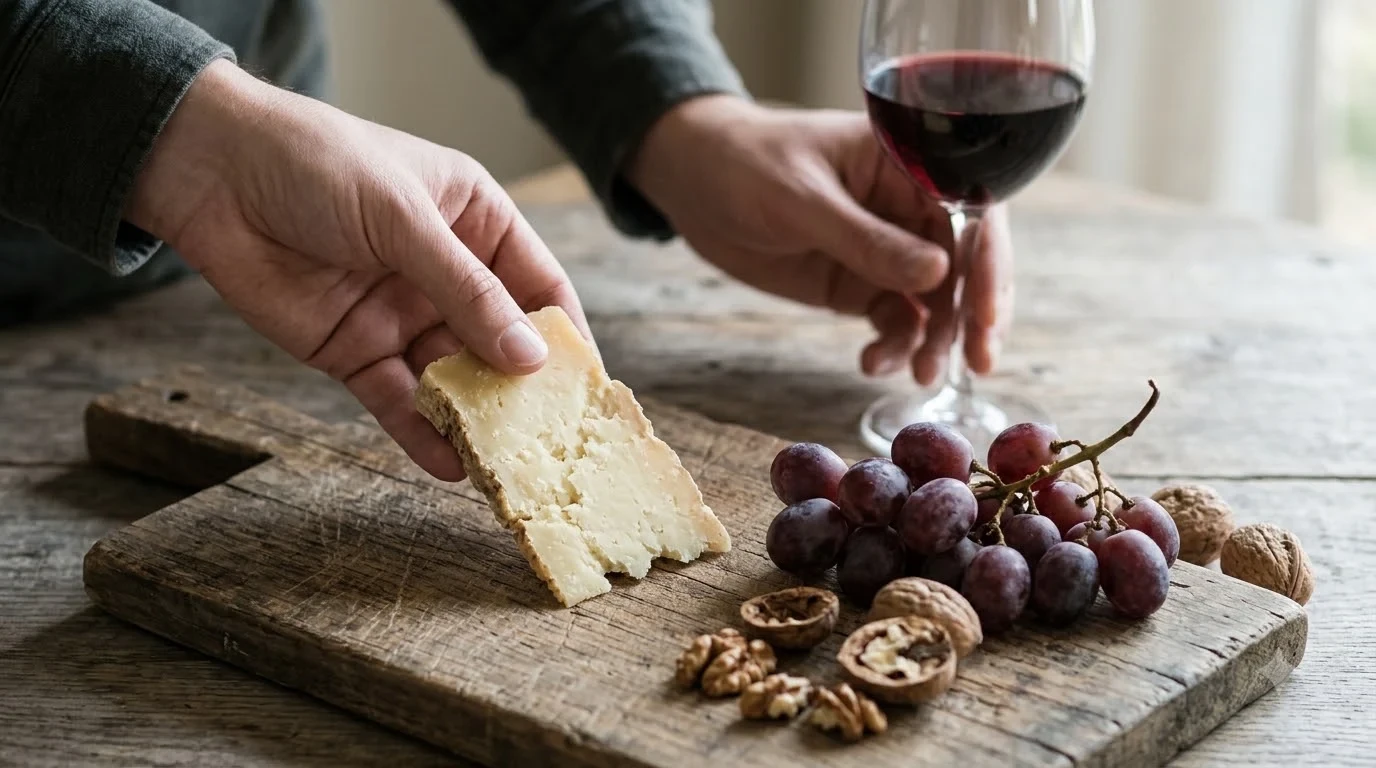
| Charcuterie & Cheese | Prosciutto, jamón Ibérico, aged Comté, Gruyère, Brillat-Savarin | Extra Brut or Vintage Rosé | Dry finish balances cured salt, while creamy mousse contrasts dense or triple-cream textures. |
| Raw & Lightly Cured | Salmon sashimi, tuna tartare, oysters with mignonette | Pale, Chardonnay-led Brut Rosé | Delicate citrus and wild strawberry notes complement clean ocean salinity without overpowering it. |
Duck is widely considered the benchmark main course for rosé Champagne. Whether served as crispy-skinned duck breast with a tart cherry reduction or shredded in Peking duck pancakes, the bird’s rich fat demands high acidity, while its savory depth meets the wine’s Pinot Noir backbone head-on. Roast chicken with tarragon or thyme works along the same lines, especially when pan drippings add salty savoriness.
With seafood dishes, rosé Champagne shines where white wine sometimes feels too thin and red wine clashes with fish oils. Grilled salmon, miso-glazed black cod, and seared ahi tuna all share a meaty texture and natural richness that align effortlessly with strawberry and blood orange notes. Even simple salty bar snacks—like rosemary Marcona almonds, potato chips, or prosciutto-wrapped melon—turn into cohesive bites alongside a chilled glass.
Pairings to Avoid (And How to Fix Them)
Even with its broad versatility, rosé Champagne can taste sharp, metallic, or hollow when paired with the wrong flavor extremes. Paying attention to sweetness levels, aggressive heat, and heavy reductions prevents the most common dining misfires.
The biggest trap is pairing a dry Brut rosé with a sweet dessert like frosted cake, milk chocolate, or sugary berry tarts. Because standard Brut Champagne carries less than 12 grams per liter of residual sugar, a sweet dish strips away the wine’s perceived fruit and leaves behind sour acidity. If you want rosé Champagne with dessert, choose a bottle labeled Demi-Sec, or stick to barely sweetened fresh berries with unsweetened whipped cream.
Heavy, sugary barbecue sauces, sticky honey glazes, and intense chili heat create a similar clash. High capsaicin heat amplifies the sting of carbonation and alcohol, while thick, syrupy reductions flatten delicate floral and brioche nuances. Swap sticky glazes for dry spice rubs, black pepper, smoked paprika, or citrus-herb marinades so the dish finishes clean and savory.
Tip: When serving rosé Champagne with sushi or sashimi, go easy on pungent wasabi paste and heavy soy sauce—a light brush of ponzu or a squeeze of fresh yuzu keeps the wine’s delicate berry aromatics intact.
How to Serve Rosé Champagne with Food
Serving temperature and glassware dramatically change how rosé Champagne interacts with a meal. Treating a food-worthy pink cuvée like an ice-cold party toast mutes the very aromatics that make it sing alongside dinner.
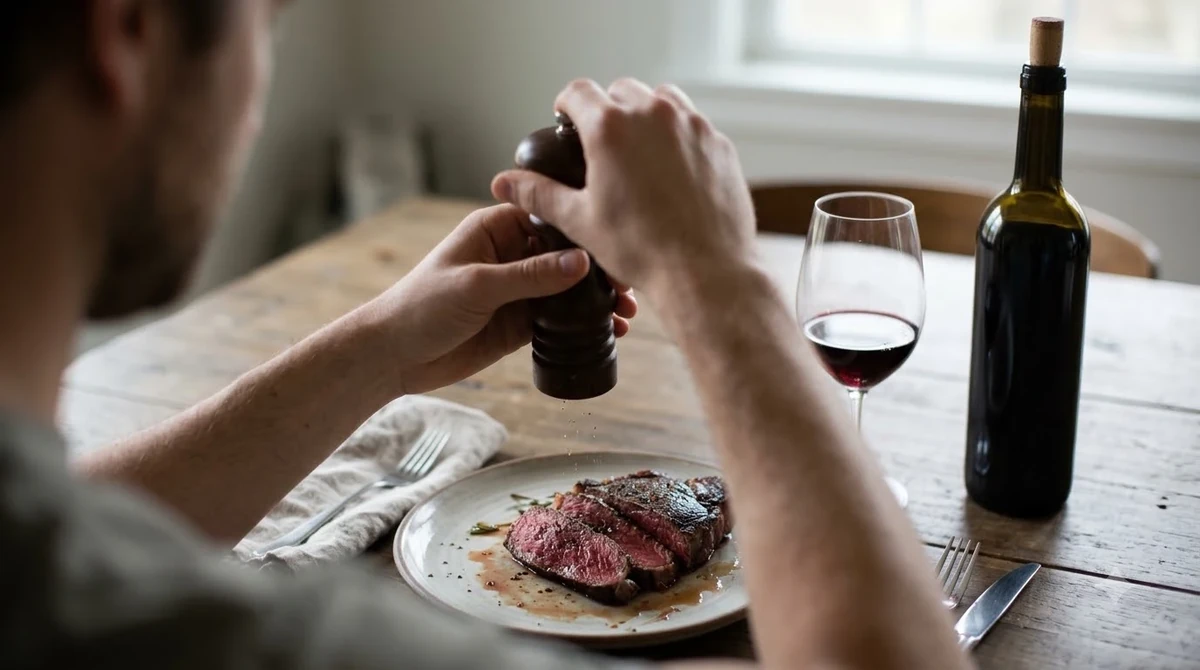
According to Comité Champagne guidelines, standard Champagne serves best between 46 and 50°F (8 to 10°C). While younger, lighter blended rosés thrive at the cooler end of that range, fuller-bodied vintage releases and structured saignée bottles open up best slightly warmer, around 50 to 54°F (10 to 12°C). Chilling a bottle at the bottom of a standard refrigerator for roughly three hours—or submerging it in an ice-and-water bucket for 20 to 30 minutes—brings it right into the sweet spot without freezing out its berry perfume.
Glassware matters just as much as temperature once food hits the table. Skip narrow flutes, which trap aromas and funnel sharp carbonation straight to the palate, and pour your rosé Champagne into a tulip-shaped sparkling glass or a standard white wine glass. The wider bowl gives complex notes of dried raspberry, toasted brioche, and chalk room to breathe while still preserving a steady stream of fine bubbles.
How to Read the Label When Buying for Dinner
A few key terms on a Champagne label tell you immediately how dry, rich, or food-ready a bottle will be before you pull the cork. Checking the sweetness level and blend clues ensures your wine matches the intensity of your menu.
First, look at the dosage term printed near the bottom of the front label. Brut Nature and Extra Brut contain minimal to zero added sugar, producing razor-sharp, bone-dry wines built for raw oysters, sashimi, and salty charcuterie. Classic Brut offers a whisper of roundness that balances spicy, fried, or roasted dishes, while Sec or Demi-Sec brings noticeable sweetness suited for fruit tarts or blue cheese.
Second, check whether the bottle is non-vintage (NV) or stamped with a specific harvest year (Millésime). Non-vintage rosés are blended across multiple harvests for bright, reliable fruit and lively freshness, making them effortless partners for casual appetizers and weeknight meals. Vintage rosés hail from a single standout year, spend longer aging on their lees, and develop deeper savory complexity capable of anchoring multi-course dinners. Exploring how these structural cues compare across sparkling rose food pairing styles—or browsing our broader guide to Wine by Type—helps you pick the right bottle for any occasion.
Frequently Asked Questions
Can you serve rosé Champagne with red meat?
Yes, particularly with lighter or pink-centered meats like duck breast, lamb chops, pork tenderloin, and veal. A structured rosé de saignée or Pinot Noir-dominant vintage rosé carries enough red-fruit depth and subtle tannin to match savory roasted meats without feeling heavy.
Does rosé Champagne pair well with spicy food?
It pairs well with moderate, aromatic warmth—such as Thai herbs, ginger, black pepper, or mild curry—especially if you choose a Brut bottling with a touch of dosage. However, extreme chili heat clashes with high acidity and carbonation, making the wine taste sharper and more alcoholic.
Is rosé Champagne sweeter than regular white Champagne?
No, most rosé Champagne is made in the same dry Brut style as standard white Champagne, typically containing less than 12 grams of sugar per liter. Its aromas of ripe strawberry and raspberry come from red grape skins rather than residual sugar, creating a fruity scent on a crisp, dry finish.
Should I use a flute or a wine glass for rosé Champagne with dinner?
Use a tulip glass or a standard white wine glass rather than a narrow flute when pairing rosé Champagne with food. A wider bowl allows the wine’s red-berry, floral, and toasted brioche aromas to open up so they can interact properly with the flavors on your plate.
When you stop treating rosé Champagne solely as a celebratory starter and pour it alongside main courses, it quickly proves to be one of the most adaptable bottles on the table. Start with a dry Brut style served slightly warmer than ice-cold in a white wine glass, pair it with salty, crispy, or savory dishes, and let its bright acidity and red-fruit depth do the heavy lifting.
More in Wine Types & Grapes
 What Does Mourvèdre Taste Like? Flavor Profile, Regions, and PairingsUpdated Nov 20, 2026
 What Does Marsanne Taste Like? Flavors, Styles, and Food PairingsUpdated Nov 20, 2026
 What Does Malvasia Taste Like? Styles, Flavors, and Food PairingsUpdated Nov 20, 2026
 What Does Grenache Blanc Taste Like? Flavor Profile, Styles, and PairingsUpdated Nov 20, 2026
 What Does Garnacha Taste Like? Key Flavors, Styles, and Pairing TipsUpdated Nov 20, 2026
 What Does Fruit Wine Taste Like? A Complete Flavor and Style BreakdownUpdated Nov 20, 2026