

We may earn a commission when you buy through links on this page, at no extra cost to you. Learn more.
What is the oldest wine? No single bottle holds that title, because wine was made long before anyone sealed one in a bottle. The oldest evidence of wine production points to the South Caucasus, where archaeologists have found traces of wine dating back roughly eight thousand years. Those finds include jars, residues, and production sites, and they show that people were fermenting grapes thousands of years before the earliest surviving bottles.
The question sounds simple, but the answer depends on what counts as wine. Scientists can date ancient clay vessels and chemical residues, while the liquid itself almost never survives. This guide explains how the earliest wine evidence was found, which regions hold the oldest records, and why a surviving bottle from centuries ago is almost never drinkable.
What counts as the oldest wine
Archaeologists look for physical proof of wine rather than a bottle on a shelf. That proof usually includes pottery with tartaric acid or other compounds that come from grapes, grape seeds, or the remains of a production area such as presses and storage jars. A find of this kind tells researchers that people made wine at a certain place and time, even if no liquid remains.
This is why the oldest wine is best described as the oldest known wine production rather than the oldest drinkable wine. Scientists have confirmed ancient wine residue in containers, and they have found evidence of winemaking sites. None of those finds preserves a drink that a person could pour today.
Where the earliest evidence appears
The VinePair wine guide describes the early history of wine with two dated facts. It says archaeologists have found evidence that wine was consumed in Georgia around 6000 BC, and that production sites from about 4100 BC have been found in Armenia. Both countries sit in the South Caucasus, a region that many historians regard as one of the earliest homes of winemaking.
These dates come from separate finds, and they mark the start of a long tradition rather than a single moment of invention. Grapes grew wild in the region, and people learned to ferment their juice in clay vessels. Over many centuries, that practice spread to neighboring lands and became part of daily life and ritual.
| Region | Approximate date of evidence | What the evidence shows |
|---|---|---|
| Georgia | Around 6000 BC | Evidence that wine was consumed |
| Armenia | Around 4100 BC | Production sites from this period |
Why no ancient wine survives to drink
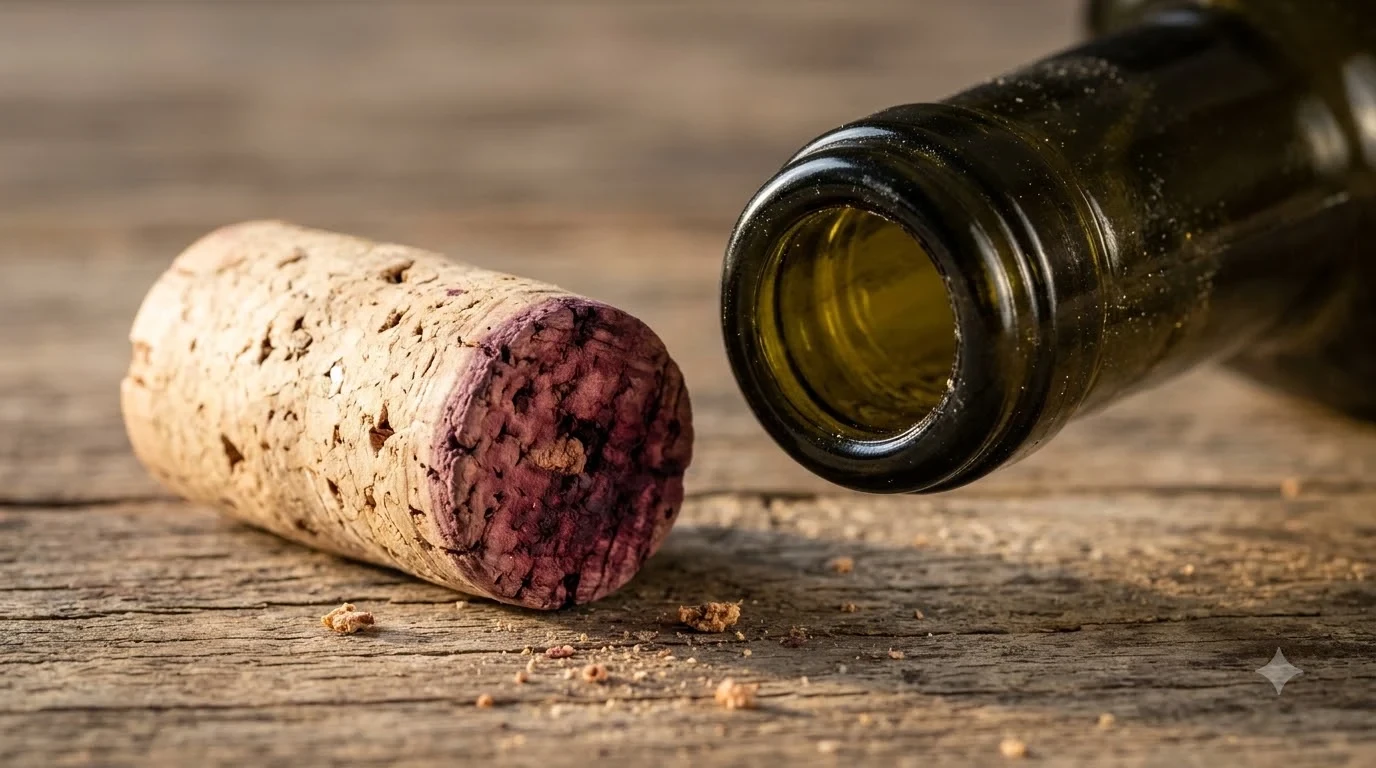
Even a sealed ancient bottle would not taste like wine after thousands of years. Wine is a living chemical mix that changes over time. Oxygen, heat, and light all work on its compounds, and the acids and sugars break down. Most of the flavor compounds that give wine its character are lost, and the liquid often turns into a flat or vinegary liquid long before anyone opens it.
The cork is another weak point. Organic corks dry, shrink, and let air in, while glass and clay containers can crack. Over centuries, the seal fails in almost every case. For this reason, collectors rarely expect a very old bottle to be pleasant, and experts generally treat surviving ancient wine as a historical curiosity rather than a beverage.
Storage conditions matter as much as age. A bottle kept cool, dark, and still for decades can remain sound far longer than one exposed to heat or sudden temperature swings. This is why wine cellars are built with stable temperatures, and why auction houses document a bottle’s history before they sell it. For ancient finds, the problem is even bigger, because the containers were never designed for long-term storage of a drink.
Older wines that people still discuss
Wine collectors and historians often talk about old bottles that survive into the modern era, even though these are not truly ancient. Some bottles from the eighteenth and nineteenth centuries have passed through auction houses and private cellars. Their condition varies widely, and the stories of how they were stored matter as much as the vintage on the label.
Readers who are curious about old wine often ask whether a bottle from a famous year is worth opening. The answer depends on the wine, the storage, and the purpose. For a collector, a documented bottle can be valuable as a record of a vintage, even if the taste has faded. For a dinner guest, a younger wine from a reliable producer usually gives more pleasure and less risk.
When people ask about the oldest wine they can buy, they usually mean a bottle with a documented vintage. Those bottles are rare and often expensive, and they are normally sold by specialist auction houses. A good starting point is to check the reputation of the seller and whether the bottle has a clear chain of custody.
Museums and research teams approach these finds with a different goal than wine lovers do. A curator asks what a jar can reveal about trade routes, farming, and religious practice, while a winemaker asks how the grapes tasted and how they were pressed. Both questions matter, and the physical remains give each group a different kind of evidence. The clay vessel shows the technology, the residue shows the ingredients, and the production site shows the scale of the work.
Tip: If you ever find an old bottle, do not assume it is safe to drink. Look for leakage, a damaged cork, or signs of heat exposure. Mold on the outside of the cork or a sharp vinegar smell is a sign to pour the wine away.
How the story of wine connects to modern bottles
The story of the oldest wine leads naturally to the way wine is made and sold today. Modern producers still rely on grapes, fermentation, and careful storage, but they also use temperature control, sealed closures, and detailed labeling. A bottle of wine from this year is closer in method to the ancient vessels than to a bottle from a few centuries ago, because the core process of turning grape juice into wine has changed very little.
For many readers, the most useful lesson is how wine moves from grape to glass. Understanding the basics helps with everyday choices, such as deciding which bottles to age and which to drink young. The guide to where champagne comes from shows how a single region can shape a style, and the Wine Q&A hub collects other practical answers.
Frequently Asked Questions
What is the oldest wine ever found?
The oldest evidence of wine production comes from the South Caucasus. Archaeologists have found signs that wine was consumed in Georgia around 6000 BC, and production sites from about 4100 BC have been found in Armenia.
Can you drink wine that is thousands of years old?
No. Wine changes over time through oxidation and chemical breakdown, and the seal almost always fails long before thousands of years pass. Surviving ancient wine is studied as a historical find rather than drunk.
What is the oldest wine you can buy?
Bottles with documented vintages from the eighteenth and nineteenth centuries sometimes appear at specialist auctions. Their condition is uncertain, so buyers should check the seller, the storage history, and the bottle’s appearance before purchase.
Why do some old wines fail when opened?
Cork seals dry out, let in air, and allow oxygen to change the wine over decades. Heat and light speed that process. A damaged cork or a leaking bottle is often the first sign that the wine has spoiled.
The oldest wine is a window into a very long human habit. The evidence points to the South Caucasus, the dates run into the thousands of years, and the liquid itself is gone. What remains is a clear record that people were making wine at the dawn of farming, and that the craft has carried forward into the bottles on shelves today.
More in Wine Basics
 Which Rose Is Best for Your Taste, Budget, and Food PairingsUpdated Nov 21, 2026
 Is Cheap Wine Bad? How to Find Bottles Worth DrinkingUpdated Nov 21, 2026
 What To Write On A Wine Gift Tag: Thoughtful Messages For Every OccasionUpdated Nov 21, 2026
 Which Wine Is Best For Weight Loss? Compare Lower-Calorie ChoicesUpdated Nov 21, 2026
 What Is The Best Wine For Mimosas? Choose Bubbly That Balances Orange JuiceUpdated Nov 20, 2026
 Which Prosecco Is Best for Your Taste and OccasionUpdated Nov 20, 2026