

We may earn a commission when you buy through links on this page, at no extra cost to you. Learn more.
What to write on a wine gift tag depends on the occasion and your relationship with the recipient, but a short, personal message expressing appreciation or celebration is usually the best choice. Try a simple line such as “Cheers to wonderful memories and even better moments ahead!” for a celebration or “A little something to enjoy whenever you like” for a host gift. Keep the wording warm, specific and easy to read, and include your name so the recipient knows who sent the bottle.
A bottle of wine makes a thoughtful present for birthdays, weddings, anniversaries, holidays, housewarmings and dinner invitations. The tag is a small detail, but it gives the gift a personal touch and explains why you chose that particular bottle. You don’t need elaborate poetry or technical wine terminology. A few sincere words can make a simple bottle feel carefully selected, whether you’re giving a California Cabernet Sauvignon, an Italian Chianti or a bottle of Champagne.
Who This Is For
A wine gift tag is useful for anyone presenting a bottle as a personal or professional gift. The best message depends less on the wine itself than on who receives it, why you’re giving it and how familiar you are with that person.
For friends and family, you can be relaxed, affectionate and even playful. A birthday bottle might carry the message “Here’s to another year of good company and great adventures.” For a close friend who enjoys collecting wine, a more personal note could mention a memorable dinner, a shared vacation or a bottle you both enjoyed previously.

For colleagues, clients and professional contacts, choose wording that communicates appreciation without becoming overly familiar. Something like “With appreciation for your continued partnership. Wishing you a wonderful celebration” works for a business gift. A manager or employee can also receive a wine gift with a straightforward message such as “Thank you for all your hard work. Enjoy this special treat.”
Wine gifts for hosts, newlyweds and relatives deserve slightly different approaches. A dinner-party host may appreciate a note thanking them for their hospitality, while a newly married couple may prefer a message celebrating their shared future. For parents, siblings or grandparents, a reference to a family tradition can make the tag especially meaningful.
Before choosing wine as a gift, consider whether the recipient drinks alcohol. Emily Post recommends choosing another gift, such as gourmet treats or sweets, when the recipient’s preferences are uncertain. This consideration is particularly important for professional gifts and invitations where you may not know someone’s personal circumstances.
If the recipient enjoys wine but has particular preferences, choosing a suitable bottle can make the accompanying message more meaningful. A little knowledge of wine terminology helps, too. For example, understanding what does DOC mean on wine can help explain why a bottle from a particular Italian region caught your attention.
Key Factors to Compare Before Writing a Wine Gift Tag
The most effective wine gift messages balance length, tone, occasion and personal detail. Think about these factors before writing, especially if the tag has limited space.
Length is the first consideration. A small bottle-neck tag should communicate its message quickly, while a folded greeting card can accommodate a longer note. As a practical writing target, use approximately 5 to 15 words for a compact tag and 20 to 50 words for a larger card. These are suggested writing limits rather than formal etiquette rules.
Tone matters just as much. A funny message may suit a close friend, but it can feel inappropriate for a wedding gift or a professional relationship. Likewise, a formal message may be perfectly acceptable for a business associate but unnecessarily stiff for a sibling.
| Gift situation | Suggested length | Recommended tone | Message priority |
|---|---|---|---|
| Birthday | 5–15 words | Cheerful | Celebration and good wishes |
| Wedding | 10–20 words | Romantic and warm | Love and shared memories |
| Anniversary | 5–15 words | Affectionate | Lasting happiness |
| Dinner party | 5–15 words | Grateful | Thanks for hospitality |
| Housewarming | 5–15 words | Friendly | New beginnings |
| Corporate gift | 10–20 words | Professional | Appreciation and goodwill |
| Holiday | 5–15 words | Festive | Seasonal wishes |
These suggested lengths make it easier to plan the available space without treating the tag like a full greeting card. If you have room for only two lines, prioritize the recipient and the occasion. A longer note can explain why you selected the bottle or share a personal memory.
The wine itself can also influence the message. A bottle of sparkling wine naturally suits a celebratory occasion, while a special vintage may deserve a note about the year or region. If the recipient enjoys learning about wine, a reference to the producer or grape variety can add another layer of interest.
Understanding terms such as what does Reserve mean on wine can help when you’re explaining why you selected a particular bottle. However, technical information should support the personal message rather than replace it.
Tip: Write the recipient’s name, one sincere thought and your signature. If the tag is small, leave detailed wine descriptions and longer personal messages for a separate card.
Step-by-Step: How to Write a Wine Gift Tag
Writing a good wine gift tag is straightforward when you build the message in a logical order. Start with the occasion, add one personal detail, and finish with a warm closing and your name.
Follow these steps to create a message that feels natural instead of copied from a generic greeting card.
-
Identify the occasion.
Decide whether the bottle is for a birthday, wedding, anniversary, holiday, housewarming or dinner invitation. The occasion determines the direction of the message. A birthday calls for celebration, while a thank-you gift should express appreciation.
-
Choose an appropriate tone.
Think about your relationship with the recipient. Use relaxed language for friends, affectionate wording for family and more polished expressions for professional contacts. A close friend’s birthday message can be humorous, but a client gift should remain courteous.
-
Include one personal detail.
Mention something that connects the bottle to its recipient. It could be a favorite grape variety, a shared holiday in Tuscany, a memorable dinner or a simple observation that the person enjoys sparkling wine. Specific details make the message feel intentional.
-
Write the main message.
Use one clear sentence or two short lines. For example, “For someone who makes every gathering special. Cheers to you!” communicates affection without taking up too much space.
-
Add a suitable closing.
Finish with “Cheers,” “With love,” “Best wishes” or “With appreciation,” depending on the relationship. A birthday gift can end with “Enjoy your day!” while a wedding bottle might close with “Wishing you a lifetime of happiness.”
-
Sign your name.
Include your first name, family name or the names of everyone contributing to the gift. This is particularly useful for group presents, office celebrations and bottles delivered to someone who may receive several gifts.
-
Check the presentation.
Read the message once before attaching it. Correct spelling, make sure the recipient’s name is right and confirm that the writing is legible. Tie the tag securely around the bottle neck with ribbon or string.
One useful technique is to write the message on paper before transferring it to the actual tag. This avoids cramped handwriting and gives you a chance to remove unnecessary words. If your handwriting is difficult to read, a printed tag with a handwritten signature can still feel personal.
For a particularly meaningful gift, consider including the reason behind your wine selection. Emily Post recommends explaining why a specific bottle was chosen, particularly when the giver knows the recipient’s preferences. For example, someone who enjoys Gewürztraminer might appreciate a note that mentions remembering their enthusiasm for that grape.
Wine Gift Tag Messages by Occasion and Style
The occasion provides the easiest starting point for choosing your words. Below are original message ideas for common gifting situations, ranging from formal celebrations to casual gatherings.
Each example can be copied directly or adjusted with a name, personal memory or reference to the wine.
Birthday wine gift messages
Birthday messages should feel celebratory without becoming overly complicated. A bottle of red, white or sparkling wine can accompany a simple wish for happiness and memorable moments.
- “Cheers to another wonderful year!”
- “A special bottle for a special birthday.”
- “May your year be filled with laughter and great memories.”
- “Another year older, another reason to celebrate.”
- “Wishing you happiness, good company and plenty of reasons to toast.”
- “Here’s to your next chapter. Make it a memorable one!”
For a close friend, a playful option might be “Age gets better with a little patience, just like good wine.” For a parent or grandparent, a warmer message such as “Thank you for making every year brighter. Happy birthday!” is more appropriate.
Wedding and engagement messages
Wedding gifts call for sincere wishes that celebrate the couple’s future together. Sparkling wine is a traditional choice for a toast, although a favorite still wine can be equally thoughtful.
- “Cheers to a lifetime of love and happiness.”
- “May your love grow stronger with every passing year.”
- “A little sparkle for your beautiful beginning.”
- “To love, laughter and many wonderful years together.”
- “Wishing you endless happiness and unforgettable celebrations.”
- “May every anniversary bring another reason to raise a glass.”
For an engagement, keep the wording focused on the exciting journey ahead. “Congratulations on finding your forever person. Here’s to the adventure!” is warm without being overly sentimental.
If the wine is intended to be opened on the wedding anniversary, mention that intention directly. “Save this bottle for your first anniversary and celebrate the memories you’ve made” gives the present a specific purpose.
Anniversary messages
An anniversary tag should recognize the relationship and the time spent together. Romantic wording is suitable for a spouse, while a more general congratulatory message works for friends or relatives.
- “Cheers to another year of loving each other.”
- “Still growing stronger, one beautiful year at a time.”
- “To a love worth celebrating.”
- “May your story keep getting better with age.”
- “Here’s to many more years of shared happiness.”
For parents celebrating a milestone, try “Your love has always been an inspiration. Happy anniversary!” If you’re giving a bottle to friends, “To the happy couple and all the adventures still ahead” is a friendly alternative.
Dinner party and host thank-you messages
When bringing wine to someone’s home, the tag should express gratitude without implying that the host must serve the bottle immediately. A short thank-you is usually all that’s needed.
- “Thank you for a wonderful evening. Enjoy this whenever you like.”
- “A little something to enjoy after the guests have gone.”
- “Thank you for opening your home and sharing your table.”
- “For a future evening of good food and great company.”
- “A special treat for a wonderful host.”
- “With gratitude for your generous hospitality.”
Wine Enthusiast recommends making it clear that the host can choose when to serve a gifted bottle. Its article, The Ultimate Host Gift for Any Occasion, offers “A special treat I thought you’d enjoy” as an example of wording that avoids putting pressure on the host. You can also say verbally that the bottle is for another evening, not a contribution to the planned dinner.
Housewarming messages
A new home deserves a message about fresh beginnings, happy gatherings and the memories still to come. These options work for first apartments, new houses and major renovations.
- “Here’s to happy memories in your new home!”
- “May your new home always be filled with laughter.”
- “A toast to fresh beginnings and wonderful neighbors.”
- “Wishing you many beautiful evenings in your new place.”
- “May every room hold a happy memory.”
Holiday and Christmas messages
Seasonal messages should be warm and easy to share. They can mention the holiday directly or simply express appreciation for the recipient.
- “Wishing you a holiday season filled with joy and good company.”
- “Cheers to a bright and beautiful New Year!”
- “A little holiday sparkle, just for you.”
- “May your celebrations be merry and memorable.”
- “With warm wishes for a wonderful holiday season.”
- “Here’s to friendship, family and festive moments.”
Professional and corporate wine messages
For a business associate, client or colleague, keep the wording polished and concise. Avoid inside jokes, overly personal references and anything that could be misinterpreted when the gift is shared with others.
- “With sincere appreciation for your continued partnership.”
- “Wishing you continued success and a wonderful celebration.”
- “Thank you for your dedication and outstanding contributions.”
- “With best wishes for a prosperous year ahead.”
- “A small token of appreciation. Thank you for your support.”
For a retiring colleague, “Wishing you a rewarding new chapter filled with wonderful moments” is appropriate. For a promotion, “Congratulations on your achievement. Here’s to continued success!” keeps the focus on the accomplishment.
Common Mistakes to Avoid on Wine Gift Tags
A thoughtful message can lose its charm if the wording is inappropriate, overly long or too demanding. Avoid a few common mistakes to make sure the tag adds to the gift rather than creating an awkward moment.
Writing too much
A bottle-neck tag is not a letter. Trying to include a long story, several compliments and a detailed description of the wine can make the writing difficult to read. Keep the main message to one or two sentences and use a separate greeting card for anything more personal.
For example, replace a lengthy paragraph about a friend’s recent achievements with “Congratulations on everything you’ve accomplished. Here’s to what’s next!” The sentiment remains clear, and the tag looks much neater.
Using jokes that may offend
Wine puns can work well with friends who share your sense of humor, but jokes about age, drinking habits, relationships or personal circumstances can easily miss the mark. Avoid suggesting that someone needs alcohol to relax or celebrate.
Safer humorous messages include “Good things take time. Fortunately, this bottle is ready!” or “A cork-worthy occasion deserves a proper celebration.” These keep the tone light without making the recipient the target of the joke.
Assuming the host will open the bottle
One of the most common wine-gifting misunderstandings involves dinner parties. The host may already have selected wines to accompany the menu, so a bottle brought as a gift does not automatically become part of the meal.
Emily Post and Wine Enthusiast both emphasize that guests should not expect their gift to be served that evening. Use wording such as “For you to enjoy whenever the occasion feels right” to avoid creating pressure. The Emily Post Institute explains this etiquette in its Simple Tips for Gifting Wine, including its recommendation to attach a small card explaining why the bottle was selected.
Making the message about the price
Do not mention what the bottle cost, apologize for its price or describe it as an expensive purchase. A gift tag should communicate appreciation, not provide a financial explanation.
The thought behind the bottle matters more than the amount spent. A wine selected because the recipient loves Oregon Pinot Noir can be more meaningful than a more expensive bottle that has no connection to their preferences.
Using unfamiliar wine terminology incorrectly
Technical terms can be useful when they have a genuine connection to the gift, but they are unnecessary for most personal messages. Avoid describing a wine as a particular style or quality level unless you understand what the terminology means.
For instance, a bottle labeled Reserve does not automatically need a lengthy explanation on its gift tag. A simple message about why you selected the wine will usually be more meaningful than an inaccurate technical description.
Ignoring the recipient’s preferences
A bottle of wine is not suitable for everyone. Consider the recipient’s preferences and circumstances before choosing both the wine and the message. Some people prefer nonalcoholic beverages, while others may avoid alcohol entirely.
If you’re uncertain, choose another thoughtful present. A specialty food basket, sparkling cider or gourmet chocolates can communicate the same appreciation without assuming that wine is welcome.
Care, Presentation and Storage Tips for Wine Gifts
A well-written tag deserves equally thoughtful presentation. Keep the bottle clean, attach the tag securely and consider how the wine will be transported and stored before the recipient opens it.
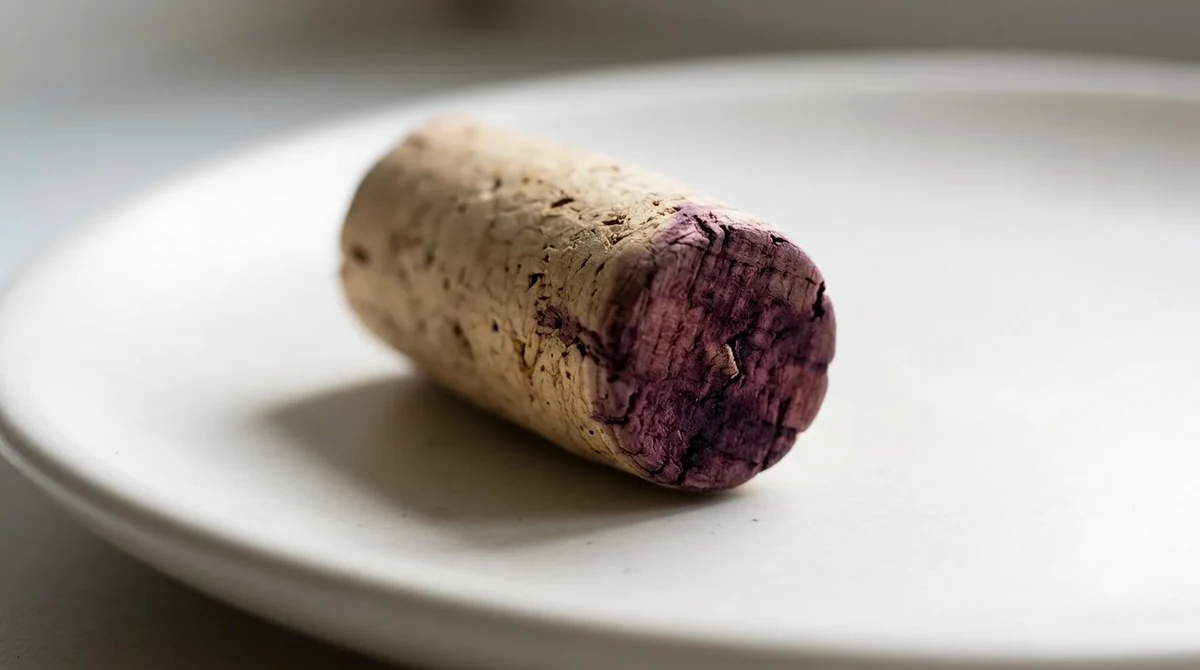
A ribbon around the bottle neck is one of the simplest presentation options. Wine Enthusiast identifies a bow, ribbon or gift tag as suitable ways to dress up a wine bottle without hiding its label. A small card attached with string also makes the gift easy to identify when several bottles are presented together.
Choose a tag that complements the occasion. Neutral paper, simple lettering and a narrow ribbon suit a professional gift, while colorful paper and festive designs work for birthdays and holidays. For a wedding, cream or white cardstock with a satin ribbon can create a more formal appearance.
Choosing the right tag material
Cardstock is a practical choice because it holds its shape and provides a smooth writing surface. A tag approximately 2 by 3 inches offers enough room for a short message and signature, although the exact dimensions can vary depending on the bottle and presentation.
For a rustic look, kraft paper and natural twine pair nicely with bottles from small producers. For an elegant presentation, use thicker white or cream cardstock and a restrained font. Waterproof tags can be useful if the bottle will be placed in an ice bucket or transported in damp conditions.
Avoid attaching the tag where it covers important label information. The recipient may want to see the producer, grape variety, vintage or region before opening the bottle.
Transporting and storing the bottle
Wine should be protected from excessive heat, direct sunlight and sudden temperature changes. A bottle left in a hot car for several hours may not arrive in the same condition as when it was purchased.
For longer-term storage, a cool, dark environment near 55 degrees F is a useful target. Bottles with natural cork closures are generally stored on their sides to keep the cork from drying out. A short-term gift does not require elaborate cellar arrangements, but avoiding a sunny windowsill or hot kitchen counter is sensible.
If you’re giving sparkling wine, keep the bottle cool during transportation when practical. Sparkling wine is generally served around 40 to 50 degrees F, while light whites and rosé are commonly served around 45 to 50 degrees F. Full-bodied red wines generally benefit from a serving temperature of approximately 60 to 65 degrees F.
Adding a personal touch
You can make the presentation more meaningful by attaching a small photograph, a handwritten memory or a separate note explaining the wine’s origin. A bottle from a vineyard visited during a trip can recall the journey, while a favorite regional wine can connect the gift to a family tradition.
If you’re giving a bottle for a future celebration, write the intended occasion on the tag. For example, “Save this for your first dinner in the new house” gives the recipient a reason to remember the gift. For a milestone birthday, “Open when the next big adventure begins” creates a similar sense of anticipation.
For an especially personal gift, you can also include a wine-related accessory such as a stopper, corkscrew or pair of glasses. Keep the tag focused on the recipient rather than turning it into a list of everything included.
Frequently Asked Questions
Should I write directly on a wine bottle instead of using a gift tag?
A removable tag is generally the more practical choice because it leaves the original bottle label intact. Writing directly on glass may require a permanent marker or paint pen, and the writing can become difficult to remove. If the bottle is intended as a keepsake, confirm that the recipient would appreciate a personalized bottle before marking it.
Should a wine gift tag include the vintage?
Including the vintage can be meaningful when the year has personal significance, such as a wedding year, graduation year or birth year. Vintage dates are particularly relevant for wines whose characteristics vary considerably between harvests. For a casual host gift, however, the date is optional rather than necessary.
What should I write when giving someone a bottle of wine from a trip?
Mention the place, experience or memory that connects you to the bottle. For example, “A little taste of Tuscany from our favorite stop on the trip” gives the recipient a story behind the gift. If you remember the vineyard or village, naming it can make the message even more distinctive.
Is it appropriate to give wine as a thank-you gift after an event?
Yes, provided you know the recipient welcomes alcoholic gifts. A follow-up bottle can be a thoughtful way to thank someone for hosting a weekend visit or organizing a special gathering. A handwritten note mentioning one specific thing you appreciated helps distinguish the gift from a routine gesture.
Can I use the same wine gift message for several recipients?
You can use a consistent greeting for a group of recipients, particularly for holiday or corporate gifts, but personalize the signature and occasion wherever possible. For example, a business might use the same seasonal greeting for several clients while adding each recipient’s name. This makes the presentation feel more considered without requiring a completely different message for every bottle.
The best wine gift tag messages are short, sincere and suited to the person receiving the bottle. Whether you’re celebrating a birthday, thanking a dinner-party host or congratulating newlyweds, a few carefully chosen words can make the gift more memorable. Choose a message that sounds like you, add a personal detail and let the wine be part of the celebration.
More in Wine Basics
 Which Rose Is Best for Your Taste, Budget, and Food PairingsUpdated Nov 21, 2026
 Is Cheap Wine Bad? How to Find Bottles Worth DrinkingUpdated Nov 21, 2026
 Which Wine Is Best For Weight Loss? Compare Lower-Calorie ChoicesUpdated Nov 21, 2026
 What Is The Best Wine For Mimosas? Choose Bubbly That Balances Orange JuiceUpdated Nov 20, 2026
 Which Prosecco Is Best for Your Taste and OccasionUpdated Nov 20, 2026
 Which Wine Is Best For Health? Understand the Risks and BenefitsUpdated Nov 20, 2026