


We may earn a commission when you buy through links on this page, at no extra cost to you. Learn more.
What does reserve mean on wine? In the United States, Reserve usually indicates a wine that a producer considers a special or premium bottling, but the term has no federally established quality or aging standard. Some wineries use it for carefully selected barrels, vineyard lots, or wines made with additional aging. In countries such as Spain and Italy, similar terms have specific legal requirements that make their meaning more consistent.
Seeing Reserve on a wine label can create the impression that a bottle offers something beyond the winery’s regular selection. That impression may be justified, but the word alone does not tell you how the wine was produced or whether it deserves a place in your collection. Understanding the difference between American marketing language and European aging classifications makes it easier to evaluate a bottle before buying it.
What Reserve Means on American Wine Labels
For American wine, Reserve generally describes a bottling that a winery wants consumers to recognize as a special selection. It may represent the producer’s preferred blend, a carefully chosen group of barrels, or a wine made from grapes selected for a particular style. However, American federal wine-label regulations do not establish a universal definition of Reserve.
This distinction matters because two wineries can use the same word while following completely different production practices. One producer might reserve its best Cabernet Sauvignon barrels for a separate bottling, while another might use Reserve as part of a familiar product name without changing its aging process, vineyard sourcing, or production volume. Neither use is automatically proof of superior quality.
Wine Enthusiast explains that the term is largely unregulated in the United States and that producers have discretion over how they apply it. There is no universal requirement for 12 months in oak, a minimum number of bottles, or a particular grape selection. A winery can establish its own internal standards, but those standards are not shared across the American wine industry. Its explanation of what Reserve means on wine labels in different countries also highlights the contrast between New World marketing usage and European classifications.
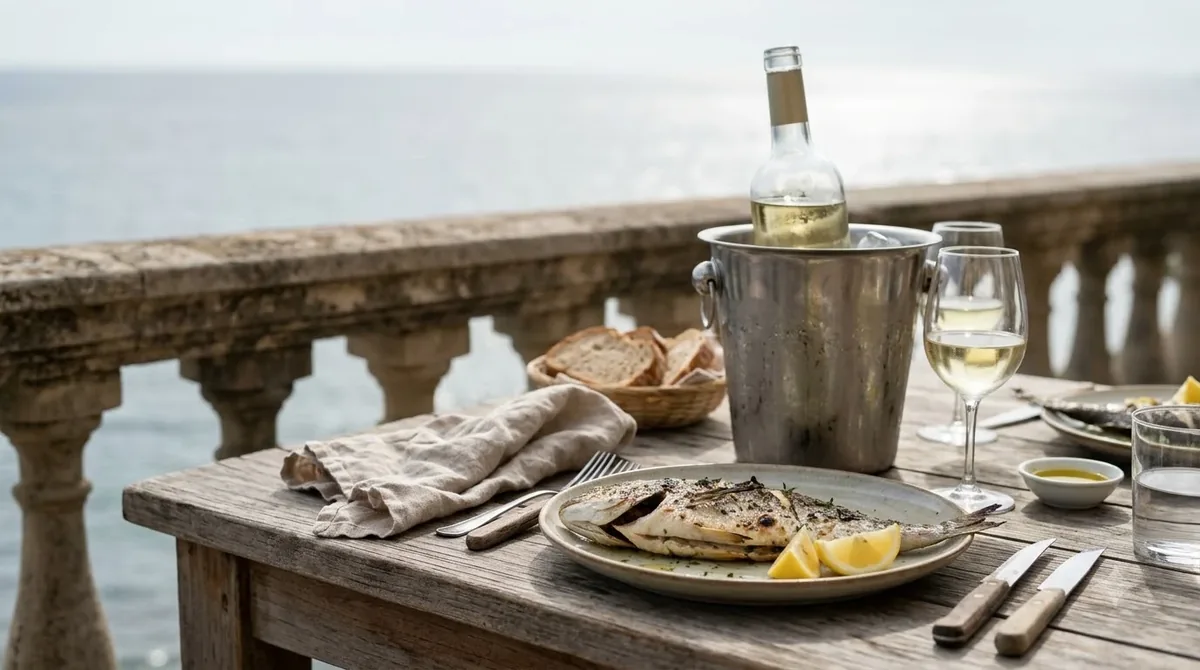
This does not mean that American Reserve wines are meaningless or that producers never use the designation carefully. Many wineries maintain distinct production tiers, and their Reserve bottlings can represent genuine differences in vineyard selection, blending decisions, and cellar treatment. The important distinction is that those differences come from the winery’s practices rather than a nationwide legal definition.
For example, a California winery might produce a regular Merlot and a separate Reserve Merlot from selected vineyard blocks. The second wine could have more concentrated fruit, a different barrel program, or a longer maturation period. Another winery in Oregon might use Reserve for a Pinot Noir made from selected lots. These are possible producer practices, not requirements attached to the word.
When evaluating an American Reserve bottle, look for specific information about its grapes, vineyard, vintage, production approach, and aging. If the winery explains what separates the Reserve bottling from its standard wine, the designation becomes more useful. If the label provides no meaningful distinction, treat the word as a producer’s description rather than an independent quality guarantee.
Why Reserve Does Not Automatically Mean Better Quality
A Reserve designation can suggest higher quality, but it cannot guarantee that a wine will taste better than another bottle from the same producer. Wine quality depends on several factors, including grape condition, vineyard management, harvest decisions, fermentation, blending, and storage. A special label cannot compensate for shortcomings in those areas.
Consider two bottles from the same winery. Its regular Cabernet Sauvignon might come from an excellent vintage, have balanced acidity, and show well-integrated tannins. The Reserve version might use more new oak and have a richer profile, but that does not mean every drinker will prefer it. Someone who enjoys fresh fruit and restrained oak may find the regular wine more appealing.
Oak aging is another reason to avoid making assumptions. New oak can contribute aromas and flavors associated with vanilla, baking spice, toast, and cedar. Extended maturation can also influence texture and the integration of tannins. However, oak exposure is not automatically a sign of better winemaking, and a Reserve label does not require any particular barrel treatment.
Production volume is similarly variable. A winery might make a small Reserve bottling from selected barrels, while another could produce a much larger quantity. There is no universal maximum number of cases associated with the designation. A limited production statement is meaningful only when the winery provides actual production information.
Vintage conditions also influence how two wines compare. Temperature, rainfall, vineyard health, and harvest timing affect the grapes that eventually enter the winery. A regular bottling from a favorable growing season can outperform a Reserve bottling from a more difficult vintage, depending on the producer’s decisions and the wine’s development.
It is also important to distinguish personal preference from technical quality. A structured Cabernet Sauvignon might be highly regarded for its concentration and tannin balance, but a lighter Pinot Noir may better suit someone looking for fresh red fruit and higher acidity. A wine’s ability to deliver the style promised by its producer is more useful than the presence of one premium-sounding word.
For a more informed comparison, consider these questions:
- Does the Reserve wine use different vineyard blocks or grape selections?
- Does the producer explain its barrel-aging or maturation program?
- Is the Reserve bottling made only in selected vintages?
- Are independent reviews available for both the regular and Reserve wines?
- Does the wine’s flavor profile match the style you actually enjoy?
If a winery provides clear answers, Reserve can help identify a distinct bottling within its range. If those details are missing, there is no reason to assume the designation represents a measurable improvement.
How Reserva Works in Spain, Especially Rioja
Spain provides one of the clearest examples of the difference between an informal Reserve label and a regulated aging classification. The Spanish term Reserva has defined requirements within protected wine denominations, including Rioja. Instead of relying entirely on a winery’s marketing decisions, these classifications establish minimum maturation periods before release.
Rioja, located in northern Spain along the Ebro River, divides its vineyards into three principal areas: Rioja Alta, Rioja Alavesa, and Rioja Oriental. Its wines are classified using aging categories that include Crianza, Reserva, and Gran Reserva. Each category follows specific rules, and the regional Control Board oversees the denomination’s quality and certification procedures.
According to the Rioja regulatory materials, red Reserva wines must undergo at least 36 months of combined aging in oak barrels and bottles. This period must include at least 12 months in oak and at least six months in bottle. The remaining maturation time takes place within the permitted aging process.
White and rosé Reserva wines follow a different timeline. They require at least two years of aging, including a minimum of six months in oak barrels. These differences demonstrate why it is important to identify the wine’s color and appellation before applying an aging rule.
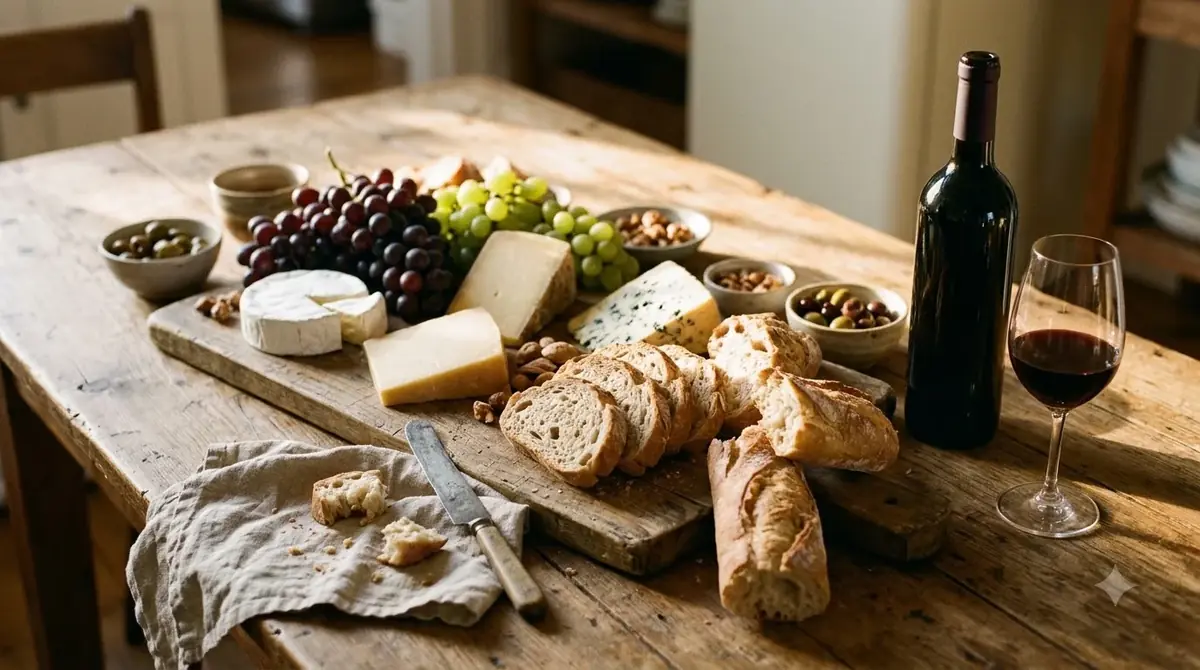
Gran Reserva represents a longer maturation category. Rioja red Gran Reserva requires at least 60 months of aging, including a minimum of 24 months in oak barrels and 24 months in bottle. White and rosé Gran Reserva wines require at least four years of aging, including at least six months in oak. The official Rioja classification information provides further details about these categories and their maturation requirements.
The following table summarizes the principal Rioja requirements published by the denomination’s official materials. These are minimum aging periods, not predictions of how long every wine will remain enjoyable after purchase.
| Rioja classification | Minimum total aging | Minimum oak aging | Minimum bottle aging |
|---|---|---|---|
| Red Crianza | 24 months | 12 months | No separate minimum stated here |
| Red Reserva | 36 months | 12 months | 6 months |
| Red Gran Reserva | 60 months | 24 months | 24 months |
| White and rosé Reserva | 24 months | 6 months | No separate minimum stated here |
| White and rosé Gran Reserva | 48 months | 6 months | No separate minimum stated here |
One important detail deserves attention: red Crianza and red Reserva are not interchangeable classifications. Rioja Crianza requires at least two years of aging, including at least one year in oak, while Reserva requires three years overall and a separate minimum of six months in bottle. The categories therefore communicate different maturation requirements.
These extended periods help explain why a Spanish Reserva can have a different flavor profile from a younger wine. Time in oak may contribute cedar, spice, and toasted notes, while bottle maturation allows the wine’s components to develop together. Tempranillo, a major red grape in Rioja, can show cherry, plum, dried fruit, and savory characteristics as it matures.
For buyers, the practical advantage is consistency. When a bottle carries a certified Rioja Reserva designation, the aging category has a defined meaning. It still does not guarantee that every producer makes equally enjoyable wine, but it provides more concrete production information than the word Reserve on an American bottle.
To understand the geographical side of European wine labeling, it also helps to learn what does DOC mean on wine. Origin designations and aging classifications answer different questions: one identifies the wine’s protected geographical identity, while the other describes requirements associated with its production and maturation.
What Riserva Means on Italian Wine Bottles
Italy uses the term Riserva for certain wines carrying protected designations of origin. Unlike the unrestricted use of Reserve on American labels, Riserva has a legal framework that establishes minimum aging periods. However, the exact requirements can differ according to the individual denomination and its production specifications.
Italian national legislation establishes general minimum periods of two years for red Riserva wines and one year for white Riserva wines. These periods include the applicable maturation and finishing stages. Individual appellations can establish stricter rules, meaning that a particular Riserva may require substantially longer aging before release.
Italian sparkling wines also have specific provisions. Under the general national rules, sparkling wines produced using the Martinotti or Charmat tank method require at least one year for the Riserva designation. Sparkling wines produced through natural secondary fermentation in the bottle require at least three years.
These figures make it clear that Riserva is not simply an Italian spelling of the American marketing term. The designation connects the wine to a protected origin and an established production framework. For the exact requirements of an individual wine, the relevant appellation’s specification remains important.
Examples of Italian Riserva wines
Several well-known Italian denominations use Riserva to distinguish wines that undergo additional maturation. Chianti Classico, Barolo, and Brunello di Montalcino are useful examples because they have their own aging requirements and established wine styles.
Chianti Classico is primarily associated with Sangiovese. Its Riserva category has specific aging requirements that go beyond the basic national minimum. Barolo, made principally from Nebbiolo, is known for its pronounced tannins, acidity, and capacity to develop with age. A Barolo Riserva follows a more demanding maturation schedule than the standard release.
Brunello di Montalcino is another important example. Made from Sangiovese in the Montalcino area of Tuscany, it has an established aging framework, with Riserva representing a longer maturation category. Its structure and acidity make it a wine style that can benefit from additional time in the cellar.
These wines illustrate why the appellation name matters as much as the word Riserva. The term signals compliance with the relevant requirements, but the number of aging months and the balance between barrel and bottle maturation depend on the wine’s specific denomination.
For American buyers, the simplest approach is to distinguish three pieces of information: the grape variety, the Italian denomination, and the Riserva designation. Together, they provide a more useful description of the bottle than the word alone.
What Producers May Actually Do Differently With Reserve Wine
Although American Reserve has no universal legal definition, wineries often use it to identify a wine made through a different selection or production process. Understanding these practices helps explain what the designation may represent when it is supported by detailed information from the producer.
Barrel selection
One common practice is to select particular barrels after fermentation and maturation. A winery may evaluate several lots of Cabernet Sauvignon, Merlot, or Syrah before choosing those that show the desired concentration, balance, or texture. The selected barrels can then be blended into a separate Reserve bottling.
For example, a producer might ferment 20 individual lots and choose five for a separate wine. This is an illustrative production decision, not a universal Reserve standard. Another winery might select a completely different number of barrels or use a different method.
Vineyard selection
Some wineries use grapes from particular vineyard blocks or sites for their Reserve wines. Differences in elevation, soil composition, sun exposure, and drainage can influence grape development. A producer might favor one vineyard for its concentrated fruit or another for its acidity and structure.
A Reserve Cabernet Sauvignon from a carefully selected vineyard block may have a different character from the winery’s standard Cabernet blend. However, the word Reserve does not establish that the grapes came from a single vineyard. The producer needs to identify the vineyard separately if that information is relevant.
Additional maturation
Some producers give Reserve wines additional time in oak or bottle before release. This can change the wine’s aromatic profile, texture, and integration of tannins. The amount of time and the type of barrels used depend on the winery’s production decisions.
For example, one producer might mature a regular Cabernet Sauvignon for 12 months in oak and a Reserve version for 18 months. Another might mature both wines for the same period but use different barrel selections. Neither practice is required by the American Reserve designation.
Blending decisions
Blending can also create a meaningful distinction. A winery might produce a Reserve Bordeaux-style blend with a different balance of Cabernet Sauvignon, Merlot, and Cabernet Franc than its regular release. The result could be fuller-bodied, more structured, or more aromatic, depending on the grapes and winemaking decisions.
These examples show why the producer’s explanation is so valuable. Rather than guessing what Reserve means, look for a clear description of the differences between the winery’s regular and premium wines.
How to Evaluate a Reserve Bottle Before Buying
The best way to evaluate a Reserve wine is to look beyond the front label and investigate the details that explain its origin and production. Start with the country, producer, grape variety, and vintage, then look for specific information about vineyard selection, oak treatment, and maturation.
First, identify where the wine comes from. A California Reserve Cabernet Sauvignon does not follow the same terminology rules as a Rioja Reserva Tempranillo or an Italian Riserva Barolo. The country and appellation establish the context for understanding the designation.
Second, research the producer. A winery with clearly defined production tiers may explain exactly what distinguishes its Reserve wines. Look for descriptions of vineyard blocks, barrel selection, fermentation techniques, and the amount of time the wine spends aging before release.
Third, consider the grape and the wine style. Cabernet Sauvignon generally has high tannin, while Merlot usually has softer, medium tannin. Pinot Noir typically has lower-to-medium tannin and relatively high acidity. These differences influence how a wine develops and what kind of food it pairs with.
Fourth, consider the vintage. Growing conditions influence ripeness, acidity, and concentration. A Reserve wine from one vintage may be quite different from the same producer’s Reserve bottling from another year. Vintage information can help explain why the producer selected particular grapes or changed its blend.
Fifth, look for independent reviews and detailed tasting descriptions. Reviews are useful when they explain a wine’s structure, fruit character, acidity, tannins, and oak influence. A score alone is less informative than an explanation of the style and how it compares with the producer’s other releases.
It is also useful to distinguish Reserve from other label descriptions. For example, Estate Bottled has a specific meaning relating to the winery’s control of the vineyard and production process. Understanding what does estate bottled mean helps prevent confusion between a sourcing and production statement and a producer’s premium-tier designation.
Tip: Before choosing a Reserve wine, find one concrete difference between it and the producer’s regular bottling. A documented vineyard selection, different barrel program, or longer maturation period is more informative than the word Reserve by itself.
Serving the wine correctly also matters. Full-bodied red wines are generally best served around 60–65 degrees Fahrenheit, while lighter reds such as many Pinot Noirs are better around 55–60 degrees Fahrenheit. Serving temperature influences how aromas, alcohol, acidity, and tannins are perceived.
Young, full-bodied red wines may benefit from 30–60 minutes of decanting, depending on their structure and development. This can help the wine open up and make its aromas more accessible. Older bottles require more careful handling because prolonged exposure to air can diminish delicate aromas.
For food pairing, match the wine’s structure to the meal. A tannic Cabernet Sauvignon can work well with fatty beef because fat helps soften the perception of tannin. A high-acid wine can complement acidic dishes, while lighter Pinot Noir can be a better choice for some preparations of salmon or roasted poultry than a heavily tannic red.
Finally, think about storage if you intend to keep the bottle. Wine is generally best stored on its side in a cool, stable environment near 55 degrees Fahrenheit, away from direct sunlight and significant temperature fluctuations. A Reserve designation does not automatically mean a bottle is suitable for decades of aging; the wine’s structure, vintage, producer, and storage conditions matter much more.
For readers who want to learn more about wine terminology and labeling, the Wine Q&A section provides a useful starting point. Understanding terms such as DOC, Reserva, Riserva, and Estate Bottled makes it easier to separate information about origin and production from promotional descriptions.
Frequently Asked Questions
Is Reserve wine always more expensive than regular wine?
No. Reserve is not a legally defined price category in the United States, and producers can position their wines differently. A winery may charge more for a Reserve bottling because it uses selected grapes or additional maturation, but the designation itself does not establish a minimum retail price or production cost.
Can a white wine be labeled Reserve?
Yes. American wineries can use Reserve for white wines, including Chardonnay, Sauvignon Blanc, and Riesling. The designation does not require a red grape variety or oak aging, and a Reserve white wine can be fermented and matured in stainless steel.
Does Reserve wine need to come from one vintage?
No universal American Reserve rule requires a single vintage. Non-vintage wine can combine grapes or finished wine from different harvest years when permitted by the applicable labeling rules. A vintage date and the Reserve designation communicate separate information about a bottle.
Does Reserve mean a wine is suitable for long-term cellaring?
Not necessarily. Long-term aging depends on the wine’s acidity, tannin structure, fruit concentration, production methods, and vintage. Even a premium Reserve white wine made for early enjoyment may be best consumed relatively young rather than stored for many years.
Is there a difference between Reserve and Grand Reserve?
In the United States, Grand Reserve generally has no universal federal wine-aging definition either. A producer may use it to identify another tier within its own range, but the designation does not establish a standardized number of additional aging months. European terms such as Gran Reserva, however, can have specific requirements within individual appellations.
Reserve can be a useful clue when a winery uses it to identify a genuinely distinct wine, but it should never replace information about the producer, grape variety, origin, and production process. The distinction is particularly important when comparing American Reserve wines with regulated Spanish Reserva and Italian Riserva bottlings. Ultimately, the most reliable choice is a wine whose documented production details and style match what you enjoy drinking.
More in Wine Basics
 Which Rose Is Best for Your Taste, Budget, and Food PairingsUpdated Nov 21, 2026
 Is Cheap Wine Bad? How to Find Bottles Worth DrinkingUpdated Nov 21, 2026
 What To Write On A Wine Gift Tag: Thoughtful Messages For Every OccasionUpdated Nov 21, 2026
 Which Wine Is Best For Weight Loss? Compare Lower-Calorie ChoicesUpdated Nov 21, 2026
 What Is The Best Wine For Mimosas? Choose Bubbly That Balances Orange JuiceUpdated Nov 20, 2026
 Which Prosecco Is Best for Your Taste and OccasionUpdated Nov 20, 2026