

We may earn a commission when you buy through links on this page, at no extra cost to you. Learn more.
Which wine is best for health? No alcoholic wine is considered the healthiest choice, because red, white, and rosé all contain alcohol that carries health risks. Red wine receives the most attention for its polyphenols and resveratrol, but research has not established that drinking it improves heart health. If reducing health risks is the priority, drinking less alcohol or choosing not to drink is a better-supported approach than switching wine varieties.
Wine has a long-standing reputation as a relatively beneficial alcoholic beverage, particularly when compared with stronger spirits. Red wine, in particular, is frequently associated with antioxidants, Mediterranean eating patterns, and cardiovascular research. However, understanding the difference between nutrients found in grapes and the effects of drinking alcohol is essential before choosing a bottle. This guide explains what scientific research actually supports, how different wine styles compare, and what practical details matter when evaluating a wine’s potential health effects.
Who Should Consider Wine’s Health Effects Before Buying?
Anyone comparing wines for nutritional or lifestyle reasons should understand that the alcohol itself matters more than the color or prestige of the bottle. People who already drink wine may want to understand their consumption patterns, while those who do not drink should not view wine as a necessary addition to a healthy lifestyle.
Red wine drinkers often encounter claims about resveratrol, polyphenols, and heart protection. These compounds are genuinely present in grapes and some red wines, but their presence does not establish that consuming alcoholic wine produces a net health benefit. The American Heart Association specifically states that people should not start drinking wine to improve cardiovascular health.
Other consumers have different considerations. Someone monitoring sugar intake may compare dry and sweet wines, while someone concerned about alcohol exposure may examine alcohol by volume (ABV). People taking medications, managing diabetes, or dealing with particular medical conditions also have additional considerations that cannot be resolved simply by choosing Cabernet Sauvignon instead of Chardonnay.
The distinction between personal preference and health evidence is important. A person might prefer a dry red wine because of its flavor, tannin, and food compatibility. That preference does not make the wine medically preferable to a dry white. Similarly, organic certification, a premium vineyard, and a natural-wine label do not establish that a bottle is safer to consume.
There are also circumstances in which avoiding alcohol is particularly important. Pregnancy, attempts to become pregnant, certain medications, and some medical conditions require additional caution. The American Heart Association identifies pregnancy, being under 21, and interactions with medications or health conditions among circumstances in which people should not drink.
Key Factors to Compare When Evaluating Wine and Health
The most meaningful comparison starts with alcohol exposure, followed by serving size and sugar content. Wine color and antioxidant reputation are secondary considerations because neither removes the established risks associated with ethanol.
Alcohol by volume is one of the most useful figures on a wine label. A bottle with a higher ABV contains more alcohol in the same poured quantity than a bottle with a lower ABV. This means two glasses that look identical can deliver different amounts of alcohol, even if both wines are labeled dry.
Serving size matters just as much. The American Heart Association identifies 5 ounces of 12% ABV table wine as one standard drink. A generous restaurant pour can exceed that amount, and a second glass adds another standard drink. Looking at the actual quantity poured is more informative than counting glasses without considering their size.
| Comparison factor | Typical reference | Why it matters |
|---|---|---|
| Standard wine serving | 5 fl oz | Reference quantity for one standard drink of typical table wine |
| Reference wine strength | 12% ABV | Used in the American Heart Association’s standard wine serving example |
| Standard drink alcohol | About 14 g | Approximate ethanol content of a US standard drink |
| Typical bottle size | 750 ml | Contains approximately five 5-ounce servings |
| US moderation guidance for men | Up to 2 drinks daily | Upper limit in the Dietary Guidelines for Americans |
| US moderation guidance for women | Up to 1 drink daily | Upper limit in the Dietary Guidelines for Americans |
| General wine calories | About 100–150 per glass | Approximate range reported by the American Heart Association |
These figures are reference points, not health targets or guarantees of safety. The US moderation limits describe public health guidance for adults who choose to drink. They do not mean that drinking up to those amounts is risk-free, nor do they suggest that someone should consume alcohol to reach a particular daily allowance.
Sugar is another factor, especially for people comparing wine styles for carbohydrate intake. Dry wines generally have less residual sugar than sweet wines, although the exact amount varies by production method and bottle. Alcohol itself also contributes calories, so a dry wine is not automatically a low-calorie beverage.
For a better understanding of the differences between residual sugar and sweetness, see our explanation of which wine is sweet. The distinction helps separate a wine’s flavor profile from its alcohol content and overall nutritional characteristics.
Tip: Compare the ABV and actual serving size before comparing wine colors. A 5-ounce pour of 12% ABV wine is the American Heart Association’s standard example, but larger pours and stronger wines contain more alcohol.
Step-by-Step: How to Make a More Informed Wine Choice
A practical buying decision should begin with whether alcohol belongs in the person’s lifestyle at all. If someone already drinks, understanding the bottle, the pour, and the frequency of consumption provides more useful information than relying on claims about antioxidants.
The following steps provide a straightforward framework for evaluating wines without confusing marketing language with established evidence.
- Decide whether drinking alcohol is appropriate. People who do not drink should not start for potential cardiovascular benefits. Anyone who is pregnant, under the legal drinking age, taking medication that interacts with alcohol, or managing a relevant medical condition should consider the circumstances in which alcohol should be avoided.
- Examine the ABV. Compare the alcohol percentage of the wines under consideration. A bottle at 14% ABV contains more alcohol per identical pour than one at 11% ABV. Lower ABV does not mean zero risk, but it helps clarify how much ethanol a serving delivers.
- Understand the serving size. Use 5 ounces as the standard US reference for table wine at 12% ABV. Do not assume that a large restaurant glass or a home pour contains only one standard drink.
- Separate antioxidant claims from alcohol effects. Red wine contains polyphenols, including resveratrol, but these compounds are also present in nonalcoholic foods. A claim about the benefits of grape compounds is not proof that drinking wine improves health.
- Compare residual sugar when it is relevant. Dry, off-dry, and sweet wines have different sugar profiles. Consider this information separately from ABV, especially when evaluating carbohydrate intake or planning meals.
- Consider drinking frequency. The number of drinking occasions and the quantity consumed during each occasion both matter. Regular consumption should not be treated as a health routine simply because the amount in an individual glass appears small.
- Look beyond the front-label claims. Words such as organic, natural, reserve, and antioxidant-rich do not establish that a wine has lower alcohol-related health risks. Focus on measurable characteristics rather than promotional descriptions.
- Choose a nonalcoholic alternative when avoiding alcohol is the priority. Alcohol-free grape beverages and other nonalcoholic drinks can provide a wine-like experience without the same intended ethanol exposure. Verify the product’s actual alcohol content if complete avoidance is necessary.
This process helps shoppers distinguish wine characteristics from medical claims. It also prevents a common mistake: assuming that choosing a particular grape variety can compensate for the effects of alcohol itself.
For additional terminology and explanations of common wine labels, the Wine Q&A section provides useful background on how wine styles are classified and described.
Types of Wine and Their Potential Health Differences
Red wine is the variety most frequently discussed in research about polyphenols, but white wine, rosé, and sparkling wine also contain alcohol. Their differences in production, grape contact, sweetness, and ABV can affect their composition without establishing one as the healthiest alcoholic choice.
Red wine
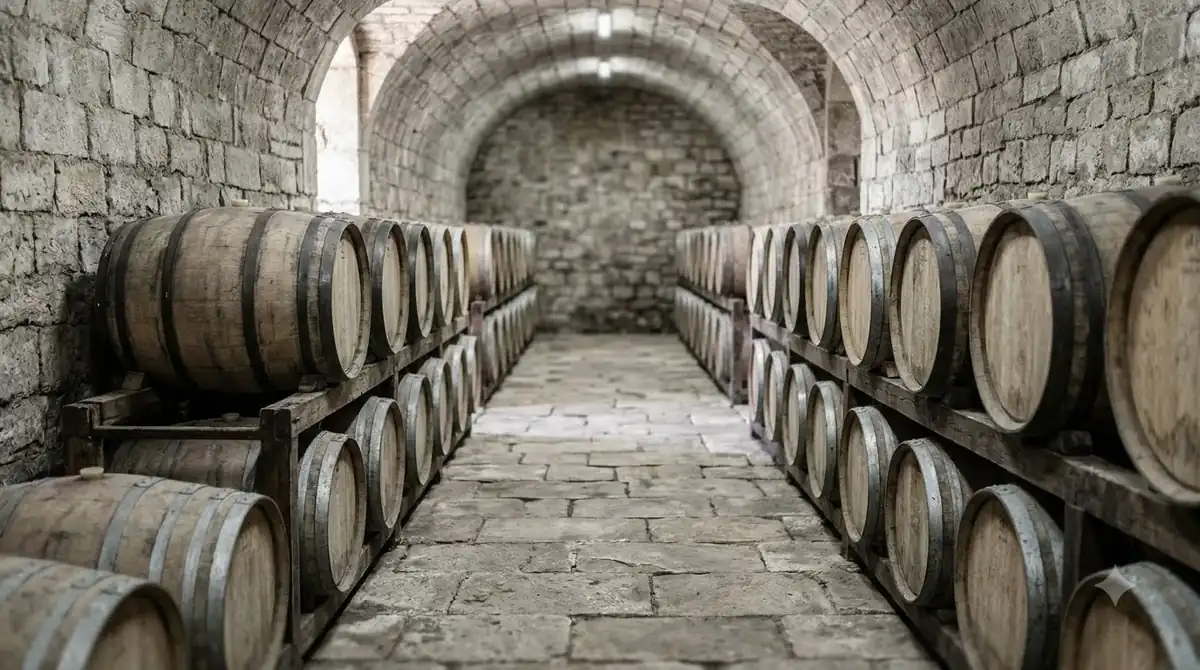
Red wine is made using red or black grape varieties, generally with extended contact between the fermenting juice and grape skins. This skin contact helps extract color, tannins, and various phenolic compounds. Examples include Cabernet Sauvignon, Merlot, Pinot Noir, and Syrah.
Resveratrol is a polyphenol found in grape skins, which explains its association with red wine. However, the amount present varies, and its presence should not be confused with a proven cardiovascular benefit from drinking alcohol. Mayo Clinic describes the research on resveratrol as mixed, with some studies suggesting possible effects and others finding no protection against heart disease. Its explanation of red wine and resveratrol also identifies grapes and grape juice as alternative sources of the compound.
Red wine is therefore interesting from a food chemistry perspective, but its antioxidant reputation does not make it a health product. Choosing Pinot Noir over another grape variety does not eliminate ethanol exposure or its associated risks.
White wine
White wine is generally produced with less extended skin contact, resulting in a different profile of phenolic compounds from many red wines. Popular examples include Chardonnay, Sauvignon Blanc, Pinot Grigio, and Riesling.
Some white wines contain less of certain skin-derived polyphenols than red wines, but that does not establish that they are more harmful or that red wine is healthier overall. Alcohol exposure remains an important factor regardless of whether the wine is white or red.
Dry white wines can be useful for shoppers who prefer less residual sugar. However, a dry Chardonnay and a dry Cabernet Sauvignon should not be ranked by healthfulness based on sweetness alone. Their alcohol content, serving size, and frequency of consumption remain relevant.
Rosé wine
Rosé is produced using red grape varieties with relatively limited skin contact or other permitted production techniques. This gives the wine its pink color and a profile that can sit between some red and white wine styles.
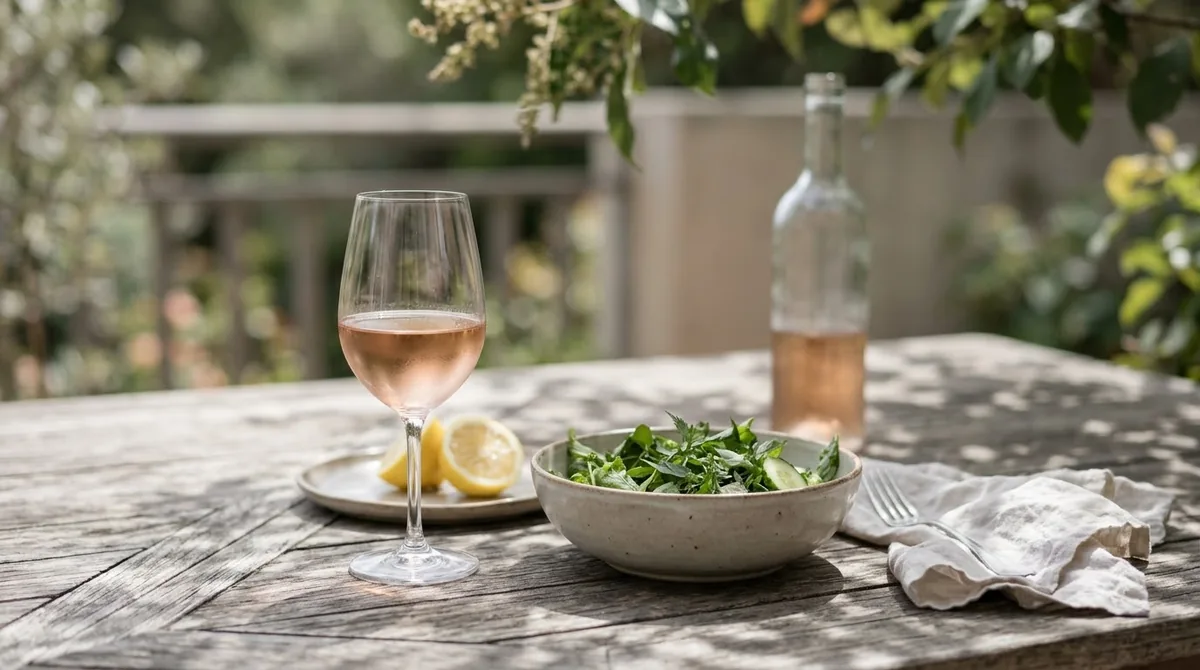
Rosé may contain some grape-derived phenolic compounds, but there is no established evidence that its color provides a special health advantage. Provence-style rosé, for example, should be selected for its flavor, freshness, and food compatibility rather than an assumed medical benefit.
Sparkling wine
Sparkling wine includes styles such as Champagne, Cava, and Prosecco. These wines differ in grape varieties, production methods, sweetness classifications, and alcohol content. Champagne and Cava generally undergo their second fermentation in the bottle, while Prosecco commonly uses the tank method and is made primarily from Glera grapes.
Sparkling wine is not inherently healthier than still wine. Its bubbles do not neutralize ethanol, and a Brut label describes a sweetness category rather than a guarantee of low alcohol or low calories. Consumers comparing sparkling bottles should consider ABV and actual serving size just as they would with still wines.
Alcohol-free and dealcoholized wine
Alcohol-free and dealcoholized wines deserve separate consideration because their intended alcohol exposure differs from conventional wine. Producers may use techniques such as vacuum distillation or membrane filtration to remove alcohol while retaining some aroma, color, and flavor components.
These beverages can be useful alternatives for people who want a wine-style drink without conventional alcohol consumption. However, products differ in residual alcohol, sugar, and calories. A bottle described as alcohol-free should not automatically be assumed to contain absolutely zero alcohol, particularly when strict avoidance is important.
The most important distinction is that nonalcoholic grape products can provide grape-derived compounds without requiring the consumption of alcoholic wine. Mayo Clinic also identifies grapes, red and purple grape juice, peanuts, blueberries, and cranberries as alternative sources of resveratrol.
Common Mistakes About Wine and Health
Many wine-related health claims begin with a real scientific observation but turn it into a broader conclusion than the evidence supports. Understanding these mistakes helps consumers distinguish a potentially useful nutritional fact from an unsupported recommendation to drink alcohol.
Assuming red wine protects the heart
The belief that red wine prevents heart disease is one of the most persistent misconceptions in wine culture. Some observational studies have found associations between moderate alcohol consumption and certain cardiovascular outcomes. However, an association does not prove that wine itself caused the difference.
Diet, exercise, income, healthcare access, smoking patterns, and other lifestyle characteristics can affect research findings. The American Heart Association explains that researchers have not established a cause-and-effect relationship between drinking alcohol and better heart health. It therefore does not recommend wine as a cardiovascular prevention strategy.
Thinking antioxidants cancel out alcohol
Red wine contains polyphenols, but these compounds do not cancel out the biological effects of ethanol. A wine can contain naturally occurring grape antioxidants and still expose the consumer to an intoxicating substance associated with cancer and other health risks.
This is an important distinction because the presence of a potentially beneficial compound does not automatically make an entire product beneficial. The same principle applies to many foods and beverages: nutritional value must be considered alongside the effects of other ingredients.
Assuming organic wine is healthier
Organic wine is produced under agricultural and production standards that differ from those governing conventional wine. Organic certification can matter to shoppers concerned about farming practices, permitted inputs, and environmental considerations.
However, organic certification does not mean that the wine is alcohol-free or that its ethanol carries no health risks. An organic Cabernet Sauvignon and a conventional Cabernet Sauvignon still contain alcohol. The production label does not change the basic relationship between ethanol exposure and alcohol-related disease risk.
Believing dry wine is automatically healthy
Dry wines usually contain less residual sugar than sweeter styles, which can make them relevant to people comparing carbohydrate content. But sweetness and alcohol are separate measurements. A dry wine may have substantial alcohol, while a sweet wine may have a different balance of sugar and ethanol.
Consumers interested in sugar content should learn the difference between sweetness and dryness. Our explanation of which wine is dry covers the terminology and helps clarify why a dry label does not establish that a beverage is healthy.
Confusing low alcohol with no alcohol
Lower-ABV wine contains less alcohol per equal volume than a stronger wine, but it still contains ethanol. Reducing the ABV may change the amount consumed in a particular serving, but it does not turn an alcoholic drink into a risk-free beverage.
Similarly, drinking only on weekends does not automatically eliminate risk. Larger quantities consumed during one occasion can create different risks from smaller quantities spread across several occasions. The pattern and total amount both matter.
Assuming a premium bottle is a healthier bottle
Price, vineyard reputation, grape origin, and aging techniques are not reliable indicators of health effects. An expensive Bordeaux, a modestly priced Chilean Merlot, and an Italian Pinot Grigio may differ considerably in flavor and production, but none is automatically safer because of its reputation.
Marketing descriptions such as clean, pure, natural, and antioxidant-rich should not replace measurable information. A more informed comparison separates the wine’s sensory characteristics from claims about what drinking it might do to the body.
Practical Drinking Limits, Storage, and Alternatives
Understanding alcohol exposure is more useful than trying to identify a supposedly medicinal wine. For adults who choose to drink, serving size, drinking frequency, medication interactions, and individual circumstances are important considerations.
The Dietary Guidelines for Americans, as summarized by the CDC, describe moderation as no more than two drinks per day for men and one drink per day for women among adults of legal drinking age. These are upper limits in the guidance, not recommended daily targets. The CDC also emphasizes that drinking less or not drinking at all can lower cancer risk. Its alcohol and cancer guidance explains that all alcoholic beverages, including red and white wine, are associated with increased cancer risk.
One standard wine drink is approximately 5 ounces of 12% ABV table wine. A 750 ml bottle therefore contains approximately five standard servings at that reference size. However, the actual number of servings changes with ABV and pouring volume. A bottle shared by two people over dinner can represent substantially more than one standard drink per person.
The health implications also extend beyond cancer. The American Heart Association notes that alcohol can affect blood pressure, the nervous system, and the circulatory system. It can also interfere with medications. Even moderate drinking may increase blood pressure in some individuals, making assumptions about a universally beneficial daily glass particularly misleading.
Special considerations for diabetes
People with diabetes should not assume that dry wine is automatically suitable for their circumstances. Alcohol can affect blood glucose, and the interaction may depend on food intake, medication, and individual glucose regulation.
The American Heart Association specifically advises people with diabetes to discuss alcohol consumption with their physician and registered dietitian. It explains that alcohol can cause hypoglycemia, particularly when combined with insulin or sulfonylurea medications. This risk cannot be evaluated simply by comparing a dry Sauvignon Blanc with a sweet Riesling.
For more information about this specific buying and lifestyle question, see our guide to which wine is good for diabetics. The central distinction is that sweetness, carbohydrates, and alcohol-related glucose effects are separate considerations.
Does storing wine differently make it healthier?
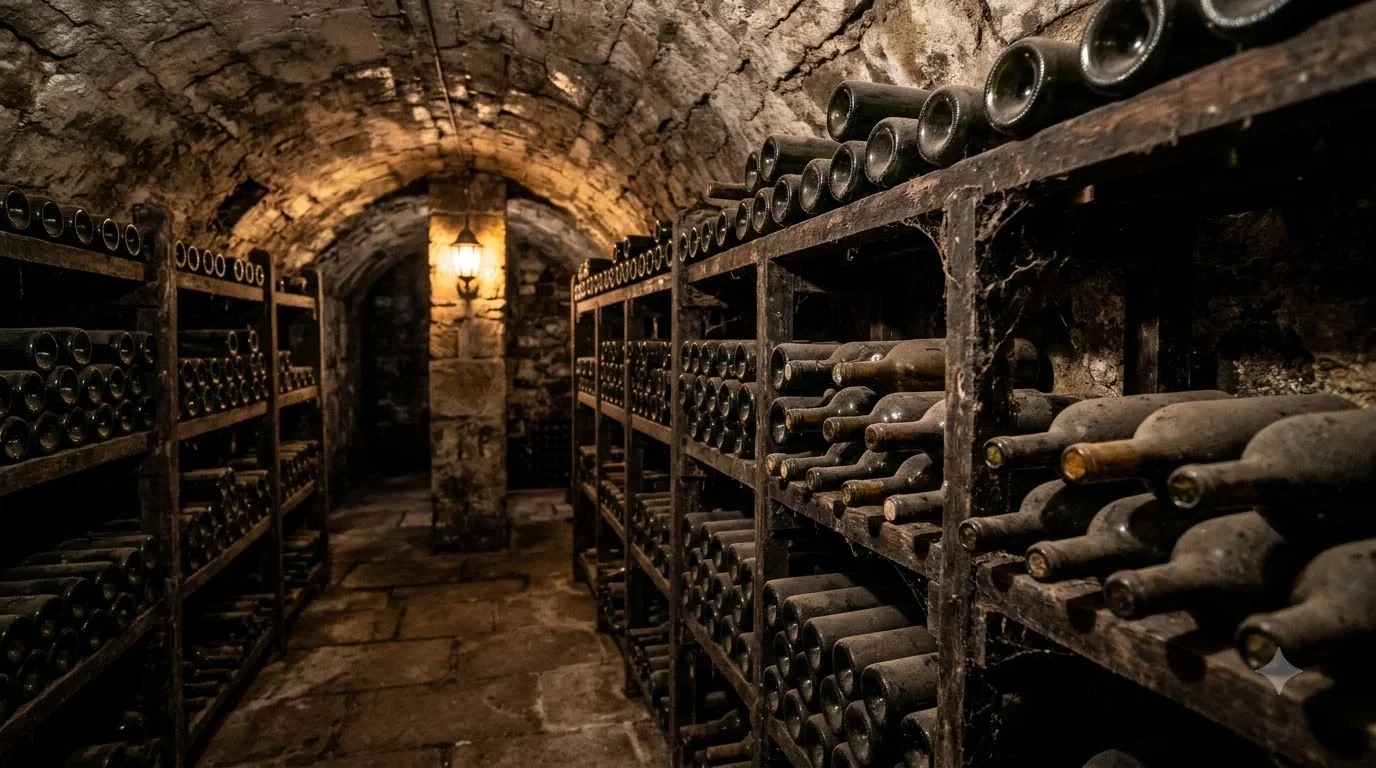
Proper wine storage helps preserve quality, aroma, and freshness, but it does not remove the health risks associated with alcohol. Keeping a bottle near 55 degrees Fahrenheit, away from strong light and major temperature fluctuations, is a conventional storage approach for many wines. These conditions are intended to protect the wine’s characteristics, not improve its medical properties.
Opened still wine is commonly best consumed within approximately three to five days when refrigerated and properly sealed. Sparkling wine generally retains its quality for a shorter period, often around one to three days with a suitable stopper. These are practical quality guidelines, not scientifically established health thresholds.
Decanting a young red wine for 30 to 60 minutes may soften its sensory presentation and allow its aromas to develop. However, aeration does not make the alcohol disappear or neutralize the risks associated with consuming it. A wine that smells more open after decanting is not necessarily a healthier wine.
Choosing alternatives to alcoholic wine
People who enjoy wine’s social and culinary role can consider alternatives that do not depend on conventional alcohol consumption. Alcohol-free sparkling grape beverages, unsweetened grape juice, and other fruit-based drinks can offer some of the same flavor associations without requiring an alcoholic beverage.
Grapes and berries also provide plant compounds associated with antioxidant activity. Mayo Clinic identifies red and purple grape juice, peanuts, blueberries, and cranberries as foods containing resveratrol. These options allow consumers to obtain grape-related compounds without treating alcohol as a necessary source.
Nonalcoholic wine can also be considered for meals where the flavor of wine is desirable. Its sweetness and acidity can vary substantially, so comparing the ingredient information and nutritional profile remains useful. People who need complete alcohol avoidance should pay particular attention to the stated alcohol content rather than relying solely on front-label terminology.
Frequently Asked Questions
Does red wine contain more resveratrol than white wine?
Red wine generally receives more attention for resveratrol because fermentation commonly involves longer contact with grape skins, where this compound is found. However, actual concentrations vary with grape variety, growing conditions, and winemaking methods. There is no established daily wine serving that provides a proven therapeutic dose of resveratrol.
Can cooking with wine eliminate all its alcohol?
No, cooking does not guarantee complete alcohol removal. The amount remaining depends on factors such as cooking duration, temperature, pan dimensions, and preparation method. A dish cooked with wine should not automatically be considered alcohol-free, particularly when complete avoidance is necessary.
Does the grape variety determine the antioxidant content of wine?
Grape variety can influence the phenolic compounds present in wine, but vineyard conditions and production methods also contribute. Pinot Noir, Cabernet Sauvignon, and Syrah can have different phenolic profiles even when produced in similar regions. Color alone is not a reliable measurement of total antioxidant activity or health outcomes.
Can nonalcoholic wine contain trace amounts of alcohol?
Yes, some products marketed as nonalcoholic or alcohol-removed wine may retain small amounts of alcohol depending on their production method and labeling category. The permitted definition of nonalcoholic or dealcoholized beverages can vary by jurisdiction. Consumers who require complete abstinence should verify the actual alcohol specification and applicable local labeling rules.
Does freezing wine remove its alcohol content?
No, freezing wine does not reliably remove its alcohol. Ethanol and water have different freezing characteristics, so freezing can change the physical composition of a beverage without making it alcohol-free. Frozen wine should not be considered a substitute for a properly produced nonalcoholic beverage.
The strongest evidence does not support choosing an alcoholic wine as a way to improve health. Red wine contains interesting grape-derived compounds, but those compounds do not cancel the risks associated with alcohol. For shoppers, the most meaningful distinction is between enjoying wine as a beverage and treating it as a health strategy; choosing less alcohol or a genuinely nonalcoholic alternative is the more defensible option when reducing health risks is the priority.
More in Wine Basics
 What Is The Best Wine For Mimosas? Choose Bubbly That Balances Orange JuiceUpdated Nov 20, 2026
 Which Prosecco Is Best for Your Taste and OccasionUpdated Nov 20, 2026
 Which Champagne Is Best for Your Taste and OccasionUpdated Nov 20, 2026
 What To Put In A Wine Gift Basket For A Thoughtful, Memorable GiftUpdated Nov 20, 2026
 What Is the Best Wine for Mulled Wine? Choose a Smooth, Fruity RedUpdated Nov 20, 2026
 What Is a Good Cheap Wine? Find Quality Bottles Without OverspendingUpdated Nov 20, 2026