

We may earn a commission when you buy through links on this page, at no extra cost to you. Learn more.
The answer to “is rose sweet or dry” is that most rosé is dry, but rosé can range from crisp and bone-dry to softly or distinctly sweet. Its pink color does not tell you how much sugar is in the wine. The deciding factor is usually how much grape sugar remains after fermentation, along with the wine’s acidity and fruit character. Provence rosé, many Spanish rosados, and plenty of American rosés lean dry, while White Zinfandel and pink Moscato are familiar sweeter styles.
Rosé is not one flavor or one sweetness level. It is a broad category made in different regions, from different red grapes, and with different winemaking choices. Once you know the clues on a label and what the main styles taste like, choosing a bottle becomes much easier.
Most Rosé Is Dry, but Sweet Styles Are Easy to Find
Most rosé sold today is dry rather than sugary, especially bottles from Provence, other parts of southern France, Spain, and many contemporary American producers. A dry rosé can still taste vividly of strawberry, watermelon, peach, or orange peel. Those flavors come from the grapes and fermentation; they do not necessarily mean that sugar remains in the wine.
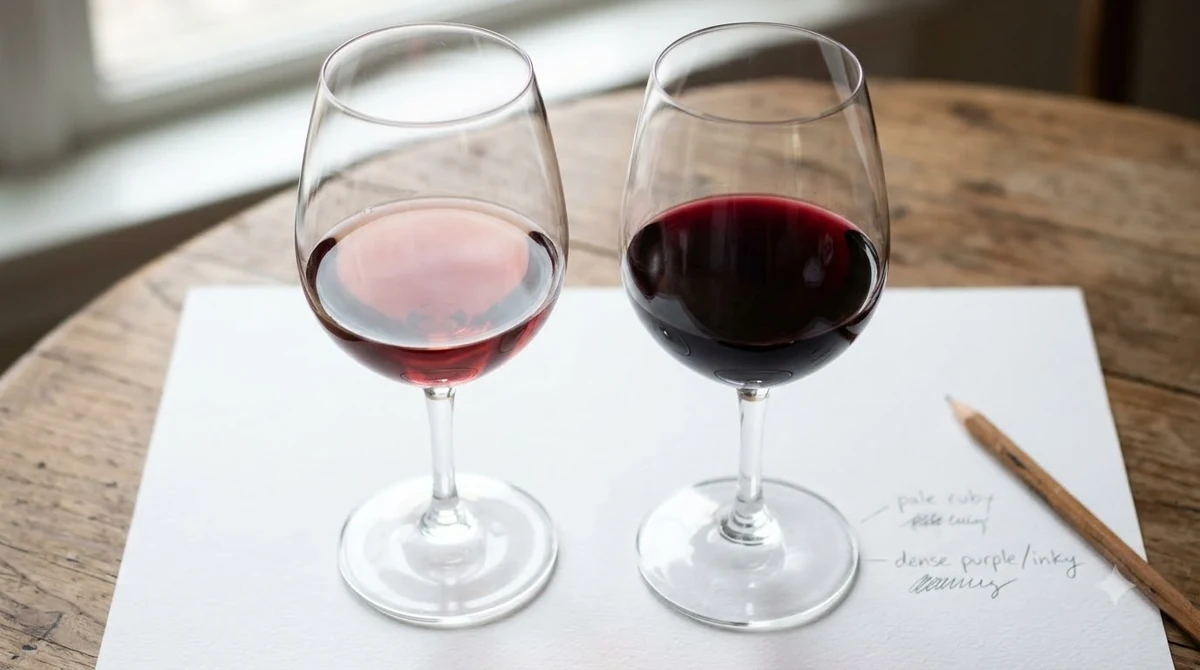
The common association between pink wine and sweetness owes much to the popularity of White Zinfandel in the United States. That familiar blush style helped introduce many drinkers to rosé, but it is only one expression of the category. A Provence rosé, Spanish rosado, Oregon Pinot Noir rosé, and sweet Pink Moscato can all look pink yet taste very different.
Dry rosé is usually crisp, refreshing, and suited to the table. Sweet rosé tends to feel rounder and softer, with a more obvious sugary impression. Between those ends are off-dry and semi-sweet wines that have a little sweetness without tasting like dessert wine. Think of rosé as a spectrum rather than a single style.
Color is not a reliable shortcut. A very pale rosé can contain noticeable residual sugar, while a deep raspberry-colored wine can be completely dry. The Provence wine council describes its regional rosés as fresh and fruit-forward even though they are dry, with less than 4 grams of residual sugar per liter. That is a useful example of how ripe fruit character and actual sweetness are different things.
Residual Sugar Determines Sweetness, While Acidity Shapes the Impression
Rosé tastes sweet when enough grape sugar remains after fermentation to be noticeable. During fermentation, yeast converts grape sugar into alcohol and carbon dioxide; when fermentation finishes with very little sugar left, the wine is dry. If the winemaker retains more sugar, the result can be off-dry, semi-sweet, or sweet.
Residual sugar is measured in grams per liter, often shortened to g/L. The International Organisation of Vine and Wine (OIV) uses the following ranges for still rosé in its competition categories. These ranges are a technical reference, not a universal U.S. front-label requirement, and the way sweetness is perceived can vary with acidity and other elements in the wine.
| OIV still-rosé category | Residual sugar | Typical impression |
|---|---|---|
| Dry | Not more than 4 g/L | Crisp, not noticeably sweet |
| Medium-dry | 4.1–12 g/L | A hint of sweetness or roundness |
| Semi-sweet | 12.1–45 g/L | Clearly sweet, often fruit-forward |
| Sweet | More than 45 g/L | Pronounced sweetness |
Acidity changes how the sugar feels. A rosé with lively acidity can taste brisk and refreshing even when it has a small amount of residual sugar. A softer wine with lower acidity may seem sweeter at the same sugar level. This is why two wines with similar residual-sugar figures can leave different impressions: citrus-like acidity sharpens the finish, while a rounder texture makes fruit and sugar seem more prominent.
Fruit aromas can also be misleading. Strawberry, watermelon, raspberry, and peach are common rosé notes, but smelling ripe fruit does not prove that the wine is sweet. To judge sweetness, pay attention to the finish and overall balance. Dry wine finishes cleanly; off-dry wine feels rounded, while sweet rosé has an unmistakable sugary taste.
Skin Contact, Direct Pressing, and Saignée Create Different Rosés
Rosé usually gets its color from red grapes whose juice has limited contact with the skins. The grape skins provide pink pigment and some flavor compounds; the length and style of contact influence color, aroma, and texture. This process does not by itself determine sweetness, which is mainly a fermentation decision.
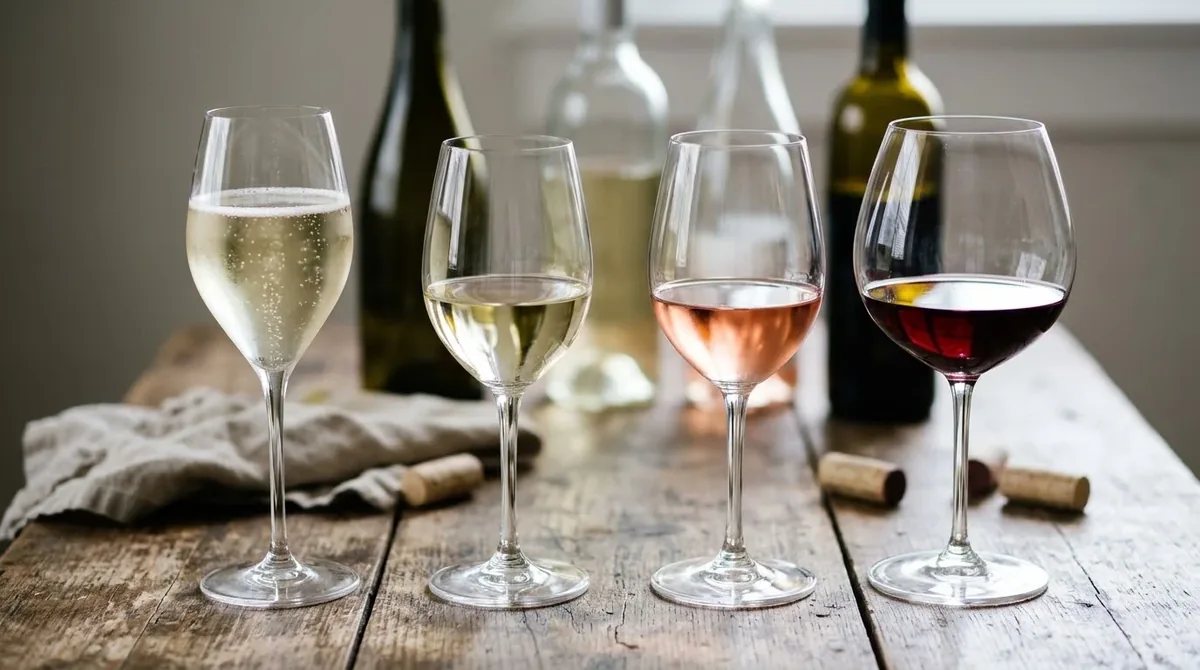
In the skin-contact method, crushed red grapes macerate with their skins for a short period before the juice is fermented. Wine Enthusiast’s rosé-making guide notes that this period can run from a few hours to about a week, with shorter contact generally producing a lighter color. Many rosés are fermented until dry after the juice is separated from the skins. The result can be delicate and pale or deeper and more structured.
Direct pressing gives the juice very little time with the skins: grapes are pressed and the juice is separated quickly, picking up a light tint and delicate flavors such as citrus, melon, peach, or red berries. Saignée, a French word meaning “bleeding,” works differently. A winemaker draws off some pink juice from a tank of red grapes after skin contact; the remaining juice continues toward a more concentrated red wine. Saignée rosé can have deeper color, fuller fruit, and more structure, but it can still be dry because color and body do not measure residual sugar.
Most still rosé is not made by mixing finished red and white wines. One notable exception is rosé Champagne, for which producers may blend still red and white base wines before the second fermentation. Champagne can also be made using skin-contact or saignée approaches. Its sweetness also depends on dosage and the category on the label.
Grapes and Regions Offer Useful Clues About Style
The region and grape variety can help you make an educated guess before opening a bottle. They are not guarantees, because a producer can choose a different style, but certain traditions are consistent enough to guide a first purchase. Provence is a strong place to start if you prefer dry rosé, while Muscat-based pink wines are a better clue for a sweeter glass.
Provence, in southeastern France, is especially associated with pale, dry rosé. The Provence wine council describes its AOP examples as fresh and fruit-forward, with citrus, exotic fruit, stone fruit, berry, and floral notes; its stated dry style contains less than 4 g/L of residual sugar. The council recommends serving these wines chilled at 8–10°C, or about 46–50°F. The region’s principal grapes include Grenache, Cinsault, Syrah, and Mourvèdre, often used in blends.
Spain’s rosado covers a wide range, but many examples are dry and food-friendly. Garnacha (Grenache) can give ripe red-fruit character, while Tempranillo rosado can show cherry and berry notes. In Italy, rosato is similarly broad: light, crisp versions sit alongside richer styles with more body. The name of the country is a starting clue, not a substitute for knowing the producer’s approach.
In the United States, rosé is made from varieties including Pinot Noir, Grenache, Syrah, Cabernet Sauvignon, and Zinfandel. Pinot Noir rosé often emphasizes fresh strawberry, cranberry, and bright acidity; see our guide to is Pinot Noir rosé sweet or dry for that grape’s typical profile. Zinfandel is associated with sweeter White Zinfandel, although it can also be made dry. Muscat is a useful clue for a sweeter pink wine: its naturally aromatic character can bring floral, grapey, and peach-like notes, and Pink Moscato is commonly made with perceptible sweetness. For a closer look, read is Moscato sweet or dry. Grenache, Cinsault, and Pinot Noir are more often used for dry rosé, but no grape makes only one sweetness level.
Labels Help You Choose Between Dry, Off-Dry, and Sweet
Start with the words on the front or back label, then use the region and grape as supporting clues. A bottle described as dry, crisp, or refreshing is likely to suit someone who dislikes sugary wine. Words such as blush, semi-sweet, sweet, or dessert-style are more likely to point toward noticeable sweetness, although “blush” is not a precise technical measure.
White Zinfandel is the familiar American example of sweet blush wine. Pink Moscato is another clear choice when you want a sweeter rosé, often with fragrant fruit and floral aromas. Some rosé wines from the Loire Valley, including Rosé d’Anjou, may be made in an off-dry or sweeter style. These are useful examples to recognize because a pink color alone cannot distinguish them from dry rosé.
For sparkling rosé, sweetness terms follow the sparkling-wine scale. From driest to sweetest, the sequence is Brut Nature, Extra Brut, Brut, Extra Dry, Dry, Demi-Sec, and Doux. The wording can be counterintuitive: Extra Dry is sweeter than Brut, not drier. Brut is a dependable choice for a dry sparkling style, while Demi-Sec and Doux indicate more obvious sweetness. For a deeper explanation of the label term, see is Brut Champagne sweet or dry.
Do not assume that “fruit-forward” means sweet. A wine can smell like fresh strawberries or watermelon yet finish bone-dry. A low-alcohol pink wine may be sweeter, but alcohol percentage is only a clue, not a firm rule. When the label gives a sweetness description, use it first; otherwise, the region, grape, and producer’s tasting notes can help narrow the choice. Rosé also fits into the broader family of wine styles; our Wine by Type overview explains how grape, region, and winemaking shape other categories.
Tip: For a reliably dry first bottle, look for a still rosé from Provence or a dry rosado from Spain. For a sweeter starting point, choose White Zinfandel or Pink Moscato rather than relying on how pale or dark the wine looks.
Serving Temperature and Food Pairings Bring Out the Best in Rosé
Serve most still rosé chilled, around 45–50°F. That temperature keeps a dry rosé refreshing while allowing its citrus, berry, and floral aromas to come through. If the wine is so cold that it seems muted, let it sit in the glass for a few minutes; very low temperatures can hide aroma and make the wine seem more neutral.
Dry rosé works well with foods that share its freshness and moderate weight. Try it with grilled shrimp, salmon, chicken, Niçoise salad, vegetable skewers, or a plate of soft cheeses. Decanter’s rosé pairing guide also highlights duck, pink lamb, charcuterie, and feta with spinach and mint as possible matches. These dishes bring enough flavor to meet the wine without overwhelming its acidity and fruit.
Off-dry and sweet rosé suit dishes with a touch of sweetness or heat. Try a gently sweet rosé with spicy noodles, barbecue glazed with a sweet sauce, or fruit-based desserts. A little residual sugar can soften chili heat, while a very dry wine may make spice feel more pronounced. For dessert, choose a wine at least as sweet as the food; otherwise, it can taste sharp or thin beside the sugar in the dish.
Match the wine’s weight to the food as well as its sweetness. A light Provence rosé suits grilled fish, salads, and fresh vegetables; a darker, fuller rosé can stand up to burgers, roasted chicken, lamb, or charcuterie. Chill the bottle and pour about 5 ounces per glass; a standard 750-milliliter bottle gives roughly five pours. Rosé rarely needs decanting, and a white-wine glass lets its aromas gather while the wine stays cool.
Frequently Asked Questions
How long does opened rosé last in the refrigerator?
Most opened still rosé keeps for about 3–5 days in the refrigerator when the bottle is re-corked or sealed with a stopper. Its fresh fruit character may fade before the wine becomes undrinkable, so it is usually best earlier in that window. Keep the bottle cold between pours.
Is rosé wine vegan?
Not every rosé is vegan. Some wineries use fining agents such as egg white, gelatin, casein, or isinglass to clarify wine, while other producers use mineral or plant-based alternatives or skip fining. Look for a vegan statement from the producer or a reliable certification if this matters to your choice.
What kind of glass should you use for rosé?
A standard white-wine glass is a good choice for still rosé. Its bowl gives aromas room to develop without warming a small pour too quickly. A flute or tulip-shaped sparkling-wine glass can be used for sparkling rosé to preserve and display its bubbles.
Does rosé improve with age?
Most rosé is made to be enjoyed young, while its fresh fruit and floral notes are vivid. A small number of structured rosés, including some age-worthy examples from Bandol, can develop more savory and complex flavors over several years. For everyday bottles, there is usually little reason to hold them for long-term cellaring.
How should an unopened bottle of rosé be stored?
Keep it in a dark, cool place with a steady temperature near 55°F, away from sunlight and heat sources. Store a cork-finished bottle on its side so the cork stays in contact with the wine. Avoid frequent temperature swings, which can affect the wine before it is opened.
Most rosé is dry, but there is a style for nearly every preference, from crisp Provence bottles to softly sweet White Zinfandel and Pink Moscato. Use the grape, region, and sweetness description together rather than judging by color. Once you know whether you prefer a clean dry finish or a little residual sugar, you can choose rosé with more confidence for both the glass and the meal.
More in Wine Types & Grapes
 Zinfandel Sugar Content: Dry Red vs. White Zinfandel GramsUpdated Nov 21, 2026
 Best Zinfandel Substitute Options for Sipping and CookingUpdated Nov 21, 2026
 Zweigelt Food Pairing: Best Dishes, Cheeses, and Serving TipsUpdated Nov 21, 2026
 Zinfandel Tannins Explained: How Structure Shapes Every BottleUpdated Nov 21, 2026
 Zinfandel Sweetness Level: Dry Red vs. Sweet White Zin ExplainedUpdated Nov 21, 2026
 Xinomavro Food Pairing: Best Dishes, Styles, and Serving TipsUpdated Nov 21, 2026