

We may earn a commission when you buy through links on this page, at no extra cost to you. Learn more.
To understand how to serve rose, chill most bottles to 45–50°F, pour them into stemmed glasses, and match the wine’s weight and sweetness to the food. Lighter, crisp styles are most refreshing at the cooler end of that range, while fuller rosés benefit from a few degrees of extra warmth. Keep the bottle cool between pours, serve moderate portions, and let the wine’s fruit and acidity guide the menu.
Rosé spans delicate dry wines, deeper examples such as Tavel, sweet blush, and sparkling styles. Temperature, glassware, and food pairing should follow the wine’s body and sweetness.
Choose a Serving Temperature That Fits the Style
Most still rosé is best served between 45°F and 53°F, with pale, light-bodied bottles toward the cooler end and richer examples closer to the warmer end. The right temperature preserves freshness while giving the wine enough room to show its fruit and floral aromas.
For a crisp, pale rosé, aim for 45–50°F. This suits many dry wines from Côtes de Provence and light examples made from Grenache, Cinsault, or Pinot Noir. The chill keeps acidity lively and flavors such as strawberry, watermelon, citrus peel, and herbs clear. Served much colder, the wine can seem muted until it warms in the glass.
Fuller rosé can be served around 50–53°F, allowing riper fruit, texture, and oak influence to show. Wine Enthusiast recommends 48–53°F for rosé overall, with lighter styles served cooler; its wine temperature and glassware guide also distinguishes glasses for mature and younger styles.
Sparkling rosé is generally served at 40–50°F to keep its bubbles lively. Sweet rosé suits about 43–50°F, depending on body and sweetness; use the table as a starting point and adjust a few degrees for the room or wine.
| Rosé style | Serving temperature | Useful example |
|---|---|---|
| Light, dry still rosé | 45–50°F | Pale Côtes de Provence |
| Medium- to fuller-bodied still rosé | 50–53°F | Structured Tavel or Bandol |
| Sparkling rosé | 40–50°F | Rosé Champagne |
| Sweet rosé | 43–50°F | Sweet blush or pink Moscato |
Chill the Bottle Without Watering It Down
Refrigerate rosé before serving instead of adding ice to the glass. A bottle typically needs 1½ to 2 hours in the refrigerator, while an ice bucket is useful for last-minute chilling.
For planned service, chill the bottle upright. The Provence wine trade organization recommends 2–3 hours in the refrigerator and a serving temperature of 8–10°C, or about 46–50°F. It advises against ice cubes in the wine because they dilute flavor, and suggests chilling glasses shortly before pouring.
For faster cooling, fill an ice bucket with ice and cold water. Water fills the spaces around the bottle and cools it more evenly than ice alone. Start with 15–20 minutes, then remove the bottle when it reaches the desired chill. If the bottle is very warm, give it a longer cooling period instead of trying to force the temperature down with extra ice. During a long meal, return it to the bucket after each pour so the last glass stays as fresh as the first.
Tip: Keep the bottle in an ice-and-water bucket during a long meal, but keep the wine itself free of ice. A chilled bottle and a cool glass maintain the intended flavor without diluting the pour.
Select Glassware and Pour a Measured Serving
A clear, stemmed white-wine glass is a reliable choice for still rosé. Its bowl releases aromas, and the stem keeps hands from warming the wine.
For younger, crisp rosés, choose a medium glass with a slightly open or flared rim; it suits bright flavors such as red currant, grapefruit, and berries. A tapered bowl gathers aromas from mature or fuller-bodied examples. Wine Enthusiast recommends the tapered shape for mature rosé and a flared lip for younger, crisper, or sweeter bottles.
There is no need for a separate glass for every grape: a stemmed glass with a modestly tapered bowl works for a mixed gathering. Avoid narrow tumblers and plastic cups when aroma matters. Provence guidance suggests a 30–45-centiliter stemmed glass, filled to about one-third of its capacity.
Pour about 5 ounces, leaving room to swirl. A 750-milliliter bottle yields roughly five glasses. Smaller pours suit tastings; top up as needed rather than filling a glass to the rim, and return the bottle to the refrigerator or bucket between rounds. A gentle swirl is enough to release aromas; vigorous swirling is unnecessary for a chilled, delicate rosé. Wipe the bottle neck after pouring to prevent a drip from marking the tablecloth.
Recognize the Style Before You Serve It
Rosé ranges from bone-dry and delicate to ripe, round, and sweet. Color alone does not reliably predict sweetness or flavor, so consider grape, region, and body before choosing temperature or food.
Many dry rosés from Provence are pale and crisp, with citrus, red berries, and herbal notes. They are natural aperitif wines. Deeper color does not mean greater sweetness or quality: grape variety, skin contact, and oak influence style. Decanter notes that rosé uses many grape varieties and that maceration time and oak contact affect structure.
Some rosés have more body and grip than light summer styles. Tavel in the southern Rhône is a substantial example, while Bandol can show structure from Mourvèdre. Serve ripe, textured, or lightly oaked bottles closer to 50–53°F; a light, high-acid Pinot Noir or Grenache rosé usually suits 45–50°F.
Sweetness changes the serving approach. Dry rosé works with salads, seafood, vegetables, and poultry; sweeter blush or pink Moscato can suit fruit desserts and gently spiced dishes, provided the food is not sweeter than the wine. A wine that tastes only faintly sweet on its own can seem dry beside a sweet sauce, so consider glazes and chutneys as part of the dish. Compare temperature and acidity in the guides to how to serve pinot grigio and how to serve sauvignon blanc.
Pair Rosé With Food by Weight, Acidity, and Flavor
Rosé bridges white-wine freshness and some red-wine fruit and texture. Pair lighter bottles with delicate dishes and fuller bottles with grilled, savory, or gently spiced food.
For a light, dry rosé, try salads, shellfish, grilled shrimp, chicken, and fresh cheeses. Niçoise salad, feta with tomato and herbs, or charcuterie adds savory salt without overwhelming the wine; grilled salmon with citrus also works. Decanter recommends lighter rosés with salads and charcuterie, and lists salmon, chicken salad, soft cheeses, and vegetable skewers among suitable matches. For fuller rosé, choose grilled chicken, pork, lamb, duck, or barbecue vegetables. A structured Bandol or Tavel can stand beside lamb chops, roasted peppers, or a burger, while lighter Provence rosé suits grilled fish, lemony couscous, or vegetable tart. Match intensity: powerful wine can overwhelm delicate food, and bold food can flatten a light rosé.
Acidity matters: a rosé with lively freshness suits tomato, vinaigrette, citrus, and goat cheese, while acidic food needs a wine with equal or higher acidity. Olives, anchovies, cured ham, and feta soften the impression of acidity and tannin; rich foods benefit from a wine with enough freshness to cut through fat. With spice, fruit-forward rosé can work with mildly hot dishes, but alcohol and tannin amplify chili heat. Choose a lower-alcohol, fruit-led bottle for spicy noodles, harissa vegetables, or gently seasoned Thai food; a touch of sweetness can help. Very hot food is difficult with powerful wine, while a fresh, modestly tannic rosé can suit salmon or grilled tuna better than a tannic red.
For dessert, choose rosé at least as sweet as the dish. Dry rosé beside a sweet fruit tart can taste sharp, while a sweeter pink wine suits strawberries, cherry tart, or berries. Decanter also notes that richer rosés work with barbecued meat and spice, while complex examples can accompany duck or pink-roasted lamb. Consider grape, intensity, structure, and acidity instead of choosing by color alone. For broader grape and style comparisons, browse Wine by Type.
Serve Rosé From Aperitif Through the Main Course
Rosé can start a meal, accompany the main course, or appear at lunch. Begin with a fresh style for snacks and move to a more structured bottle as the menu becomes richer.
For an aperitif, chill dry rosé to 45–50°F and serve it with olives, almonds, tapenade, focaccia, or cured meats. These savory foods complement fruit and acidity without requiring a heavy wine. Provence, Spain, Italy, California, and the Loire Valley all produce crisp options.
At the table, consider the main ingredient and cooking method. Grilled shrimp, sea bream, and vegetable skewers suit light or medium rosé; roast chicken, pork tenderloin, lamb, or duck can call for more concentration. Rosé can bridge a mixed fish-and-meat menu when neither dish is too strongly flavored.
Rosé also suits cooler months. Try a medium-bodied bottle with roasted squash, turkey, root vegetables, mushrooms, or savory pie, and serve it closer to 50–53°F so fruit and texture show beside a richer meal. A bottle served outdoors on a cool evening may need less time in an ice bucket than one poured on a sunny patio; keep the target temperature in mind rather than following a fixed chilling time.
Store Opened Rosé and Keep the Next Pour Fresh
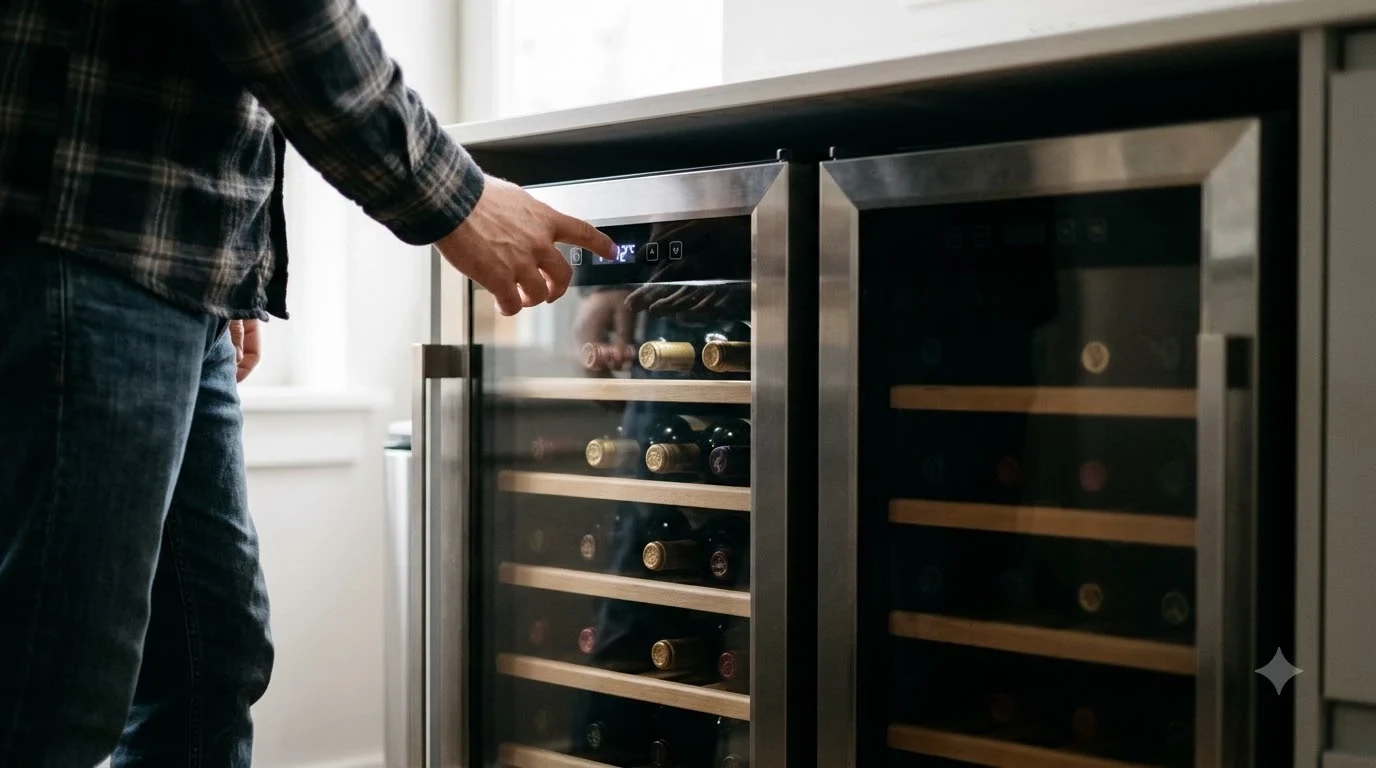
Keep unopened rosé cool, away from direct light and temperature swings. Once opened, reseal and refrigerate it; most still rosé is best within 3–5 days, though freshness fades gradually.
For unopened bottles, aim for a cool storage area near 55°F and store cork-finished bottles on their sides. Avoid a sunny window, hot car, or spot beside an oven: heat and temperature swings flatten fresh fruit flavors. Long-term storage calls for a steady, dark place. Rosé intended for immediate enjoyment can be kept in the refrigerator before a meal, but extended refrigerator storage is less useful than a stable cellar-like environment.
After opening, reseal the bottle and refrigerate it. Bring it out shortly before the next pour. A vacuum stopper may reduce air contact, but it cannot stop the gradual loss of aroma; a tired smell or dull flavor signals that the wine is past its best.
Plan quantities with the meal in mind: a 750-milliliter bottle provides about five 5-ounce pours, so eight guests will need more than one bottle if rosé is the main wine. Offer water and keep a second bottle chilled rather than letting the only bottle warm on the table.
Frequently Asked Questions
These answers cover a few details that can help explain what is in the bottle and why different rosés can look and taste so different.
Is all rosé made by briefly soaking red grapes?
No. Some rosés are made by pressing red grapes soon after harvest, allowing only a small amount of color to enter the juice. Another method is saignée, in which some pink juice is drawn off a tank of fermenting red wine after skin contact has begun. The techniques can produce wines with different levels of color, texture, and concentration.
What does saignée mean on a rosé description?
Saignée is a French term meaning “bleeding.” A winemaker drains a portion of juice from a red-wine fermentation vat, leaving the remaining red wine with a higher ratio of skins to juice. The separated juice is fermented as rosé, and it can have deeper color or more structure than a very lightly pressed style.
What is vin gris?
Vin gris is a very pale style of rosé, often made with minimal skin contact so the juice takes on only a faint pink or grayish hue. The term is associated with delicate, lightly colored wines rather than a single grape variety. Decanter describes a Pinot Gris example from Reuilly as a form of very pale rosé.
How is rosé Champagne made?
Rosé Champagne can be made by blending a measured amount of still red wine into a white base wine before the second fermentation in the bottle. Producers can also make rosé Champagne through skin contact with red grape skins. Both approaches create a sparkling wine, but they can give different aromatic and structural results.
Can rosé be made from Pinot Noir?
Yes. Pinot Noir is used for rosé in regions including Sancerre in the Loire Valley, where it can produce a wine with bright acidity and red-fruit aromas. Pinot Noir is also one of the principal grapes used in rosé Champagne, alongside the other permitted Champagne varieties.
For a dependable pour, start with 45–50°F for a light dry rosé, use a stemmed glass, and keep the bottle cool as the meal progresses. Adjust slightly warmer for fuller styles, then let the food’s weight, acidity, and sweetness determine the pairing.
More in Wine Types & Grapes
 Zinfandel Sugar Content: Dry Red vs. White Zinfandel GramsUpdated Nov 21, 2026
 Best Zinfandel Substitute Options for Sipping and CookingUpdated Nov 21, 2026
 Zweigelt Food Pairing: Best Dishes, Cheeses, and Serving TipsUpdated Nov 21, 2026
 Zinfandel Tannins Explained: How Structure Shapes Every BottleUpdated Nov 21, 2026
 Zinfandel Sweetness Level: Dry Red vs. Sweet White Zin ExplainedUpdated Nov 21, 2026
 Xinomavro Food Pairing: Best Dishes, Styles, and Serving TipsUpdated Nov 21, 2026