

We may earn a commission when you buy through links on this page, at no extra cost to you. Learn more.
What is body in wine? It is the sense of weight, fullness, and texture a wine creates in your mouth as you sip it. A light-bodied wine feels more like water, a medium-bodied wine has the feel of milk, and a full-bodied wine can seem closer to cream. Alcohol is a major influence, but sweetness, acidity, tannin, fruit concentration, and winemaking also shape the final impression.
Wine descriptions often mention body alongside flavor, aroma, and finish, but the term refers to a different part of the experience. Learning to recognize it makes it easier to choose a bottle that suits your preferences, pair wine with a meal, and describe what you notice without relying on vague words such as “strong” or “smooth.”
What Wine Body Feels Like on the Palate
Wine body describes the physical impression of a sip: how light or substantial the liquid feels as it moves across your tongue and through your mouth. It is a mouthfeel judgment rather than a flavor category, so two wines that smell of the same fruit can still have very different bodies.
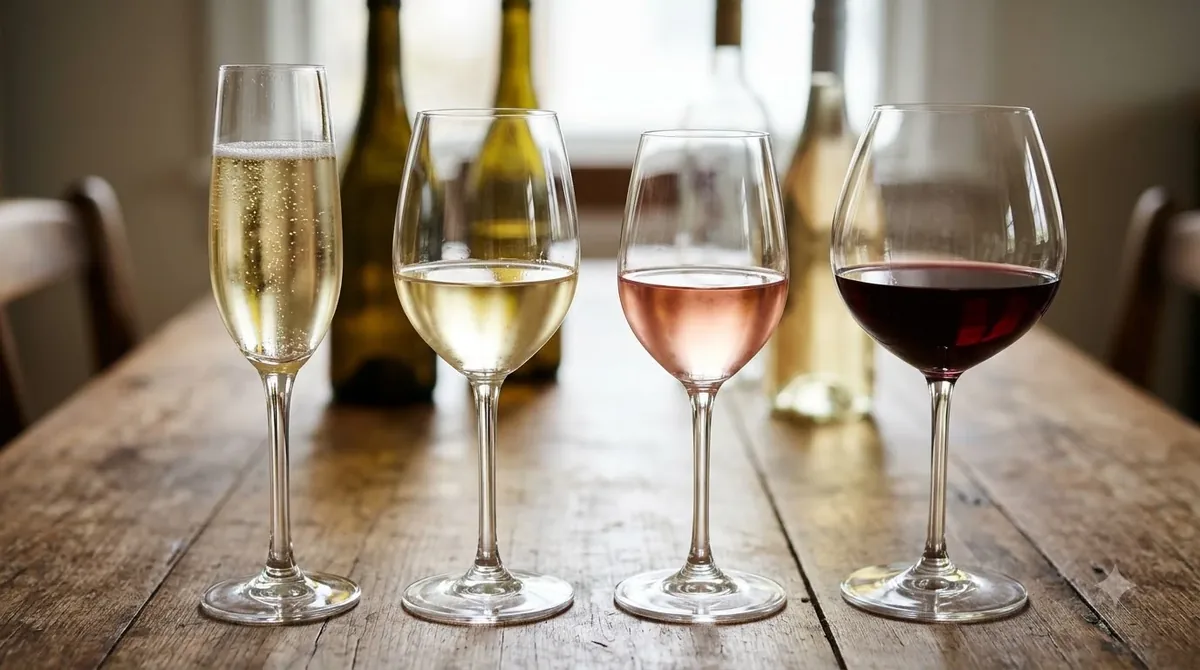
A simple comparison uses familiar liquids. Water is a useful picture of light body, skim or low-fat milk suggests a medium weight, and cream represents a fuller, more coating texture. The comparison is not a laboratory measurement; it is a practical way to give a sensory impression a consistent reference point. The difference can be subtle, especially between two neighboring styles, but most drinkers can learn to notice it by comparing wines side by side.
Body is distinct from flavor intensity. A fragrant Riesling can show vivid lime, peach, or floral aromas while remaining light on the palate. Conversely, a less aromatic Chardonnay may feel broader because of its alcohol and texture. Decanter notes that alcohol and flavor concentration can be hard to separate, but a wine can be weighty without concentrated fruit, or light in alcohol yet intensely flavored.
Body does not rank quality. A delicate Gamay-based Beaujolais can be balanced and expressive, just as a full-bodied Cabernet Sauvignon can be well made. What matters is the balance among weight, acidity, fruit, alcohol, and tannin—and whether the style suits the drinker.
What Gives Wine Its Body
Body comes from several elements working together rather than one ingredient acting alone. Alcohol is usually the clearest contributor, while residual sugar and dissolved grape compounds add weight; acidity can make the same wine seem leaner, and tannin changes the way its texture registers.
Alcohol adds warmth and weight, contributing to viscosity—the way a liquid moves through the mouth. Fermentation converts grape sugar into alcohol, so riper grapes can yield wines with higher potential alcohol. A warm-climate red from Barossa Valley or California may therefore feel fuller than a lean white from Vinho Verde or the Loire Valley, although grape variety and winemaking still matter. Wine Enthusiast’s explanation of wine structure describes alcohol, residual sugar, tannin, and fruit concentration as contributors to perceived weight.
Residual sugar can add roundness without making a wine syrupy. Extract—the non-alcohol compounds drawn from grapes during production—also adds density. Skin contact, grape variety, ripeness, and time with solids affect extraction. Oak aging may add structure to barrel-aged Chardonnay, but oak flavor alone is not a reliable measure of body.
High acidity creates a mouthwatering, brisk sensation that can make wine seem lighter. Tannin, especially noticeable in reds, creates a drying grip on the gums and cheeks. It adds structure, but astringency is not body: a wine can feel firm and drying without feeling especially rich. For related terminology, see the Wine Glossary.
Light, Medium, and Full-Bodied Wine Examples
The three everyday body categories are light, medium, and full, with some tasting systems using additional steps between them. The examples below are starting points rather than fixed rules: the same grape can produce different weights depending on climate, ripeness, alcohol, sweetness, and cellar choices.
Light-bodied wines feel fresh, delicate, and less coating. Examples include Pinot Grigio, Vinho Verde, dry Riesling, Gamay-based Beaujolais, and some Pinot Noir. They often emphasize acidity and bright fruit, but light body does not mean low flavor: cool-climate Sauvignon Blanc can be intensely aromatic while staying brisk.
Medium-bodied wines sit between a delicate frame and a broad one. Many Merlot wines, rosés, Chianti, Burgundy Pinot Noir, and some Chardonnay fit here. They can have enough texture for a main course without dominating it. Merlot is usually softer in tannin than Cabernet Sauvignon, though a ripe, concentrated Merlot can still be full-bodied.
Full-bodied wines feel broad, dense, or coating. Cabernet Sauvignon, Syrah, Malbec, Zinfandel, and many warm-climate Chardonnays are common examples. Cabernet Sauvignon typically has high tannin, while Syrah can have medium-plus to high tannin. Many full-bodied reds fall around 13.5% to 15% ABV, but that is a clue rather than a definition.
| Body style | Palate impression | Common examples | Useful starting clue |
|---|---|---|---|
| Light | Delicate, brisk, less coating | Vinho Verde, Pinot Grigio, Beaujolais | Often below 12.5% ABV |
| Medium | Balanced weight, moderate texture | Merlot, many rosés, Chianti | Often around 12.5%–13.5% ABV |
| Full | Broad, dense, or coating | Cabernet Sauvignon, Syrah, Malbec | Often above 13.5% ABV |
These bands follow the general guide from VinePair: below 12.5% for light, 12.5% to 13.5% for medium, and above 13.5% for full. They are screening clues, not promises. A sweet wine with modest alcohol can feel full, while high acidity can make another wine seem leaner than its percentage suggests.
How Grapes, Climate, and Winemaking Change Body
Grape variety gives a wine a starting structure, but climate and cellar decisions can shift its weight considerably. In broad terms, warmer growing conditions can produce riper grapes and more alcohol, while cooler conditions tend to preserve acidity and can lead to a lighter-bodied style.
Decanter’s WSET learning article explains that warmer regions such as Australia tend to produce more alcohol, fuller body, and less acidity; cooler conditions often yield lighter body and more acidity. This is a tendency, not a guarantee. Altitude, maritime influence, exposure, water, and harvest timing also affect ripeness. Chardonnay from Pouilly-Fuissé in Burgundy can therefore differ from Chardonnay from Marlborough, New Zealand, despite sharing a grape variety.
Grape structure matters too. Cabernet Sauvignon commonly has high tannin and can feel firm and substantial. Merlot generally has medium tannin and a softer profile. Pinot Noir usually has low-to-medium tannin and high acidity, often supporting a lighter or medium body. Syrah tends toward medium-plus or high tannin and can feel broad, particularly in warm regions.
Winemaking can alter texture. Fermenting red grapes with their skins extracts tannin and color; longer maceration can increase phenolic material. Lees contact and stirring may make some whites seem creamier, while malolactic fermentation can soften acidity. Oak can add tannin and flavor compounds, so two nearby producers can make wines from the same grape with noticeably different body.
These details are one reason that place matters, but body is not a substitute for the broader idea of what is terroir in wine. Terroir includes the interaction of site, climate, soil, and human decisions, while body is one sensory result that may emerge from those factors. Reading both ideas together helps connect a wine’s texture to the conditions and methods behind it.
How to Taste and Identify Body
You can assess body without special equipment by paying attention to the physical sensation of a modest sip. Compare two wines in the same tasting session, use the same glass shape when possible, and focus on weight before trying to identify individual flavors.
Start with a small pour and move it around your mouth for a few seconds. Does it feel watery, rounded like milk, or coating like cream? Notice the middle of the palate and the finish. A drying grip points toward tannin, a mouthwatering response toward acidity, and warmth at the back of the throat toward alcohol; none alone defines body.
Compare your impression with the bottle’s alcohol percentage. A lower number can suggest a lighter style and a higher number more weight, but the label cannot account for sugar, acidity, fruit concentration, or tannin. Decanter cites German Kabinett or Spätlese at 7.5%–8.5% ABV and Châteauneuf-du-Pape at 14.5%–15.5% or more—useful examples of why alcohol is context, not a universal score.
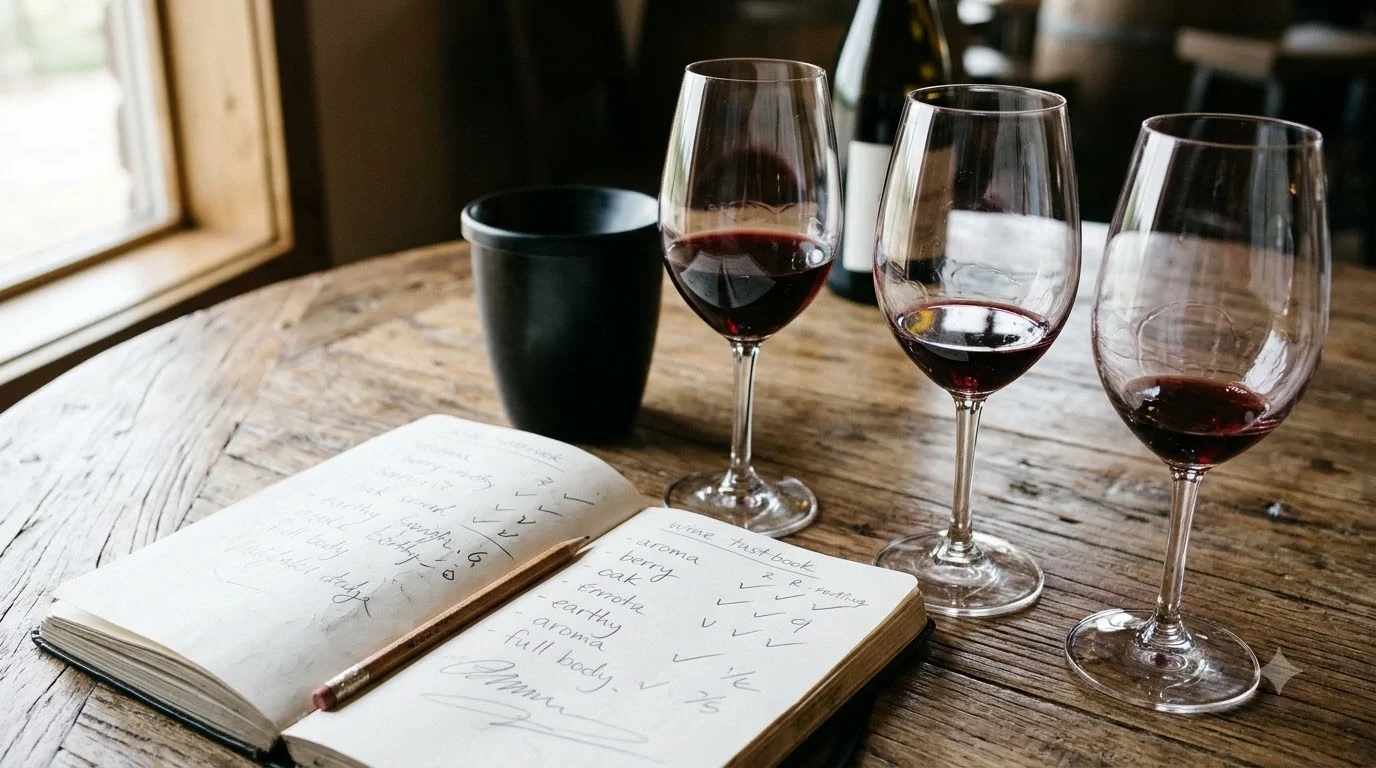
Side-by-side comparison makes the skill easier. Try New Zealand Sauvignon Blanc against oaked Chardonnay, or Gamay-based Beaujolais against Cabernet Sauvignon. Keep both at similar temperatures and record body, acidity, and tannin separately. Your notes will show whether you prefer a crisp light frame, a flexible medium frame, or a more substantial texture.
Tip: For a simple comparison, pour the same amount of two wines into identical glasses and taste them at the same temperature. First describe weight in one word—light, medium, or full—then note acidity and tannin separately so those sensations do not get mistaken for body.
Pair Wine Body With Food
Body helps you match the weight of a wine to the weight and texture of a dish, but it is only one part of pairing. Acidity, sweetness, tannin, alcohol, salt, fat, and chili heat can matter just as much as whether a wine is light or full-bodied.
Light-bodied wines suit delicate foods and dishes that benefit from freshness. High-acid Sauvignon Blanc can work with goat cheese, shellfish, or citrus-dressed salad; light Pinot Noir can suit roast chicken, mushrooms, or simply prepared salmon. If a dish is sharply acidic, choose a wine with equal or higher acidity so it does not taste flat beside the food.
Medium-bodied wines bridge a wide range of foods. Merlot can accompany burgers, roast pork, or tomato-based pasta; medium-weight Chardonnay works with roast chicken, creamy pasta, or grilled vegetables. Consider the sauce: mushroom cream adds weight, while lemon, vinegar, and fresh herbs often favor a brighter wine.
Full-bodied wines suit rich dishes. Cabernet Sauvignon can pair with beef roast or grilled steak, while Syrah works with lamb, sausages, or braised beef. Salt and fat soften tannin, helping a firm red alongside fatty meat or aged cheese. Highly tannic reds can clash with oily fish and make the pairing unpleasant.
Sweetness and heat need care. Wine should be at least as sweet as its dessert, or it may taste sour or thin. Chili heat is amplified by alcohol and tannin, so hot curry or spicy barbecue may suit a lower-alcohol, fruit-forward wine better than a powerful red. For holiday drinks, see the guide to how long does mulled wine last.
Serving Temperature and Choosing a Style
Serving temperature affects how body and structure come across, so a wine served too warm or too cold may seem different from the style the producer intended. As a reliable starting point, serve light whites and rosés at 45–50°F, fuller whites at 50–55°F, light reds at 55–60°F, and full-bodied reds at 60–65°F.
Very cold temperatures mute aroma and may make wine seem harder; warmth can emphasize alcohol. Serve full-bodied Chardonnay around 50–55°F, light Pinot Noir at 55–60°F, and Cabernet Sauvignon at 60–65°F. Sparkling wine generally suits 40–50°F, while sweet whites are often best at 43–50°F.
Choose for the occasion rather than assuming the fullest bottle is the most impressive. A high-acid white can suit an afternoon meal; a medium red can fit a varied menu; and a full-bodied red may suit a rich roast. In a shop, consider grape, region, alcohol, sweetness, and the producer’s description together.
Personal preference is the best guide. Some drinkers want brisk Riesling or Vinho Verde; others prefer Malbec or barrel-aged Chardonnay. Note body separately from flavor—for example, “medium body, high acidity, citrus aroma”—to make future choices easier.
Frequently Asked Questions
These quick answers cover details that often come up after the basic light-to-full distinction is clear. They also address a few common misconceptions about how body relates to strength, color, and other visible signs.
Does a full-bodied wine contain more alcohol?
Often, but not always. Fortified wines such as Port can reach about 19%–20% ABV and feel rich, while a sweet German Riesling can have modest alcohol and still feel rounded because of residual sugar. Alcohol is a strong clue, not a complete definition.
Can a white wine be full-bodied?
Yes. Chardonnay from warm sites or made with barrel fermentation and lees contact can have a broad texture, and some Viognier is also notably full. White wine color does not determine body; its alcohol, acidity, sugar, extract, and production method all contribute.
Does a darker red wine have more body?
Not necessarily. Color intensity is affected by grape pigments, extraction, and age, while body is a perception of weight and fullness. A deeply colored but fresh-fruited young red can feel lighter than a less opaque wine with more alcohol and extract.
Are wine legs a reliable way to judge body?
No. Tears or legs on the inside of a glass are influenced by alcohol, surface tension, glass cleanliness, and room conditions. They do not give a dependable body score and cannot tell you whether a wine is balanced or high quality.
Can sparkling wine have a light or full body?
Yes. A lean, dry sparkling wine can feel light and crisp, while a richer vintage sparkling wine may have more texture from extended lees aging. Carbon dioxide also adds a tactile sensation, so judge the weight after the initial mousse settles rather than using bubbles alone.
Wine body is best understood as a physical sensation shaped by several parts of a wine’s structure, not as a quality rating or a synonym for alcohol. Once you can separate body from acidity, tannin, sweetness, and flavor intensity, you can choose bottles and food pairings with much greater confidence.
More in Wine Basics
 Which Rose Is Best for Your Taste, Budget, and Food PairingsUpdated Nov 21, 2026
 Is Cheap Wine Bad? How to Find Bottles Worth DrinkingUpdated Nov 21, 2026
 What To Write On A Wine Gift Tag: Thoughtful Messages For Every OccasionUpdated Nov 21, 2026
 Which Wine Is Best For Weight Loss? Compare Lower-Calorie ChoicesUpdated Nov 21, 2026
 What Is The Best Wine For Mimosas? Choose Bubbly That Balances Orange JuiceUpdated Nov 20, 2026
 Which Prosecco Is Best for Your Taste and OccasionUpdated Nov 20, 2026