

We may earn a commission when you buy through links on this page, at no extra cost to you. Learn more.
Malbec vs zinfandel comes down to style: Malbec is a full-bodied red with plum and blackberry fruit and soft tannins, while Zinfandel is a bolder, higher-alcohol red with bramble berries, spice and more grip. According to Wine Enthusiast, dry Zinfandel often reaches between 14% and 17% alcohol by volume, which gives it a warmer, heavier feel than most Malbec. Malbec is the easier pour for a crowd and a natural partner for grilled steak, while Zinfandel brings more spice and structure to smoky barbecue.
Malbec and Zinfandel show up side by side on shelves and restaurant lists, and in the glass they can look alike: both are dark, dry and generous. The differences appear once you look at the vineyard and the bottle. These grapes ripen differently, carry different levels of acidity and tannin, and reach different alcohol levels. Understanding those gaps helps you match a red to a specific dinner and a specific palate. For more context on comparing grape varieties, our wine vs wine comparisons are a useful starting point. This guide focuses on what matters at the table: structure, flavor, serving and food.
How Malbec and Zinfandel Are Grown Differently
Both grapes love sun, but the climates they favor shape the finished wine far more than most drinkers realize.
Malbec is sensitive to rot, frost and pests, so it needs a dry climate with plenty of sunshine to thrive. Argentina now dominates the grape: according to Wine Folly, the country holds over 75% of the world’s Malbec acreage. Mendoza is the heart of that output, producing about 70% of Argentina’s wine, and most of it is Malbec. The vineyards sit high in the Andes, and altitude does real work. Cooler air slows ripening so the grapes can build acidity, and the wide gap between hot days and cool nights helps keep that balance intact.
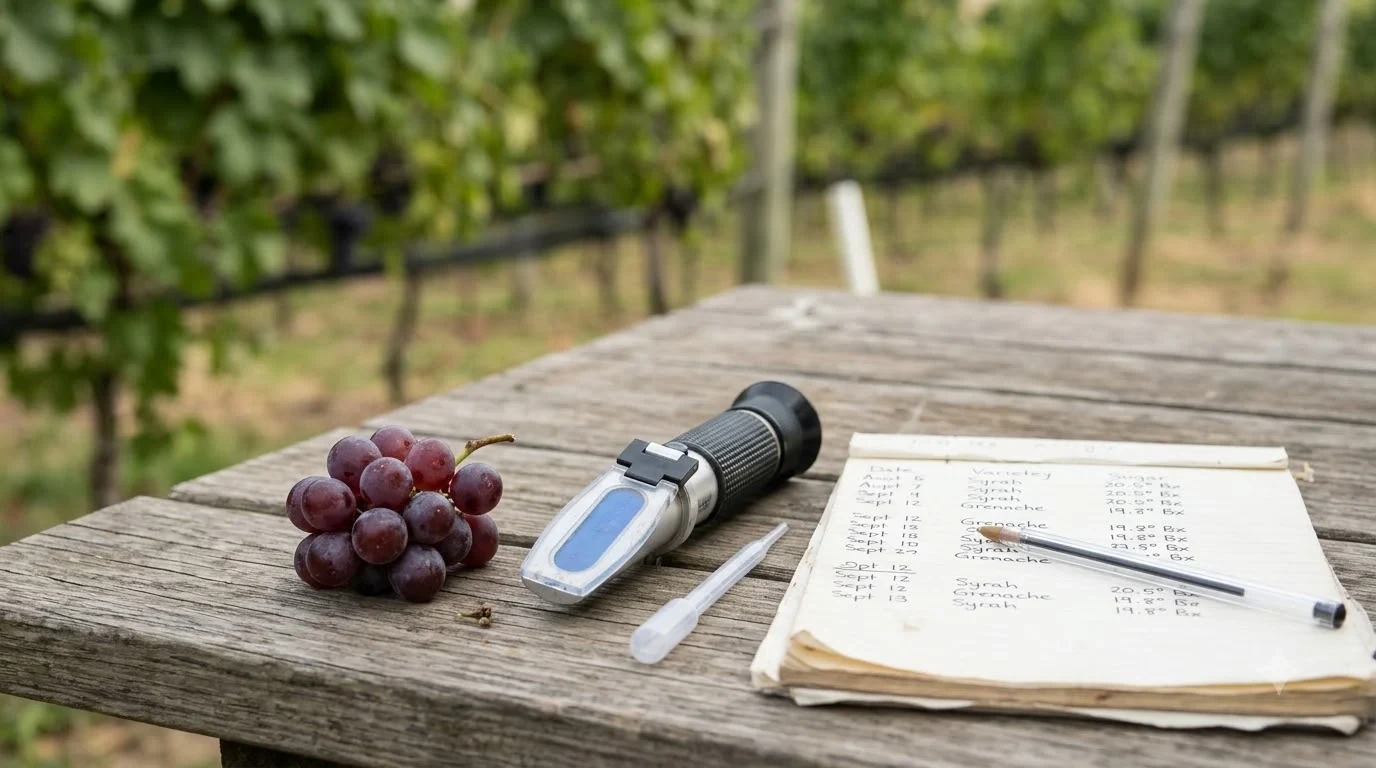
Zinfandel follows a different path. In California it is a heritage grape, and some of the oldest vines grow in Lodi, Amador County and even Napa. According to Wine Enthusiast’s Zinfandel master class, the variety soaks up the sun and reaches high sugar levels, which produces wines between 14% and 17% alcohol by volume. The ripening is uneven, so some winemakers let clusters hang longer to build more sugar, and that pushes alcohol higher still. The grape traces its roots to Croatia, and Italy’s Primitivo belongs to the same genetic family. Both stem from the Croatian grape known as Tribidrag or Crljenak Kaštelanski, but terroir and winemaking have pushed the two into distinct styles.
Malbec Flavor Profile: Plum, Violet and Velvet
Malbec leans toward ripe dark fruit with a soft, velvety texture, which makes it one of the easiest reds to enjoy young.
Argentine Malbec is typically fruit-forward, with blackberry, plum and black cherry at the front. Behind the fruit you will often find milk chocolate, cocoa and leather, along with a sweet tobacco finish when the wine has seen oak. Wine Folly describes Argentine Malbec as plummy and velvety, and that texture is a big reason many drinkers reach for it first.
Oak changes the profile as well. According to Wine Folly’s Malbec guide, most entry-level Argentine Malbec sees about six months in oak, while bottles aged 10 to 12 months tend to show the blueberry-like aroma the variety is known for. Some bottles age 18 to 20 months, which pushes the oak character further forward. Stainless steel tells a different story: wine aged in it stays fruit-forward and clean, with modest tannin and no oak flavor.
Cahors in southwest France offers the other classic version. Wine Folly describes French Malbec as savory and tart, with firm tannins, plum and blackberry, and a leathery character. Cahors grows in limestone soils, and the wines are often medium- to full-bodied and earthy, with more tannin than many Argentine bottles. Wine Enthusiast notes that a Cahors red must be at least 70% Malbec, with Merlot or Tannat filling the rest of the blend. A Mendoza bottle and a Cahors bottle can look nearly identical on a shelf and taste very far apart.
Higher-elevation sites push the grape in another direction. Wine Enthusiast says Malbec from the Uco Valley captures more acidity and aromatic intensity, with violet notes and a jewel-toned purple color. Those are the bottles that tend to show the most lift.
Zinfandel Flavor Profile: Bramble, Spice and Warmth
Zinfandel delivers glossy bramble berries, herbs and savory spice, with a warm, weighty finish that reflects its high alcohol.
In the classic California style, Zinfandel shows jammy dark fruit and a rich, glossy texture. Wine Enthusiast describes these wines as full-bodied and spicy, and when winemakers pick late or extend maceration, the result can be a lush, boozy wine with a glycerin-like sweetness. That richness is appealing, but when the fruit tips toward baked flavors and heat, the balance can feel lopsided. Zinfandel’s ripe sugar and alcohol can also make a dry wine taste sweeter than it is, which is part of why the style is so easy to drink with a meal.
The Italian side of the family is Primitivo from Puglia. Wine Enthusiast notes that Italian Primitivo generally has more vibrant acidity, drier tannins and a more savory, earthy profile than California Zinfandel. Primitivo di Manduria is the most important appellation for the grape and the classic place to look for a bold Italian expression.
A lighter, fresher style has been gaining ground. Dashe, Broc Cellars, Ridge and Turley have sourced fruit from cooler vineyards, picked earlier for more pronounced acidity and lower alcohol. Decanter notes that celebrated Ridge Zinfandels tend to sit between 13.5% and 15% alcohol, which is far from the high-octane stereotype the grape still carries.
Zinfandel’s pink side is a separate conversation. If you want the blush style compared with dry rosé and red styles, our rose vs white zinfandel breakdown covers those differences in detail.
Alcohol, Tannin and Acidity Compared Side by Side
On the three structural markers that shape how a wine feels in the mouth, Malbec is generally the softer and more even of the two, while Zinfandel brings higher alcohol and a sharper edge.
| Feature | Malbec | Zinfandel |
|---|---|---|
| Body | Full-bodied | Full-bodied, often bigger in warm sites |
| Alcohol (dry red) | No single range; Cahors runs higher than lighter Loire Côt | 14% to 17% ABV in the classic style |
| Tannin | Medium; soft in Argentina, firmer in Cahors | Medium to high; grippier in cooler sites |
| Acidity | Medium, higher at elevation | High natural acidity |
| Signature flavor | Plum, blackberry, violet | Bramble berry, black pepper, herbs |
| Serving temperature | 60 to 65 degrees Fahrenheit | 60 to 65 degrees Fahrenheit |
Alcohol is where the gap is easiest to hear. Dry Zinfandel commonly runs 14% to 17% ABV, while the lighter, fresher style can taste bright at 12% to 14%, according to Wine Enthusiast. Malbec has no comparable single range. Cahors bottlings tend to run higher than the lighter Côt style from the Loire, so the bottle matters as much as the grape.
Malbec’s tannin is usually medium, and Argentine bottles lean toward a soft, velvety texture. Cahors Malbec runs firmer and more rustic. Zinfandel’s tannin depends heavily on site: Wine Enthusiast notes that cooler vineyards in the Santa Cruz Mountains, Sonoma and Mendocino give a tannic structure that is more grip than polished opulence.
Acidity is where Zinfandel tends to pull ahead. Decanter describes the variety’s natural acidity as high, and that acidity is part of why a good Zinfandel can keep developing. Malbec sits at medium acidity, and higher-altitude Argentine bottles push it up. That makes acidity a useful tie-breaker when you compare the two against a specific meal.
Tip: On a Zinfandel label, 15% alcohol or higher usually signals the big, concentrated style, while 12% to 14% points to a fresher, lighter wine. Use that as a quick shopping shortcut before you read anything else on the bottle.
Malbec vs Zinfandel: Food Pairing Guide for Real Dinners
Malbec is the more forgiving partner across a range of meals, while Zinfandel needs a little more care with heat, acidity and dessert.
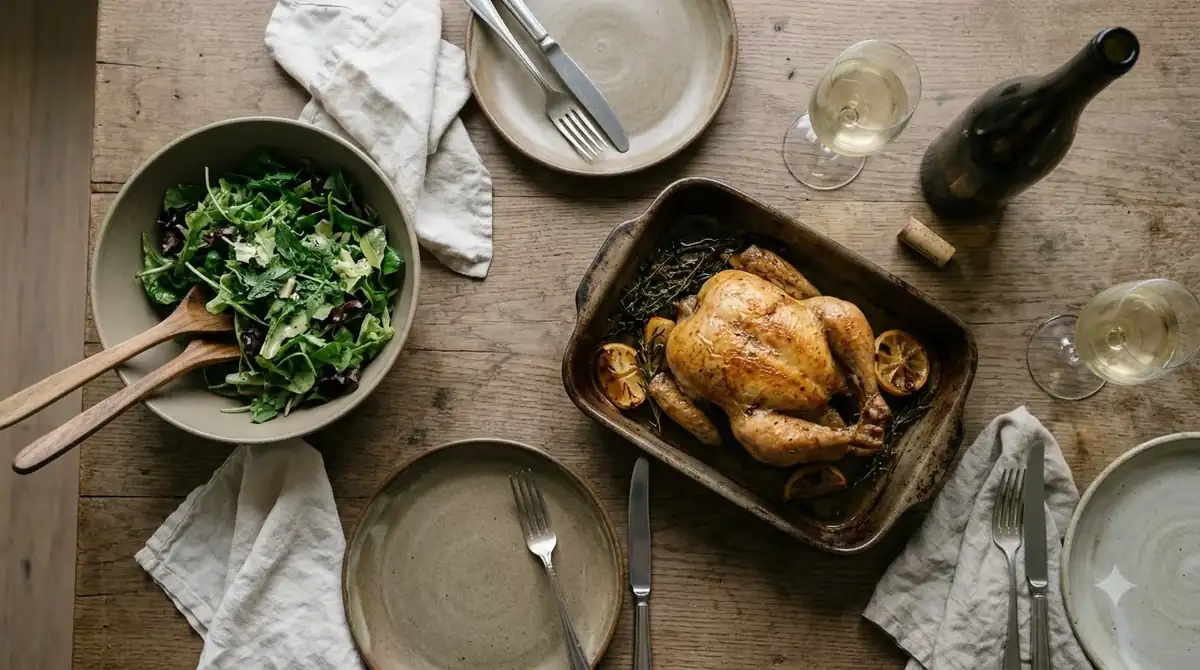
Malbec pairs naturally with grilled steak, lamb, duck and beef brisket. Wine Folly recommends it with leaner red meats and dark-meat poultry, and it does well with funky cheeses such as blue cheese. It also handles mushrooms and roasted vegetables, because its fruit is soft and its tannin is moderate. Salt and fat soften tannin, so a juicy burger or a slice of aged hard cheese smooths out the wine’s edges and lets the fruit come forward.
Zinfandel suits smoky, sweet barbecue, pulled pork and grilled sausages, where its spice and fruit have something to grab onto. Two cautions apply. Zinfandel’s high alcohol and tannin amplify chili heat, so fiery curries or hot wings will feel hotter beside a big Zin. Acidity matters too: a tomato-heavy pasta needs a wine with equal or higher acidity, which points you toward Zinfandel over Malbec. Oily fish such as salmon clashes with tannic reds of either kind, so save those for leaner proteins.
Dessert follows its own rule. The wine should be at least as sweet as the dessert, so neither of these dry reds belongs with a sweet cake or a chocolate torte. If barbecue night has you weighing Zinfandel against Australian Shiraz, our shiraz vs zinfandel guide covers how those two stack up on the grill.
Serving Temperature, Decanting and Storage
Both reds share the same serving window and care routine, with one practical difference in how long they need to open up.
Both are full reds, so serve them at 60 to 65 degrees Fahrenheit. Serve cooler and the tannin can taste tight; serve warmer and the alcohol shows, which matters more for Zinfandel because of its higher ABV. Young full reds benefit from decanting for 30 to 60 minutes, which softens the tannin and lets the fruit open up. Older bottles with sediment need gentler handling, so decant them carefully and close to serving time.
Store unopened bottles on their side in a cool, dark spot near 55 degrees Fahrenheit, away from heat and light. Once opened, still wines usually keep for 3 to 5 days in the fridge, which covers both Malbec and Zinfandel. Recork tightly between pours to slow oxidation, and let the bottle come back toward serving temperature before you pour.
How to Choose Between Malbec and Zinfandel When Shopping
Choose Malbec for an easy, plush red that suits many dinners. Choose Zinfandel for spice, a bigger finish and bold barbecue.
Start with origin. For Argentine Malbec, Wine Enthusiast advises seeking labels that name the Uco Valley as the subregion, which signals the higher-elevation style with more acidity and violet aromatics. For French Malbec, the Cahors appellation delivers the bold, structured version, and those bottles reward a longer decant.
For Zinfandel, Wine Enthusiast suggests bottles from Lodi or Amador County for a New World style with strong character. If you prefer the Italian approach, look for Primitivo di Manduria, which brings more savory, earthy notes and more vibrant acidity than its California cousins.
Style matters as much as region. If you want something fresh and bright, look for Zinfandel between 12% and 14% alcohol. If richness is the goal, aim for 15% or higher. On the Malbec side, pick Cahors for firmness and Uco Valley or Mendoza for soft fruit and perfume. A side-by-side tasting at home, one bottle of each, remains the fastest way to learn which style you prefer.
Frequently Asked Questions
Is Zinfandel sweeter than Malbec?
Most Malbec and most Zinfandel on shelves are dry. The notable exception is white Zinfandel, which Wine Enthusiast describes as a rosé made from red Zinfandel grapes that usually carries a few grams of residual sugar. That sweetness comes from the winemaking choice, not from the grape itself.
Which of these two wines ages better?
Both can age, but they do it for different reasons. Decanter notes that a quality Zinfandel readily lasts about 10 years, and exceptional sites can keep developing in bottle for decades thanks to natural acidity. For Malbec, Wine Enthusiast points out that firmer tannins help the higher-elevation Uco Valley wines age well.
Can Malbec be served with a slight chill?
Yes, especially the lighter styles. Wine Enthusiast describes Côt Touraine Rouge from the Loire as a juicy, lower-alcohol Malbec that makes a lovely summer sipper with a slight chill. That wording on a label is a good signal that you are looking at the lighter style rather than a bold Cahors.
How many glasses are in a bottle?
A standard 750 ml bottle holds about five 5-ounce pours. That makes one bottle a comfortable share for four people at a casual dinner. A larger table will need a second bottle to keep glasses full through the meal.
Does oak change how Malbec tastes?
Yes. Wine Enthusiast notes that barrels increase ageability through wood tannin and soften astringent tannins through contact with oxygen. Concrete and clay add some texture without contributing oak flavor, which gives a middle path between stainless steel and barrel-aged styles.
Malbec and Zinfandel are both reliable reds, but they solve different problems at the table. Malbec is the smooth, fruit-driven choice for weeknights and mixed crowds, while Zinfandel brings spice, warmth and grip to bold dishes. Pour one of each and let your own palate settle the question.
More in Wine vs Wine
 Nero d’Avola vs Pinot Noir: Taste, Body, and Pairing DifferencesUpdated Nov 21, 2026
 Chenin Blanc vs Pinot Blanc: Key Differences in Taste, Acidity, and PairingsUpdated Nov 21, 2026
 Chardonnay vs Shiraz: Key Differences in Taste, Serving, and PairingUpdated Nov 21, 2026
 Chardonnay vs Verdejo: How Spain’s Crisp White Compares to the World’s ChameleonUpdated Nov 21, 2026
 Chardonnay vs Sancerre: Key Differences in Taste, Grapes, and PairingUpdated Nov 21, 2026
 Chardonnay vs Malbec: Key Differences in Taste, Body, and PairingUpdated Nov 21, 2026