

We may earn a commission when you buy through links on this page, at no extra cost to you. Learn more.
When comparing chardonnay vs sancerre, the fundamental difference is that Chardonnay is a grape variety grown worldwide, while Sancerre is a protected French wine region famous for white wines made from Sauvignon Blanc. Sancerre delivers high acidity, bright citrus, gooseberry, and flinty minerality with a lean body, whereas Chardonnay ranges from crisp, green-apple-driven unoaked styles to rich, full-bodied oak-aged wines showing vanilla, butter, and tropical fruit. Understanding whether you want zesty herbal refreshment or plush, rounded texture makes choosing between them straightforward.
Shoppers often pit these two white wines against each other on restaurant lists and retail shelves because both hold iconic status among dry whites. Yet placing them side by side reveals a classic contrast between grape-driven versatility and place-driven precision. Looking closely at their origins, winemaking methods, serving temperatures, and food pairings clarifies which bottle belongs at your table.
What It Is
Chardonnay is an adaptable white wine grape originally from eastern France that now grows in nearly every major wine-producing country, while Sancerre is an Appellation d’Origine Protégée (AOP) in France’s eastern Loire Valley where white wines are made exclusively from Sauvignon Blanc. When you buy a bottle labeled Chardonnay, you are buying a varietal wine defined by the grape itself and the winemaker’s stylistic choices, whereas buying Sancerre guarantees a specific French terroir and strict regional production rules.
Although Sancerre is overwhelmingly associated with crisp white wine, the appellation also produces small quantities of red and rosé wines from Pinot Noir. According to Wine Folly’s guide to Sancerre, white Sauvignon Blanc accounts for roughly 5,436 acres of vineyard plantings in the region, compared to about 1,532 acres dedicated to red and rosé Pinot Noir. When American wine drinkers say “Sancerre” without a color qualifier, they are almost always referring to the dry white Sauvignon Blanc.
Chardonnay, by contrast, is a global chameleon rather than a single geographic designation. Winemakers in Burgundy, California, Oregon, Australia, and Chile bottle Chardonnay under varietal labels or regional names like Chablis and White Burgundy. Because Chardonnay has a relatively neutral aromatic baseline compared to Sauvignon Blanc, its final personality depends heavily on climate and cellar techniques such as oak barrel aging and malolactic fermentation. If you enjoy exploring how major white styles stack up across the wine aisle, our broader Wine vs Wine comparisons break down these foundational categories.
Flavor and Styles
Sancerre is consistently dry, light- to medium-bodied, and defined by racy acidity, citrus, green herbs, and wet-stone minerality, whereas Chardonnay spans a wide stylistic spectrum from lean and crisp to rich, creamy, and oak-inflected. Your experience with Sancerre stays within a recognizable, refreshing lane, while two bottles of Chardonnay can taste like completely different beverages depending on how they were raised in the cellar.
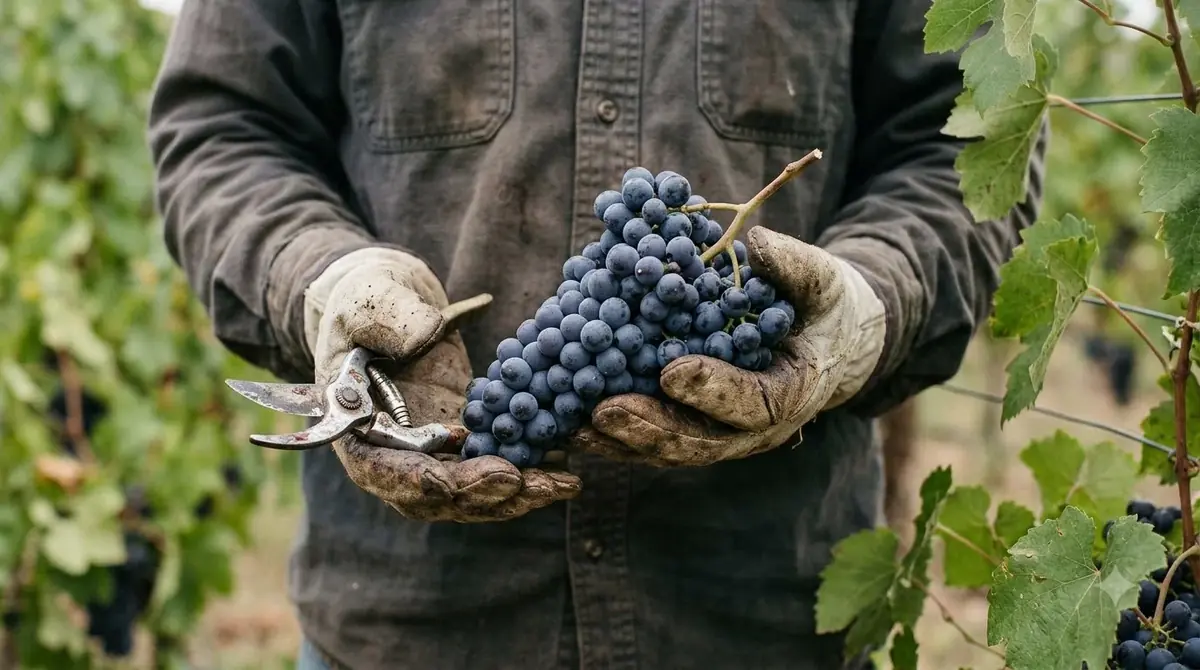
In the glass, white Sancerre announces itself with vibrant aromatics of lime peel, Meyer lemon, pink grapefruit, gooseberry, white peach, and freshly cut grass or chervil. Beneath the fruit sits a distinctive savory backbone often described as struck flint, chalk, or gray sea salt. Winemakers in Sancerre rarely use new oak barrels, preferring stainless steel tanks or neutral vessels that preserve the grape’s natural zip and mineral clarity.
Chardonnay splits into two primary stylistic camps: unoaked and oaked. Unoaked Chardonnay, exemplified by northern Burgundy’s Chablis or stainless-steel fermentations from cool climates, leans toward green apple, lemon, pear, and chalky tension. Oaked Chardonnay, famously associated with Napa Valley, Sonoma, and portions of Côte de Beaune, undergoes barrel aging and often malolactic conversion—a secondary fermentation that softens sharp malic acid into creamy lactic acid. As Wine Folly’s comprehensive Chardonnay overview notes, leaner styles typically sit between 12 and 13.5 percent ABV, while richer, warm-climate oaked bottlings can climb to 14.5 or 15 percent ABV with pronounced flavors of vanilla, toasted nuts, butter, and caramel.
| Attribute | Chardonnay | Sancerre (Blanc) |
|---|---|---|
| Primary Grape | Chardonnay | Sauvignon Blanc |
| Origin | Global (Burgundy, California, Australia, Chile, and more) | Centre-Loire Valley, France (Sancerre AOP) |
| Body | Medium to full-bodied | Light to medium-bodied |
| Acidity | Medium-low (warm/oaked) to medium-high (cool/unoaked) | High and mouthwatering |
| Typical ABV | 12%–15% depending on climate and style | Moderate, typically around 12.5%–13.5% |
| Key Flavor Notes | Green apple, Meyer lemon, pineapple, vanilla, butter, toasted hazelnut | Pink grapefruit, lime, gooseberry, green herbs, white peach, struck flint |
| Oak Influence | Ranges from zero oak to heavy new French or American oak | Rarely oaked; typically fermented in stainless steel or neutral vessels |
Where It Grows
Sancerre comes strictly from a compact cluster of hillsides on the left bank of the Loire River in central France, while Chardonnay thrives across cool, moderate, and warm wine regions on six continents. Geography is the dividing line between a wine defined by one specific limestone-and-flint terroir and a grape celebrated for reflecting dozens of different climates.
Located in the eastern stretch of the Loire Valley known as Centre-Loire, Sancerre sits roughly two hours south of Paris across the river from its sister appellation, Pouilly-Fumé. The region experiences a cool continental climate with cold winters and moderate summers that keep natural acidity high in the grapes. Local growers prize three primary soil types—caillottes (stony limestone), terres blanches (clay and Kimmeridgian marl), and silex (flint)—which impart varying degrees of floral lift, mid-palate weight, and smoky minerality to the finished wines.
Chardonnay originated in Burgundy, France, where cool-climate limestone slopes produce benchmarks ranging from steely Chablis in the north to textured White Burgundy in Meursault and Puligny-Montrachet. Outside France, Chardonnay became the flagship white grape of California’s Napa Valley, Sonoma Coast, and Santa Barbara County, where abundant sunshine yields riper orchard and tropical fruit flavors. It also excels in Oregon’s Willamette Valley, Australia’s Margaret River and Yarra Valley, and New Zealand’s Marlborough and Hawke’s Bay, proving that the grape adapts easily wherever vineyards are planted.
How to Serve
Both wines taste best chilled, but Sancerre should be served colder at 45 to 50 degrees Fahrenheit to preserve its crisp aromatics, while oaked Chardonnay shines slightly warmer at 50 to 55 degrees Fahrenheit so its richer texture and oak nuances can open up. Serving either bottle straight from a standard kitchen refrigerator at roughly 38 degrees Fahrenheit suppresses aroma and makes the wine taste overly sharp or muted.
For Sancerre and lean, unoaked styles of Chardonnay such as Chablis, pull the bottle from the refrigerator about 15 to 20 minutes before pouring, or chill it in an ice-and-water bath until it reaches 45 to 50 degrees Fahrenheit. Use a standard white wine glass with a moderately narrow bowl, which funnels delicate citrus, herbal, and mineral aromas directly toward your nose while keeping the wine cool in the glass.
For fuller-bodied, oak-aged Chardonnay, aim for 50 to 55 degrees Fahrenheit—roughly cellar temperature or 25 to 30 minutes out of a cold fridge. A slightly wider white wine bowl gives richer Chardonnay room to breathe, allowing layered scents of baked apple, brioche, and hazelnut to emerge. Neither wine requires extended decanting when young, though an aged White Burgundy or a tightly wound single-vineyard Sancerre can benefit from 20 minutes of air in the glass.
Tip: If you pull a bottle of oaked Chardonnay straight out of a cold refrigerator and it tastes flat or overly tart, cup the bowl of your glass in your hands for 30 seconds to gently warm the wine and release its creamy aromatics.
Food Pairing
Sancerre’s brisk acidity and herbal snap make it a natural partner for tangy cheeses, raw shellfish, and green vegetables, whereas Chardonnay’s broader body and lower perceived acidity complement creamy sauces, roasted poultry, and richer seafood. Matching the weight and acid level of your wine to the richness of the plate is the easiest way to nail dinner.
In the Loire Valley, the classic regional pairing for Sancerre is Crottin de Chavignol, a local goat cheese whose bright, tangy paste mirrors the wine’s electric acidity. Beyond goat cheese, Sancerre slices cleanly through raw oysters, steamed mussels, ceviche, herb-crusted white fish, asparagus, and salads dressed with lemon vinaigrette. Its zesty profile holds up effortlessly against fresh herbs like tarragon, dill, chives, and cilantro that often clash with heavier whites.
Chardonnay brings weight and roundness to dishes that might overwhelm a leaner white. An oaked Chardonnay with creamy texture pairs effortlessly with lobster in drawn butter, pan-seared sea scallops, roast chicken with pan drippings, pork tenderloin, and mushroom risotto. If your menu leans toward lighter, brighter fare—such as grilled shrimp or sushi—opt for an unoaked Chardonnay or compare it alongside our guides to albariño vs chardonnay and chenin blanc vs sancerre for additional crisp pairing options.
How to Choose a Bottle
Choose Sancerre when you want guaranteed crispness, bright citrus, and mineral refreshment without oak influence, and choose Chardonnay when you want to tailor the wine’s richness—from lean and steely to lush and buttery—to your mood or meal. Reading a few key clues on the front and back labels prevents any surprises once you pull the cork.
When shopping for Sancerre, the appellation name itself tells you the wine is dry, unoaked or minimally oaked Sauvignon Blanc from the Loire Valley. Look for village names on the label such as Chavignol, Bué, or Ménétréol if you want deeper concentration and chalky complexity, and aim for recent vintages within one to three years of harvest for peak freshness. If you love sparkling celebrations rather than still whites, you might also compare how still Chardonnay stacks up in our chardonnay vs prosecco breakdown.
Because Chardonnay labels rarely spell out oak levels in large print, scan the back label and technical details for clues. Terms like “stainless steel,” “unoaked,” “Chablis,” or “cool-climate” signal crisp green-apple acidity and a lighter frame. Conversely, phrases such as “barrel-fermented,” “sur lie aging,” “French oak,” or warm-region appellations like Napa Valley point toward a fuller-bodied, creamy bottle with notes of vanilla and butter.
Frequently Asked Questions
Is Sancerre the same thing as Chardonnay?
No, Sancerre and Chardonnay are completely different wines made from different grapes. Chardonnay is a white grape variety grown around the world, whereas Sancerre is a specific wine region in France’s Loire Valley where white wines are made exclusively from Sauvignon Blanc.
Which is drier, Chardonnay or Sancerre?
Both Sancerre and traditional Chardonnay are fermented dry, meaning virtually all grape sugar is converted into alcohol. However, Sancerre often tastes drier and crisper on the palate because of its high natural acidity, whereas warm-climate, oak-aged Chardonnay can give an impression of sweetness due to ripe fruit and vanilla oak flavors.
Why is Sancerre usually more expensive than everyday Chardonnay?
Sancerre comes from a relatively small, strictly regulated French appellation with limited vineyard acreage and high global demand, which keeps supply tight. Chardonnay is planted in huge volumes across dozens of countries, allowing winemakers to produce bottles at every tier from everyday table wine to grand cru collectibles.
Which wine is better if I dislike oaky, buttery flavors?
Sancerre is the safer choice if you want to avoid oak and butter entirely, as winemakers in the region almost universally ferment in stainless steel or neutral vessels to preserve crisp fruit and minerality. You can also enjoy unoaked Chardonnay—such as Chablis or steel-fermented bottles—which offers clean apple and citrus notes without creamy oak influence.
Deciding between Chardonnay and Sancerre ultimately comes down to whether you crave zesty, herbaceous lift or rounded, orchard-fruit texture in your glass. Keep a bottle of Sancerre chilled for raw shellfish, goat cheese, and sunny afternoons, and reach for Chardonnay whenever roast poultry, creamy pasta, or richer dishes call for extra body.
More in Wine vs Wine
 Nero d’Avola vs Pinot Noir: Taste, Body, and Pairing DifferencesUpdated Nov 21, 2026
 Chenin Blanc vs Pinot Blanc: Key Differences in Taste, Acidity, and PairingsUpdated Nov 21, 2026
 Chardonnay vs Shiraz: Key Differences in Taste, Serving, and PairingUpdated Nov 21, 2026
 Chardonnay vs Verdejo: How Spain’s Crisp White Compares to the World’s ChameleonUpdated Nov 21, 2026
 Chardonnay vs Malbec: Key Differences in Taste, Body, and PairingUpdated Nov 21, 2026
 Carmenere vs Pinot Noir: Taste, Body, and Food Pairing ComparedUpdated Nov 21, 2026