

We may earn a commission when you buy through links on this page, at no extra cost to you. Learn more.
When comparing chardonnay vs malbec, the most immediate difference is that Chardonnay is a dry, medium-to-full-bodied white wine with orchard fruit and citrus notes, whereas Malbec is a full-bodied red wine defined by dark berry flavors, moderate tannins, and a velvety cocoa finish. Both grapes originated in France before achieving massive global popularity, and both sit comfortably in a dry style with alcohol levels commonly reaching 13.5 to 15 percent ABV in warmer climates. Choosing between them comes down to whether you want crisp acidity and creamy texture for lighter fare or rich dark fruit and gentle structure for grilled meats.
Because both varieties are staples on restaurant lists and retail shelves across the United States, shoppers often weigh them side by side when planning dinner menus or stocking a mixed case. While one pours pale straw to deep gold and the other stains the glass an opaque purple with a bright magenta rim, they share a remarkable ability to reflect winemaking choices—especially regarding oak aging and regional climate.
What It Is
Chardonnay is the world’s most widely planted white wine grape, prized for its adaptability and neutral canvas that translates climate and cellar techniques into vastly different wines. Malbec, historically known as Côt in its French homeland, is a thick-skinned black grape that produces deeply pigmented, fruit-forward red wines.
Originating in the Burgundy region of eastern France, Chardonnay belongs to the Vitis vinifera family and arose naturally from a cross between Pinot Noir and Gouais Blanc. According to Wine Folly’s guide to Chardonnay, the grape is almost always vinified dry, contains zero tannins, and displays medium acidity alongside an alcohol range of 12 to 15 percent ABV depending on ripeness. Because the grape lacks aggressive herbal or floral compounds of its own, winemakers frequently shape its final profile through stainless steel fermentation, malolactic conversion, or aging in French and American oak barrels.
Malbec tells a parallel story of French origins followed by international reinvention. Originally a minor blending variety in Bordeaux and the flagship grape of Cahors in southwest France, Malbec found its ultimate home in Argentina after French botanist Michel Pouget introduced cuttings to Mendoza in 1868. Today, Malbec accounts for roughly 40 percent of Argentina’s red grape plantings, yielding full-bodied wines with medium tannins, medium-low acidity, and 13.5 to 15 percent ABV. Unlike more astringent reds such as Cabernet Sauvignon, Malbec delivers plush, rounded structure right out of the bottle.
| Attribute | Chardonnay | Malbec |
|---|---|---|
| Wine Type | Dry white wine (also used in sparkling wine) | Dry red wine |
| Primary Origin | Burgundy, France | Cahors and Bordeaux, France |
| Top Modern Regions | France, California, Oregon, Australia | Mendoza (Argentina), Cahors (France) |
| Body and Tannins | Medium body, no tannins | Full body, medium tannins |
| Acidity Level | Medium | Medium-low |
| Typical ABV | 12% to 15% | 13.5% to 15% |
| Serving Temperature | 45°F to 55°F (7°C to 13°C) | 60°F to 68°F (15°C to 20°C) |
Flavor and Styles
Chardonnay splits into two primary stylistic camps—crisp and unoaked versus rich and oak-aged—while Malbec ranges from juicy, fruit-driven everyday bottles to structured, oak-matured reserves. Both wines rely heavily on barrel contact to add spice, vanilla, and textural weight.
Unoaked Chardonnay, exemplified by classic Chablis, emphasizes sharp green apple, lemon zest, wet stone, and subtle white blossom. When winemakers ferment or age Chardonnay in new oak barrels and encourage malolactic fermentation—a secondary process that converts tart malic acid into softer lactic acid—the wine transforms dramatically. Those richer styles showcase baked yellow apple, pineapple, vanilla bean, toasted hazelnut, and a signature creamy, buttery mouthfeel. With extended bottle age, top Chardonnays also develop savory nuances of honey and forest mushroom.
Malbec centers on generous dark fruit, led by ripe blackberry, red plum, and black cherry. According to Wine Folly’s comprehensive Malbec overview, the grape’s thick skins contain high levels of anthocyanin pigment, giving the wine an unmistakable inky purple core and magenta edge. Entry-level bottles often see only four to six months in oak, preserving pure, juicy fruit and violet aromatics. Reserve bottlings aged 18 to 20 months in oak take on layered notes of milk chocolate, cocoa powder, sweet tobacco, and vanilla, while French versions from Cahors lean decidedly more savory with black currant, leather, and earthy grip.
Where It Grows
Chardonnay thrives in almost every major wine-producing country across cool, moderate, and warm climates, whereas Malbec strongly favors high-elevation, sun-drenched vineyards with cool nights. Understanding where a bottle comes from is the fastest way to predict how ripe or restrained it will taste.
For Chardonnay, Burgundy remains the global benchmark, spanning from the chilly limestone slopes of Chablis in the north to the warmer, prestigious villages of the Côte de Beaune, such as Meursault and Puligny-Montrachet. In the United States, California’s Napa Valley, Sonoma Coast, and Santa Barbara County produce everything from coastal, mineral-driven bottlings to opulent, golden expressions, while Oregon’s Willamette Valley has earned acclaim for balanced, Burgundian-inspired styles. Australia’s Margaret River and Yarra Valley round out the major New World regions.
Malbec is overwhelmingly synonymous with Argentina, particularly the Mendoza province at the foothills of the Andes Mountains. Sub-regions like the Uco Valley and Luján de Cuyo sit at high altitudes where intense sunlight ripens the grape skins fully while crisp mountain nights preserve vital freshness. Outside South America, Cahors in southwest France remains Malbec’s ancestral stronghold, producing darker, more tannic wines, while the Walla Walla Valley straddling Washington and Oregon crafts small-lot American expressions with vibrant dark fruit and spice.
How to Serve
Proper temperature control makes an immediate difference for both wines: Chardonnay needs a moderate chill that preserves freshness without muting oak nuances, while Malbec tastes best slightly below room temperature. Serving either bottle at the wrong extreme can flatten aromatics or exaggerate alcohol heat.

Lean, unoaked Chardonnays such as Chablis shine when served cool around 45°F (7°C), which highlights their crisp citrus snap and mineral tension. Richer, oak-aged Chardonnays open up best slightly warmer, around 55°F (12°C), allowing subtle notes of toasted nuts, butter, and tropical fruit to emerge; pulling the bottle from a standard refrigerator 15 to 20 minutes before pouring hits this sweet spot. Sparkling Blanc de Blancs made from Chardonnay should be served much colder, between 38°F and 45°F (3°C to 7°C), to keep the bubbles lively.
Malbec performs best between 60°F and 68°F (15°C to 20°C). Because American homes are frequently kept warmer than 70°F, placing a bottle of Malbec in the refrigerator for 15 minutes before uncorking prevents the fruit from tasting overly jammy and keeps the 14 percent alcohol feeling balanced. Decanting Malbec for 30 minutes helps soften its medium tannins and blows off any tight cellar aromas, especially for younger, oak-aged bottles. Both wines work well in a standard universal wine glass, though a wider bowl helps capture the complex aromatics of oaked Chardonnay and full-bodied Malbec alike.
Tip: If you are serving both bottles at the same dinner party, chill the Chardonnay in the fridge for two hours, then swap it out for the Malbec 20 minutes before guests arrive so both wines hit their ideal serving temperatures right as you pour.
Food Pairing
Chardonnay pairs naturally with seafood, poultry, and creamy sauces, while Malbec excels alongside charred meats, smoky spices, and aged hard cheeses. Matching the weight and richness of the dish to the body of the wine keeps either bottle from overpowering your meal.
Unoaked Chardonnay’s bright acidity cuts effortlessly through raw oysters, ceviche, lemon-herb roast chicken, and goat cheese salads. When you step up to an oak-aged Chardonnay, its fuller body and creamy texture mirror rich preparations like lobster in drawn butter, pan-seared scallops, roasted turkey, and mushroom risotto. Just as sparkling options explored in our guide to chardonnay vs prosecco offer versatility with salty appetizers, still Chardonnay bridges the gap between delicate fish and hearty white meats.
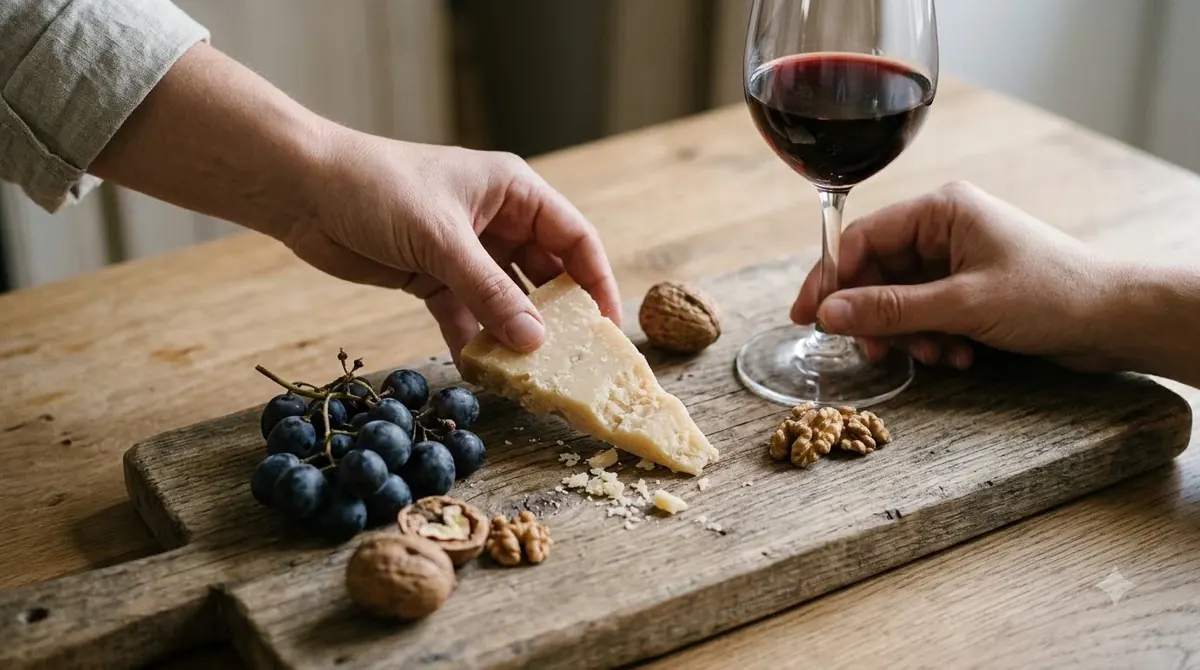
Malbec’s plush dark fruit and moderate tannins make it a reliable partner for grilled flank steak, skirt steak with chimichurri, barbecued ribs, and gourmet burgers. Unlike ultra-tannic reds that require heavy marbling to soften their grip, Malbec also pairs remarkably well with leaner red meats like bison or venison, as well as earthy vegetarian dishes such as roasted portobello mushrooms and black bean burgers. For a broader look at how red grapes compare at the table, see how it stacks up in malbec vs zinfandel or malbec vs rioja, or browse more head-to-head matchups in our Wine vs Wine hub.
How to Choose a Bottle
Selecting the right bottle comes down to reading label cues for oak influence, regional elevation, and vintage age. Knowing three or four key terms on the front and back labels takes the guesswork out of shopping.
When shopping for Chardonnay, check the region and winemaking notes on the back label to avoid style surprises. Words like “unoaked,” “stainless steel,” or regional appellations such as Chablis and Sonoma Coast signal crisp acidity and citrus-driven restraint. Conversely, labels mentioning “barrel-fermented,” “sur lie aging,” “malolactic,” or warm appellations like Napa Valley indicate a fuller, creamier glass with vanilla and toast. Most everyday Chardonnays are crafted for immediate drinking within two to four years of vintage, though premier crus from Burgundy can evolve for a decade or more.
For Malbec, vineyard elevation and oak aging tiers are the clearest indicators of style and concentration. Look for Mendoza sub-regions like Uco Valley, Paraje Altamira, or Gualtallary when you want vibrant floral aromatics, firmer structure, and bright acidity alongside dark fruit. Labels marked “Reserva” or “Gran Reserva” indicate extended cellar and oak aging, delivering deeper cocoa, tobacco, and velvety texture suited for five to ten years of cellaring, whereas standard bottlings focus on fresh, approachable plum and blackberry meant to be enjoyed young.
Frequently Asked Questions
Is Malbec heavier than Chardonnay?
Yes, Malbec is generally heavier than Chardonnay because it is a full-bodied red wine fermented with its thick grape skins, which impart medium tannins and dense dark fruit weight. Even rich, oak-aged Chardonnay typically stays in the medium-bodied range and has zero tannins, giving it a lighter, smoother feel on the palate.
Which wine is sweeter, Chardonnay or Malbec?
Neither wine is sweet; both Chardonnay and Malbec are vinified almost entirely dry, typically containing less than one gram of residual sugar per liter. However, ripe fruit flavors—such as baked apple in warm-climate Chardonnay or jammy blackberry in Argentine Malbec—can create a subtle perception of sweetness even when no sugar remains.
Does Chardonnay or Malbec have higher alcohol?
Malbec tends to have slightly higher average alcohol, typically landing between 13.5 and 15 percent ABV due to the sunny, warm climates where it ripens best. Chardonnay spans a wider range from 12 to 15 percent ABV, with cool-climate styles like Chablis sitting lower and rich California bottlings matching Malbec’s strength.
Which is better for a crowd when you do not know guests’ preferences?
Both grapes are crowd-pleasing staples, so offering one bottle of each covers nearly every palate at a gathering. If you must pick only one, a medium-bodied, lightly oaked Chardonnay works well for warm-weather daytime events, while a fruit-forward Mendoza Malbec is an easy-drinking red that satisfies both casual sippers and seasoned red wine fans.
Ultimately, Chardonnay and Malbec represent two sides of approachable, food-friendly winemaking that reward attention to region and barrel aging. Whether you chill down a crisp coastal white or uncork a velvety high-altitude red, matching the bottle’s weight to your menu guarantees a balanced pour.
More in Wine vs Wine
 Nero d’Avola vs Pinot Noir: Taste, Body, and Pairing DifferencesUpdated Nov 21, 2026
 Chenin Blanc vs Pinot Blanc: Key Differences in Taste, Acidity, and PairingsUpdated Nov 21, 2026
 Chardonnay vs Shiraz: Key Differences in Taste, Serving, and PairingUpdated Nov 21, 2026
 Chardonnay vs Verdejo: How Spain’s Crisp White Compares to the World’s ChameleonUpdated Nov 21, 2026
 Chardonnay vs Sancerre: Key Differences in Taste, Grapes, and PairingUpdated Nov 21, 2026
 Carmenere vs Pinot Noir: Taste, Body, and Food Pairing ComparedUpdated Nov 21, 2026