

We may earn a commission when you buy through links on this page, at no extra cost to you. Learn more.
When comparing chardonnay vs shiraz, the main difference comes down to color, structure, and flavor: Chardonnay is a dry, medium- to full-bodied white wine prized for orchard fruit and creamy oak notes, whereas Shiraz is a bold, full-bodied red wine packed with dark fruit, black pepper, and firm tannins. Both grapes rank among the world’s most popular wines and share an affinity for oak aging, yet they sit on opposite ends of the dinner table. Chardonnay ranges from crisp and citrus-driven to rich and buttery, while Shiraz delivers deep, warming intensity built for hearty dishes.
Understanding how these two heavyweights differ makes it much easier to pick the right bottle for a dinner party, restaurant menu, or quiet evening at home. While one offers refreshing acidity and golden-hued versatility, the other brings opaque purple depth and savory spice. Looking closely at their origins, winemaking styles, serving habits, and food pairings reveals why both grapes have earned permanent spots on wine lists worldwide—and why Australia in particular helped turn both into household names.
What Chardonnay and Shiraz Are
Chardonnay is a green-skinned white wine grape originally from Burgundy, France, while Shiraz is a dark-skinned red wine grape identical to French Syrah. Although they produce completely different styles of wine, both varieties act as expressive canvases for climate and winemaking choices.
Chardonnay belongs to the Vitis vinifera species and is famous for being relatively neutral on its own, which allows winemakers to shape its personality in the cellar. According to Wine Folly, fresh Chardonnay grapes taste fairly simple compared to the finished wine, which develops layered notes of Meyer lemon, yellow apple, vanilla, and toasted caramel depending on fermentation and oak treatment. Because it contains no grape-skin tannins and typically sits between 12% and 15% ABV, Chardonnay relies on natural acidity and creamy texture for structure.
Shiraz, by contrast, is the name Australian and South African winemakers use for Syrah, a dark-skinned grape whose spiritual homeland is France’s Rhône Valley. Editors at Wine Enthusiast explain that Syrah and Shiraz are genetically the exact same grape, with the naming distinction reflecting climate and house style rather than botany. Shiraz wines are dry, opaque, and full-bodied, carrying medium-weight to firm tannins and alcohol levels that typically reach 13.5% to 15.5% ABV in warm growing regions.
| Feature | Chardonnay | Shiraz |
|---|---|---|
| Wine Type | Dry white wine | Dry red wine |
| Color | Pale yellow-green to rich gold | Deep ruby-red to opaque purple |
| Body | Medium- to full-bodied | Full-bodied |
| Tannins | None | Medium to high |
| Acidity | Medium to high | Medium |
| Typical ABV | 12%–15% | 13.5%–15.5% |
| Primary Flavors | Meyer lemon, yellow apple, pear, pineapple, vanilla, butter | Blackberry, blueberry, plum, black pepper, smoke, cured meat |
| Serving Temp | 45°F–55°F (7°C–13°C) | 60°F–68°F (15°C–20°C) |
Flavor and Styles
Chardonnay spans a wide stylistic spectrum from lean, mineral-driven whites to plush, oak-aged bottles, while Shiraz centers on ripe dark berries, warm baking spices, and savory undertones. Winemaking decisions—especially oak aging and malolactic fermentation—play a major role in how each grape tastes in the glass.
Chardonnay is broadly divided into unoaked and oaked styles. Unoaked Chardonnay is fermented in stainless steel or concrete, preserving brisk acidity and crisp flavors of green apple, lemon zest, and white peach. Oaked Chardonnay undergoes barrel aging and often malolactic fermentation—a secondary process that converts tart malic acid into softer lactic acid—creating signature aromas of butterscotch, vanilla, toasted hazelnut, and sweet spice. Even within the broader category of wine vs wine comparisons, few grapes shift their flavor profile as dramatically as Chardonnay does between steel and oak.
Shiraz offers a similarly wide range of expressions, though all of them stay firmly in full-bodied red territory. In warm regions, Shiraz leans lush and fruit-forward, bursting with blackberry jam, blueberry, plum, and milk chocolate alongside sweet vanilla notes from American or French oak barrels. Cooler-climate bottlings—often labeled Syrah—show a more restrained, savory profile marked by cracked black pepper, smoked meat, violet blossoms, and herbal complexity. If you enjoy bold, peppery reds, exploring shiraz vs zinfandel highlights how Shiraz’s smoky, meaty edge contrasts with Zinfandel’s candied berry spice.
Where They Grow
Both grapes thrive across major wine regions worldwide, with France serving as their historic benchmark and Australia cementing their modern global fame. Climate dictates whether each variety leans crisp and savory or lush and opulent.
Chardonnay is the signature white grape of Burgundy, France, where cool-climate Chablis produces steely, high-acid wines and the Côte de Beaune yields rich, age-worthy whites. Outside France, Chardonnay thrives in California’s Napa Valley, Sonoma Coast, and Santa Barbara County, as well as Oregon’s Willamette Valley. In Australia, regions like Margaret River, Adelaide Hills, and Yarra Valley produce refined, citrus-laced Chardonnays that balance bright acidity with subtle French oak.
Shiraz finds its most celebrated New World home in South Australia, particularly in the Barossa Valley, McLaren Vale, and Clare Valley, where warm sunshine ripens the grapes to dark, concentrated perfection. Some Barossa vineyards hold century-old vines that produce deeply layered, age-worthy Shiraz. Meanwhile, France’s Northern Rhône Valley—home to appellations like Hermitage and Côte-Rôtie—remains the classic benchmark for cooler, pepper-driven Syrah, alongside acclaimed plantings in Washington State’s Columbia Valley and South Africa’s Stellenbosch.
How to Serve
Chardonnay tastes best chilled between 45°F and 55°F (7°C to 13°C), while Shiraz shines with a slight cellar chill at 60°F to 68°F (15°C to 20°C). Serving either bottle at the wrong temperature can mute delicate aromatics or make higher alcohol feel overly sharp.
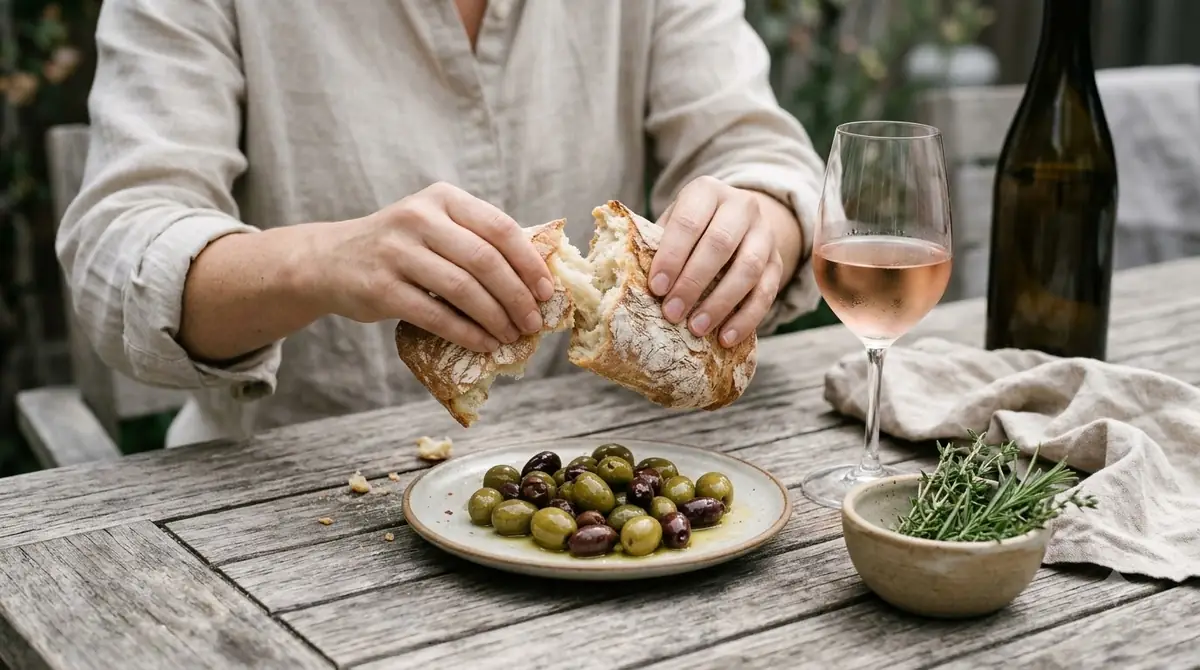
For Chardonnay, temperature depends directly on oak influence. Lean, unoaked styles like Chablis show best around 45°F to 48°F (7°C to 9°C), where cool temperatures highlight crisp citrus and minerality. Rich, barrel-aged Chardonnays open up better closer to 50°F to 55°F (10°C to 13°C), allowing vanilla, baked apple, and creamy textures to emerge without feeling heavy. A standard household refrigerator sits near 38°F, so pulling an oaked Chardonnay out 15 to 20 minutes before pouring helps release its full aroma.
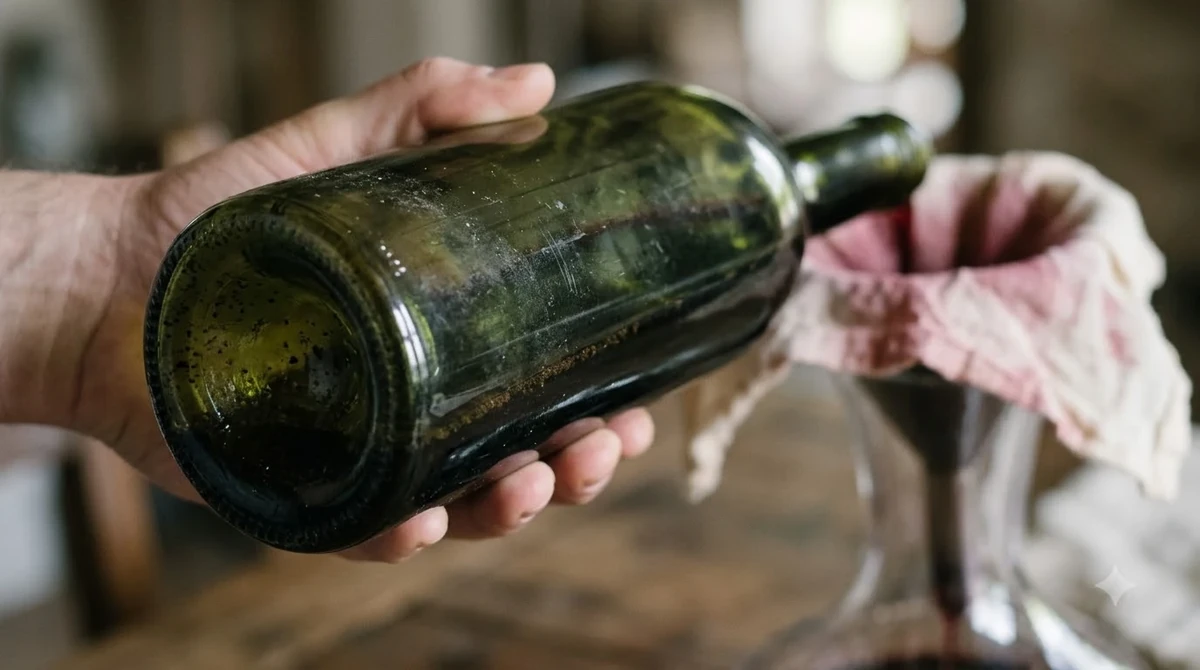
Shiraz benefits from being served cooler than standard modern room temperature, which often hovers around 70°F to 72°F. Because Shiraz frequently carries 14% to 15.5% ABV, serving it too warm emphasizes alcohol heat and flattens the fruit. Chilling a bottle in the refrigerator for 20 to 30 minutes brings it right into the ideal 60°F to 68°F window. Young, dense Shiraz also responds well to 30 to 60 minutes in a decanter, which softens firm tannins and lets smoky, peppery aromatics bloom in a wide-bowled red wine glass.
Tip: Keep an eye on color cues before pouring—deep golden Chardonnay usually signals oak aging and calls for a slightly warmer chill, while inky purple Shiraz benefits most from brief decanting.
Food Pairing
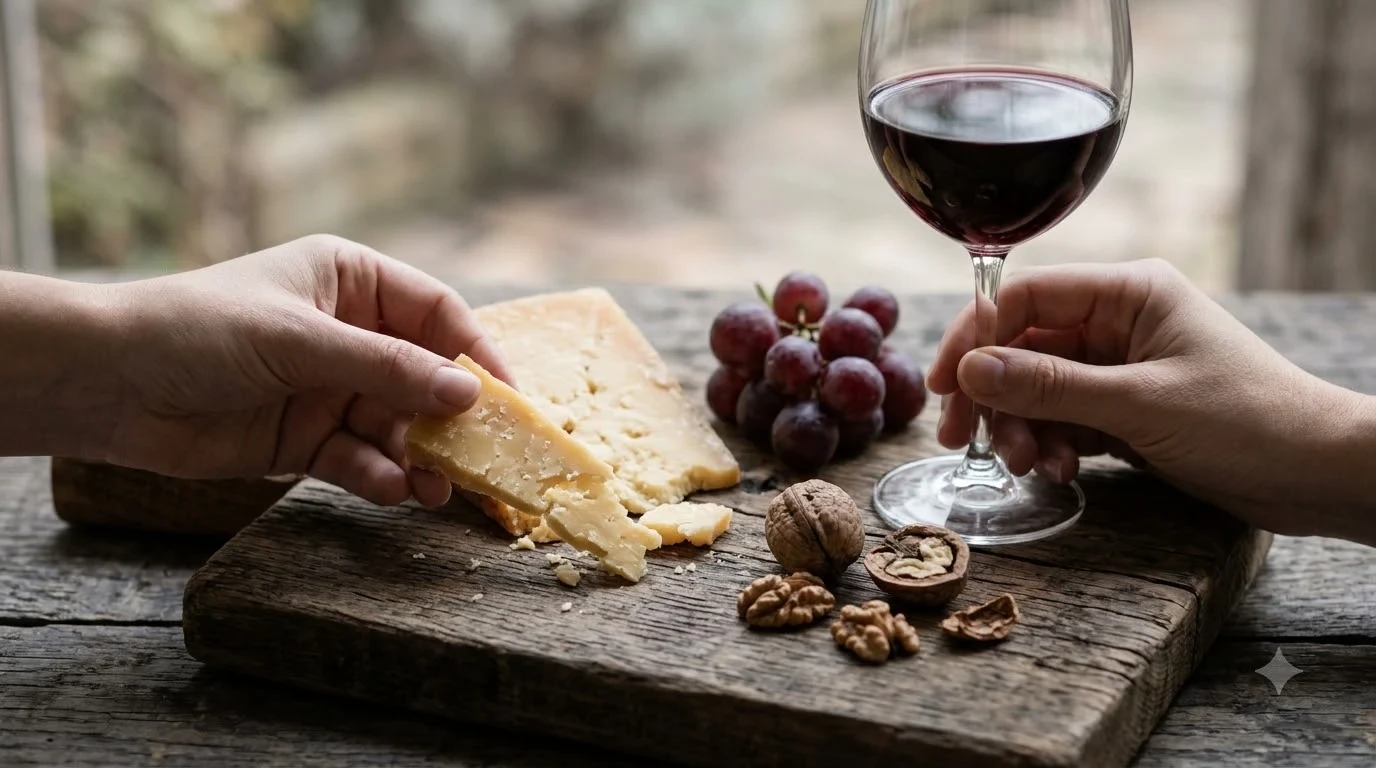
Chardonnay pairs naturally with seafood, poultry, mushrooms, and creamy sauces, whereas Shiraz stands up to grilled red meats, barbecue, game, and aged hard cheeses. Matching the weight and richness of the dish to the weight of the wine keeps either bottle from overpowering your meal.
Unoaked Chardonnay’s bright acidity cuts cleanly through delicate dishes like oysters, steamed mussels, goat cheese salads, and herb-roasted chicken. When Chardonnay is aged in oak, its fuller body and buttery texture mirror rich ingredients such as lobster in drawn butter, crab cakes, seared scallops, roast turkey, and triple-cream Brie. Mushroom risotto and creamy pasta sauces also pair effortlessly with barrel-fermented Chardonnay because the wine’s rounded mouthfeel complements earthy, velvety flavors.
Shiraz needs bold, savory, and protein-rich dishes to balance its intense dark fruit and firm tannins. Fruit-forward Australian Shiraz is a classic partner for smoky barbecue ribs, bacon cheeseburgers, and charred steaks, where sweet spice and jammy fruit echo caramelized crusts. More savory, pepper-driven styles pair beautifully with herb-crusted rack of lamb, braised short ribs, duck breast, venison, and firm aged cheeses like sharp white cheddar or Spanish Manchego.
How to Choose a Bottle
Choosing between Chardonnay and Shiraz starts with your menu, the season, and whether you prefer crisp acidity or warming red-wine richness. Label clues like region, oak mentions, and alcohol level make it easy to predict what is inside the bottle before you pull the cork.
Reach for Chardonnay when you want a versatile white wine for warm weather, seafood, poultry, or cocktail-hour grazing. Check the back label for style cues: words like “stainless steel,” “unoaked,” or “Chablis” point toward crisp, zesty citrus flavors, while “barrel-fermented,” “sur lie,” or warm California appellations usually indicate richer vanilla and butter notes. If you are deciding between a still white and bubbles for brunch or celebrations, comparing chardonnay vs prosecco can help you weigh creamy stillness against lively fizz.
Choose Shiraz when you are serving grilled meats, hearty stews, or bold spices, or when you want a comforting red wine for cooler evenings. Look at the regional origin and ABV on the label to gauge intensity: bottles from Barossa Valley or McLaren Vale above 14.5% ABV deliver lush, ripe blackberry fruit and warming spice, while bottles labeled Syrah from cooler regions tend to feel leaner and more peppery. Readers weighing lighter, silkier reds against full-bodied powerhouses can also check pinot noir vs shiraz to see how delicate red berry notes compare with Shiraz’s dark concentration.
Frequently Asked Questions
Are Chardonnay and Shiraz made from the same grape?
No, Chardonnay and Shiraz come from completely different grape varieties. Chardonnay is a green-skinned grape that produces dry white wine, while Shiraz is a dark-skinned red grape genetically identical to French Syrah.
Which is sweeter, Chardonnay or Shiraz?
Both Chardonnay and Shiraz are typically vinified as dry wines with little to no residual sugar. However, oak-aged Chardonnay can taste creamy and vanilla-sweet, while warm-climate Shiraz often feels sweet on the palate due to ripe blackberry fruit and higher alcohol.
Which wine has higher alcohol, Chardonnay or Shiraz?
Shiraz generally has slightly higher alcohol, typically ranging from 13.5% to 15.5% ABV depending on climate and ripeness. Chardonnay usually sits between 12% and 15% ABV, with cool-climate unoaked styles on the lower end and warm-climate oaked bottles higher.
Why do some bottles say Syrah instead of Shiraz?
Syrah and Shiraz are the exact same grape variety, but winemakers choose the name to signal style and regional tradition. Bottles labeled Shiraz—most famously from Australia—tend to be riper, bolder, and more fruit-forward, while bottles labeled Syrah usually highlight cooler-climate pepper and savory notes.
Whether you lean toward the golden versatility of Chardonnay or the dark, peppery intensity of Shiraz, both wines reward attention to style, region, and serving temperature. Keeping a crisp bottle of Chardonnay chilled alongside a bold Shiraz on your wine rack ensures you are ready for everything from delicate seafood dinners to weekend backyard grilling.
More in Wine vs Wine
 Nero d’Avola vs Pinot Noir: Taste, Body, and Pairing DifferencesUpdated Nov 21, 2026
 Chenin Blanc vs Pinot Blanc: Key Differences in Taste, Acidity, and PairingsUpdated Nov 21, 2026
 Chardonnay vs Verdejo: How Spain’s Crisp White Compares to the World’s ChameleonUpdated Nov 21, 2026
 Chardonnay vs Sancerre: Key Differences in Taste, Grapes, and PairingUpdated Nov 21, 2026
 Chardonnay vs Malbec: Key Differences in Taste, Body, and PairingUpdated Nov 21, 2026
 Carmenere vs Pinot Noir: Taste, Body, and Food Pairing ComparedUpdated Nov 21, 2026