

We may earn a commission when you buy through links on this page, at no extra cost to you. Learn more.
In a shiraz vs zinfandel comparison, Shiraz usually tastes darker, pepperier, and more savory, while Zinfandel tends to emphasize ripe berry fruit, baking spice, and a plush texture. Both can be full-bodied and high in alcohol, so the best choice depends less on which grape is “bigger” and more on whether you prefer savory depth or jammy fruit. Region and winemaking can change either wine substantially.
These two reds are easy to group together because each can deliver concentrated fruit, noticeable warmth, and enough structure for hearty food. Their differences become clearer when you look beyond color and body to the kind of fruit, spice, tannin, and savory character in the glass. Here is how to recognize each style, choose a bottle, and serve it well.
Shiraz vs Zinfandel: The Main Difference in the Glass
Shiraz is generally the more peppery and savory choice; Zinfandel is usually the more openly berry-driven and jammy one. Think blackberry, cracked pepper, and smoked meat for Shiraz, compared with raspberry, blackberry preserves, and sweet baking spice for many California Zinfandels.
That contrast is a useful starting point, not a guarantee. A warm-climate Shiraz from South Australia can be lush and saturated with blueberry, while a cooler-site Zinfandel from Sonoma can show fresher raspberry and a more restrained finish. Oak aging can add vanilla, clove, toast, or cocoa to either wine, and the amount of extraction during fermentation can make the texture feel softer or firmer.
The key distinction is often the non-fruit character. Wine educators interviewed by Wine Enthusiast note that Syrah and Zinfandel can overlap in alcohol, spice, herbs, and tannin, but Syrah/Shiraz more often brings smoky, meaty, leathery notes that are less typical of Zinfandel. For a quick decision, choose Shiraz when you want pepper and savory depth; choose Zinfandel when you want ripe berries and a rounder, fruit-led impression. For a closer look at their shared traits, see our Syrah vs Zinfandel comparison.
Grape Origins and the Regions That Shape Each Wine
Shiraz and Zinfandel come from different grape varieties and have different regional identities. Shiraz is the Australian name for Syrah, a grape associated with France’s Rhône Valley, while California is the benchmark home for Zinfandel, whose ancestry has been traced to Croatia.
In Australia, Shiraz is grown in virtually every wine region, and Wine Australia describes its styles as medium- to full-bodied, with the details shaped by climate, place, and winemaking. Barossa Valley is known for full-bodied wines with blackberry, pepper, and spice. Eden Valley, at higher elevations within the greater Barossa area, tends toward medium- to full-bodied expressions with blackberry, sage, and pepper; harvest can take place up to two weeks later than in Barossa Valley. The Hunter Valley offers a different profile, with medium-bodied wines, red fruit, and savory character.
McLaren Vale adds another recognizable Australian expression: maritime influence helps shape a Mediterranean climate, and its Shiraz is often full-bodied, with blueberry and chocolate notes. Shiraz also appears in blends, including the traditional combination of Grenache, Shiraz, and Mourvèdre, as well as Shiraz-Cabernet blends. These examples show why the word “Shiraz” alone does not tell you whether the wine will be massive and ripe or more medium-bodied and savory. The Wine Australia regional profile of Shiraz outlines how much these regional expressions vary.
Zinfandel is most closely associated with California, where it grows across a wide range of climates. The Wine Institute identifies blackberry, raspberry, boysenberry, and cherry as common fruit descriptors, alongside black pepper, clove, anise, and herbs. Its California Zinfandel overview also notes that the grape is used for a blush-style wine called White Zinfandel; for how that pink wine differs from other rosés, see rosé vs White Zinfandel. Sonoma’s Dry Creek Valley is often associated with vivid raspberry and blackberry, while warmer Amador County and the Gold Rush country can produce thicker, more concentrated, jammy wines. Napa Valley Zinfandel can lean toward plush black cherry. These regional cues are more useful than assuming every bottle labeled Zinfandel tastes alike.
Flavor, Aroma, Body, and Tannin Compared
Both wines can be deeply colored, medium- to full-bodied reds with concentrated fruit, but their flavor signatures and textures often point in different directions. Shiraz commonly combines dark berries with pepper and savory aromas; Zinfandel often layers red and black berries with spice and a richer, more fruit-forward impression.
In Shiraz, look for blackberry, blueberry, black cherry, plum, black pepper, clove, licorice, and sometimes violet or dried herbs. Australian examples may add cocoa, chocolate, or a smoky, meaty edge, particularly when ripe fruit and oak are prominent. Cooler-climate Syrah, including northern Rhône examples, can be more restrained, with fresher acidity, herbal notes, smoke, cured meat, and earthy or mineral nuances. The same grape can therefore deliver a savory, structured wine or a ripe, generous one. Drinkers who prefer a lighter red may also find it useful to compare Pinot Noir vs Shiraz.
Zinfandel’s profile often includes raspberry, blackberry, boysenberry, black cherry, plum, and sometimes raisined or prune-like fruit. Pepper, anise, clove, and vanilla can sit behind that fruit, especially in warmer California examples or wines aged in oak. When the grapes reach high ripeness, the fruit can seem almost sweet, even when fermentation has left the wine dry. A jammy aroma is not proof of residual sugar.
Neither grape has one fixed tannin level. Wine Enthusiast cites Syrah/Shiraz and Zinfandel as wines that can both fall around medium to medium-plus tannin, with alcohol often above 15% in ripe examples. Shiraz can feel firmer because of its structure and savory concentration; Zinfandel can seem silkier or rounder, though extraction, ripeness, stem inclusion, and oak can shift the result. Body is similarly variable: a medium-bodied Hunter Valley Shiraz is a very different experience from a full-bodied Barossa bottling, just as a cooler-site Sonoma Zinfandel differs from a powerful Amador version.
Alcohol, Sweetness, and the Numbers on the Label
Both wines are usually made dry, and neither should be assumed to be low in alcohol. Ripe fruit can make Zinfandel seem sweeter than it is, while warm-region Shiraz can combine dense fruit with pronounced alcohol warmth; the label’s alcohol percentage offers a useful clue to weight, but not a complete description.
Typical examples often sit in the ranges below. These are broad style guides rather than limits: vintage conditions, vineyard site, harvest decisions, fermentation, and blending all affect the finished wine. Some cooler-climate Shiraz falls below the table’s range, and very ripe or late-harvest Zinfandel can exceed its upper end.
| Style point | Shiraz | Red Zinfandel |
|---|---|---|
| Common body | Medium to full | Medium to full, often full |
| Typical alcohol in ripe styles | About 14–15.5% ABV | About 15–16% ABV; some higher |
| Tannin impression | Medium-plus to high in firmer styles | Medium to medium-plus, often rounder |
| Common fruit | Blackberry, blueberry, plum | Raspberry, blackberry, boysenberry |
| Signature non-fruit notes | Black pepper, smoke, meat, herbs | Black pepper, clove, anise, vanilla |
| Common regional reference | Barossa Valley, Australia | Sonoma and Amador County, California |
Alcohol varies with climate and ripeness. Wine Enthusiast gives a typical 14–15.5% ABV range for bolder Shiraz and notes that California Zinfandel commonly reaches 15–16%, sometimes higher in late-harvest versions. Those figures help explain why both wines can feel warming, especially when served too warm or poured generously. A 13.5% Shiraz may feel lighter than a 15.5% Zinfandel, but alcohol alone cannot tell you which wine has more tannin or darker fruit.
Dryness is a separate question from fruit character. During fermentation, yeast converts grape sugar into alcohol; the wine may finish dry even when its aromas suggest ripe jam, plum compote, or candied berry. Entry-level bottlings can vary in residual sugar, so a drinker seeking a clearly dry red should look for producer tasting notes that specify dryness rather than treating rich fruit as a sweetness indicator. Also remember that a higher ABV does not automatically mean the wine is sweeter.
Food Pairings for Shiraz and Zinfandel
Pair Shiraz with savory, richly flavored dishes such as grilled lamb, beef, game, and slow-cooked stews; pair Zinfandel with barbecue, burgers, sausage, and dishes that welcome ripe berry fruit. In both cases, match the wine’s weight to the food and pay attention to salt, fat, sweetness, and chili heat.
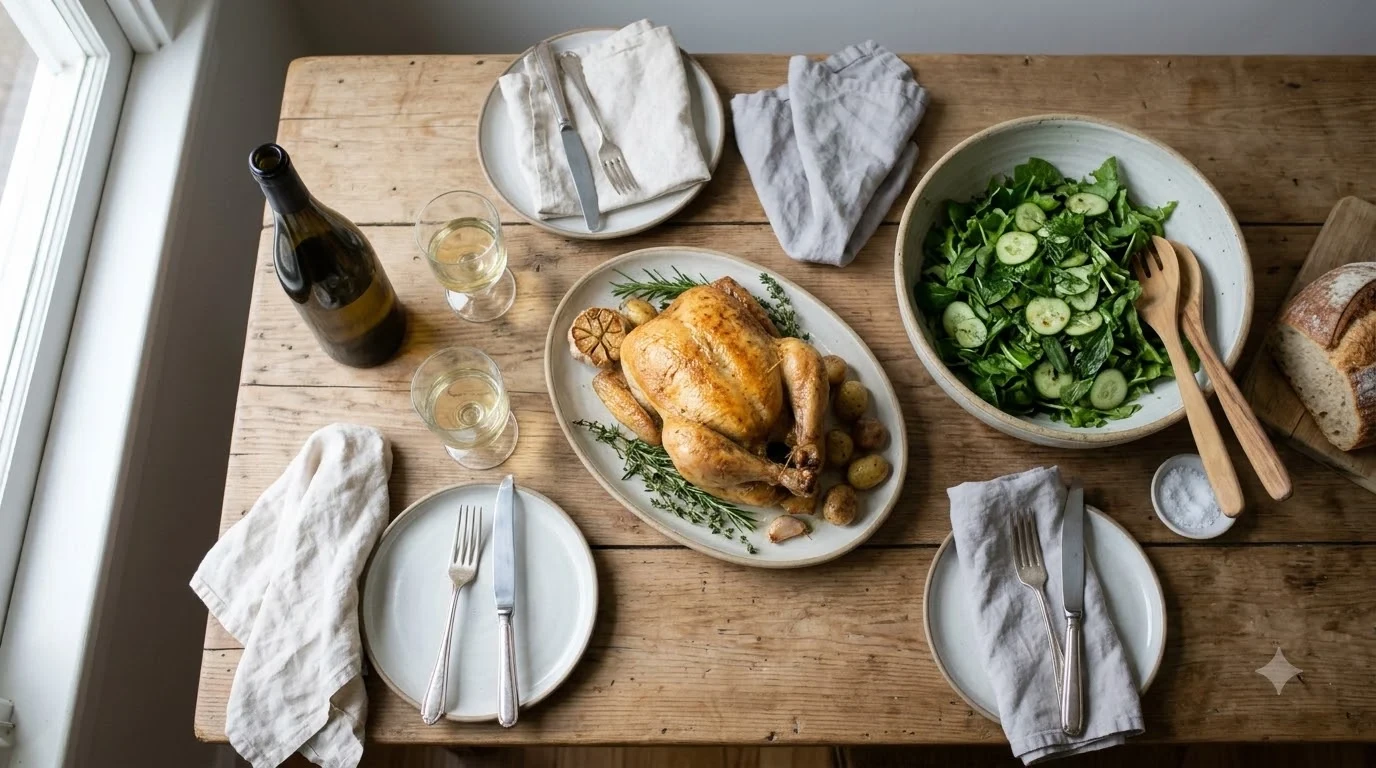
Shiraz is a natural partner for grilled or roasted lamb, pepper-crusted steak, braised short ribs, beef stew, and charcuterie. Its pepper, dark fruit, and savory notes can stand alongside browned meat, rosemary, thyme, and smoky grill flavors. A medium-bodied Hunter Valley Shiraz can suit roast chicken with herbs or pork sausages, while a concentrated Barossa Shiraz is better suited to richer beef or lamb. Firm, aged cheeses also work well with full-bodied examples.
Zinfandel’s ripe berry profile suits barbecue ribs, pulled pork, grilled sausages, meat-topped pizza, and burgers with charred edges. The fruit can complement smoky and mildly sweet barbecue flavors, while pepper and clove add another layer to grilled food. For a simple weeknight match, try a medium-bodied Sonoma Zinfandel with sausage pizza or a richer Amador County version with slow-cooked ribs. A fruit-forward wine is not a fix for every sweet sauce, however: the wine should be at least as sweet as the food, so very sugary glazes can make a dry red taste sour or thin.
Salt and fat soften the impression of tannin, which is one reason a cheeseburger or fatty cut of beef can make either red seem smoother. Acidic dishes need a wine with equal or higher acidity; tomato-based sauces may therefore work best with a fresher, less heavy bottle rather than the most alcoholic, jammy option. Chili heat is amplified by alcohol and tannin, so heavily spiced dishes can make a high-alcohol Shiraz or Zinfandel feel hot. Avoid pairing tannic reds with oily fish, where the combination can taste metallic or leave an unpleasant finish.
Tip: For barbecue with a sweet glaze, choose a Zinfandel with vivid fruit but moderate alcohol, and keep the sauce from overwhelming the wine. For peppery steak or rosemary lamb, reach for Shiraz and let the savory notes echo the seasoning.
How to Choose, Serve, and Store a Bottle
Choose by flavor preference first, then use the region and alcohol level to narrow the style. Serve full-bodied Shiraz and Zinfandel slightly cool rather than at a warm room temperature, and give a young, concentrated red time to open before serving it with food.
For a savory, peppery red, look for Shiraz from Barossa Valley, Eden Valley, or McLaren Vale, then check the producer’s notes for words such as pepper, herbs, smoke, or meat. Choose Zinfandel from Dry Creek Valley when you want lively raspberry and blackberry, or from Amador County when you prefer a plusher, more concentrated expression. If you are unsure, pick a bottle from a cooler site or a moderate alcohol level; it is often a safer starting point than a very ripe, high-alcohol wine. Serve full-bodied reds at about 60–65°F. If the bottle has been stored at typical room temperature, chill it briefly before pouring; a wine that is too warm can make alcohol seem more prominent and fruit less defined. A standard 750 ml bottle provides about five 5-ounce glasses. Use a roomy red-wine glass, pour modestly, and swirl gently to release the aromas without letting the wine warm excessively in the bowl.
Young, full-bodied reds can benefit from 30–60 minutes in a decanter, especially if the wine feels tight or its alcohol is prominent. Older bottles need more care because extended air exposure can cause delicate aromas to fade; stand an aged bottle upright before opening so sediment can settle, then pour slowly. Once opened, recork the bottle and refrigerate it. Most still wines keep reasonably well for about three to five days in the refrigerator, though their fruit and freshness gradually decline.
For unopened bottles, store wine away from direct light and temperature swings, ideally near 55°F. Keep cork-finished bottles on their sides so the cork stays in contact with the wine. Do not assume that every powerful Shiraz or Zinfandel needs years in the cellar: many are made for early enjoyment, while age-worthy examples depend on balance, concentration, acidity, tannin, and careful storage. Producer guidance is more useful than body or alcohol alone.
Frequently Asked Questions
These answers clarify naming across the Rhône and Australia, Zinfandel’s California history, and practical serving choices for both reds.
Why do some Australian wines say Syrah instead of Shiraz?
Some cooler-climate producers use Syrah to signal a leaner, more acid-driven style inspired by northern Rhône wines. Sonoma Coast in California and Yarra Valley in Australia are examples of New World regions where Syrah is used for that stylistic cue. The name is a guide, not a guarantee of how light or full the wine will taste.
Why can Zinfandel taste both raisined and herbal?
Zinfandel bunches can ripen unevenly, leaving some berries very ripe while others retain greener fruit character. That mix can create raisined or almost dried-fruit notes alongside herbal or green flavors in the same wine, rather than indicating a fault by itself.
Can Zinfandel be made into a fortified wine?
Yes. Port-style Zinfandel wines are made, often from very ripe or late-harvest fruit. They are a different expression from the usual dry red bottling and can offer a sweeter, more concentrated finish.
Where did the name Zinfandel first appear?
The earliest documented use of the name was in Boston in 1832, when a nursery owner advertised Zinfandel vines for sale. The grape reached California during the Gold Rush, between 1852 and 1857, and became closely associated with the state’s wine identity.
What kind of glass works well for Shiraz and Zinfandel?
A tall, tapered Bordeaux-style glass is a practical choice for fuller-bodied, higher-alcohol reds with spicy aromas. Its shape helps concentrate aromas while putting some distance between the wine and your nose, which can make sharp alcohol aromas less prominent. A stem also helps keep the warmth of your hand away from the wine.
Shiraz is the stronger starting point for drinkers who favor pepper, smoke, and savory depth, while Zinfandel is a natural choice for those who prefer ripe berries, spice, and a plush texture. Try bottles from different regions before deciding which grape you prefer, because climate and winemaking can matter as much as the name on the label. For more side-by-side comparisons, browse our Wine vs Wine articles.
More in Wine vs Wine
 Nero d’Avola vs Pinot Noir: Taste, Body, and Pairing DifferencesUpdated Nov 21, 2026
 Chenin Blanc vs Pinot Blanc: Key Differences in Taste, Acidity, and PairingsUpdated Nov 21, 2026
 Chardonnay vs Shiraz: Key Differences in Taste, Serving, and PairingUpdated Nov 21, 2026
 Chardonnay vs Verdejo: How Spain’s Crisp White Compares to the World’s ChameleonUpdated Nov 21, 2026
 Chardonnay vs Sancerre: Key Differences in Taste, Grapes, and PairingUpdated Nov 21, 2026
 Chardonnay vs Malbec: Key Differences in Taste, Body, and PairingUpdated Nov 21, 2026