

We may earn a commission when you buy through links on this page, at no extra cost to you. Learn more.
Shiraz vs syrah is really a question about one red grape with two names. Syrah is the name used across most of the world, especially in France and the United States, while Shiraz is the common name in Australia. The grape is the same, but the wines often taste different because of where they are grown and how they are made.
This guide explains why the two names exist, how climate and winemaking shape what is in the glass, and how to choose and store a bottle with confidence. If you are comparing reds for the first time, the sections below give you a clear starting point.
What Is the Difference Between Shiraz and Syrah?
The short answer is that the difference lies in the label and the style, not in the grape itself. Shiraz and syrah refer to the same variety, so the real question is which regional style you prefer.
When you see the two names on a shelf, the label is usually telling you where the wine comes from. A bottle labeled Shiraz often points to Australia or South Africa, while a bottle labeled Syrah often points to France, the United States or South America. That shorthand is useful, but it does not guarantee a specific taste.
Think of the name as a clue rather than a rule. Two Syrah bottles from different places can taste as far apart as a Syrah and a Shiraz. The growing site, the harvest timing and the winemaker’s choices all shape the final wine.
Are Shiraz and Syrah the Same Grape?
Yes, they are the same grape variety. Shiraz and syrah are two names for one red grape, and the difference is about naming conventions in each country rather than genetics.
DNA profiling is the reason experts can say this with confidence. According to the Wine Folly guide to Syrah, that research confirmed the grape originated in southeastern France and is closely tied to the Rhône Valley. The same guide notes that Syrah is one of the most widely planted grapes in Australia, where it goes by Shiraz.
This means that a bottle of Shiraz is not a different wine family from Syrah. It is the same grape grown in a different place and often made with a different style in mind. Once you accept that, comparing the two becomes a question of region and winemaking.
Why Australia Calls It Shiraz and France Calls It Syrah
The naming difference comes from two different labeling traditions. Older European wine regions usually name wines after the place, while many newer wine countries name them after the grape variety. Australia followed the variety-focused approach, and that is why Shiraz appears so often on Australian labels.
In France, the wines of the northern Rhône are traditionally identified by their appellation, and the grape is simply called Syrah on the bottle. That tradition has shaped how many European producers and consumers think about the variety. The grape’s name is less important than the village or region on the label.
In practice, you can use this to read a label quickly. A Shiraz from South Australia is following the variety-led naming used in that country, while a Syrah from the Rhône is more likely to tell you about the place. Neither system is wrong, but knowing the logic helps you avoid confusion at the store.
How Climate Changes the Taste of Shiraz and Syrah
Climate is the biggest reason the two names can describe very different glasses. Warm, sunny sites tend to produce riper, fuller wines, while cooler sites give more acidity and savory character. The same grape responds to its surroundings in a clear and predictable way.
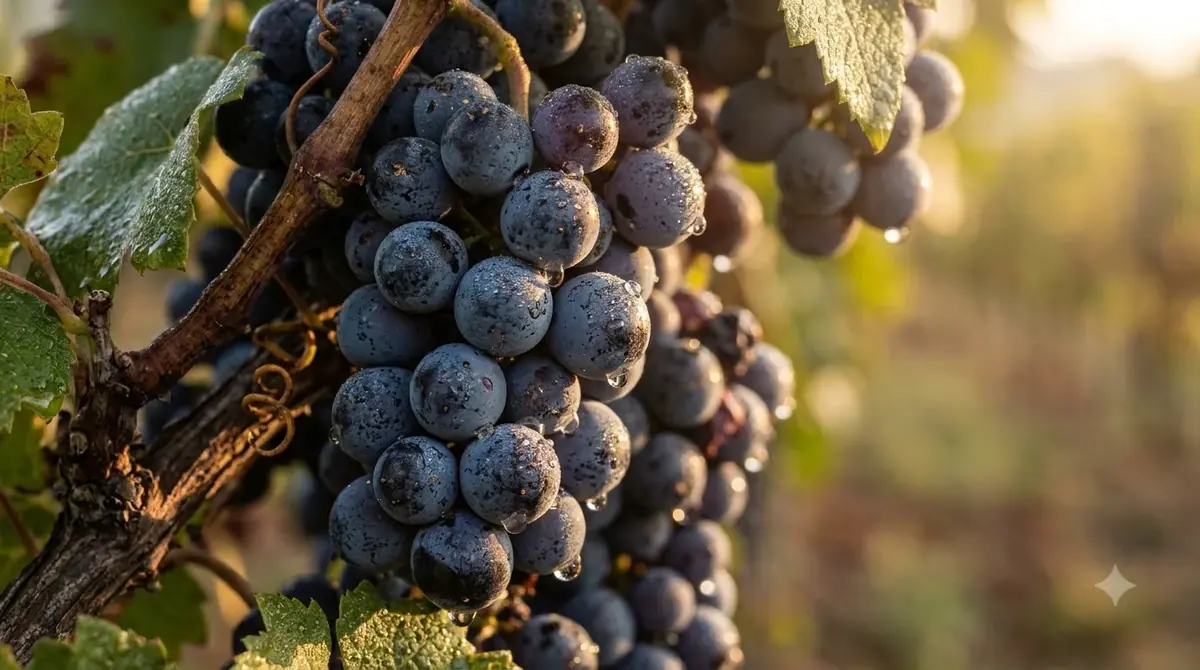
Australia shows the warm end of that range. Wine Folly’s South Australia wine region guide says Barossa Valley Shiraz often starts around 14 to 15 percent alcohol by volume and can climb higher. The warm, sunny climate helps the fruit ripen fully, which is part of why these wines feel so powerful.
Cooler sites produce a different result. The same South Australia guide notes that Eden Valley, which sits at higher elevation, gives Shiraz more elegant structure and brighter acidity. Syrah grown in cooler parts of France and Italy often shows more acid and herbal aromas, while warmer Australian, American and South American examples lean toward fruit and spice.
| Feature | Shiraz (often Australia) | Syrah (often France, US, South America) |
|---|---|---|
| Typical label name | Shiraz | Syrah |
| Warm-climate style | Ripe, generous fruit and bold structure | Dark fruit and spice with a rounder feel |
| Cool-climate style | Brighter acidity and a more elegant profile | Higher acid, earthy and herbaceous notes |
| Main regions to explore | Barossa Valley, McLaren Vale, South Africa | Northern Rhône, Paso Robles, Columbia Valley |
| Ease of finding it | Common on Australian shelves | Common in French and American wine sections |
Flavor Profile and Body Comparison
Shiraz and syrah share a deep color and a full-bodied feel, but their flavor signatures differ. Shiraz often leans toward jammy blackberry, dried currant and mocha. Syrah often leans toward dark fruit with savory, peppery or olive-like notes. Both can be intense, so the best way to learn the difference is to compare them side by side.
Wine Folly’s notes on comparing these styles say Shiraz is often picked later in the season, which gives jammy blackberry notes. Winemakers also oak it more heavily in some cases, adding sweet, smoky tobacco. Syrah is often picked a little earlier, which can bring tart blueberry or savory herbal notes.
Body and tannin also vary. Barossa Shiraz is often described as grippy but fine-grained, while Syrah from cooler sites can feel leaner and more tart. Warmer Fleurieu Shiraz, according to the same South Australia guide, can reach around 15 to 16 percent alcohol and carries savory notes like licorice and roast meat. If you enjoy comparing reds, the malbec vs merlot comparison uses a similar side-by-side approach.
Food Pairings and How to Choose and Store a Bottle
Both styles suit rich, well-seasoned food, because their dark fruit and savory notes stand up to strong flavors. Grilled meats, roasted vegetables with herbs and spiced dishes are all reliable choices. The bolder the fruit, the more it can handle heat and fat.
Wine Folly’s Syrah guide suggests pairing it with rich meats and boldly spiced dishes such as lamb shawarma, gyros, Chinese five-spice pork or tandoori. Those dishes bring out the dark fruit and savory character of the wine. For lighter meals, choose a cooler-climate Syrah, which usually has more acidity to balance the food.
When you choose a bottle, start with the region rather than the name alone. Look for the country and region on the label, and remember that Australian and American examples often feel fruitier, while Italian and French examples tend to be more savory. For storage, keep bottles in a cool, dark place away from heat and sunlight, and check the winery’s back label or website for specific guidance on aging.
Frequently Asked Questions
Is shiraz the same as syrah?
Yes, shiraz and syrah are two names for the same red grape. Shiraz is the common name in Australia, while syrah is used in most of the rest of the world. The wine’s style depends more on where it is grown and how it is made.
Which is better for beginners, shiraz or syrah?
Neither is better in general, because the choice depends on your taste. Many beginners start with a fruit-forward Shiraz from a warm region to learn the core flavors. Once you know what you like, a cooler-climate Syrah can show you a more savory side of the grape.
Is shiraz sweeter than syrah?
Not necessarily. Sweetness on the palate depends mostly on the wine’s style rather than the name on the label. Riper, jammy Shiraz can taste fruitier, but a dry wine is still dry. Check the producer’s description for more detail on style.
Can I cook with shiraz or syrah?
Yes, both work well in braises, stews and red wine sauces for rich meats. Choose a wine you would be happy to drink, because the flavors concentrate as the sauce reduces. Use it in moderation and enjoy responsibly with your meal.
Shiraz and syrah are one grape with two names, shaped by region, climate and winemaking. Once you know that, the label becomes a helpful clue rather than a puzzle. For more side-by-side reading, browse Wine vs Wine and compare other pairs at your own pace.
More in Wine vs Wine
 Nero d’Avola vs Pinot Noir: Taste, Body, and Pairing DifferencesUpdated Nov 21, 2026
 Chenin Blanc vs Pinot Blanc: Key Differences in Taste, Acidity, and PairingsUpdated Nov 21, 2026
 Chardonnay vs Shiraz: Key Differences in Taste, Serving, and PairingUpdated Nov 21, 2026
 Chardonnay vs Verdejo: How Spain’s Crisp White Compares to the World’s ChameleonUpdated Nov 21, 2026
 Chardonnay vs Sancerre: Key Differences in Taste, Grapes, and PairingUpdated Nov 21, 2026
 Chardonnay vs Malbec: Key Differences in Taste, Body, and PairingUpdated Nov 21, 2026