


We may earn a commission when you buy through links on this page, at no extra cost to you. Learn more.
Australia wine is produced in every state, with most premium bottles coming from cooler southern regions and most volume from warm inland zones. Shiraz is the most widely planted variety, and the country is also known for Cabernet Sauvignon, Chardonnay, Pinot noir, Riesling, and Grenache-based blends. South Australia makes more than half of the national output, while cooler areas such as Tasmania and the Yarra Valley are known for elegant, fresh styles.
This guide walks through the history behind Australian wine, the main regions and what each one is known for, the grapes that define the country’s style, and how to choose a bottle when you are unsure where to start. It is written for readers who want a clear overview before picking out a bottle or planning a visit.
What Australian Wine Is
Australian wine is a broad category, covering everything from large-volume bottles for everyday drinking to small-production wines from individual vineyards. Its most recognizable feature is fruit-forward character, with ripe flavors and generous body in many warm-climate reds, alongside crisp whites and sparkling wines from the cooler areas. The variety of climates across the continent is the main reason the range is so wide.
Australia has no native grape varieties. Every vine in the country was brought in from Europe and South Africa, and winemakers have adapted those varieties to local soils and weather over two centuries. That history is part of what makes the modern industry so varied, since producers have been testing which grapes suit which places for a long time.
A Short History of Australian Wine
According to Wikipedia’s entry on Australian wine, vine cuttings arrived in New South Wales with the First Fleet in 1788, and commercial winemaking followed in the 1820s. Gregory Blaxland is credited with the first export in 1822, and vineyards were established in the Hunter Valley in 1830. European settlers, including Prussian emigrants in the Barossa Valley and Swiss settlers in Geelong, shaped the major regions that are still known today.
The industry has had a difficult path. Australian wines won international awards in the nineteenth century before phylloxera damaged vineyards. Overproduction has led to repeated cycles of vine removal, most recently in 2024, and bushfires and trade disruptions have also affected producers. Today the industry is strong in export, with roughly 800 million of the 1.2 to 1.3 billion litres produced each year sold abroad. North America and the United Kingdom are among the largest markets by value.
The Major Wine Regions
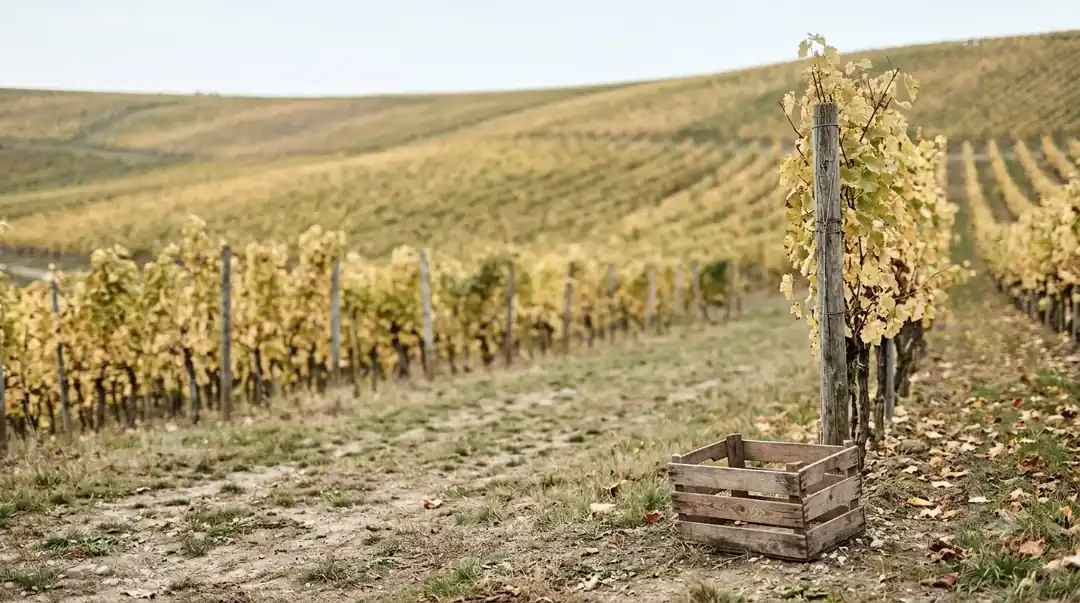
Australia’s regions differ widely in climate and style, and the region named on a label tells you a lot about what to expect. Warm inland areas produce most of the country’s volume, while cooler coastal and hillside areas produce the wines that are most often compared with European styles.
Labels can be confusing at first, because many bottles name a region, a sub-region, or a broader zone such as South Eastern Australia. A broader label usually means the grapes came from a wider area and the wine is made to a consistent style, while a sub-regional label points to a specific set of vineyards. Both can be good value, but the narrower label tends to say more about the place the fruit was grown.
| Region | Where it is | What it is known for |
|---|---|---|
| Barossa Valley | South Australia | Rich, full-bodied reds, especially Shiraz and Grenache blends |
| Coonawarra | South Australia | Cabernet Sauvignon grown on red soil |
| McLaren Vale | South Australia | Warm-climate reds and fresh, approachable styles |
| Hunter Valley | New South Wales | Semillon and Shiraz from one of the oldest wine areas |
| Yarra Valley | Victoria | Cool-climate Pinot noir and Chardonnay |
| Tamar Valley | Tasmania | Chardonnay and Pinot noir with a cool-climate character |
| Margaret River | Western Australia | Cabernet-based reds and polished whites |
Tip: South Australia accounts for more than half of national output, so bottles from there are the easiest to find. For a more distinctive pick, look for a cooler-region label such as Tasmania or the Yarra Valley.
Key Grapes and Styles
Shiraz is the most widely planted variety in Australia and is the grape most associated with the country’s identity. In warm regions it tends to be ripe and dense, with dark fruit and spice. In cooler areas, the same grape can be lighter, with more savory and peppery notes. Shiraz is also central to the Grenache, Shiraz, and Mourvèdre blends known as GSM, a style that has become one of the country’s signature red blends.
Cabernet Sauvignon, Merlot, and Pinot noir cover much of the red plantings, while Chardonnay, Sauvignon blanc, Sémillon, and Riesling lead the whites. Riesling and Chardonnay from cooler areas tend to show crisp acidity and clean fruit. Growers have also been adopting Mediterranean varieties such as Sangiovese and Tempranillo, which suggests the list of styles will keep changing.
How to Serve and Pair Australian Wine
Serving temperature and glassware make a noticeable difference. Full-bodied reds from warm regions show best when served slightly below room temperature, while lighter reds and whites from cooler areas taste better when chilled. A wide glass gives a richer red room to show its aromas, and a narrower glass helps a crisp white keep its freshness.
For food, Shiraz from the warmer regions pairs well with roasted or grilled meats, while Cabernet-based wines suit steak and aged cheese. Riesling and Sémillon are useful with spicy dishes, and Chardonnay from cooler areas matches seafood and poultry. Sparkling wines from the cooler regions are a good match for appetizers and fried foods.
How to Choose an Australian Bottle
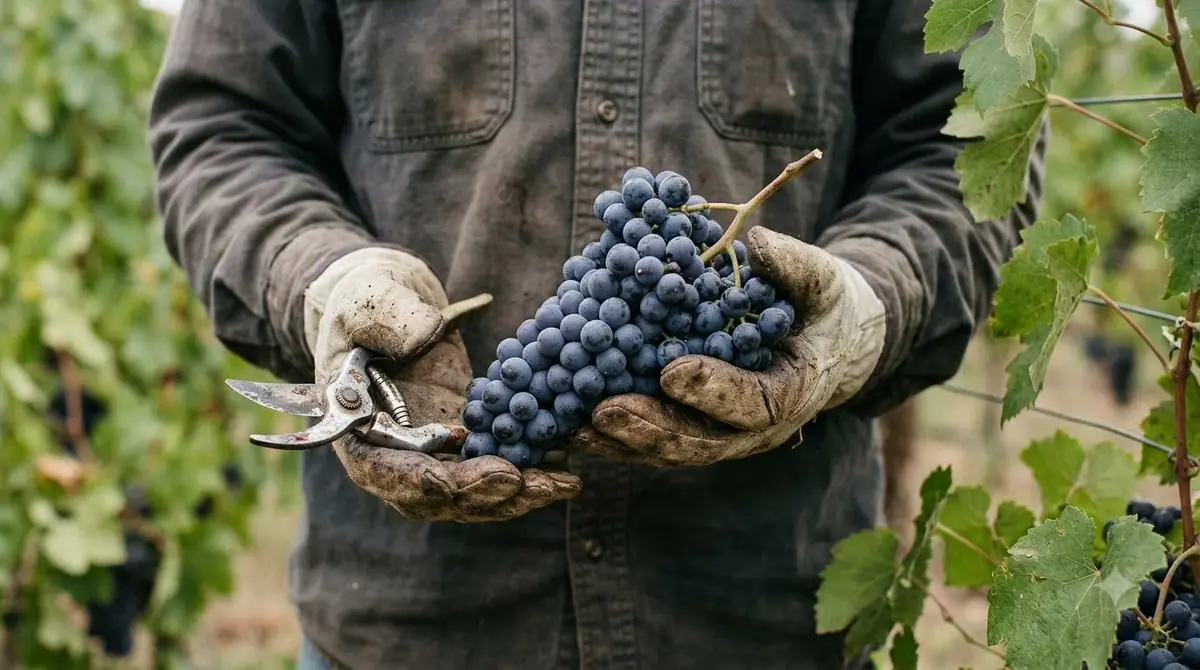
When choosing a bottle, start with the grape and the region together. A label that names both gives you the best sense of style. If you like bold, fruit-driven reds, a South Australian Shiraz or GSM blend is a strong place to begin. If you prefer lighter, more structured wines, look for Pinot noir or Riesling from Tasmania or the Yarra Valley.
Read the back label for the alcohol level as well, since the industry has been developing lighter styles. Wine Australia describes a “lighter lifestyle” category that sits between full-strength and no- and low-alcohol wines, and mid-strength options are increasingly common on shelves. These can be a good choice for an everyday dinner, and they pair well with the same foods as full-strength bottles because the fruit and acidity still do the work.
If you are shopping in a store with a wide selection, ask staff which regions they have tasted recently rather than focusing only on the grape name. Good staff can point you toward a bottle that matches the style you like, and that conversation often teaches more about Australian wine than a long label read.
Frequently Asked Questions
What is Australia best known for in wine?
Australia is best known for Shiraz, which is the most widely planted variety, and for bold, fruit-forward reds from warm regions. The country also produces well-regarded Cabernet Sauvignon, Chardonnay, Riesling, and cool-climate Pinot noir.
Where do most Australian wines come from?
Wine is made in every state, but South Australia produces more than half of the national output. Most volume comes from warm inland zones such as the Riverland and Riverina, while many premium wines come from cooler regions.
Does Australia grow its own native grape varieties?
No. Australia has no native grapes. All of its vines were introduced from Europe and South Africa, and winemakers have adapted those varieties to local climates and soils.
Which Australian wine is good for a beginner?
A South Australian Shiraz or a GSM blend is an approachable starting point, since the fruit is generous and the style is easy to enjoy. A Riesling or a cool-climate Chardonnay is a good choice if you prefer lighter, crisper wines.
Australian wine rewards exploration, and the variety of regions means there is almost always a new style to try. For more on how regions shape a wine’s character, browse our Wine Regions guides, and to see how another wine region is visited, read about calistoga vineyards. For the industry’s own overview of Australian wine, see Wine Australia.
More in Wine Regions
 Willcox Wine Trail: Discover Arizona’s High-Elevation Wine CountryUpdated Nov 20, 2026
 Yakima Valley Wine Region: Find the Best Styles to TryUpdated Nov 20, 2026
 Vosne Romanee Wine Tasting: Identify Aromas and Choose Better PairingsUpdated Nov 20, 2026
 Yakima Valley Wine Festival: Find the Best Seasonal Wine EventsUpdated Nov 20, 2026
 Wales Vineyards: Discover Cool-Climate Wines and Where to VisitUpdated Nov 20, 2026
 Yountville Wine Festival: Discover Napa Wines and Local FoodUpdated Nov 20, 2026