

We may earn a commission when you buy through links on this page, at no extra cost to you. Learn more.
A gsm blend wine is a dry, medium- to full-bodied red blend made primarily from Grenache, Syrah, and Mourvèdre. Originating in France’s Southern Rhône Valley, the style unites bright red berry fruit, dark peppery spice, and firm earthy tannins in a single glass. Today, winemakers across Australia, California, Washington, and Spain craft these Rhône-style blends with typical alcohol levels between 13.5% and 15% ABV.
Understanding how these three grapes interact makes shopping for red blends far easier, especially if you enjoy layered, food-friendly wines that avoid heavy sweetness. While many wine shoppers browse broader Wine by Type categories looking for single-varietal bottles like Cabernet Sauvignon or Pinot Noir, this classic three-grape partnership relies on balance rather than a single dominant flavor. Each grape covers a specific gap in aroma, mid-palate weight, and finish.
What Is a GSM Blend Wine?
The acronym GSM stands for Grenache, Syrah, and Mourvèdre, three sun-loving red wine grapes rooted in the Southern Côtes du Rhône region of France. Winemakers blend them together because each variety brings structural traits that the others lack on their own.
According to Wine Folly’s guide to the Côtes du Rhône blend, Grenache typically forms the largest share of a classic Southern Rhône red, contributing ripe red fruit flavors, higher alcohol, and a long, warming finish. Although Grenache grapes have relatively thin skins and produce a lighter ruby color, they give the wine generous mid-palate juiciness and an inviting aroma of crushed strawberries and red raspberries.
Syrah steps in to provide deeper color, mid-palate boldness, and dark fruit character. Wine educators note that Syrah delivers plenty of up-front intensity and black pepper spice, though its flavor profile can taper off quickly on the finish if left unsupported. Mourvèdre—used in smaller proportions in traditional French bottlings—anchors the back end of the sip with firm tannin structure, savory herbal notes, and floral complexity. Together, the trio achieves a symmetry that is harder to find in single-grape bottlings, much like how Italian winemakers rely on companion varieties alongside the chianti grape to refine acidity and texture.
Flavor Profile and Styles
A typical gsm blend wine is dry, medium- to full-bodied, and structured with medium acidity and medium-high tannins. Depending on where the grapes grow and how the winemaker adjusts the percentages, the style shifts from bright and herbal to plush and fruit-driven.
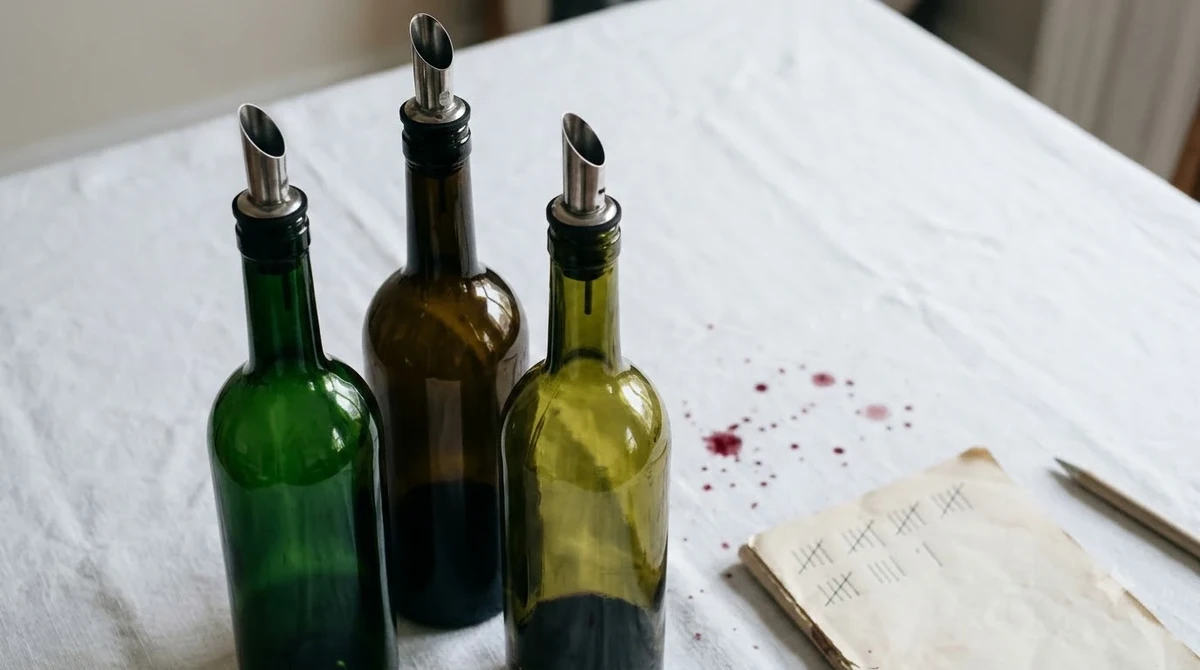
In the glass, primary fruit notes span both ends of the berry spectrum. Grenache supplies raspberry, red cherry, and candied strawberry, while Syrah and Mourvèdre layer in blackberry, black plum, and blueberry. Underneath the fruit, secondary aromas of dried rosemary, lavender, baking spices, cracked black pepper, and crushed violets give the wine an unmistakable savory edge that sets it apart from simpler fruit-forward reds.
Stylistic differences usually come down to climate and grape ratios. Cooler or wind-swept vineyard sites produce leaner, more structured wines with pronounced dried herb, olive, and earthy mineral tones. Warmer regions yield fuller, rounder bottles with softer acidity, riper berry character, and velvety tannins. Occasionally, producers invert the traditional recipe—labeling the bottle SGM or MSG—when Syrah or Mourvèdre takes the lead role instead of Grenache.
| Grape Variety | Alternate Names | Primary Flavors | Structural Role in the Blend |
|---|---|---|---|
| Grenache | Garnacha | Raspberry, red cherry, cinnamon, dried herbs | Provides body, red fruit brightness, and higher alcohol warmth |
| Syrah | Shiraz | Blackberry, blueberry, black pepper, smoked meat | Adds deep color, up-front boldness, and dark berry richness |
| Mourvèdre | Monastrell, Mataro | Black plum, cocoa, leather, dried violets | Builds tannin structure, floral lift, and a long savory finish |
Where GSM Blends Grow Best
Because Grenache and Mourvèdre require long, warm growing seasons to ripen fully, these blends thrive in Mediterranean and warm-climate wine regions around the globe. France remains the historical benchmark, while Australia and the American West Coast have built devoted followings for their own regional interpretations.
In France’s Southern Rhône Valley, appellations such as Côtes du Rhône and Châteauneuf-du-Pape codified this blending tradition. Wine Folly notes that Châteauneuf-du-Pape producers helped establish France’s appellation system in 1936, permitting up to 19 grape varieties in total, though Grenache, Syrah, and Mourvèdre remain the core trio. Many vineyards there feature large rounded river stones called galets that retain daytime heat and help the grapes reach full ripeness, while nearby Languedoc-Roussillon offers juicier, value-oriented versions.
Outside France, South Australia—especially Barossa Valley and McLaren Vale—is renowned for concentrated, velvety expressions where Mourvèdre is frequently called Mataro. In the United States, Paso Robles on California’s Central Coast became a hub for Rhône-style winemaking after Tablas Creek imported vine cuttings directly from Château de Beaucastel in Châteauneuf-du-Pape. Washington’s Columbia Valley and Spain’s Priorat and Calatayud regions also produce acclaimed variations, often spotlighting old-vine Garnacha alongside Syrah and Carignan.
How to Serve GSM Blend Wine
Serving a gsm blend wine slightly below room temperature keeps its 13.5% to 15% ABV balanced and prevents alcohol heat from masking subtle floral and herbal aromas. Aim for 55°F to 60°F (12°C to 15°C), which sits right at cool cellar temperature.

If your bottle has been resting in a warm kitchen or dining room, placing it in the refrigerator for 20 to 30 minutes before pulling the cork brings it into the ideal zone. Pour the wine into a large-bowled red wine glass—such as a Bordeaux or universal aroma-collector stem—so the generous surface area can funnel raspberry, lavender, and pepper aromatics toward your nose.
Younger bottles with firm Syrah and Mourvèdre tannins benefit from 30 to 60 minutes in a decanter before pouring. Aerating the wine softens any youthful grip on the palate and allows savory garrigue and spice notes to open up. Most everyday Côtes du Rhône and New World blends drink well within three to five years of the vintage, while structured Châteauneuf-du-Pape and top Paso Robles bottlings can evolve gracefully for 5 to 15 years.
Tip: If you do not finish the bottle in one sitting, recork it tightly and store it in the refrigerator for three to five days, pulling it out 30 minutes before pouring your next glass.
Best Food Pairings for GSM Blends
Medium acidity, moderate tannins, and layered herbal spice make this style one of the most adaptable dinner reds available. Rather than overwhelming a meal with heavy oak or astringency, the wine’s red-and-black fruit profile bridges rich proteins and roasted vegetables.
Grilled and roasted meats are natural partners. Rosemary-rubbed lamb chops, slow-roasted leg of lamb, and charred beef sausages echo the wine’s dried herb and pepper notes while their savory fat smooths out the tannins. Barbecue dishes—including pulled pork, sticky ribs, and meats brushed with sweet-and-smoky sauces—also pair smoothly because Grenache’s ripe berry character stands up to smoky char and mild spice heat.
For meatless meals or lighter spreads, look to earthy ingredients and aged cheeses. Wild mushroom risotto, roasted portobello burgers, and Mediterranean vegetable stews like ratatouille mirror the forest-floor and violet nuances contributed by Mourvèdre. On a cheese board, firm aged selections such as Manchego, aged Gouda, and sharp cheddar balance the wine’s generous fruit and subtle spice. If you are planning a multi-course dinner that starts with seafood or crisp salads, you can easily open a structured white blend wine—or a bright Mediterranean white made from the catarratto grape—before transitioning to a GSM red for the main course.
How to Choose a Bottle
Reading the front and back labels carefully reveals both the dominant grape and the overall style inside the bottle. Because naming conventions vary by country, knowing a few regional cues helps you pick the right profile for your palate.
In France, bottles rarely print “GSM” on the front label; instead, look for regional appellations like Côtes du Rhône, Côtes du Rhône-Villages, Gigondas, Vacqueyras, or Châteauneuf-du-Pape. These French bottlings usually lean heavily on Grenache and emphasize bright red fruit, dried Provençal herbs, and earthy minerality. Producers in Australia, California, and Washington are much more likely to print “GSM” or “Rhône-Style Red Blend” directly on the label, often listing the exact grape percentages on the back.
Check the percentage breakdown and alcohol level to predict weight and texture. Bottles with 60% or more Grenache feel lighter on their feet, fruit-forward, and silky, whereas blends with higher shares of Syrah and Mourvèdre taste darker, denser, and more tannic. Checking the ABV gives another useful clue: bottles around 13.5% to 14% ABV generally feel fresher and more savory, while those closer to 15% ABV deliver riper, fuller-bodied richness.
Frequently Asked Questions
Is GSM blend wine dry or sweet?
GSM blend wine is almost always fermented completely dry, meaning it contains virtually no residual sugar. Ripe Grenache can give the wine a juicy, fruit-forward impression that feels lush on the mid-palate, but Syrah and Mourvèdre balance that fruit with peppery spice and dry tannins.
What is the difference between GSM and a Côtes du Rhône wine?
Côtes du Rhône is a specific French wine appellation in the Rhône Valley, whereas GSM describes the grape recipe of Grenache, Syrah, and Mourvèdre used across many regions worldwide. Most red Côtes du Rhône wines are classic examples of GSM blends, though French regulations also allow smaller amounts of other local grapes like Cinsault and Carignan.
Does GSM blend wine need to be decanted?
Decanting a young GSM blend for 30 to 60 minutes helps soften firm tannins from Syrah and Mourvèdre while releasing layered floral and spice aromas. Lighter, everyday bottles can be enjoyed right after opening if poured into a large red wine glass, though a brief rest still improves the aromatics.
Why do some labels say SGM or Mataro instead of GSM?
In countries like Australia, winemakers often list the grapes in descending order of their percentage in the blend, so a wine led by Syrah appears on the label as SGM. Australian producers also frequently use the traditional name Mataro for Mourvèdre, though the grape variety itself is identical.
Whether you prefer an herb-scented French Côtes du Rhône or a plush, berry-rich bottling from Paso Robles or Barossa Valley, a gsm blend wine offers reliable balance at the dinner table. Paying attention to grape ratios and serving temperature lets you match the right bottle to everything from weeknight pasta to weekend barbecue.
More in Wine Types & Grapes
 Zinfandel Sugar Content: Dry Red vs. White Zinfandel GramsUpdated Nov 21, 2026
 Best Zinfandel Substitute Options for Sipping and CookingUpdated Nov 21, 2026
 Zweigelt Food Pairing: Best Dishes, Cheeses, and Serving TipsUpdated Nov 21, 2026
 Zinfandel Tannins Explained: How Structure Shapes Every BottleUpdated Nov 21, 2026
 Zinfandel Sweetness Level: Dry Red vs. Sweet White Zin ExplainedUpdated Nov 21, 2026
 Xinomavro Food Pairing: Best Dishes, Styles, and Serving TipsUpdated Nov 21, 2026