

We may earn a commission when you buy through links on this page, at no extra cost to you. Learn more.
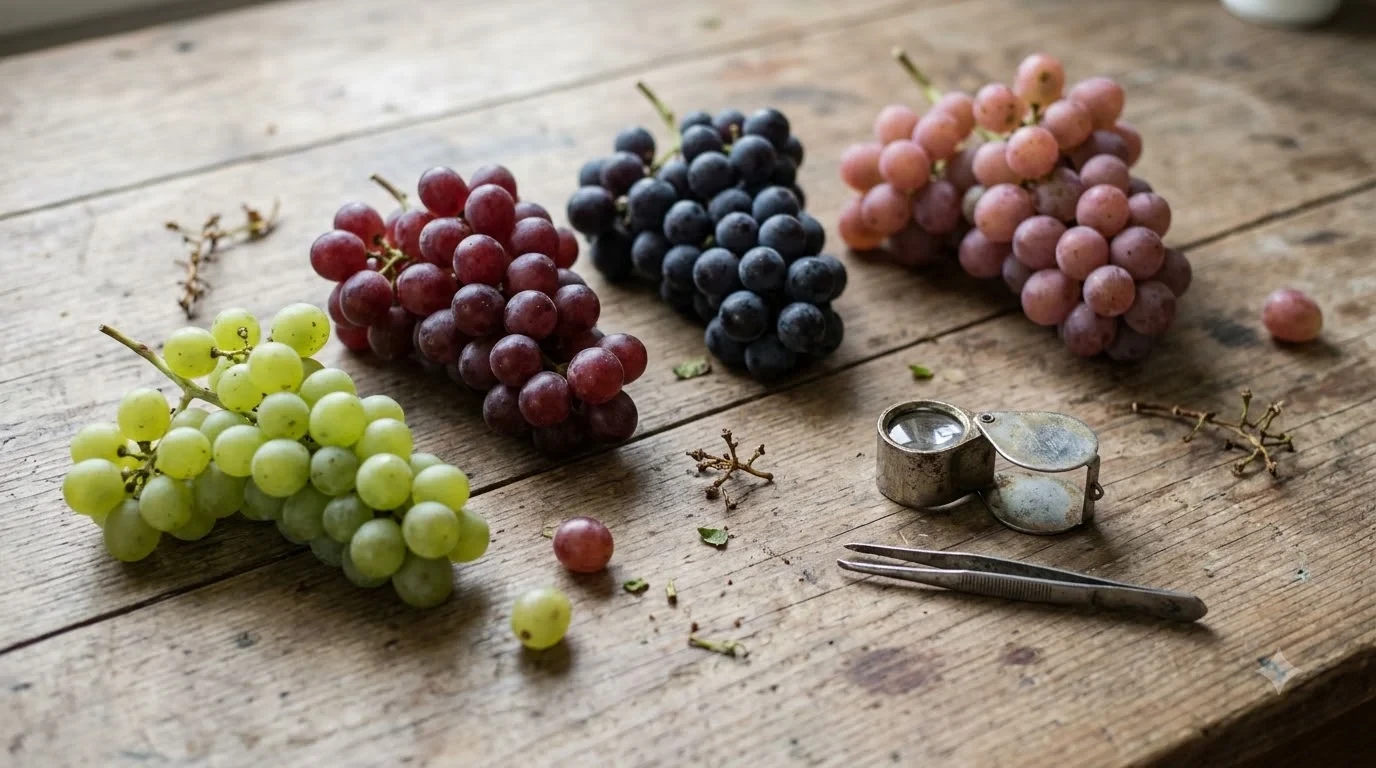
McLaren Vale wine comes from a coastal wine region in South Australia, about 38 km south of Adelaide’s city centre, and it is best known for Shiraz. The region runs along the Gulf St Vincent coast toward the Mount Lofty Ranges, and its warm, dry climate suits bold reds. Cabernet Sauvignon, Grenache, and Chardonnay are also important, and the area has a long history of wine growing.
This guide explains where McLaren Vale sits, which grapes make up its vineyards, how the Shiraz style differs from other warm-climate reds, and how to serve and pair these wines at home. The facts come from a reference overview of the region, so they describe the area as a whole rather than the style of any one winery.
Where McLaren Vale sits in South Australia
McLaren Vale is centred on the town of McLaren Vale, about 38 km south of the Adelaide city centre. The region stretches about 30 km along the Gulf St Vincent coast and reaches the foothills of the Mount Lofty Ranges, and most of it lies within the City of Onkaparinga. It was established as an Australian Geographical Indication in 1997, which gives it a formal regional name on wine labels.
The region’s position matters for the wine. Because it sits close to the sea, it avoids the harsh frosts and extreme drought that affect some inland districts, and the cooling sea breezes help moderate the summer heat. That combination of warm days and a moderating coast is one reason McLaren Vale can grow ripe fruit consistently.
Visitors often describe the district as a mix of vineyards, olive groves, and small country towns, all within a short drive of the city. The wineries are close together, which makes it easy to taste several styles in one day.
Shiraz is the region’s signature red
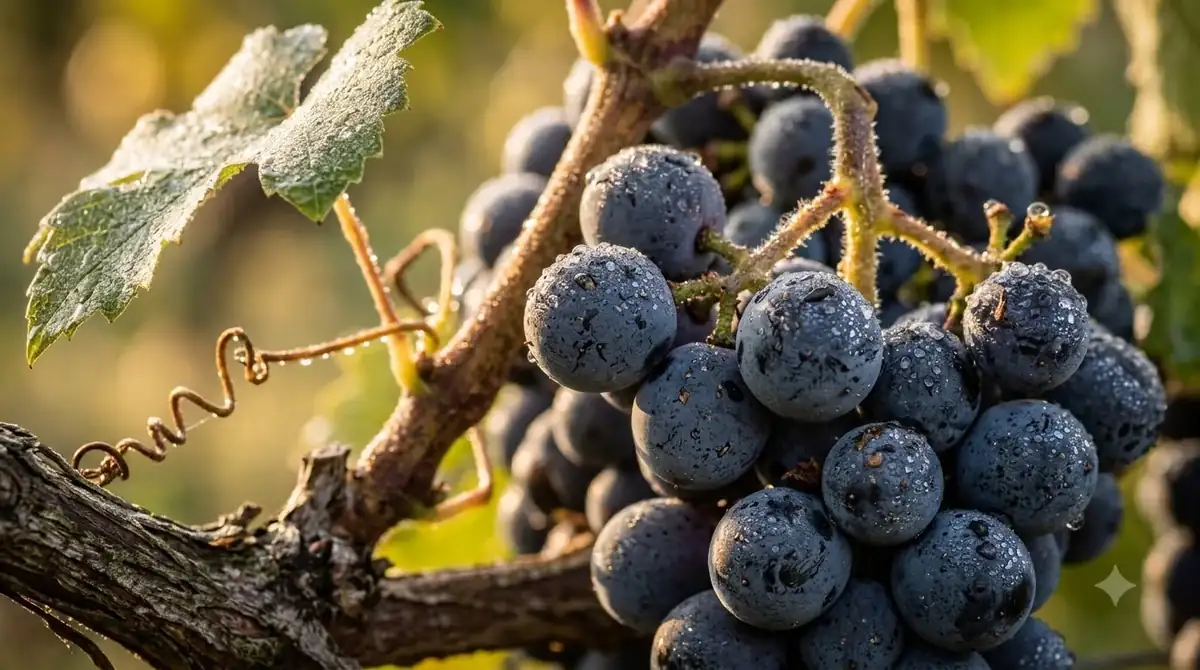
Shiraz is the grape most closely linked with McLaren Vale. The reference overview records about 3,218 hectares of Shiraz in the 2005 vineyard register, which accounts for roughly 60 percent of the region’s crush. That makes Shiraz the defining variety for the area, and many of the region’s best-known reds are built around it.
The wines are usually described as having berry and spice notes, with some dark chocolate and liquorice in fuller examples. Compared with Shiraz from cooler parts of Australia, McLaren Vale bottles tend to be riper and more generous, with plenty of fruit and a rounded texture. Drinkers who like rich, warm reds often find this style familiar and satisfying.
| Variety | Vineyard area (2005 register) | Typical style in McLaren Vale |
|---|---|---|
| Shiraz | 3,218 ha | Ripe berry, spice, and dark chocolate; the region’s signature red |
| Cabernet Sauvignon | 1,288 ha | Structured, dark fruit, with firm tannins in good vintages |
| Chardonnay | 722 ha | Ripe peach and a rounded texture |
| Grenache | 402 ha | Soft red fruit, often blended or made as a lighter red |
Cabernet, Grenache, and newer Mediterranean varieties
Cabernet Sauvignon is the second most planted red in the region, with about 1,288 hectares in the same register. It gives structured reds with dark fruit and a firm frame, and it is often blended with Shiraz to add backbone. Grenache, with about 402 hectares, is less common but valued for its soft red fruit and lighter body.
Newer Mediterranean varieties such as Sangiovese, Tempranillo, and Vermentino are also grown in the region. These grapes suit the dry summers and have become a point of interest for growers who want variety beyond the classic Shiraz and Cabernet. Bottles made from them are still a smaller part of the overall production, so they are worth seeking out if you like exploring.
Chardonnay and the white wines
Chardonnay is the region’s most planted white, with about 722 hectares recorded in the same register. The wines are typically described as having ripe peach and a rounded texture, and many winemakers use oak to add creaminess. McLaren Vale whites tend to be fuller than the crisp, lean styles from cooler coastal regions, which makes them good partners for richer dishes.
Whites are a smaller share of the output than reds, but they show the warm-climate character clearly. If you are new to the region, a Chardonnay is a practical way to taste the fruit of the district without the weight of a heavy red.
Climate, soils, and water
McLaren Vale has a Mediterranean climate with dry, warm summers and winter rain. The reference overview gives annual winter rainfall of 580 to 700 mm, though it notes that another figure in the same entry is much lower, so the exact numbers should be read with care. The coast keeps frost and drought rare, but growers still manage water carefully.
The soils are varied, including red-brown earths, terra rossa, rendzina, soft sands, and dark cracking clays. Most of them drain freely, so drip irrigation is common. The reference notes that about 20 percent of the crop is dry-grown, which shows that some vineyards rely on natural rainfall rather than irrigation. Soil differences help explain why neighboring vineyards can produce very different wines.
A brief history of the region
The region’s wine history reaches back to the late 1830s. The reference overview notes that settlers arrived in 1839, and that John Reynell and Thomas Hardy planted vines in 1838. Cereal crops were the early main industry before vines became central to the local economy. The town’s name comes from either David McLaren or John McLaren, though the source does not say which.
Tip: When you buy a McLaren Vale Shiraz, check the label for the producer’s note on oak and vintage. The style can vary a lot between a fruit-led bottle and a more structured one.
How to serve and pair McLaren Vale wine
Serve McLaren Vale Shiraz and Cabernet slightly cooler than room temperature, so the fruit stays fresh and the alcohol does not feel heavy. A short rest in the fridge before pouring is often enough. A large glass helps the aromas open up, and a brief decant suits younger, firmer reds.
White Chardonnay is best served well chilled but not ice cold. For food, Shiraz suits barbecue lamb, grilled beef, and smoky sausages, and its spice works well with roasted vegetables and rich sauces. Cabernet pairs with steak, roast meats, and aged cheeses. Chardonnay goes with roast chicken, grilled fish, and creamy pasta.
Frequently Asked Questions
What is McLaren Vale known for?
McLaren Vale is best known for Shiraz, which makes up the largest share of its vineyards. The region also grows Cabernet Sauvignon, Chardonnay, and Grenache, and it has a warm, coastal climate that suits full-bodied reds.
Where is McLaren Vale located?
It is in South Australia, about 38 km south of the Adelaide city centre. The region runs along the coast of Gulf St Vincent and reaches the foothills of the Mount Lofty Ranges.
Is McLaren Vale Shiraz the same as Barossa Shiraz?
They are both Australian Shiraz, but they come from different regions with different climates and soils. McLaren Vale Shiraz is often described as riper and more generous, with spice and dark chocolate notes, while other regions offer their own distinct styles.
Should McLaren Vale red wine be served chilled?
Serve it slightly cooler than room temperature rather than warm. This keeps the fruit fresh and stops the wine from tasting heavy. A short time in the fridge before pouring is usually enough.
McLaren Vale is a good next step for anyone who enjoys warm-climate reds and wants to explore Australian wine beyond the best-known names. Start with the broader wine regions guide to compare the area with other growing districts, then try a Shiraz and a Cabernet side by side to see how the same climate shapes different grapes.
For the region’s size, climate, and planting figures, the reference entry on McLaren Vale on Wikipedia is a useful starting point. If you want to compare another sunny, dry red-wine area, the guide to alentejo wine covers a warm Mediterranean growing region in Portugal.
More in Wine Regions
 Willcox Wine Trail: Discover Arizona’s High-Elevation Wine CountryUpdated Nov 20, 2026
 Yakima Valley Wine Region: Find the Best Styles to TryUpdated Nov 20, 2026
 Vosne Romanee Wine Tasting: Identify Aromas and Choose Better PairingsUpdated Nov 20, 2026
 Yakima Valley Wine Festival: Find the Best Seasonal Wine EventsUpdated Nov 20, 2026
 Wales Vineyards: Discover Cool-Climate Wines and Where to VisitUpdated Nov 20, 2026
 Yountville Wine Festival: Discover Napa Wines and Local FoodUpdated Nov 20, 2026