

We may earn a commission when you buy through links on this page, at no extra cost to you. Learn more.
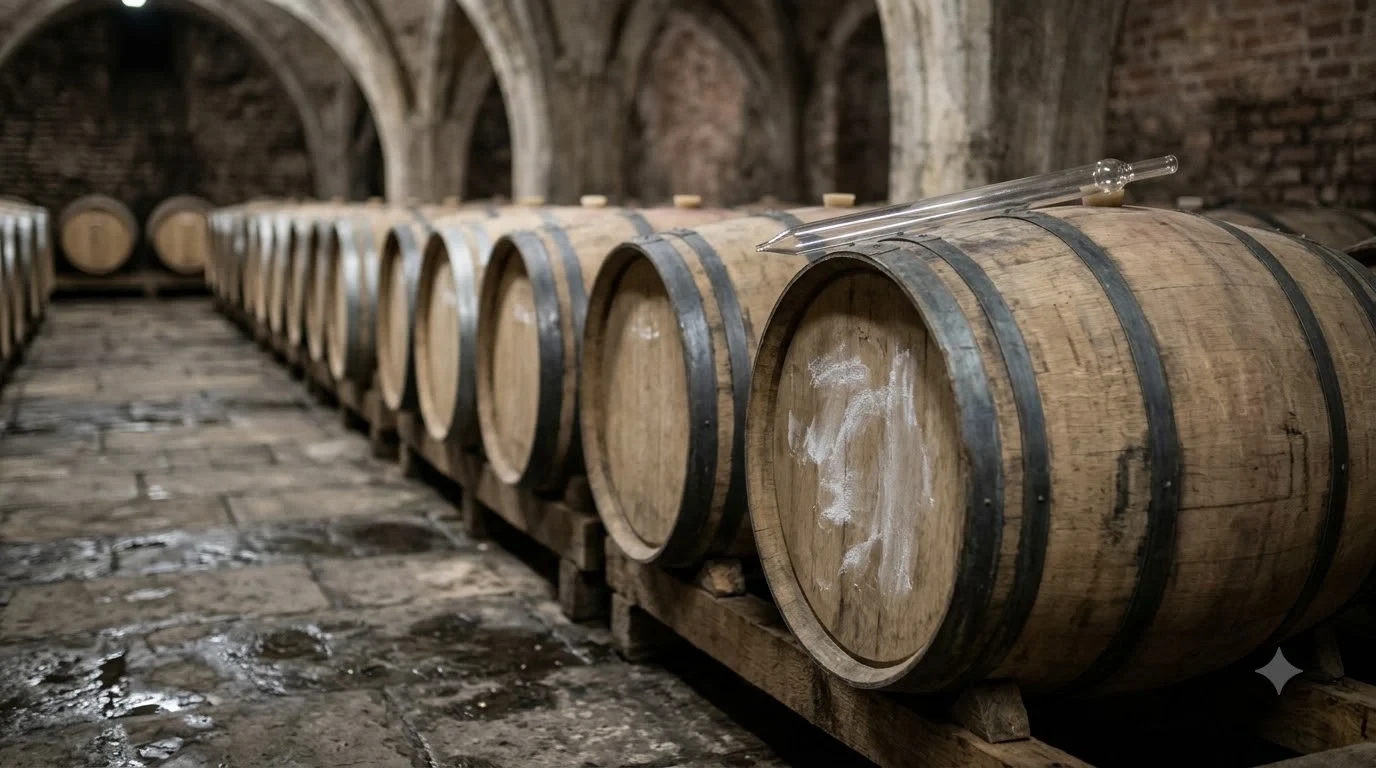
Alentejo wine comes from a large, warm and dry region in southern Portugal, where a Mediterranean climate and open, sun-heavy landscapes shape wines that are typically full and ripe. The region stretches across south-central and southern Portugal and is known as much for its cork oaks and olive groves as for its vineyards. Its wines are often sought out by drinkers who want a Portuguese style that is generous and food-friendly rather than sharp or delicate.
This guide covers where Alentejo is, what its climate does to the wine, which wine names you will see on labels, and how to serve and pair these bottles. It is meant for readers who are new to Portuguese wine and want a clear starting point.
Where Alentejo Is and Why It Matters
Alentejo is a geographical, historical and cultural region of south-central and southern Portugal. It covers a large share of the country’s land, and it is one of the most rural parts of the nation. Large estates, open plains and scattered villages shape both the landscape and the way wine is made there.
Wine is one of the region’s important products, alongside agriculture and cork. The landscape reflects that mix: vineyards sit between cork oaks and olive trees, and a visitor driving through the region will see all three within a short distance.
How the Climate Shapes the Wine
Alentejo has a Mediterranean climate, with warm to hot, dry conditions for a large part of the year. According to the Alentejo entry on Wikipedia, coastal areas are much cooler in midsummer than inland areas, which gives the region a clear east-to-west contrast in conditions.
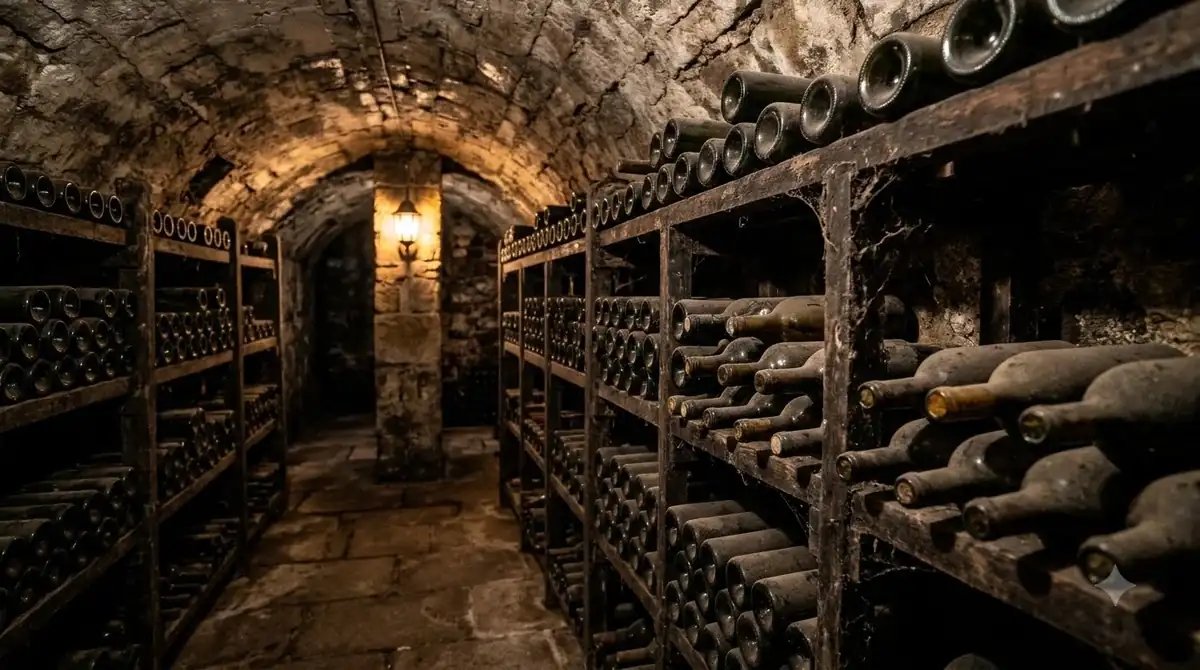
Warm, dry weather tends to produce ripe fruit and wines with generous body and softer acidity than cooler regions. That is why many Alentejo bottles feel round and full, especially the reds. Growers have to manage heat and water carefully, which is one reason wine quality varies between producers and vintages.
Wine Names and Labels
Portuguese labels can be confusing if you are used to French or Italian naming. The Wikipedia entry names two wines connected to the region, Vinho do Alentejo and Vinho do Redondo, and these are the names to look for on a bottle. The Alentejo name tells you the wine comes from the region, while more specific sub-area names can point to a particular part of it.
Do not assume that a region name tells you the grape. Alentejo producers use a mix of local and international varieties, and the blend on the back label will tell you more about the style than the region name alone.
| Factor | What it means for the wine |
|---|---|
| Mediterranean climate | Warm, dry growing conditions with ripe fruit |
| Inland versus coastal sites | Inland vineyards run hotter, coastal sites stay cooler in midsummer |
| Fertile soils | Support strong vine growth, which growers manage closely |
| Labeled region names | Vinho do Alentejo and Vinho do Redondo are the names to check |
How to Serve Alentejo Wine
Serving temperature matters for full-bodied reds. A light chill, about 15 to 18 degrees Celsius, is a common guideline that keeps the wine from tasting heavy or overly alcoholic. Whites from warm regions often taste best slightly colder, but avoid serving them icy, because the flavor can disappear.
Decanting an older or heavier red for half an hour before serving can soften its tannins and open the aroma. Younger bottles usually do not need it. A good glass for these wines has a wide bowl, which lets the aromas develop without crowding the nose.
Food Pairing with Alentejo Wines
Alentejo wines pair naturally with the foods of the region: grilled meats, stews, bean dishes and rustic breads. Full reds can stand up to rich dishes that would overwhelm a lighter wine, while crisp whites suit seafood and fresh salads. The warm climate often gives the wines a generous fruit character that works well with savory food.
If you want to plan a wider tasting, the wine regions guide covers how climate and geography shape wine styles across the world, which makes it easier to compare Alentejo with cooler or wetter regions you may already know.
How to Choose a Bottle
Start with the style you want. If you like big, warm, ripe reds, look for a red blend from a producer whose tasting notes mention generous fruit and soft tannin. If you prefer something lighter and fresher, a white or a rosé can be a better match, even from the same region.
Read the back label for the grape blend and the producer’s description. Many bottles list the main varieties and the aging method, and those details will help you decide faster than the region name alone.
Alentejo in Portugal’s Wider Wine Map
Portugal has many wine regions, and Alentejo is one of the largest in land area. Its warm, dry climate sets it apart from the cooler, wetter north, where the Douro and Vinho Verde regions are known for different styles. Drinkers who know Portuguese wine mainly from the north may find Alentejo’s wines rounder and more generous, with less of the sharp edge that cooler-climate whites can show.
That contrast is useful when you build a tasting plan. Pairing an Alentejo red with a northern red, or an Alentejo white with a northern white, lets you compare how the climate changes the wine without changing the grape family. The side-by-side approach is one of the clearest ways to learn how geography shapes a glass. For a comparison with another warm region, the Barossa Valley wineries guide covers another hot, dry region with a strong red identity, and the Anderson Valley wine guide shows a cooler counterpart.
Reading Labels and Producer Information
A label from Alentejo can show the region, the producer, the blend and sometimes the aging method. Start with the producer’s name, because it tells you the style the winery aims for. Then check the blend, since the mix of varieties often matters more than the region name for the flavor in the glass.
Producer websites and importer pages often give tasting notes, vineyard details and food suggestions. Those descriptions are useful, but read them as the producer’s own view. Compare two or three sources before deciding, especially if you are buying a bottle from an unfamiliar producer.
Storing and Enjoying Alentejo Reds
Full reds from warm climates handle a little cellar time well, and a bottle stored somewhere cool and dark will keep its fruit character longer. Avoid storing wine in a hot kitchen or near a heat source, since warm conditions can cause the wine to age too quickly and lose freshness. A simple wine fridge or a cool cupboard is enough for most bottles.
Once opened, a red will usually taste best within a day or two, and a light chill and a re-cork in the fridge can help preserve it. Whites and rosés are better enjoyed sooner, while the heavier reds can be enjoyed over a longer meal, where the wine opens up as the food is served.
Frequently Asked Questions
Where is Alentejo wine made?
Alentejo wine is made in the Alentejo region of south-central and southern Portugal. The region is large, rural and known for its cork oaks, olive trees and vineyards.
What kind of climate does Alentejo have?
The region has a Mediterranean climate, with warm to hot and dry conditions for much of the year. Coastal areas are cooler in midsummer than inland areas.
What are the main Alentejo wine labels?
The names to look for include Vinho do Alentejo and Vinho do Redondo, as described in the Wikipedia entry on the region. Check the back label for the grape blend, which tells you more about the style than the region name alone.
Is Alentejo wine good for beginners?
Many Alentejo wines are approachable because they are round and fruit-forward. A bottle with clear tasting notes and a simple blend is a good first purchase for someone new to Portuguese wine.
Alentejo rewards drinkers who like warm-climate wines with generous fruit and food-friendly structure. Start with one red and one white from different producers, and taste them with a simple meal to see which style you prefer.
More in Wine Regions
 Willcox Wine Trail: Discover Arizona’s High-Elevation Wine CountryUpdated Nov 20, 2026
 Yakima Valley Wine Region: Find the Best Styles to TryUpdated Nov 20, 2026
 Vosne Romanee Wine Tasting: Identify Aromas and Choose Better PairingsUpdated Nov 20, 2026
 Yakima Valley Wine Festival: Find the Best Seasonal Wine EventsUpdated Nov 20, 2026
 Wales Vineyards: Discover Cool-Climate Wines and Where to VisitUpdated Nov 20, 2026
 Yountville Wine Festival: Discover Napa Wines and Local FoodUpdated Nov 20, 2026