

We may earn a commission when you buy through links on this page, at no extra cost to you. Learn more.
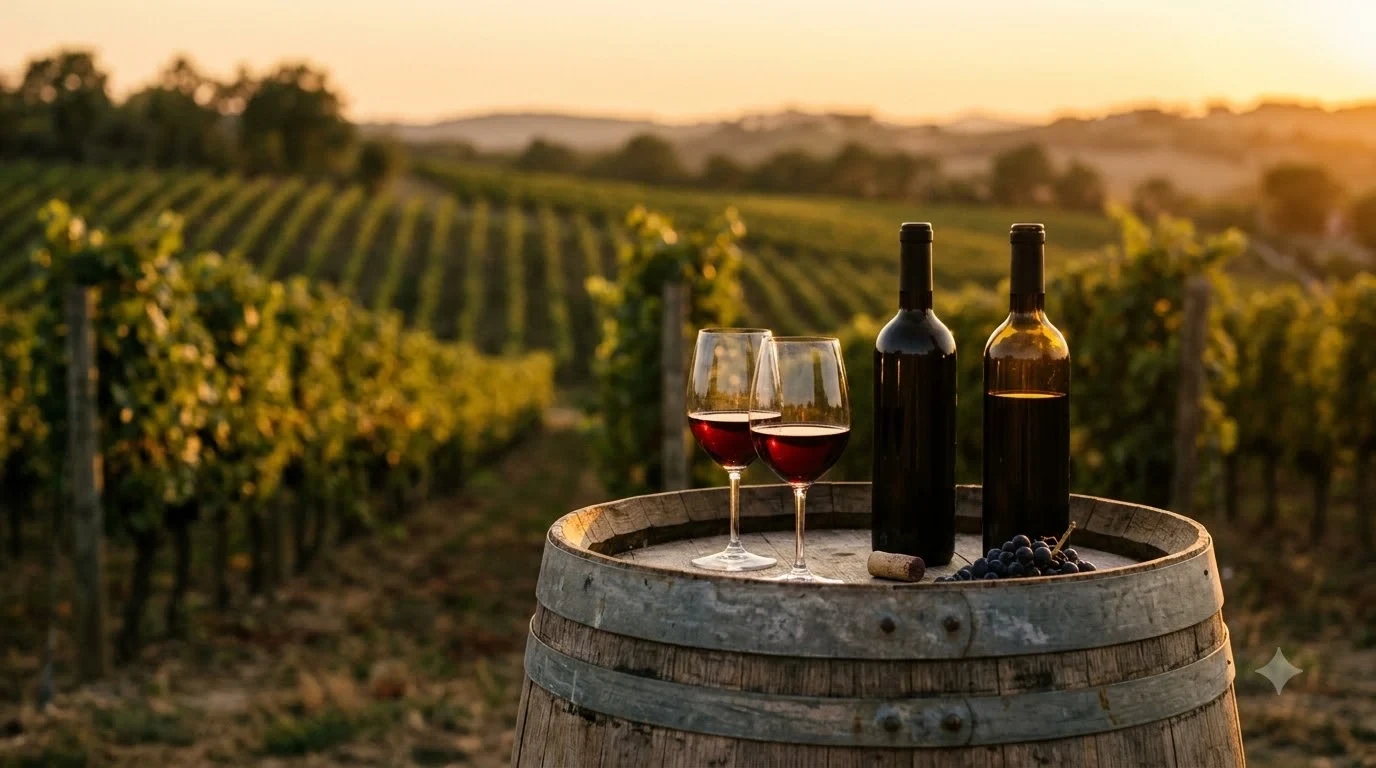
Eden Valley wine comes from a cool, hilly region in South Australia’s Mount Lofty Ranges, and it is best known for Riesling with lively acidity and for Shiraz with a structured, savory edge. The valley stretches from Truro in the north to a point just south of Springton, and its higher ground gives its wines a freshness that sets them apart from the warmer lowland vineyards of the state. Its vineyards have been producing wine since 1847.
Eden Valley is one of the older wine districts in Australia, yet many American drinkers know it only as a name on a Riesling label. This guide explains where the region sits, which grapes dominate the vineyards, how its climate shapes the wines, and how to serve and pair them at home.
Where Eden Valley sits and why it matters
Eden Valley is a wine region within the Mount Lofty Ranges, a band of hills that gives the area a different climate from the flat ground around it. It was registered as an Australian Geographical Indication on August 15, 1997. A sub-region known as High Eden sits within its boundaries, and the name signals what growers value most: altitude, cool nights, and a long, gentle ripening season.
The region is compact but important. Wikipedia’s entry for Eden Valley notes that it had at least 36 wineries as of 2014, and it links to a separate list of producers for anyone who wants to explore individual estates. That spread of wineries means the region offers a range of styles, from crisp, dry whites to deep, concentrated reds, rather than a single house style.
Because the hills are cooler than the nearby Barossa floor, Eden Valley is often described as the high-ground partner to its better-known neighbor. That relationship matters for shoppers. A bottle labeled Eden Valley usually tastes lighter and more lifted than a Barossa wine made from the same grape, even when both come from the same state.
Climate, soils, and elevation
The climate is the backbone of Eden Valley’s identity. The region falls within Winkler Region I, with about 1,390 heat units and an average annual rainfall of roughly 280 millimeters, or 11 inches. Those figures describe a cool-leaning vineyard environment where grapes ripen slowly and keep their acidity.
Cool conditions help explain why Riesling and Shiraz perform so well here. Riesling needs enough warmth to develop sugar but must avoid heat that strips away its tension. Shiraz benefits from long days and cooler nights, which allow the fruit to build flavor while the tannins stay supple. Growers who work the hillside blocks often choose sites carefully to catch morning sun and avoid frost pockets on lower ground.
The result is a wine style that feels precise rather than heavy. Eden Valley wines often show clear fruit and a line of acidity that carries through the finish, which makes them easier to match with food than many warmer-climate bottles.
The grapes that define the region
Shiraz and Riesling dominate the plantings, and the mix has shifted over time as growers have responded to market demand. As of 2014, Shiraz was the most planted variety at 31.4 percent of the region’s vineyards, followed by Riesling at 24.1 percent, Cabernet Sauvignon at 13.4 percent, and Chardonnay at 11.7 percent. Red varieties made up 53.8 percent of plantings, and white varieties 45.5 percent.
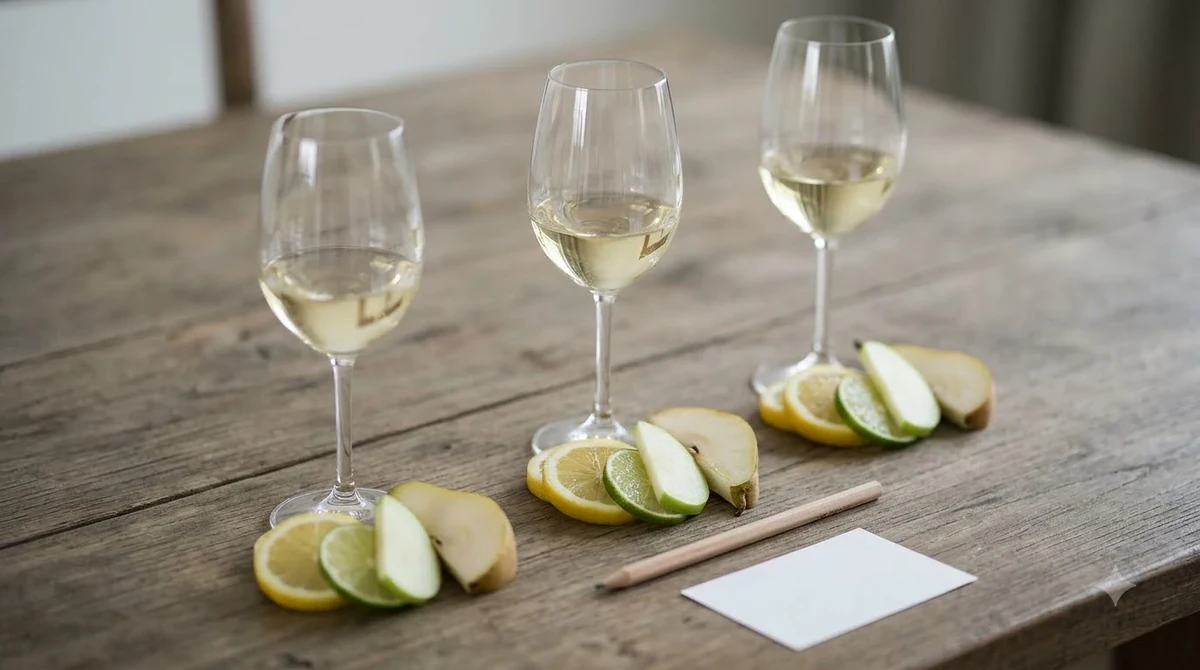
Riesling is the region’s most recognizable white. Wine Folly’s Riesling guide describes its common notes as lime, green apple, beeswax, jasmine, and petroleum, with high acidity and a light body. Styles range from bone-dry to noticeably sweet, and the cool climate tends to favor the crisper, more mineral end of that spectrum.
Shiraz is the region’s most planted red. Eden Valley versions are generally more restrained than the richest Barossa wines, with ripe dark fruit balanced by freshness and a savory lift. Cabernet Sauvignon and Chardonnay round out the planting list and give producers additional options for blends and single-variety bottlings.
| Variety | Share of plantings (2014) | Typical style in Eden Valley |
|---|---|---|
| Shiraz | 31.4% | Structured red with dark fruit and a savory edge |
| Riesling | 24.1% | Crisp, high-acid white, dry to off-dry |
| Cabernet Sauvignon | 13.4% | Firm red with good structure for aging |
| Chardonnay | 11.7% | Clean white, leaner than warmer-region styles |
A brief history of the valley’s wine industry
Wine has been made in the area since 1847, which places Eden Valley among the earliest winegrowing districts in Australia. The region later became a recognized Geographical Indication, giving producers a formal identity they could market to buyers in Australia and abroad.
The long record explains part of the region’s character. Vineyards that have operated for generations tend to sit on sites that suit cool-climate grapes, and the knowledge of those sites is passed from one producer to the next. That continuity helps the wines feel rooted in place.
How to serve and pair Eden Valley Riesling and Shiraz
Serving temperature matters for both styles. Wine Folly recommends serving Riesling between 38 and 45 degrees Fahrenheit in a white wine glass, which keeps its aromatics bright while the acidity stays firm. Shiraz is usually served a little warmer, and a short rest out of the fridge helps the fruit and spice come forward.
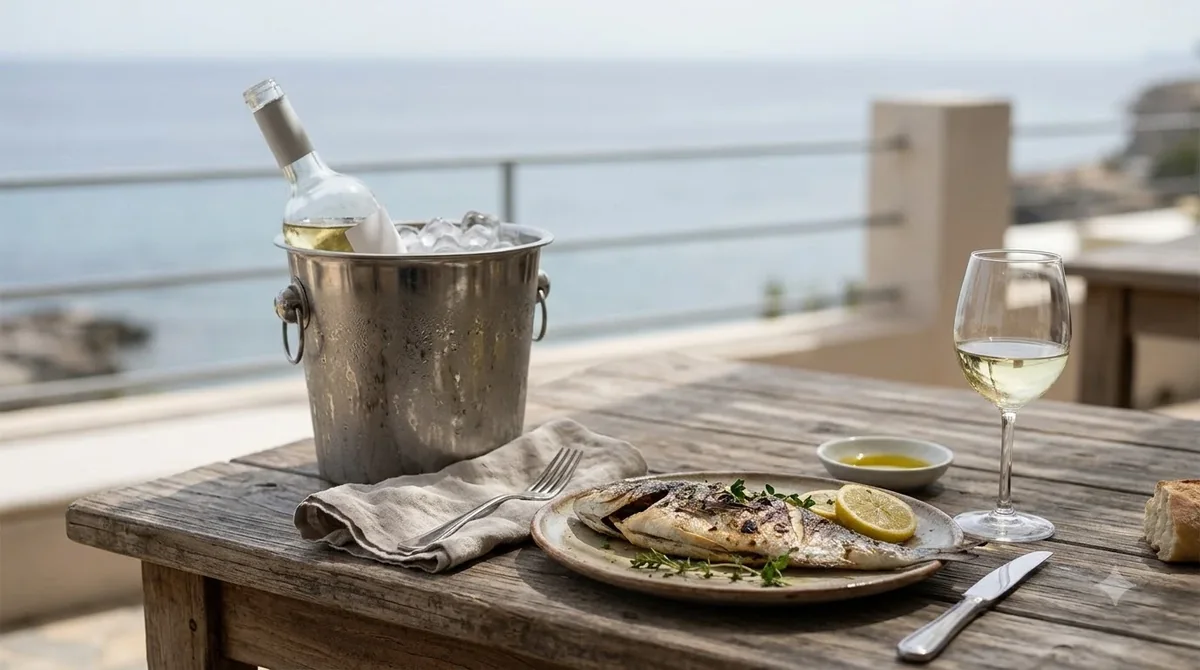
Riesling pairs well with spicy Asian dishes, roast chicken, and soft cheeses, and its acidity can handle richer foods that might overwhelm a heavier white. Shiraz suits grilled lamb, aged cheddar, and dishes with smoked or charred notes. Eden Valley’s more restrained reds also work with mushroom-based dishes, where the savory character of the wine has room to show.
Tip: If you want a clear picture of the region, try a dry Riesling and a Shiraz from the same producer. The pairing shows how the cool site affects both white and red.
How to choose an Eden Valley bottle
Start with the producer’s name and the vintage, since those details often reveal more about style than the region alone. Look for sub-regional mentions such as High Eden on the label, which can signal a cooler, higher-altitude site. Read the back label for notes on the grape, the oak regime, and whether the wine is designed for early drinking or for cellaring.
For buyers who prefer lighter styles, Eden Valley Riesling is a reliable entry point. For those who want a structured red, a Shiraz from a cooler site can offer more lift than many warmer Australian bottles. Specialist wine shops often carry a wider range of regional labels than large retailers, so they are worth checking when you want something less familiar.
Frequently Asked Questions
Where is Eden Valley?
Eden Valley is a wine region in South Australia, within the Mount Lofty Ranges. It stretches from Truro in the north to a point just south of Springton and sits on higher ground than much of the nearby Barossa.
What grape is Eden Valley best known for?
Riesling is the region’s most recognizable white, and Shiraz is its most planted variety overall. Both show a cool-climate character, with Riesling offering high acidity and Shiraz showing ripe fruit balanced by freshness.
How should Eden Valley Riesling be served?
Wine Folly suggests serving Riesling between 38 and 45 degrees Fahrenheit in a white wine glass. The cool serving temperature helps keep its lime and green apple notes lifted and the acidity balanced.
How many wineries are in Eden Valley?
Wikipedia reports at least 36 wineries in the region as of 2014, and it links to a list of individual producers. Newer estates may have opened since then, so check current listings before planning a visit.
Eden Valley is a rewarding region for anyone who wants Australian wine with a cooler, more precise edge. To place it among other regions, start with our overview of Wine Regions, then compare the warmer, richer style of Barossa Valley wineries to see how altitude and climate shift the glass.
More in Wine Regions
 Willcox Wine Trail: Discover Arizona’s High-Elevation Wine CountryUpdated Nov 20, 2026
 Yakima Valley Wine Region: Find the Best Styles to TryUpdated Nov 20, 2026
 Vosne Romanee Wine Tasting: Identify Aromas and Choose Better PairingsUpdated Nov 20, 2026
 Yakima Valley Wine Festival: Find the Best Seasonal Wine EventsUpdated Nov 20, 2026
 Wales Vineyards: Discover Cool-Climate Wines and Where to VisitUpdated Nov 20, 2026
 Yountville Wine Festival: Discover Napa Wines and Local FoodUpdated Nov 20, 2026