

We may earn a commission when you buy through links on this page, at no extra cost to you. Learn more.
The rose vs white zinfandel comparison is really a choice between a broad category of pink wines and one specific style made from the Zinfandel grape. White Zinfandel is rosé, but rosé can be dry, crisp, savory, or fruity, while classic White Zinfandel is usually softer and noticeably sweeter. Choose by sweetness, acidity, and the food on the table rather than by color alone.
Both wines bring red-fruit flavors and an easygoing freshness to the glass, yet their names tell you very different things. Understanding the relationship between them makes it easier to find a bottle that matches your taste, whether you want a dry patio wine, a lightly sweet pour, or something versatile with dinner.
What the Names Mean
Rosé is a wine category defined by its pink color and production, while White Zinfandel is a particular rosé made from the red Zinfandel grape. That means every White Zinfandel is rosé, but rosé includes many wines that are not White Zinfandel.
Rosé describes color and general style, not one grape or sweetness level. Producers use grapes such as Grenache, Syrah, Mourvèdre, Pinot Noir, Cabernet Franc, Tempranillo, and Sangiovese. Provence is known for pale, often dry blends, while Tavel in the Rhône Valley makes deeper, more structured rosés. Spain uses rosado and Italy often uses rosato.
White Zinfandel narrows the field to one grape: Zinfandel. Despite the word “white,” it is pink because the juice receives pigment from dark grape skins. It is often off-dry or semi-sweet, although the name does not guarantee sweetness; a dry Zinfandel rosé is also possible.
Rosé and White Zinfandel are not parallel categories like Cabernet Sauvignon and Merlot. A more useful comparison is a dry Provence-style rosé, a crisp California rosé, and a sweeter White Zinfandel. The site’s rose vs zinfandel comparison covers another naming distinction that can confuse shoppers.
How the Wines Are Made
Both styles generally get their pink color from limited contact between red grape skins and juice, but rosé producers can choose several methods and grapes. White Zinfandel uses Zinfandel; its best-known American style grew out of the saignée method and a fermentation that left natural grape sugar in the wine.
In the common skin-contact method, red grapes are crushed and the juice remains with the skins briefly. Wine Enthusiast describes rosé maceration as ranging from a few hours to about a week; shorter contact usually means paler color. The juice is then separated and fermented. Direct pressing skips the maceration period, producing very pale wines with delicate citrus and red-fruit notes. The winemaker can fine-tune extraction through grape selection, pressing intensity, and the moment the juice is separated from the skins. These decisions influence aroma and texture as well as the final shade of pink.
Another route is saignée, or “bleeding.” The winemaker drains some pink juice from a tank of crushed red grapes, leaving the remaining red wine with a higher skin-to-juice ratio and potentially more concentration. The drained juice ferments separately as rosé. Saignée does not mean sweet: the wine can ferment fully dry.
White Zinfandel’s history is closely tied to Sutter Home. The winery says Bob Trinchero drained free-run juice from Zinfandel skins in 1972 to concentrate an Amador County red, then fermented the runoff dry; the first White Zinfandel amounted to 220 cases. A stuck fermentation in the 1974 vintage left a light-pink wine with about 2 percent residual sugar, creating the sweeter style customers embraced. Sutter Home recounts the details on its history page. Today, Zinfandel rosé can be fermented fully dry or made with some residual sugar. As VinePair notes in its White Zinfandel and rosé comparison, sweetness is a key part of the familiar difference between the two styles.
Sweetness, Acidity, Alcohol, and Body
Sweetness is usually the first practical difference: classic White Zinfandel tends to taste off-dry or semi-sweet, while many familiar European rosés are fermented dry. Rosé itself has no required sweetness level, so the category can cover both ends of the spectrum.
Dry rosé feels crisp when low residual sugar is balanced by lively acidity. Provence blends of Grenache, Cinsault, Syrah, or Mourvèdre often show citrus, tart berries, and a clean finish. Tavel or Bandol rosé can be deeper and more structured than a pale Provence bottling, so region matters as much as color. White Zinfandel often shows ripe strawberry, watermelon, raspberry, or melon with a softer palate. Residual sugar makes fruit seem more prominent and softens the impression of acidity, but sweetness varies and dry versions exist. Alcohol also varies by producer and vintage. Sweetness and acidity work together: a small amount of sugar can make a wine feel rounder, while lively acidity keeps the finish from seeming heavy. That balance explains why two wines with similar fruit aromas can feel very different on the palate.
Both are usually light to medium in body, though grape and climate change the weight. Pinot Noir rosé can feel taut and delicate; warm-climate Grenache rosé may carry riper fruit and more body. White Zinfandel is generally easy-sipping and low in tannin because its skin contact is brief. Acidity matters as much as sweetness: tomato salads, citrus dressings, and vinaigrette need a wine with equal or higher acidity; otherwise the wine can taste flat. A bright dry rosé is a natural match, while fruit-forward White Zinfandel suits gentler dressings or dishes with a little sweetness.
Use these benchmarks as a starting point, not as rules for every bottle. The historical figures come from Sutter Home’s published winery history.
| Comparison point | Rosé overall | Classic White Zinfandel |
|---|---|---|
| Grape source | Many red grapes, including Grenache, Syrah, Pinot Noir, and Tempranillo | Zinfandel |
| Typical sweetness | Often dry, but can range from dry to sweet | Usually off-dry or semi-sweet |
| Skin contact | Often a few hours to about 1 week for maceration | Short contact; the exact timing varies by producer |
| Historic Sutter Home first release | Not applicable to the whole category | 220 cases in 1972 |
| Historic residual sugar | No single category-wide figure | About 2% in the stuck 1974 vintage, according to Sutter Home |
| Serving temperature | 45–50°F for a light, fresh style | 45–50°F is a good starting point for its light, fruity style |
Tip: Decide whether you want a dry or off-dry finish before choosing by region or grape. A dry label cue or a producer’s sweetness description is more useful than judging sweetness from the wine’s pink shade.
Flavor and Regional Styles
Rosé flavor changes with grape, place, and winemaking, which is why one bottle can taste like lemon and herbs while another leans toward cherry and watermelon. Classic White Zinfandel is more narrowly associated with juicy berry and melon flavors, although newer dry Zinfandel rosés can taste quite different from the familiar sweet style.
Provence is a useful reference for dry rosé. Grenache, Cinsault, Mourvèdre, and Syrah blends are often pale and crisp, with citrus, red currant, strawberry, and herb notes. In the Rhône Valley, Tavel’s longer skin contact produces more color, tannin, and deeper red fruit. Bandol rosé, often based on Mourvèdre, is typically more savory and structured. The Loire Valley uses Cabernet Franc for herbal, red-fruited rosé, while Sancerre rosé is made from Pinot Noir. Spanish rosado may use Tempranillo or Garnacha; Italian rosato can feature Sangiovese, Negroamaro, or Montepulciano. These regional grapes give the category a much wider flavor range than any single White Zinfandel style.
Classic American White Zinfandel is more direct, with strawberry, raspberry, watermelon, and a soft finish. Sutter Home records growth from 25,000 cases in 1981 to more than 4.5 million by 1987, when the wine became the country’s best-selling premium wine. Its success made the name familiar, but it never represented all rosé. A producer can make a more restrained Zinfandel rosé by picking for freshness, pressing gently, and fermenting to dryness. The result may show tart cranberry or citrus alongside red berries rather than the ripe, sweet-fruited character associated with classic White Zin.
White Zinfandel is not a lesser version of rosé; its sweetness and direct fruit are appealing to drinkers who prefer that style. The mistake is assuming it represents every pink wine. The site’s Prosecco vs rosé comparison shows why shared color or occasion does not make wines the same style. Rosé is also not limited to warm-weather meals: a savory, structured bottle can sit comfortably beside roast pork, grilled vegetables, or a holiday ham.
Food Pairings for Different Meals
Dry rosé is a flexible dinner wine for vegetables, seafood, poultry, and lighter meats. White Zinfandel’s off-dry fruit suits mildly spicy, sweet-savory, or casual dishes that benefit from a little sweetness.
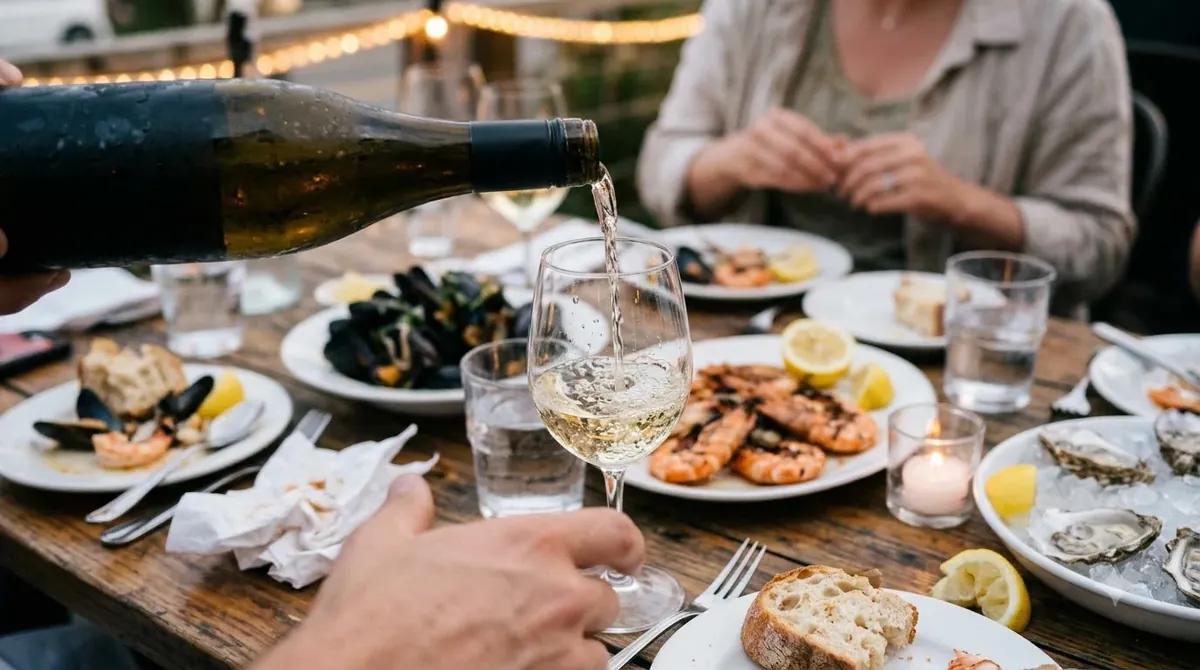
Pair a bright dry rosé with grilled shrimp, crab cakes, salmon, or fish tacos. Acidity refreshes the palate after olive oil or aioli, while low tannin avoids the clash a tannic red can create with oily fish. Pale Grenache rosé also suits Niçoise salad and roast chicken; fuller Tavel can meet herbed pork or charcuterie.
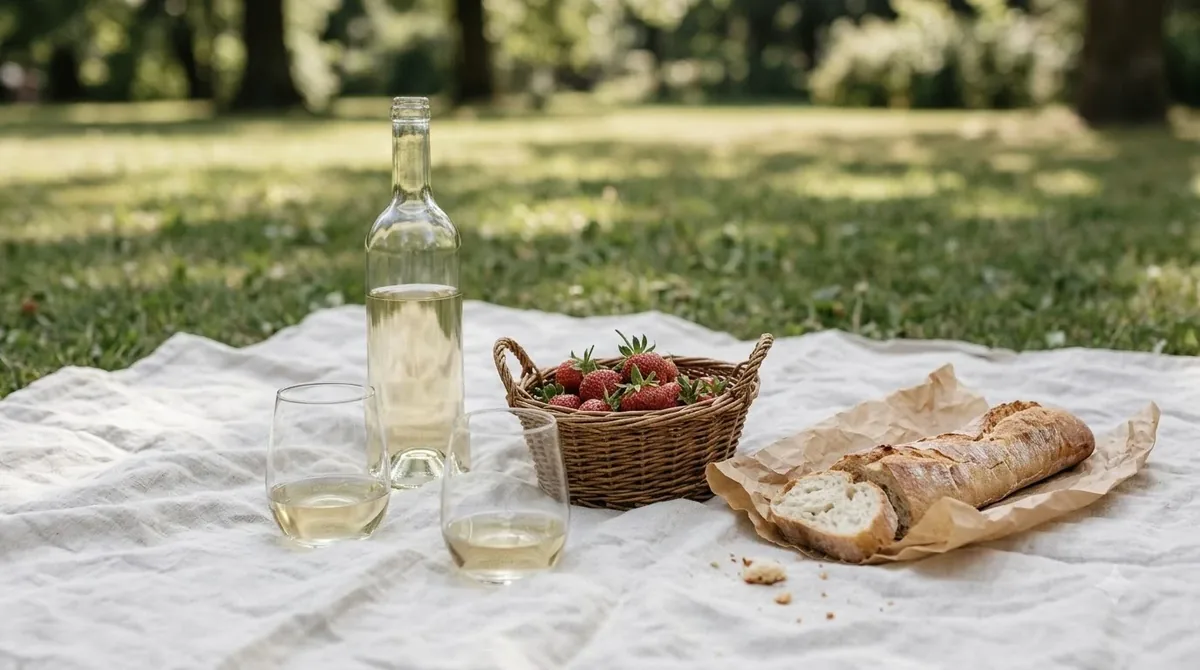
White Zinfandel suits picnic foods and lightly sweet dishes such as glazed ham, barbecue chicken, fruit salad, mild cheese, or a turkey sandwich with cranberry relish. Strawberry and melon notes echo sweet glazes. Its sweetness can also soften salty foods such as chips or fried chicken, provided the dish is not too sharp or vinegary. Chili heat is amplified by alcohol and tannin. A lightly sweet White Zinfandel can soften moderate heat in Thai noodles or mild salsa, but avoid very hot dishes with high-alcohol wines. For lemon-heavy ceviche or vinegar-dressed greens, choose a high-acid dry rosé rather than a soft, low-acid bottle.
For dessert, wine should be at least as sweet as the dish. Dry rosé can taste thin beside a sugary strawberry tart, while off-dry White Zinfandel may suit fresh berries or a lightly sweet fruit dessert. Save very sweet pastries and rich custards for a sweeter dessert wine. For a cheese board, a dry rosé works well with fresh goat cheese and herbs, while White Zinfandel can complement mild, creamy cheeses and fruit preserves. Match the intensity of the wine to the food so neither disappears.
How to Choose, Serve, and Store Each Style
Choose rosé for crisp acidity, dry refreshment, and flavors ranging from citrus and herbs to tart berries. Choose classic White Zinfandel for a softer, fruitier wine with noticeable sweetness.
Read the producer’s description for sweetness, grape, and origin; color alone is not a dependable guide. A pale wine can be dry or off-dry, and a deeper pink wine can also be dry. Provence is a starting point for a light, dry profile, while Tavel and Bandol offer more texture. Producer notes can distinguish classic sweet White Zin from dry Zinfandel rosé. Serve light rosé and White Zinfandel at 45–50°F. If the bottle gets too cold, let it warm briefly in the glass so aromas can open. A standard 5-ounce pour gives about five glasses from a 750-milliliter bottle. A standard white-wine glass works for both styles. A slightly larger bowl suits a fuller rosé such as Tavel, while no special glass is needed for a simple, fruit-forward White Zinfandel.
Reseal opened wine and refrigerate it; most still wines keep for about 3–5 days. Store unopened bottles on their sides in a cool, dark place near 55°F, away from sunlight and temperature swings. Most rosé and White Zinfandel are made for freshness rather than long aging. Keep the bottle away from a sunny counter or a warm car, since heat can dull fresh fruit aromas quickly. A steady, cool storage spot is more important than having a special wine refrigerator. For a fuller red-wine comparison, the site’s Shiraz vs Zinfandel guide contrasts two more structured styles. The broader Wine vs Wine guides compare wines by grape, sweetness, and food match.
Frequently Asked Questions
These answers clarify common questions about grape identity, production history, sweetness, and the range of styles made as rosé.
What are the other names for Zinfandel?
In Italy, Zinfandel is known as Primitivo, especially in the southern region of Puglia. In Croatia, the grape is known by names including Tribidrag and Crljenak Kaštelanski, reflecting its Dalmatian roots.
Does rosé Champagne have to be made with skin contact?
No. Champagne producers can make rosé by adding a portion of red wine, commonly Pinot Noir or Pinot Meunier, to a white base wine before the second fermentation. That blended method is called rosé d’assemblage.
Can a rosé wine improve with age?
Some can. Bandol rosé is known for aging potential, particularly examples based on Mourvèdre, and certain structured bottles develop more savory, complex notes over time. Most simple, fruit-forward rosés are intended to be enjoyed young.
How long has Sutter Home been a winery?
Sutter Home says its winery was founded in 1890, closed during Prohibition, and reopened by new owners in the late 1940s. The Trinchero family reopened it in 1948, decades before the White Zinfandel boom.
Was the first Sutter Home White Zinfandel pink?
According to the winery, the first 1972 vintage was fermented dry and was white in color, with production totaling 220 cases. The familiar light-pink, sweeter style followed after a stuck fermentation in the 1974 vintage.
Rosé is the larger category, and White Zinfandel is one familiar expression within it. Pick dry rosé for crisp acidity and broad food pairing, or choose White Zinfandel when a softer, fruitier, slightly sweet finish is what the occasion calls for.
More in Wine vs Wine
 Nero d’Avola vs Pinot Noir: Taste, Body, and Pairing DifferencesUpdated Nov 21, 2026
 Chenin Blanc vs Pinot Blanc: Key Differences in Taste, Acidity, and PairingsUpdated Nov 21, 2026
 Chardonnay vs Shiraz: Key Differences in Taste, Serving, and PairingUpdated Nov 21, 2026
 Chardonnay vs Verdejo: How Spain’s Crisp White Compares to the World’s ChameleonUpdated Nov 21, 2026
 Chardonnay vs Sancerre: Key Differences in Taste, Grapes, and PairingUpdated Nov 21, 2026
 Chardonnay vs Malbec: Key Differences in Taste, Body, and PairingUpdated Nov 21, 2026