

We may earn a commission when you buy through links on this page, at no extra cost to you. Learn more.
The white zinfandel color is usually pale pink, ranging from a soft blush to a more vivid berry-pink shade. Despite the word “white,” this wine is a rosé made from dark-skinned Zinfandel grapes. Its color comes from brief contact with grape skins, while its familiar gentle sweetness comes from how fermentation is managed.
White Zinfandel is easy to recognize once you know what to look for: a light pink wine that may look almost translucent at the rim and more saturated at the center of the glass. The exact shade is not fixed, though, and understanding the small winemaking choices behind it explains why two bottles can look noticeably different.
White Zinfandel Color: The Typical Pink Spectrum
White Zinfandel is pink rather than white, and its usual appearance falls within the blush or rosé family. Most examples show a light pink tone, while some have a stronger strawberry, watermelon, or flamingo-pink cast.
In a clear glass, look for a pale rose tint that lets light pass through easily. The rim may appear very light, almost silvery-pink, while the wine looks more colorful where the bowl holds a deeper pool of liquid. A fuller pour can therefore look darker than a small sample even when both come from the same bottle. Background and lighting also change perception: a white tablecloth makes a faint blush easier to see, while warm indoor light can make pink appear more peach or coral.
There is no single official color code that every producer must meet. A Lodi Winegrape Commission account described one 2014 McCay Cellars White Zinfandel as transparent, vivid flamingo pink; it also noted that a small addition of red Carignan contributed to that particular wine’s color. That is an example of one producer’s style, not a standard requirement for the category. A different White Zinfandel can look much paler and still fit the familiar style.
Color words are useful descriptions, not quality grades. A deeper pink does not automatically mean a sweeter, stronger, or better wine, and a delicate blush does not prove that a wine is thin or flavorless. Assess the hue alongside the wine’s aroma, sweetness, acidity, and texture rather than trying to judge the whole bottle from appearance alone.
How Zinfandel Skins Give the Wine Its Hue
The pink shade begins with the grape, not with a white grape variety. Zinfandel has dark skins but nearly clear juice, so the winemaker controls color mainly by controlling how long the juice stays with the skins.
Brief skin contact and pressing
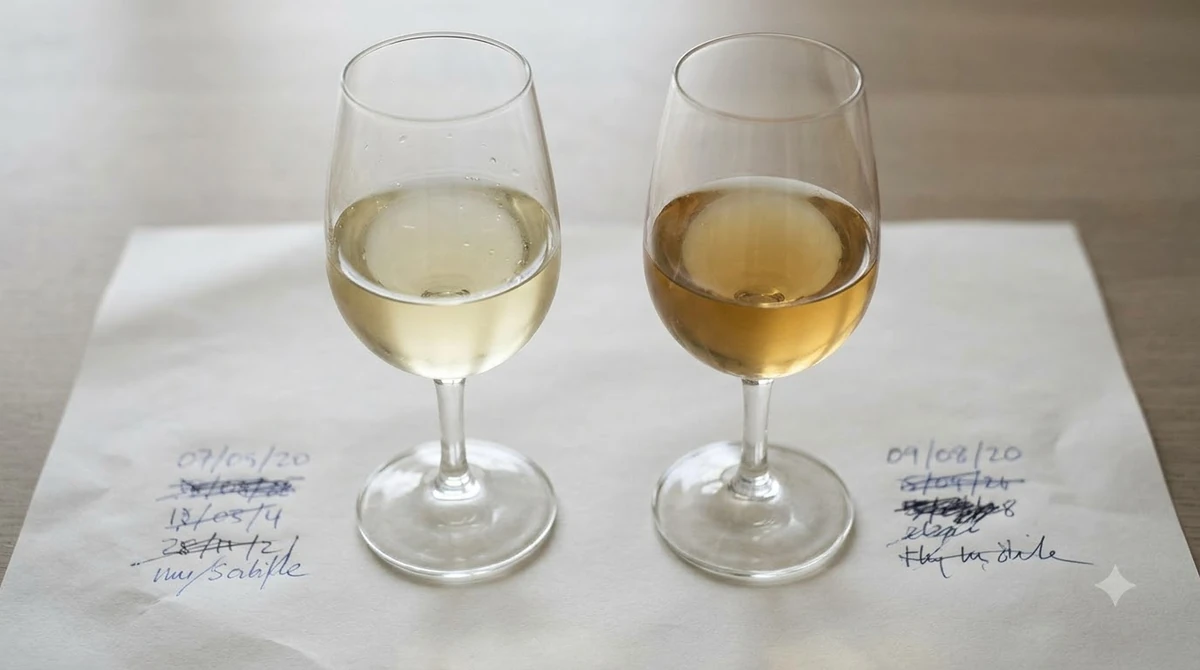
For a pale rosé style, the grapes are crushed and the juice is separated from the skins relatively early. Some producers use direct pressing, which limits the amount of pigment extracted; others allow a short period of maceration before draining or pressing the juice away. Total Wine’s explanation of the method describes fermentation beginning with the skins and the juice being drawn off after only a couple of hours. The wine then completes fermentation more like a white wine than a red one.
That short window is important. During red-wine production, longer skin contact extracts substantially more pigment and tannin, which helps create the deeper ruby or purple appearance and firmer structure associated with red Zinfandel. With White Zinfandel, the goal is to take enough color for a blush tint without extracting the same depth and grip. The Zinfandel Advocates and Producers style overview distinguishes White Zinfandel from dry Zinfandel rosé and from red Zinfandel partly on this basis.
Different routes to a pink wine
Not every producer follows precisely the same sequence. A winemaker might press immediately for a very light hue, hold the juice with skins briefly for a stronger blush, or use a saignée approach by drawing off a portion of pink juice from a red-wine fermentation. Each path affects the color and the way the wine is built, so “White Zinfandel” describes a recognizable family of wines rather than one rigid recipe.
Color extraction and sweetness are separate decisions. Skin contact determines how much pigment enters the juice; yeast activity determines how much grape sugar becomes alcohol. A producer can make a dry Zinfandel rosé with a pink color, or a medium-sweet White Zinfandel with a similar shade. This is why looking at the glass cannot tell you exactly how sweet the wine will taste.
Why Bottles Can Look Lighter or Darker
White Zinfandel does not have one mandatory shade, because grape condition and cellar choices affect how much color reaches the finished wine. Small differences in pressing, skin contact, blending, and the starting fruit can move the appearance from very pale blush to a more pronounced pink.
Skin-contact time is the most direct influence. Juice pressed away from the skins promptly generally has less time to pick up pigment; a few hours of contact can create a more obvious rose tint. The timing is not a universal clock that works identically for every harvest, because skin condition, grape ripeness, temperature, and the amount of handling also influence extraction. A producer adjusts the process to the fruit and the intended style.
Harvest decisions matter too. Grapes picked for a lighter rosé may be harvested earlier than fruit intended for a powerful red wine. In its report on a Lodi White Zinfandel, the Lodi Winegrape Commission described grapes picked at an average of 22 degrees Brix, with higher natural acidity than the producer’s usual red-wine harvest. That detail refers to one wine and one vineyard, but it shows how fruit picked for a pink style can differ from fruit left to ripen for a full-bodied red.
Blending can also change a wine’s appearance, although it is not a defining step for every White Zinfandel. In the same Lodi example, a small portion of Carignan red wine was blended into the Zinfandel and contributed to its vivid pink tone. Most bottles do not need that particular treatment; the example simply shows that the final shade can reflect more than the length of skin contact. Producers may also choose a lighter or more saturated house style from year to year.
How White Zinfandel Compares With Other Wine Colors
White Zinfandel belongs with rosé wines, even though its name can make it sound like a white wine. Comparing it with red Zinfandel, other rosés, and pale white wines makes its color and production style easier to understand.
Red Zinfandel is the clearest contrast. The grape is the same, but red wine spends much longer fermenting with skins, so it takes on a deeper ruby or purple color and more tannin. White Zinfandel has limited skin contact and typically little or no barrel aging, which keeps its color pale and its texture lighter. The Zinfandel Advocates and Producers guide describes White Zinfandel as a blush wine separated from skins and seeds after crushing, while its red table-wine style uses extended skin contact.
Other rosés may be close in color but differ in grape and flavor. A dry Provence-style rosé can show pale salmon or orange-pink tones, while a Zinfandel rosé may have a more saturated pink appearance. Sparkling wines bring another comparison: cava color is often pale straw to gold, though rosé Cava is pink because red grapes are used in its blend or production. These differences come from grape varieties and methods, not from a universal ranking of wine colors.
White wines can also look deceptively close in a glass under certain lighting, but their typical hues are different. Pinot Grigio is usually straw to pale lemon, not blush pink; the guide to pinot grigio color helps separate those cool pale tones from a rosé tint. Moscato varies by style and may be pale yellow or lightly pink depending on the grapes and production method, so moscato color is another useful point of comparison. For a broader overview of how grape variety and winemaking shape what is in the glass, see Wine by Type.
| Wine style | Typical appearance | ABV reference | Useful comparison |
|---|---|---|---|
| White Zinfandel | Pale blush to medium pink | About 8 to 10 percent | Rosé made from dark-skinned Zinfandel |
| Red Zinfandel | Ruby to deep purple | About 14 to 16 percent in California | Longer skin contact extracts more color and tannin |
| Pinot Grigio | Pale straw to lemon | Varies by bottle | Usually a white wine, not a pink rosé |
| Rosé Cava | Light pink to deeper rose | Varies by bottle | Sparkling rosé rather than still White Zinfandel |
Sweetness, Acidity, and Flavor Are Separate From Color
The classic White Zinfandel style is usually medium-sweet, light-bodied, and fruity, but its pink appearance does not create that sweetness. The main reason for the familiar sweet taste is that fermentation is stopped or otherwise managed before yeast converts all the grape sugar into alcohol.
Total Wine describes many White Zinfandels as having about 8 to 10 percent alcohol by volume, a range associated with this medium-sweet style. That is a typical guide, not a fixed legal definition: producers can make drier examples, and finished alcohol varies with the grapes and fermentation choices. Wine Enthusiast’s Zinfandel overview also identifies White Zinfandel as a usually semi-sweet rosé and notes that styles have shifted over time.
Flavor descriptions often include strawberry, raspberry, citrus, melon, and sometimes clove or nutmeg. These are tasting impressions, not ingredients added to the wine. Some bottles emphasize fresh strawberry and watermelon, while others lean toward ripe raspberry, soft citrus, or a rounder fruit profile. A sweeter bottling may feel more like juicy berry fruit; a dry version can show a crisper, more savory edge.
Acidity is generally modest compared with high-acid whites such as Sauvignon Blanc or Riesling. That can make the wine feel smooth and easygoing, but it also means it may not cut through rich or sharply acidic dishes as forcefully as a more tart wine. Tannin is usually low because the juice spends relatively little time with the skins and the style commonly avoids substantial oak aging. The result is a soft, approachable structure rather than the grip of a full-bodied red Zinfandel.
Tip: Use color to identify White Zinfandel as a rosé, not to predict sweetness. For sweetness, look for the producer’s style description and taste the wine with food; a pale blush and a stronger pink can both be dry or sweet.
Serving Temperature, Food Pairings, and Storage
Serve White Zinfandel chilled, around 45 to 50 degrees Fahrenheit. That range keeps the wine refreshing while allowing its berry and citrus notes to show; serving it very cold can mute aroma and make the fruit seem less expressive.
A standard five-ounce pour gives room to swirl the wine and notice its color without filling the glass to the rim. A 750-milliliter bottle contains about five such servings. Use a clear, medium-sized white-wine glass if available, since its bowl makes the pink hue easy to inspect and gives the aromas space to collect. A narrow glass is not essential, and there is no need for a special rosé glass to enjoy the wine.
For food, match the wine’s sweetness to the dish. A medium-sweet White Zinfandel works with mildly spicy Thai or Indian food because a touch of sweetness can balance chili heat; very hot dishes can still make alcohol and spice feel more intense, so keep the heat moderate. It also suits grilled chicken, seafood, green salads with fruit, and mild cheeses. If the plate is acidic, such as a salad with a sharp citrus dressing, choose a wine with enough acidity to keep the pairing balanced rather than letting the food taste unusually sharp.
For dessert, the wine should be at least as sweet as the dessert or the wine can taste thin and sour by comparison. Fresh strawberries, berry tarts, and lightly sweet fruit desserts are more natural partners than very rich dark-chocolate desserts. Soft goat cheese or another mild cheese can work with a sweeter style; a drier White Zinfandel can handle more assertive cheese. Avoid pairing the wine with very hot chili dishes if you are sensitive to the way alcohol and heat can amplify one another.
Store an unopened bottle in a cool, dark place away from heat and direct sunlight. Once opened, close it securely and keep it in the refrigerator; a practical window for most still wines is about three to five days, although the fruit aromas gradually fade. White Zinfandel is generally made for drinking young rather than long cellaring, so there is little benefit in keeping a typical bottle for years. Chill only the amount you plan to serve and return the remaining bottle to the fridge promptly.
Frequently Asked Questions
Why did early labels use the name Oeil de Perdrix?
Oeil de Perdrix is a French phrase meaning “eye of the partridge,” and it was used for pale, grayish-pink rosé styles in parts of France and Switzerland. Early California producers, including Sutter Home, used the name for dry White Zinfandel before the sweeter style became the category’s best-known expression.
Was White Zinfandel first made in the 1970s?
No. The Lodi Winegrape Commission traces an earlier pink Zinfandel to El Pinal Winery in the Stockton area in 1869. The popular modern American style developed much later, after Sutter Home’s fermentation produced a sweeter pink wine in the 1970s.
What does saignée mean in winemaking?
Saignée is French for “bleeding.” A winemaker drains some pink juice from a vat of crushed red grapes after a period of skin contact, leaving the remaining red-wine must with a higher proportion of skins and solids.
What other names does the Zinfandel grape have?
In Italy, Zinfandel is known as Primitivo, especially in the southern region of Puglia. In Croatia and Montenegro, related local names include Tribidrag and Crljenak Kaštelanski.
Did White Zinfandel help preserve old California vineyards?
Yes. The Zinfandel Advocates and Producers organization notes that the success of the pink style helped keep some California Zinfandel vines from being removed during vineyard replanting in the 1960s and 1970s. That later preserved fruit sources for the grape’s red-wine revival.
White Zinfandel is best recognized by its blush-pink appearance, not by the word “white” on the label. Its exact hue depends on the fruit and the winemaker’s handling of the skins, while sweetness and flavor depend on fermentation and style choices. Serve it chilled, pair it with foods that suit its sweetness, and enjoy the range from delicate pink to vivid rosé.
More in Wine Types & Grapes
 What Does Mourvèdre Taste Like? Flavor Profile, Regions, and PairingsUpdated Nov 20, 2026
 What Does Marsanne Taste Like? Flavors, Styles, and Food PairingsUpdated Nov 20, 2026
 What Does Malvasia Taste Like? Styles, Flavors, and Food PairingsUpdated Nov 20, 2026
 What Does Grenache Blanc Taste Like? Flavor Profile, Styles, and PairingsUpdated Nov 20, 2026
 What Does Garnacha Taste Like? Key Flavors, Styles, and Pairing TipsUpdated Nov 20, 2026
 What Does Fruit Wine Taste Like? A Complete Flavor and Style BreakdownUpdated Nov 20, 2026