

We may earn a commission when you buy through links on this page, at no extra cost to you. Learn more.
Pinot Grigio color is usually pale straw to light yellow, but the wine can also show gold, pink, or copper tones. The grape itself has gray-pink skins, and most pale examples are pressed quickly so little pigment reaches the juice. Longer contact with those skins creates the copper-hued Italian style called ramato, so a deeper shade can reflect winemaking rather than a different grape.
That range can be surprising if you associate Pinot Grigio only with nearly colorless, crisp white wine. Looking closely at the grape, the cellar choices, and the region behind a bottle makes its appearance easier to understand—and helps you decide what a particular shade does and does not tell you.
Typical Pinot Grigio Color in the Glass
The most familiar Pinot Grigio is pale straw, light lemon, or a very faint yellow-green. Some bottles look almost clear at the center of the glass, while others have a slightly richer golden cast; pink and copper reflections are also possible within the grape’s natural range.
For an everyday, crisp style, expect a light tint rather than a saturated color. Pinot Grigio from Veneto is commonly made as a fresh, relatively neutral white, while versions with more body or skin influence may look deeper. The Consorzio vini DOC Delle Venezie describes its still Pinot Grigio as ranging from straw yellow to golden yellow, sometimes with copper or rosé tones. That official description is a useful reminder that “white wine” does not mean every bottle must look exactly the same.
Color is easiest to judge against a white background in clear glass. Hold the glass at a slight angle and look at both the center and the rim: the center shows the wine’s depth, while the thinner edge can reveal a faint green, gold, or copper tint. Warm restaurant lighting, colored glassware, and a dark table can all make the same wine appear different, so compare bottles in similar light before drawing conclusions.
The Gray-Pink Skin Behind the Grape
Pinot Grigio is not a green-skinned grape in the way many drinkers imagine a white-wine grape. It is a color mutation of Pinot Noir, and its ripe berries have gray-blue or pinkish-gray skins; the words “gris” in French and “grigio” in Italian both refer to gray.
The grape’s pigment sits mainly in the skin, not in the clear juice inside the berry. That distinction explains how one variety can produce a very pale white wine as well as a wine with a blush or copper cast. The color of the finished wine depends heavily on whether the juice spends time touching the skins after the grapes are crushed.
Pinot Grigio and Pinot Gris are names for the same grape, not two separate varieties with different skin colors. The name often reflects local language and wine style: Pinot Grigio is strongly associated with Italy, while Pinot Gris is common in Alsace and Oregon. The label name alone does not guarantee a particular shade, level of richness, or amount of skin contact.
There is a practical reason this grape can be mistaken for a rosé-making variety. Its berries look noticeably more colored than the pale juice suggests, and a little pigment can move into the must during crushing and pressing. Winemakers can preserve a nearly white appearance by separating juice from skins promptly, or allow more pigment and skin compounds to pass into the wine through maceration.
Skin Contact and the Copper Ramato Style
Ramato is the traditional copper-colored style of Pinot Grigio associated with Friuli in northeastern Italy. The name comes from the Italian word rame, meaning copper, and the color develops when the crushed grapes remain in contact with their pigmented skins instead of being pressed and separated immediately.
Skin contact is not a simple on-or-off switch. A short maceration can lend a soft peach or copper tint, while a longer one can produce a deeper orange-copper shade, more texture, and a firmer, sometimes gently tannic feel. Decanter describes one Scarbolo wine, ILRamato, as spending 24 hours on the skins; the producer’s Ramato XL spends two weeks fermenting on the skins and then ages in French oak for two years. Those examples show how widely the method can be applied.
Ramato is still Pinot Grigio, not a blend that gets its color from red grapes. For example, Cantina Donati Marco lists its Ramato as 100% Pinot Grigio from Vallagarina. The winery describes soft pressing, temperature-controlled fermentation on the skins, and maturation in stainless steel, with a pale-pink color and copper reflections. This is one reason the term ramato describes a winemaking style more accurately than a fixed shade.
Longer contact can affect more than appearance. Pigments, aroma compounds, and phenolic material from the skins add shape and texture to the wine. Ramato can therefore feel broader or more tactile than a quick-pressed Pinot Grigio, with aromas that may suggest orchard-fruit skin, flowers, or savory notes. Color is the most visible difference, but it is not the only one in the glass.
How Region and Winemaking Shape the Shade
Place offers useful context, but it does not determine color on its own. Veneto is closely associated with the familiar pale, fresh style, while Friuli is the historic home of ramato; Alto Adige, Alsace, and Oregon also produce Pinot Grigio or Pinot Gris in styles that can show more depth.
The Wine Enthusiast notes that much Italian Pinot Grigio comes from Veneto, that Friuli is known for its copper-hued ramato tradition, and that Alto Adige examples can show finesse and complexity. It also describes Alsace and Oregon as places where Pinot Gris is commonly the name used and where fuller-bodied styles are found. These are broad tendencies rather than rigid rules: a producer in any region can choose a pressing and fermentation approach that changes the color.
The DOC Delle Venezie rules recognize still Pinot Grigio as both white and ramato, with a color range from straw yellow through golden yellow and, at times, copper or rosé. Its product categories also include spumante and frizzante versions. The council lists a minimum alcohol level of 11% by volume for these styles, while the still wine description gives a fresh, harmonious profile that may range from dry to medium-sweet. Individual cellar choices can make a bigger visual difference than the regional name: the following examples illustrate how skin contact and aging can move a wine through different shades. For the official color descriptions, see the DOC Delle Venezie wine-style overview.
| Example | Skin or cellar detail | Reported color or effect |
|---|---|---|
| Quick-pressed Pinot Grigio | Juice separated from skins early | Usually pale straw to light yellow |
| Scarbolo ILRamato | 24 hours on the skins | Sheer pigment, freshness, and minerality |
| Scarbolo Ramato XL | Two weeks on skins; two years in French oak | Deeper orange tone, greater body and structure |
| Cantina Donati Marco Ramato | 100% Pinot Grigio; skin fermentation; 13% ABV | Pale pink with copper tinges |
For the Donati wine, the producer recommends serving at 10–12°C, or about 50–54°F. That is a useful temperature reference for a more textured bottle, though individual wines can vary. The key lesson from these examples is that color usually reflects the handling of the grape, not a different species or a universal regional standard.
What Color Can Tell You—and What It Cannot
Color can offer clues about style, especially when you know whether the producer used skin contact. A pale, clear straw shade often fits a promptly pressed white wine, while a copper or pink tint may point toward ramato or another skin-influenced approach. A deeper gold can also accompany a fuller style, but appearance alone cannot establish the wine’s sweetness, acidity, quality, or age.
Do not assume that darker Pinot Grigio is automatically sweeter, more alcoholic, or better made. The DOC Delle Venezie description includes wines that range from dry to medium-sweet even though their permitted color can extend from straw to gold, copper, or rosé. Color and sweetness are separate characteristics; the shade is not a substitute for a sweetness description or the actual taste of the wine.
Nor does a copper tint automatically make the wine a rosé. Ramato is produced from Pinot Grigio and its naturally pigmented skins, while rosé is generally made by allowing red-wine grapes limited contact with their skins. Orange wine is another category made through skin contact with white grapes, but the ramato name carries a specific connection to Pinot Grigio and the historic Friulian style. As Decanter explains in its introduction to ramato wine, color alone does not define the category.
Look for a combination of signals instead: the exact words on the label, the grape and region, and any mention of ramato, skin contact, or maceration. If the label says Pinot Gris rather than Pinot Grigio, it is still the same grape, but the producer may be aiming for a different regional style. When tasting, consider whether the wine is crisp and light or broader and more textured; those sensations give more information than the shade by itself.
Tip: To compare two Pinot Grigio wines, pour them into identical clear glasses and place both against a white sheet of paper. Check them in daylight, then compare aroma and texture; a darker color is a clue to investigate, not a quality score.
Serving and Pairing Pale and Copper Styles
Serve a light, pale Pinot Grigio at 45–50°F to keep its freshness and citrus character in focus. A fuller or skin-contact version can benefit from a slightly warmer white-wine range of 50–55°F, which gives its texture and aroma more room to show; avoid serving either style so cold that its flavor seems muted.
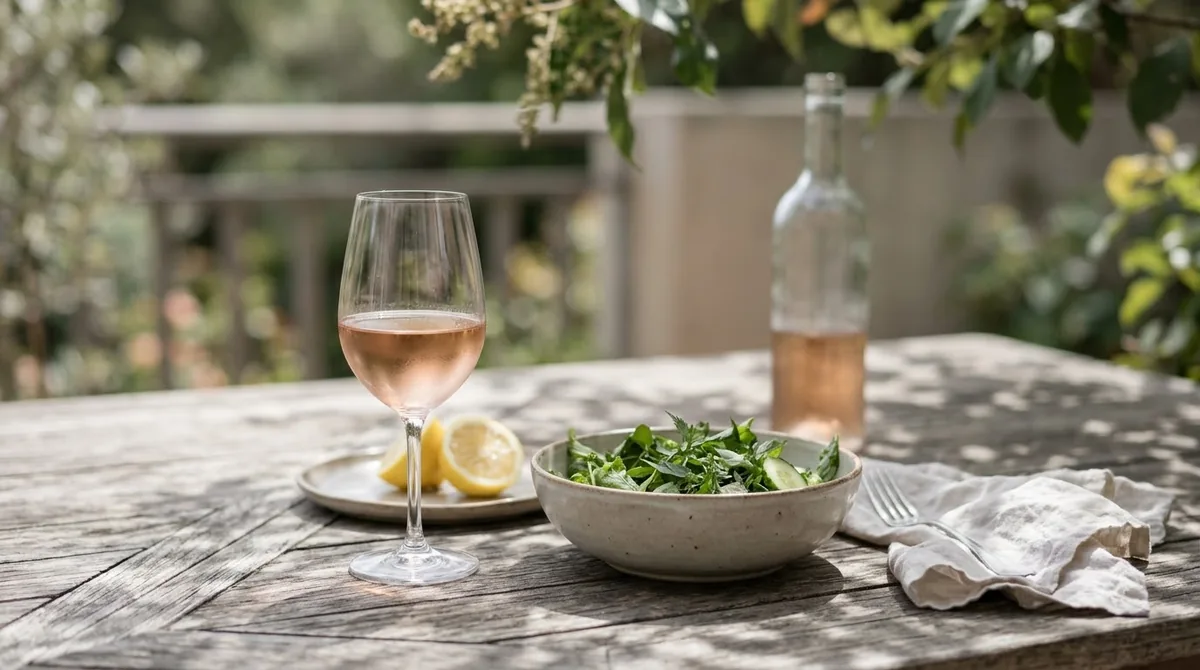
Pale Pinot Grigio works well with delicate foods that do not overwhelm its lighter body. Try it with oysters, simply cooked shrimp, grilled sole, green salads, or fresh goat cheese. Its acidity can refresh the palate between bites, while its restrained weight makes it a natural choice for dishes with lemon, herbs, and modest seasoning. For a detailed temperature and glassware routine, see how to serve Pinot Grigio.
Ramato’s additional texture can stand up to richer and more savory dishes. Think prosciutto, roast chicken, seafood pasta, mushrooms, risotto, or firm cheeses; these pairings reflect the wine’s fuller feel without relying on heavy red-wine tannins. It can also work with some Asian dishes, especially those built around herbs, ginger, or savory flavors rather than intense chili heat.
Match sweetness and intensity thoughtfully. A wine should generally be at least as sweet as a sweet dish, while acidic food calls for a wine with equal or higher acidity. Salt and fat can soften tannin, which may help a textured ramato alongside cured meat or cheese. Very spicy food is less predictable because alcohol and tannin can intensify chili heat, so choose a fresh, moderate-alcohol style for fiery dishes. If you are planning to keep a bottle for later, use this guide to how long Pinot Grigio lasts unopened; for broader grape and style comparisons, browse Wine by Type.
Frequently Asked Questions
Is Pinot Grigio available as a sparkling wine?
Yes. The DOC Delle Venezie recognizes Pinot Grigio spumante, a sparkling style, as well as frizzante, a semi-sparkling style. The council’s descriptions allow white and ramato expressions in both categories, so bubbles do not require the wine to be pale straw.
What is Pinot Grigio called in Germany?
The German name is commonly Grauburgunder. The same grape may therefore appear as Pinot Grigio, Pinot Gris, or Grauburgunder depending on its country and local naming tradition. The name alone does not establish whether the wine was made with skin contact.
Does ramato have to be made in Friuli?
Friuli-Venezia Giulia is ramato’s historic heartland, but the style is also made elsewhere in Italy and outside the country. Decanter identifies examples from California and New York, showing that the method can travel even though its history is closely tied to northeastern Italy.
Can Pinot Grigio be both dry and copper-colored?
Yes. Skin contact changes pigment and texture, not necessarily the amount of residual sugar. Cantina Donati Marco describes its pale-pink, copper-tinged Ramato as dry, illustrating that a wine’s color and sweetness are separate decisions.
Does a darker Pinot Grigio always contain more alcohol?
No. Color is mainly influenced by skin pigment and winemaking choices, while alcohol is determined by fermentation and the grapes’ sugar at harvest. For perspective, the DOC Delle Venezie still-wine description sets a minimum of 11% ABV, while Cantina Donati Marco lists its particular Ramato at 13% ABV; those figures do not establish a color-to-alcohol rule.
Pinot Grigio can be almost colorless, pale yellow, golden, pink, or copper, and those shades are part of the grape’s range rather than a simple ranking. Start with the label and the producer’s style, then use color alongside aroma, texture, and taste to understand what is in your glass.
More in Wine Types & Grapes
 Zinfandel Sugar Content: Dry Red vs. White Zinfandel GramsUpdated Nov 21, 2026
 Best Zinfandel Substitute Options for Sipping and CookingUpdated Nov 21, 2026
 Zweigelt Food Pairing: Best Dishes, Cheeses, and Serving TipsUpdated Nov 21, 2026
 Zinfandel Tannins Explained: How Structure Shapes Every BottleUpdated Nov 21, 2026
 Zinfandel Sweetness Level: Dry Red vs. Sweet White Zin ExplainedUpdated Nov 21, 2026
 Xinomavro Food Pairing: Best Dishes, Styles, and Serving TipsUpdated Nov 21, 2026