

We may earn a commission when you buy through links on this page, at no extra cost to you. Learn more.
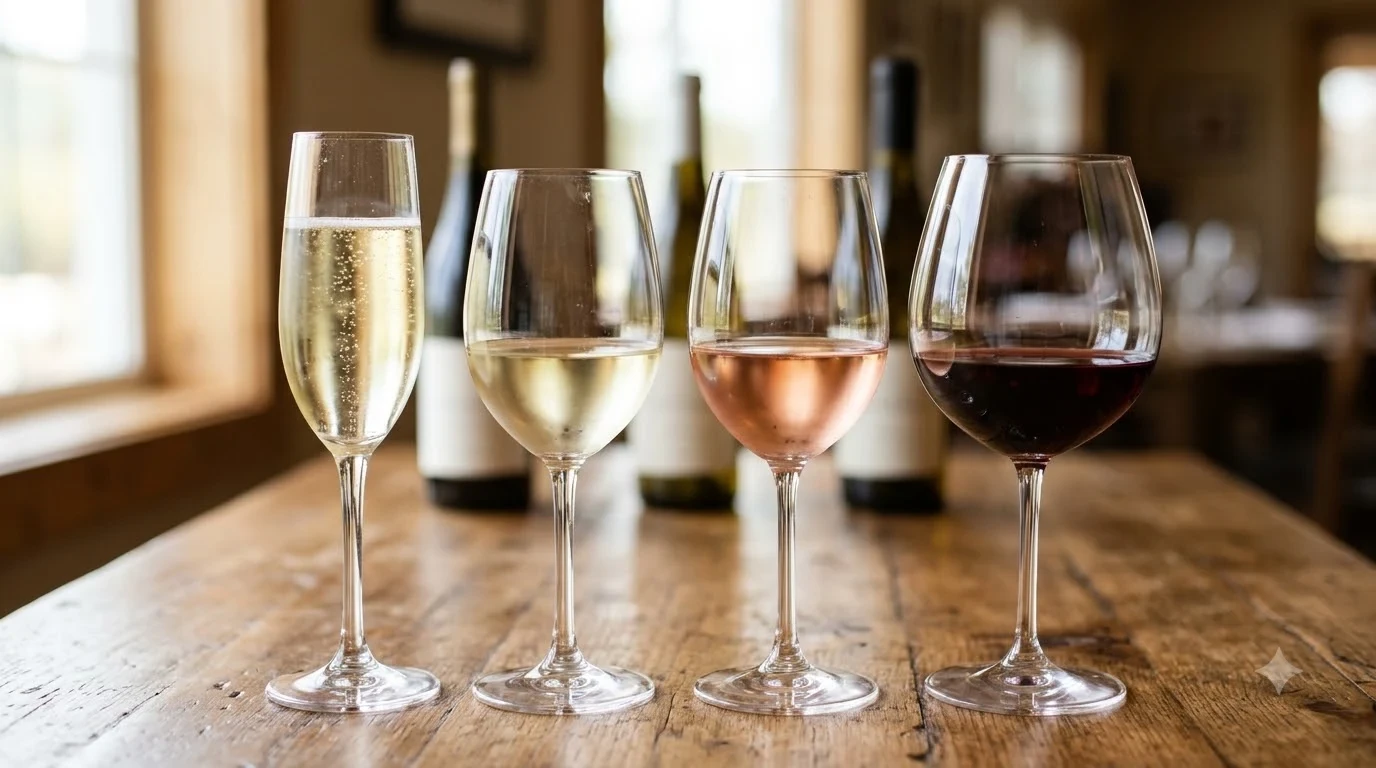
Cava color is usually pale yellow to straw in white bottlings, while Cava Rosado ranges from delicate onion-skin pink to raspberry. The shade comes chiefly from the grape varieties and the amount of time red grape skins touch the juice. Bottle aging, glassware, and light can also affect what you see, but color alone does not tell you how sweet or how full-bodied the wine will taste.
Spain’s Cava is a traditional-method sparkling wine, so both its white and pink versions undergo a second fermentation in the bottle. Learning to read the color gives you a useful first clue about the wine’s style, but the label and grape blend provide the context that the glass cannot. Here is how to distinguish the main shades, understand their origins, and choose a bottle for the occasion.
The Typical Color Range of White and Rosado Cava
White Cava is generally a clear, bright yellow wine, ranging from very pale lemon to straw yellow, sometimes with a faint greenish edge. Rosado Cava is pink, with shades that can move from pale onion skin or salmon to a deeper raspberry tone; these are two color families within the same sparkling-wine designation.
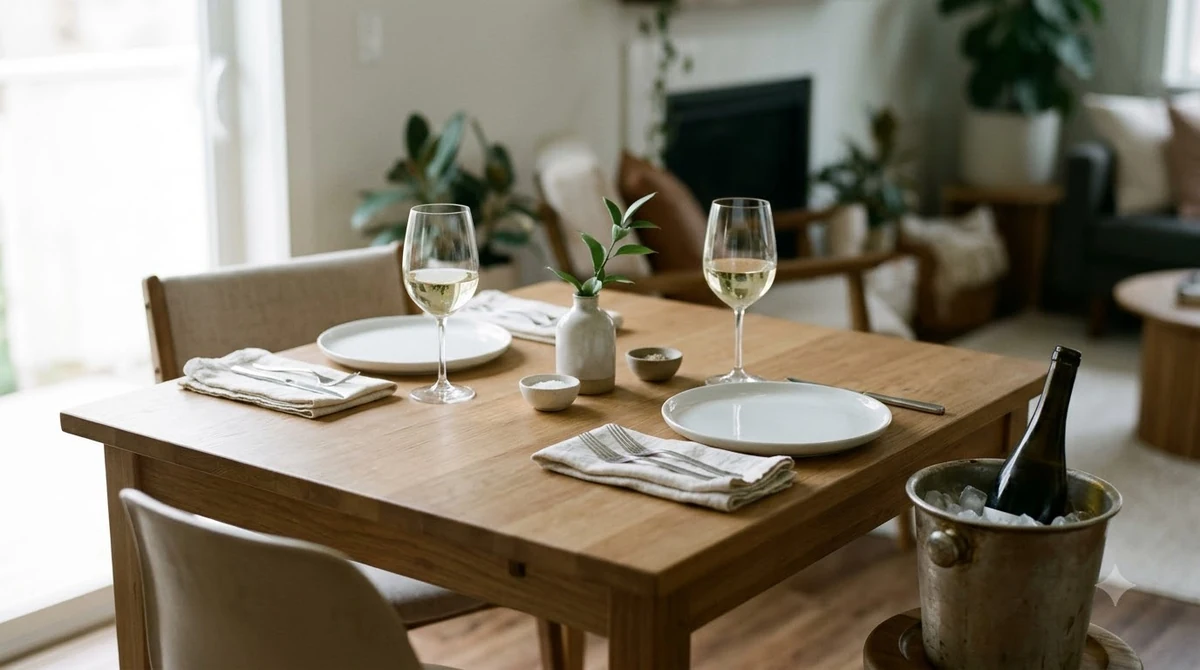
The European Union’s published Cava product specification describes white wines as having shades from pale to straw yellow, with occasional greenish tints, and describes rosés as showing different shades of pink. That is a more reliable reference than expecting every white bottle to look water-clear or every rosé to be vivid pink. A lightly colored rosé is still rosé, and a white Cava with a golden cast is not automatically a different wine category.
To assess the shade, pour a small amount into a clean, clear glass and hold it in front of a white background. Look down through the bowl for depth, then tilt the glass and inspect the thin edge where the wine is shallowest. A pale straw wine may look almost colorless in a thick glass or under warm restaurant lighting, while a salmon rosé may look more orange at its rim than it does at the center. Comparing wines in the same kind of glass and under the same light makes the difference easier to judge.
How Grape Skins Give Cava Its Color
The essential distinction is skin contact: white Cava is made from juice separated from the skins, while Rosado gains its pink tone from brief contact between red grape skins and the must. Both styles then follow the traditional method, including a second fermentation inside the bottle.
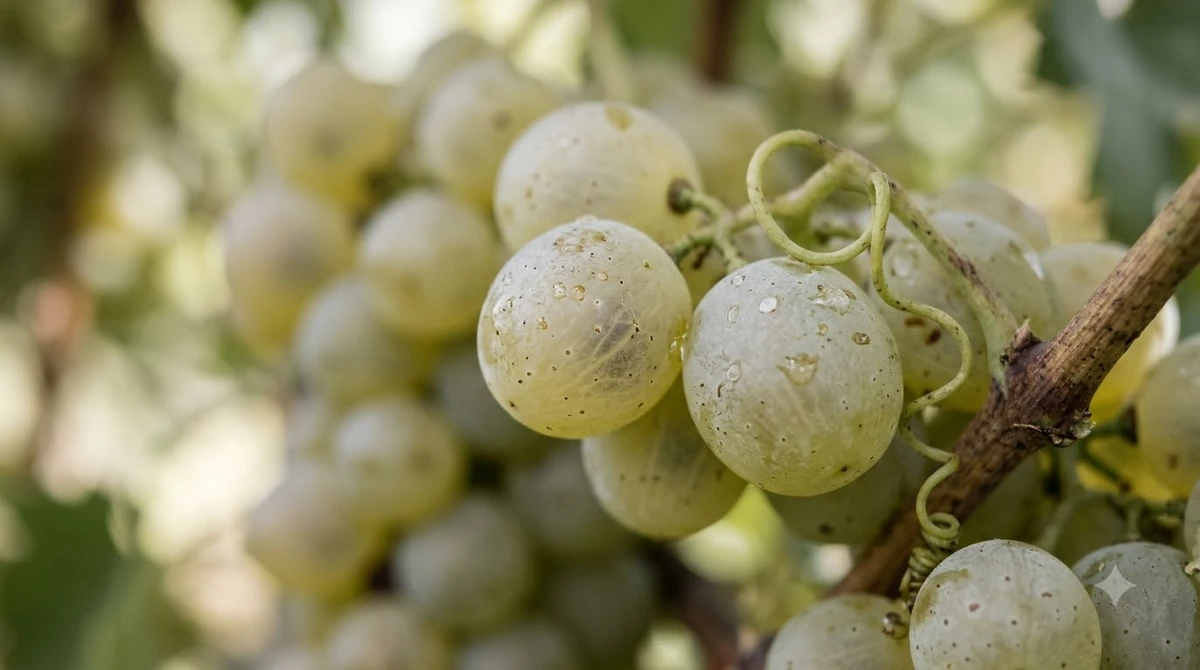
Grape flesh is often much paler than the outer skin, even in red varieties. If red grapes are pressed and their skins are removed promptly, the juice can make a white wine. If the skins remain with the juice for a controlled period, pigments move into the liquid and produce a pink base wine. The producer can manage the intensity by controlling the maceration and pressing process; the color is established before the sparkling wine’s second fermentation. In other words, the bubbles do not create the pink shade: the key decision has already been made while producing the still base wine.
The distinction is reflected in the rules for the designation. The EU product specification says Cava base wines are made without skin contact, while production of rosé requires at least 25 percent of the grapes used to be red varieties. The remaining blend may include authorized white grapes. In practice, the short skin contact gives Rosado its defining color without changing the later bottle-fermentation method that white Cava also uses.
The Cava Regulatory Council describes Rosado as a wine whose red grape skins briefly touch the must to add color, after which it follows the same traditional production process as other Cava. The council’s overview of Rosé Cava also describes shades from onion skin to pink raspberry and notes red-fruit, fresh-berry, floral, and herbal aromas. These are useful style cues, not a promise that every bottle will show the same aroma or exact shade.
Grape Varieties Behind White, Pink, and Pale Cava
The grape blend helps explain both the wine’s color and its aromatic profile. The classic white Cava trio is Macabeo, Xarel·lo, and Parellada, while the principal red varieties used for Rosado include Garnacha, Monastrell, Pinot Noir, and Trepat.
Macabeo, also known as Viura, is associated with floral notes and fresh citrus or apple flavors. Xarel·lo gives the blend structure and refreshing acidity, while Parellada is valued for refinement and freshness. Chardonnay and Subirat Parent, also called Malvasia, are additional authorized white varieties. These grapes usually produce pale yellow juice when handled without skin contact, so white Cava generally falls within the white-to-straw range.
Among the red varieties, Garnacha is widely used for Cava Rosado. As Wine Enthusiast’s Cava grape overview explains, Garnacha brings crisp raspberry and firm cherry flavors, while Pinot Noir is often used in rosé and can contribute a relatively light pink hue. Monastrell and Trepat are also permitted; Trepat is known for a tart profile, and Monastrell has notably dark skins. A grape name is not a guaranteed color code: the final appearance also depends on skin-contact time, the blend, and the producer’s choices. Some producers also bottle single-variety examples, making it possible to compare how a grape expresses itself without the influence of a broad blend.
The label can make the distinction more precise. The Cava Regulatory Council lists Blanco, Blanco de uva blanca (Blanc de blancs), Blanco de uva tinta (Blanc de noirs), and Rosado. Blanc de noirs means white Cava made from red grapes, not Rosado, because the juice is separated from the skins before they add pink color. For another example of how a wine’s shade can be read without assuming its full grape story, see pinot grigio color.
What Bottle Aging Changes—and What It Does Not
Aging categories describe how long Cava matures before release, not whether it is white or pink. White and rosé wines can both appear in the major categories, so a longer-aged bottle is not automatically darker, pinker, or more golden. The label identifies Cava de Guarda with at least 9 months of aging, Reserva with 18 months, Gran Reserva with 30 months, and Cava de Paraje Calificado with 36 months.
| Cava category | Minimum aging | Color styles | Seal cue |
|---|---|---|---|
| Cava de Guarda | 9 months | White or rosé | Green |
| Reserva | 18 months | White or rosé | Silver |
| Gran Reserva | 30 months | White or rosé | Gold |
| Cava de Paraje Calificado | 36 months | White or rosé | Gold diamond-shaped seal |
Longer aging on the lees can bring bread-dough, pastry, or toasted-nut aromas and a creamier mouthfeel, but it does not turn white Cava into rosé. It can make the wine feel more layered even when its basic color family remains unchanged. With white wines generally, color can deepen from lemon toward gold or amber as oxidation develops; red wines can lose some youthful purple or ruby intensity. These are broad patterns, not a reliable way to date a bottle, because storage and winemaking choices also affect visual change. A golden tint should therefore prompt a closer look at the producer’s style and storage history, rather than an instant conclusion about age.
Tip: Read the color and aging terms as two separate clues. A pale pink Cava Reserva is still rosé, and a straw-colored Gran Reserva is still white; the aging category tells you about maturation time, not the color family.
What Color Can Tell You About Taste and Sweetness
Color can suggest the broad style of a Cava, but it cannot reliably tell you whether the wine is dry, sweet, high in acidity, or rich in body. Grape variety, dosage, lees contact, and the producer’s blending choices all influence the final taste, so use the label and a description of the wine alongside the glass.
White Cava often emphasizes citrus, green or ripe orchard fruit, and freshness, particularly in blends built around Macabeo, Xarel·lo, and Parellada. Rosado may show more red berry and red-fruit character because of its grape blend and skin contact. Decanter notes that sparkling rosé can have red-berry or red-citrus flavors and sometimes a slight tannic grip from the base wine’s contact with skins. The impression varies by variety and winemaking; not every pink Cava will taste richer than every white one.
Sweetness is a separate label decision made through dosage. Terms such as Brut Nature, Extra Brut, Brut, Extra Dry, Dry, Demi-Sec, and Doux move from the driest styles toward sweeter ones. As one example, the Cava Regulatory Council lists Brut Nature at 0 to 3 grams of sugar per liter, Extra Brut at 0 to 6 grams per liter, and Brut at a maximum of 12 grams per liter. These terms describe sugar levels rather than the wine’s visible hue. A rosé labeled Brut is therefore a dry sparkling wine even if its color reminds you of ripe berries.
This is why a pale white Cava may be bone dry while a pale salmon rosé may also be Brut. A deeper pink shade does not mean the wine is sweet, just as a gold tone in a white wine does not prove noticeable residual sugar. The same caution applies when comparing moscato color with sweetness: color and sweetness are different characteristics, and the label gives the more useful clue about the latter.
Serving Temperature, Glassware, and Food Pairings
Serve Cava well chilled, usually around 40 to 50 degrees Fahrenheit. For Cava Rosado, the Cava Regulatory Council recommends 8 to 10 degrees Celsius, or roughly 46 to 50 degrees Fahrenheit, and a tulip-shaped glass that gives the wine room to show its aromas.
Very cold temperatures can make aromas harder to notice, while a wine that warms too much may seem less crisp. A standard 5-ounce pour leaves room for bubbles to rise; a 750-milliliter bottle contains just over 25 ounces, or about five such pours. Open the bottle carefully, keep a hand over the cork, and angle it away from people as you ease the closure out.
White Cava’s freshness works naturally with shellfish, shrimp, sushi, salty olives, and fried tapas. Its acidity can refresh the palate after fried foods, while bubbles and a dry finish complement jamón, almonds, and Manchego. Rosado suits many of the same dishes, but its red-fruit character also works with cured meats, grilled chicken, tomato-based tapas, and roasted peppers. A chilled rosé can also bridge the gap between white-wine-friendly seafood and the more savory flavors found in a charcuterie plate. For spicy food, remember that alcohol can intensify chili heat; for dessert, choose a wine at least as sweet as the dish, so dry Brut Rosado is usually better with savory food than very sweet cake.
Think about weight as well as color. A light, fresh Cava suits delicate seafood, while a Reserva with longer lees aging may have the texture for mushrooms on toast or roast poultry. That is a pairing suggestion based on body and texture, not a rule that all Reserva wines are heavier or that pink Cava is always more powerful. For a broader framework on grape, color, sweetness, and structure, the site’s Wine by Type overview puts Cava alongside still wines and other sparkling styles; tempranillo color offers a contrast with the deeper spectrum possible in still red wines.
Frequently Asked Questions
These quick answers address common questions that come up when comparing bottles or reading a Cava label. They focus on details that are easy to miss if you judge the wine by its color alone.
Can Cava be made outside Catalonia?
Yes. The Cava designation covers approved production areas in several parts of Spain, although Catalonia remains its historical center and the area where most Cava is produced. Sant Sadurní d’Anoia is widely recognized as the denomination’s historical and symbolic heart.
Can a Cava rosé be made from just one grape?
Yes. Single-variety examples exist, including rosés made with Garnacha or Pinot Noir. A one-grape bottling can still qualify as Cava when it meets the designation’s rules for grapes, origin, and production.
Does every pink Cava have the same shade?
No. The pink range can include pale onion-skin, salmon, and raspberry tones, depending on the fruit and the winemaker’s extraction choices. A bottle’s shade is one visual detail, not a quality ranking.
What glass is best for Cava Rosado?
The Cava Regulatory Council recommends a tulip glass for Rosado. Its shape gives the wine a little more room to release its floral and red-fruit aromas while still presenting the stream of bubbles.
Is Blanc de noirs the same as Cava Rosado?
No. Blanc de noirs is a white wine made from red grapes, with the juice separated from the skins so that it does not take on a pink hue. Rosado, by contrast, gets its color from brief contact with red grape skins.
Cava’s visual range is easy to recognize once you separate white Cava’s pale-yellow spectrum from Rosado’s pink shades. Use color as a starting point, then read the grape, sweetness, and aging details to understand the style in the bottle. Whether you prefer a crisp straw-colored white or a delicate salmon rosé, the best choice is the one whose taste and structure suit the food and occasion.
More in Wine Types & Grapes
 Zinfandel Sugar Content: Dry Red vs. White Zinfandel GramsUpdated Nov 21, 2026
 Best Zinfandel Substitute Options for Sipping and CookingUpdated Nov 21, 2026
 Zweigelt Food Pairing: Best Dishes, Cheeses, and Serving TipsUpdated Nov 21, 2026
 Zinfandel Tannins Explained: How Structure Shapes Every BottleUpdated Nov 21, 2026
 Zinfandel Sweetness Level: Dry Red vs. Sweet White Zin ExplainedUpdated Nov 21, 2026
 Xinomavro Food Pairing: Best Dishes, Styles, and Serving TipsUpdated Nov 21, 2026